Table of Contents
- What is Hanuman Chalisa?
- History & Composer
- Hanuman Chalisa — Lyrics in Hindi & English with Meaning
- Benefits of Reciting Hanuman Chalisa
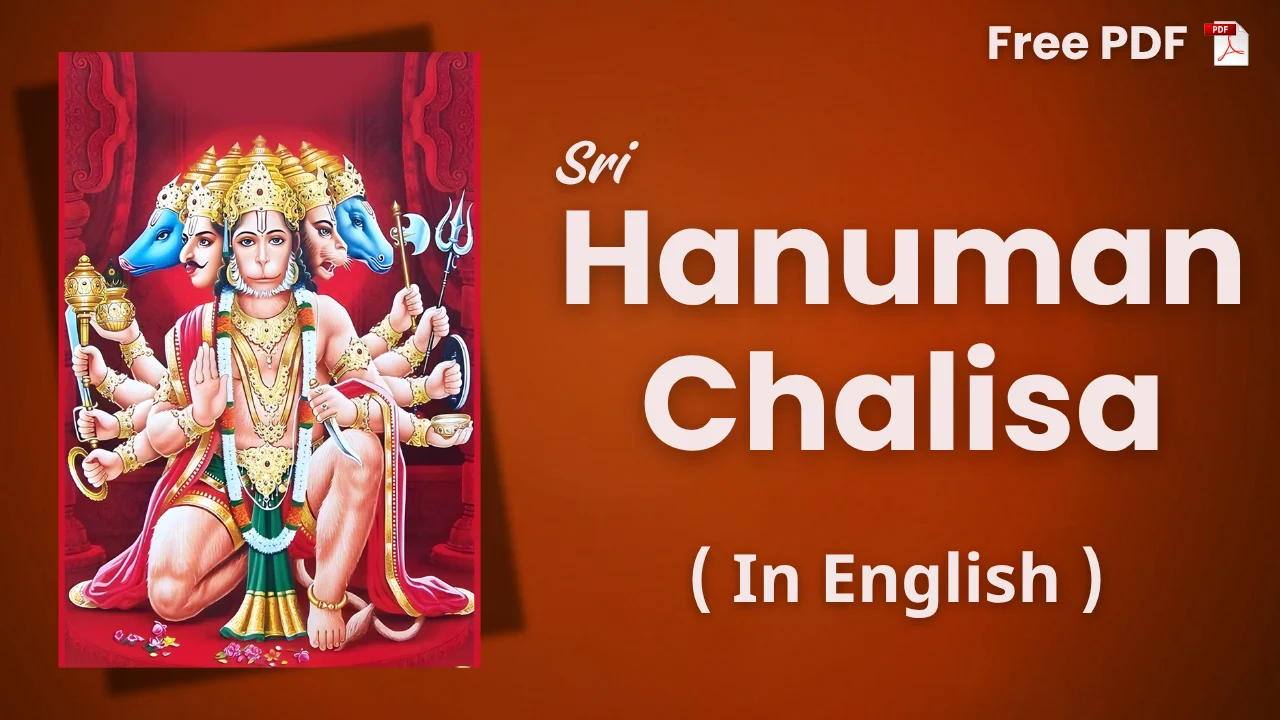
- 📄 Hanuman Chalisa PDF — Free Download
- How & When to Recite Hanuman Chalisa
- Frequently Asked Questions
Hanuman Chalisa is one of the most beloved and widely recited Hindu devotional hymns in the world. Composed by the revered poet-saint Goswami Tulsidas in the 16th century, it is a 40-verse prayer dedicated to Lord Hanuman — the embodiment of devotion, strength, and selfless service.
Whether you are an NRI seeking a connection with your roots, a devotee learning to recite this powerful hymn, or simply curious about its meaning — this complete guide gives you Hanuman Chalisa lyrics in English, the original Hindi text, verse-by-verse meaning, and a free PDF download.
What is Hanuman Chalisa?
The word Chalisa comes from the Hindi word chālīs (चालीस), meaning forty — referring to its 40 main verses called Chaupais. These are accompanied by two opening couplets (Dohas) and one closing couplet, making 43 lines in total.
Quick Facts: Hanuman Chalisa
- Composed by: Goswami Tulsidas (16th Century)
- Language: Awadhi (dialect of Hindi)
- Structure: 2 opening Dohas + 40 Chaupais + 1 closing Doha
- Deity: Lord Hanuman (son of Pavan / wind god)
- Most auspicious days: Tuesday & Saturday
- Part of: Vinay Patrika (Tulsidas's collection)
History & Composer
Goswami Tulsidas (circa 1532–1623 CE) was a Hindu saint, reformer, and poet who is best known for composing the Ramcharitmanas — the retelling of the Ramayana in Awadhi. The Hanuman Chalisa is believed to have been composed while Tulsidas was imprisoned in Fatehpur Sikri on orders of Emperor Akbar. According to legend, upon reciting the Chalisa, monkeys created such havoc in the court that Akbar released him.
Whether historical legend or devotional narrative, the Hanuman Chalisa has stood the test of 500 years and is recited by hundreds of millions of Hindus across the globe every single day.
॥ DOHĀ 1 ॥ śrī-guru carana saroja raja nija manu mukuru sudhāri |
baranaūṃ raghubara bimala jasu jo dāyaku phala cāri ||
Having cleansed the mirror of my mind with the dust from the lotus feet of the Divine Guru, I describe the unblemished glory of Lord Rama, which bestows the four fruits of life.
॥ DOHĀ 2 ॥ buddhi-hīna tanu jānike sumirauṃ pavana-kumāra |
bala budhi bidyā dehu mohiṃ harahu kalesa bikāra ||
Knowing myself to be ignorant, I meditate upon the Son of the Wind. Grant me strength, wisdom, and knowledge, and remove my miseries and flaws.
॥ 1 ॥ jaya hanumāna jñāna guna sāgara | jaya kapīsa tihuṃ loka ujāgara ||
Victory to Hanuman, the ocean of wisdom and virtue! Victory to the Lord of Monkeys who illuminates the three worlds.
॥ 2 ॥ rāma dūta atulita bala dhāmā | añjani-putra pavana-suta nāmā ||
Messenger of Rama, abode of immeasurable strength, son of Anjani, and known as the Son of the Wind.
॥ 3 ॥ mahābīra bikrama bajarāṅgī | kumati nivāra sumati ke saṅgī ||
Great hero, mighty and brave, with a body as strong as a thunderbolt. You dispel wicked thoughts and are the companion of the wise.
॥ 4 ॥ kañcana barana birāja subesā | kānana kuṇḍala kuñcita kesā ||
Golden-complexioned and beautifully attired, wearing shiny earrings with curly hair.
॥ 5 ॥ hātha bajra au dhvajā birājai | kāndhe mūñja janeū sājai ||
In your hands shine the thunderbolt and the flag; a sacred thread of Munja grass adorns your shoulder.
॥ 6 ॥ saṅkara suvana kesarī nandana | teja pratāpa mahā jaga bandana ||
Incarnation of Shiva and son of Kesari, your radiant glory is worshipped by the whole world.
॥ 7 ॥ bidyāvāna guṇī ati cātura | rāma kāja karibe ko ātura ||
You are highly learned, virtuous, and clever, always eager to do the work of Lord Rama.
॥ 8 ॥ prabhu caritra sunibe ko rasiya | rāma lakhana sītā mana basiya ||
You delight in listening to the Lord's deeds. Rama, Lakshmana, and Sita reside in your heart.
॥ 9 ॥ sūkṣma rūpa dhari siyahiṃ dikhāvā | bikaṭa rūpa dhari laṅka jarāvā ||
You appeared to Sita in a tiny form, but assumed a fearsome form to burn the city of Lanka.
॥ 10 ॥ bhīma rūpa dhari asura saṃhāre | rāmacandra ke kāja saṃvāre ||
Assuming a gigantic form, you destroyed the demons and accomplished the tasks of Lord Ramachandra.
॥ 11 ॥ lāya sañjīvana lakhana jiyāye | śrīraghubīra haraṣi ura lāye ||
You brought the Sanjivani herb and revived Lakshmana; Lord Rama embraced you with great joy.
॥ 12 ॥ raghupati kīnhī bahuta baḍāī | tuma mama priya bharatahi sama bhāī ||
The Lord of the Raghus praised you greatly, saying "You are as dear to me as my brother Bharata."
॥ 13 ॥ sahasa badana tumharo jasa gāveṃ | asa kahi śrīpati kaṇṭha lagāveṃ ||
"May the thousand-headed serpent sing your fame," so saying, the Lord of Lakshmi embraced you.
॥ 14 ॥ sanakādika brahmādi munīsā | nārada sārada sahita ahīsā ||
Sanaka and other sages, Brahma and other gods, Narada, Saraswati, and the King of Serpents sing your praise.
॥ 15 ॥ jama kubera digapāla jahāṃ te | kabi kobida kahi sake kahāṃ te ||
Yama, Kubera, and the guardians of the directions—even poets and scholars fail to describe your glory.
॥ 16 ॥ tuma upakāra sugrīvahiṃ kīnhā | rāma milāya rāja pada dīnhā ||
You did a great favor for Sugriva by introducing him to Rama and helping him gain the throne.
॥ 17 ॥ tumharo mantra bibhīṣana mānā | laṅkeśvara bhae saba jaga jānā ||
Vibhishana followed your counsel and became the Lord of Lanka, as the whole world knows.
॥ 18 ॥ juga sahasra jojana para bhānū | līlyo tāhi madhura phala jānū ||
The sun is thousands of miles away, yet you swallowed it, thinking it was a sweet fruit.
॥ 19 ॥ prabhu mudrikā meli mukha māhīṃ | jaladhi lāṅghi gaye acaraja nāhīṃ ||
Carrying the Lord's ring in your mouth, you leaped across the ocean—it is no wonder for you.
॥ 20 ॥ durgama kāja jagata ke jete | sugama anugraha tumhare tete ||
All difficult tasks in the world become easy through your grace.
॥ 21 ॥ rāma duāre tuma rakhavāre | hota na ājñā binu paisāre ||
You are the guardian of Rama's door; no one enters without your permission.
॥ 22 ॥ saba sukha lahai tumhārī saranā | tuma racchaka kāhū ko daranā ||
All happiness is found in your refuge. With you as protector, there is nothing to fear.
॥ 23 ॥ āpana teja samhāro āpai | tīnoṃ loka hāṅka teṃ kāṅpai ||
You alone can restrain your own splendor. All three worlds tremble at your roar.
॥ 24 ॥ bhūta pisāca nikaṭa nahiṃ āvai | mahābīra jaba nāma sunāvai ||
Evil spirits and ghosts do not come near when the name of Mahabira is heard.
॥ 25 ॥ nāsai roga harai saba pīrā | japata nirantara hanumata bīrā ||
All diseases are destroyed and all pains removed by constant chanting of the name of the brave Hanuman.
॥ 26 ॥ saṅkaṭa teṃ hanumāna chuḍāvai | mana krama bacana dhyāna jo lāvai ||
Hanuman delivers from trouble those who meditate on him in thought, word, and deed.
॥ 27 ॥ saba para rāma tapasvī rājā | tina ke kāja sakala tuma sājā ||
Lord Rama is the supreme ascetic King, yet you executed all his tasks.
॥ 28 ॥ aura manoratha jo koī lāvai | soī amita jīvana phala pāvai ||
Whoever brings any desire to you attains the unlimited fruit of life.
॥ 29 ॥ cāroṃ juga pratāpa tumhārā | hai prasiddha jagata ujiyārā ||
Your glory spans all four ages; your fame illuminates the whole universe.
॥ 30 ॥ sādhu santa ke tuma rakhavāre | asura nikandana rāma dulāre ||
You are the protector of the virtuous and saints, the destroyer of demons, and the beloved of Rama.
॥ 31 ॥ aṣṭa siddhi nau nidhi ke dātā | asa bara dīna jānakī mātā ||
Mother Janaki (Sita) granted you the power to bestow the eight siddhis and nine nidhis.
॥ 32 ॥ rāma rasāyana tumhare pāsā | sadā raho raghupati ke dāsā ||
You possess the nectar of Rama's name; may you always remain the servant of the Lord.
॥ 33 ॥ tumhare bhajana rāma ko pāvai | janama janama ke dukha bisrāvai ||
By singing your praise, one finds Rama and is freed from the sorrows of many lifetimes.
॥ 34 ॥ anta kāla raghubara pura jāī | jahāṃ janma hari-bhakta kahāī ||
At the end of life, one goes to Rama's abode and, if reborn, is known as a devotee of God.
॥ 35 ॥ aura devatā citta na dharaī | hanumata sei sarba sukha karaī ||
Without even thinking of other deities, one attains all happiness by serving Hanuman alone.
॥ 36 ॥ saṅkaṭa kaṭai miṭai saba pīrā | jo sumirai hanumata balabīrā ||
Troubles cease and all pain vanishes for those who remember the mighty Hanuman.
॥ 37 ॥ jaya jaya jaya hanumāna gosāīṃ | kṛpā karahu gurudeva kī nāīṃ ||
Victory, victory, victory to the Lord Hanuman! Be merciful to me like a divine teacher.
॥ 38 ॥ jo sata bāra pāṭha kara koī | chūṭahi bandi mahā sukha hoī ||
Whoever recites this a hundred times will be freed from bondage and attain great bliss.
॥ 39 ॥ jo yaha paḍhai hanumāna cālīsā | hoya siddhi sākhī gaurīsā ||
He who reads the Hanuman Chalisa attains success; Lord Shiva himself is the witness.
॥ 40 ॥ tulasīdāsa sadā hari cerā | kījai nātha hṛdaya maṃha ḍerā ||
Tulsidas is ever the servant of the Lord. O Master, please make your home in my heart.
॥ FINAL DOHĀ ॥ pavanatanaya saṅkaṭa harana maṅgala mūrati rūpa |
rāma lakhana sītā sahita hṛdaya basahu sura bhūpa ||
O Son of the Wind, Banisher of sorrow and the very Embodiment of auspiciousness! Reside in my heart along with Rama, Lakshmana, and Sita.
Benefits of Reciting Hanuman Chalisa
Devotees and scholars across centuries have recorded the transformative effects of regular Hanuman Chalisa recitation. Beyond the spiritual dimension, many practitioners report tangible psychological benefits:
💪
Strength & Courage
Invokes Lord Hanuman's fearlessness and inner strength in the devotee.
🛡️
Divine Protection
Believed to shield from negative energies, evil eye, and harmful forces.
🧠
Mental Clarity
Focused recitation improves concentration, memory, and mental stability.
😌
Peace of Mind
Rhythmic chanting calms anxiety, fear, and restlessness of the mind.
🌟
Remove Obstacles
Removes hurdles from life — professional, personal, and spiritual.
🙏
Spiritual Growth
Deepens devotion and accelerates one's spiritual journey toward moksha.
📄 Hanuman Chalisa PDF — Free Download
Download the complete Hanuman Chalisa in high quality PDF format.
Available in Hindi (original) and English (with transliteration & meaning). Print-ready design.
🖨 Print-ready quality · 📱 Mobile optimized · 🎨 Decorative design · 100% Free
How & When to Recite Hanuman Chalisa
The Hanuman Chalisa can be recited any time, but certain days and time windows are considered especially auspicious:
Tuesday
Most auspicious day dedicated to Hanuman
Saturday
Especially powerful for removing Saturn's ill effects
Brahma Muhurta
4:30–6:00 AM — highest spiritual energy
Evening
Sunset time — equally powerful
Step-by-Step: How to Recite
- Bathe and wear clean clothes before recitation
- Sit facing east or north before a Hanuman image
- Light a diya (lamp) and incense sticks
- Begin with "Jai Shri Ram" and recite with full devotion
- Chant clearly — understanding the meaning enhances the benefit
- Offer prasad (banana, laddoo) at the end
- Close with Hanuman Aarti
Frequently Asked Questions
Can non-Hindus recite Hanuman Chalisa? +
Yes. The Hanuman Chalisa is a prayer of devotion, and its power lies in sincerity of heart. Many people of different faiths and backgrounds recite it and find it deeply calming and spiritually enriching.
How many times should I recite Hanuman Chalisa? +
Once daily is considered sufficient for regular devotion. For specific wishes or during difficult times, 11, 21, or 108 repetitions are practiced. On Tuesdays and Saturdays, even a single sincere recitation yields powerful results.
What language is Hanuman Chalisa written in? +
Hanuman Chalisa is written in Awadhi — a dialect of Hindi spoken in the Awadh region of Uttar Pradesh. It was composed by Tulsidas, the same poet who wrote the Ramcharitmanas. The language is poetic but highly accessible even today.
Is there a scientific basis for the benefits of chanting? +
Multiple studies in music therapy and neuroscience suggest that rhythmic chanting activates the parasympathetic nervous system, reducing cortisol (stress hormone) levels and promoting well-being. The Sanskrit-adjacent Awadhi phonetics in Hanuman Chalisa are particularly resonant.
Where can I download the Hanuman Chalisa PDF for free? +
You can download the free Hanuman Chalisa PDF directly from this page using the download buttons above. We offer both a Hindi version (original script) and an English version with transliteration and meaning — both are print-ready and completely free.