Who Was Srila Prabhupada

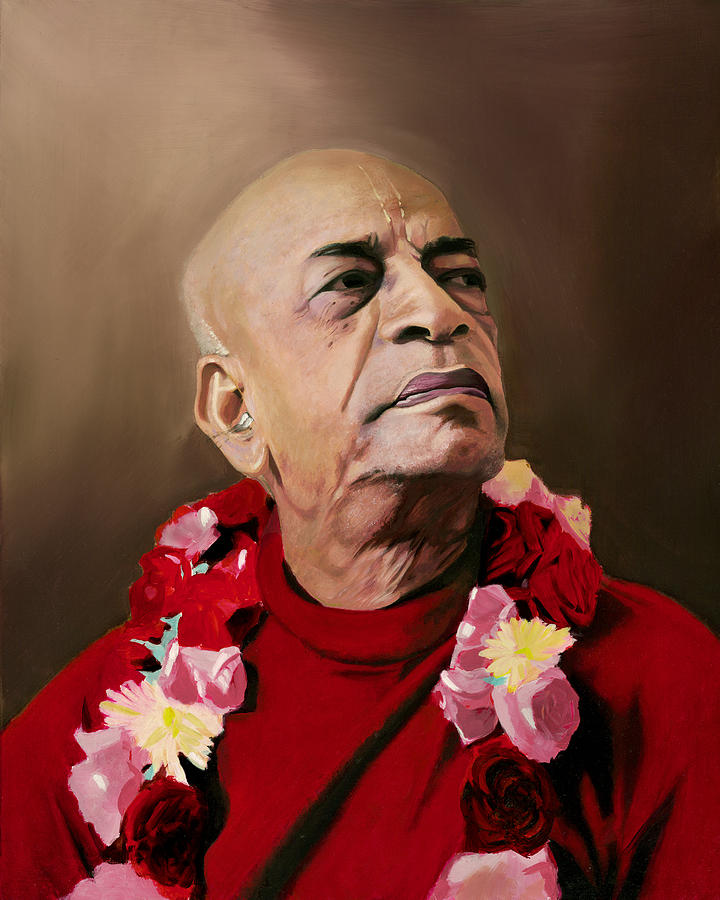
Abhay Charanaravinda Bhaktivedanta Swami was born on 1 September 1896 and died on 14 November 1977. He is popularly known as Srila Prabhupada. Initially, his name was Abhay Charan De. He was an Indian spiritual teacher and the founder-preceptor of the International Society for Krishna Consciousness.
He appeared in Calcutta (Kolkata) and was trained at Scottish Church College. Prior to entering the life of a renunciate in 1950, he was married and had children. He also ran a small business in pharmaceutical products.
"Srila" is an adjective associated with the noun "Sri." "Sri-la" indicates wealth — meaning rich along with beauty and opulence. "Sri" indicates the three Vedas; therefore "Srila" indicates a scholar who understands the three Vedas.
Founding ISKCON
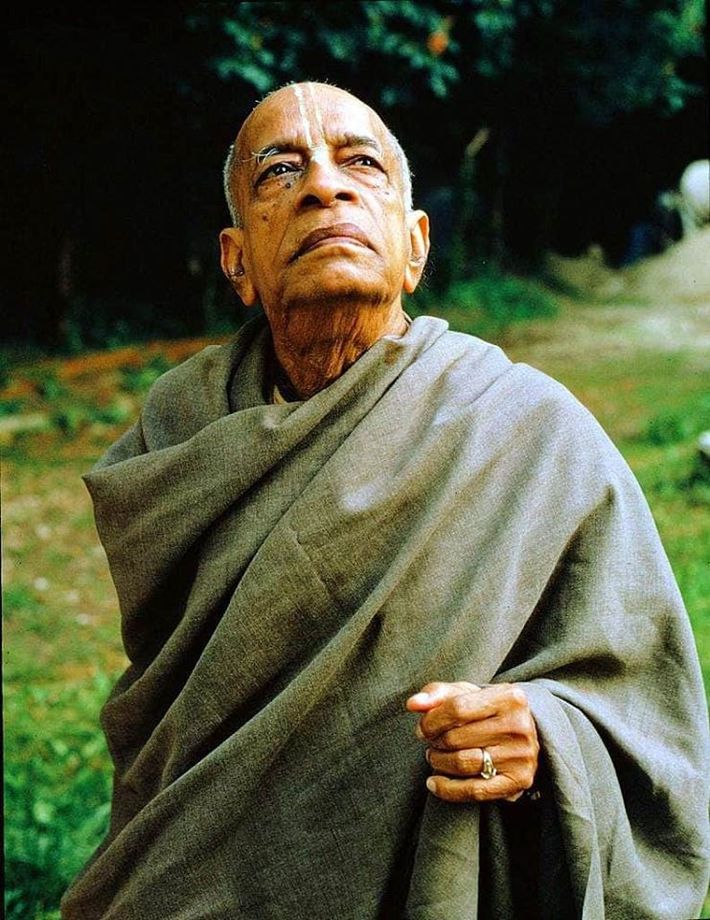
ISKCON presents Sri Krishna as the Supreme, in the form of a monotheistic deity, and its theology draws parallels with Christian theology. Srila Prabhupada established the organization, and ISKCON became a public voice within Hinduism as well as a leader among the countercultural movements of the late 1960s. Srila Prabhupada founded ISKCON in 1966; it had grown to 600 worldwide.

The movement was initiated by His Divine Grace A. C. Bhaktivedanta Swami Prabhupada. Anyone can follow its religious teachings — to follow Hare Krishna, one studies the sacred texts, meditates, chants, and follows a lifestyle centered on Lord Krishna.
It is recognized worldwide as the "Hare Krishna Movement." The ISKCON movement regards Bhaktivedanta Swami as its representative — the messenger of Sri Krishna Chaitanya.
Sannyasa and Spreading the Message

In 1959, Srila Prabhupada took sannyasa (renunciation). He began writing commentaries on the scriptures of Vaishnavism and traveled as a monk of the Vaishnava order.
Srila Prabhupada was a great communicator of Gaudiya Vaishnava and Indian theology. He spread the message in the West through his leadership of ISKCON, which he founded in 1966, and initiated many young Americans. Anti-cult groups criticized him; among the religious scholars who studied him are Harvey Cox, Stillson Judah, and Larry Shinn.
His followers greatly admired Bhaktivedanta Swami's translations and defended him against distorted media images and misinterpretations. Religious leaders from different Gaudiya Vaishnava movements honored him for his achievements. His charisma as a leader helped him gain followers across India, Europe, and the United States, as the mission to spread Gaudiya Vaishnavism grew worldwide.
His guru was Bhaktisiddhanta Sarasvati. After Srila Prabhupada's passing in 1977, ISKCON continued to grow as a form of Krishna-centered Vaishnavism grounded in the Bhagavata Purana, and continues to expand. In February 2014, ISKCON's news agency marked the milestone of half a billion books distributed since 1965. His translation and commentary on the Bhagavad Gita, titled Bhagavad-Gita As It Is, is regarded by ISKCON's adherents and by scholars of the Vedic tradition as a landmark translation into the English language and a great work of Vaishnavism.
Temples and Visiting ISKCON
The Sri Radha Krishna Temple is regarded as the largest ISKCON temple in the world. It is situated in Rajajinagar, North Bangalore, Karnataka.
Mayapur is known for the Chandrodaya Temple, built by ISKCON, where the Samadhi of Srila Prabhupada is located. Nearby is Sri Chaitanya Math, the birthplace of Sri Chaitanya Mahaprabhu, along with the Goswami Maharaj Temple in Dashavatar and the Samadhi of Chand Kazi.
Devotees visiting Vrindavan and Mathura often stay in an ISKCON temple guest house, which offers clean and peaceful accommodation with both non-AC and AC rooms at a low price. The rooms are neat, spacious, and clean, with attached Western-style toilets, a geyser for hot water, and a balcony.
Visiting hours at the temple are 7:15 AM to 1 PM and 4:15 PM to 8:20 PM on weekdays, and 7:15 AM to 8:30 PM on weekends. Photography is not permitted inside the temple, and a modest dress code is expected.
Saffron Robes and Spiritual Training
The saffron robes worn by the monks date back centuries. Orange was chosen primarily because of the dye available at the time, and the tradition has continued — orange being the color associated with the Theravada Buddhist tradition of Southeast Asia as well.
To spread spiritual knowledge, the society trains people in techniques for spiritual life, helping them examine the disproportion in their life's values. Attaining true unity and peace in the world is central to this mission.
ISKCON does not brainwash its followers. Rather, it works to help people untangle the complications and contradictions that may already be affecting their thinking. ISKCON is transparent about its religious beliefs.
Frequently Asked Questions
What does "Srila" mean?
"Srila" is an adjective associated with the noun "Sri." "Sri-la" indicates wealth, beauty, and opulence, while "Sri" refers to the three Vedas — so "Srila" indicates a scholar who understands the three Vedas.
When was Srila Prabhupada born and when did he pass away?
Srila Prabhupada, born Abhay Charan De, was born on 1 September 1896 and passed away on 14 November 1977.
When did Srila Prabhupada found ISKCON?
Srila Prabhupada founded ISKCON in 1966, and it had grown to 600 centers worldwide.
Who was Srila Prabhupada's guru?
Srila Prabhupada's guru was Bhaktisiddhanta Sarasvati.
Where is the largest ISKCON temple?
The Sri Radha Krishna Temple, situated in Rajajinagar, North Bangalore, Karnataka, is regarded as the largest ISKCON temple in the world.
What are the temple visiting hours at ISKCON?
Visiting hours are 7:15 AM to 1 PM and 4:15 PM to 8:20 PM on weekdays, and 7:15 AM to 8:30 PM on weekends. Photography is not permitted inside, and a modest dress code is expected.
The content on this page is adapted from an article on the Iskcon Desire Tree website, written by Pratanu Banerjee.