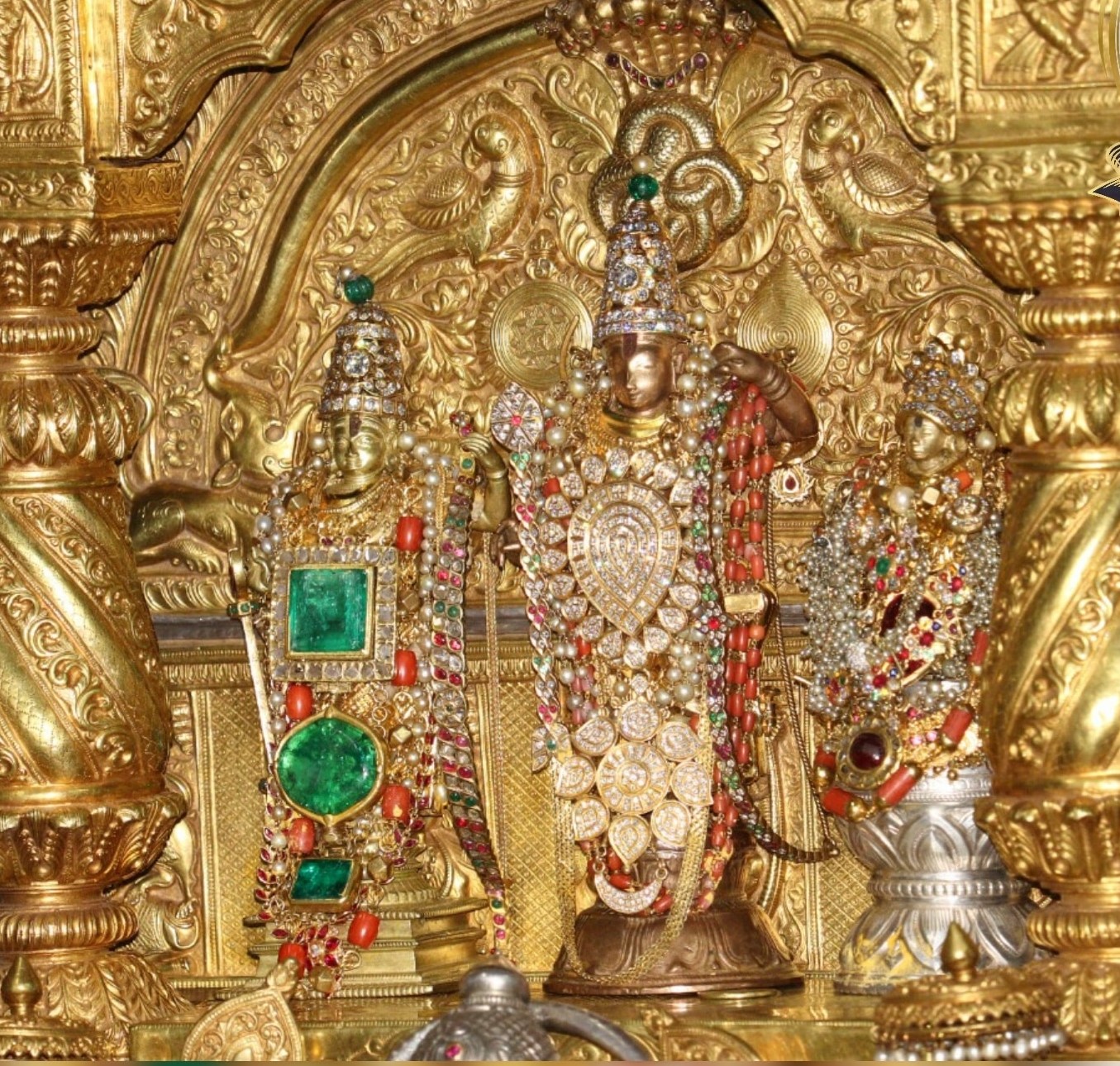
उत्तरादि मठ की अपनी ऐतिहासिक सामग्री के अनुसार, माधव तीर्थ के पीठाधीश्वर रहते हुए ही मठ को अपने सबसे अधिक प्रिय विग्रहों में से एक प्राप्त हुआ: श्री वंश राम। यह विग्रह आज भी मठ के अन्य पवित्र विग्रहों, श्री दिग्विजय राम, श्री मूल राम और श्री मूल सीता, के साथ पूजा जाता है। यह कथा यहाँ ठीक उसी रूप में दी गई है, जिस रूप में वह जीवित परम्परा इसे मानती है। यह एक भक्ति-विवरण है, स्वतन्त्र रूप से प्रमाणित ऐतिहासिक अभिलेख नहीं।
इस विवरण के अनुसार, एक दिन माधव तीर्थ मठ के विग्रहों की नित्य पूजा कर रहे थे। तभी वहाँ उपस्थित लोगों ने कुछ असाधारण देखा। पूजा के बीच में वे अपने आसन से उठे और गहरी श्रद्धा के साथ एक स्थान के सामने प्रणाम किया। बाकी सबको वह स्थान बिल्कुल खाली दिखाई दे रहा था। पूजा समाप्त होने पर उन्होंने बड़ी विनम्रता के साथ उसी अदृश्य दिव्य व्यक्तित्व से तीर्थ (पूजा द्वारा पवित्र किया गया जल) ग्रहण किया, जिन्हें उन्होंने प्रणाम किया था। वहाँ बैठे भक्त चकित हो गए और उनसे पूछने लगे कि अभी-अभी उन्होंने क्या देखा।
परम्परा में माधव तीर्थ का जो उत्तर सुरक्षित है, उसके अनुसार सम्प्रदाय के संस्थापक स्वयं मध्वाचार्य वहाँ प्रकट हुए थे। उन्होंने नए प्राप्त हुए वंश राम विग्रह की स्वयं पूजा की और पूजा में अर्पित पवित्र जल ग्रहण किया। फिर उन्होंने वही तीर्थ आशीर्वाद के रूप में माधव तीर्थ को वापस दे दिया। यह परम्परा पहले से ही मानती है कि मध्वाचार्य अपने द्वारा स्थापित पीठाधीश्वरों की शृंखला में सदा आध्यात्मिक रूप से उपस्थित रहते हैं। इसलिए परम्परा इस कथा में दो बातें देखती है: वंश राम विग्रह की पवित्रता, और उसी शृंखला में माधव तीर्थ का अपना स्थान।
भक्ति-परम्परा के बाहर का कोई स्वतन्त्र स्रोत इस विशेष घटना की पुष्टि नहीं करता। इस काल के पीठाधीश्वरों की ऐसी अधिकांश कथाओं के साथ यही बात है। केवल इस कारण से यह विवरण असत्य नहीं हो जाता। निष्पक्ष होकर देखें तो माधव तीर्थ के आन्तरिक जीवन के बारे में बची हुई अधिकांश बातें भी ऐसी ही हैं। माधव तीर्थ की अपनी परम्परा ने इन बातों को सुरक्षित रखा है, और उनकी अपनी संस्था इन्हें संजोकर रखती है। लेकिन इन बातों को बाहरी ऐतिहासिक पद्धति से उस तरह नहीं जाँचा जा सकता, जिस तरह उनकी तिथियों या उनके मठ की स्थापना को जाँचा जा सकता है।
