Bhaktivedanta Svāmī Gośala
भक्तिवेदान्त स्वामी गोशाला Hindi name proposed
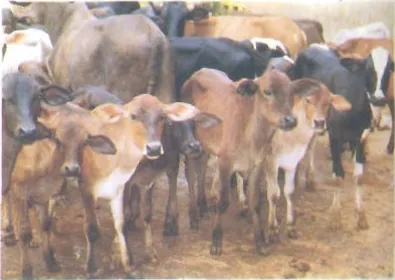
- What it is
- The Bhaktivedanta Svāmī Gośālā is ISKCON's cow shelter (gośālā) in Vṛndāvana, about a kilometre from the Kṛṣṇa-Balarāma Mandira and near Go-ghāṭa.
- Visiting
- Vṛndāvana, the Playground of God (2010) and The Color Guide to Vṛndāvana (2000) describe the gośālā with its gardens, a nursery and a tulasī grove for the temple.
In short
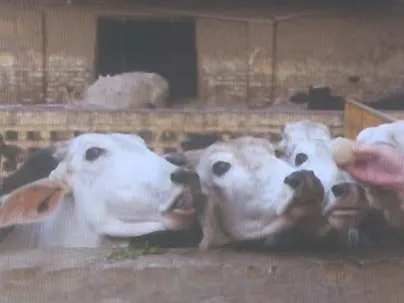
The Bhaktivedanta Svāmī Gośālā is ISKCON's cow shelter (gośālā) in Vṛndāvana, about a kilometre from the Kṛṣṇa-Balarāma Mandira and near Go-ghāṭa. According to two guidebooks of 2000 and 2010, it keeps cows, calves, oxen and bulls, supplies the milk for the Kṛṣṇa-Balarāma Deities, and has gardens and a tulasī grove for the temple.[1 +6] It bears Śrīla Prabhupāda's name, and in 1974 he told the devotees of Vṛndāvana to keep at least a gośālā.[1 +3]
Key facts
| Kind | go-śālā |
|---|---|
| Region · area | Vṛndāvana |
| Ācāryas | Śrīla Prabhupāda |
Śrīla Prabhupāda
In February 1974, while the devotees were looking at land in Vṛndāvana, Śrīla Prabhupāda told them to make at least a gośālā there, with one or two men to care for the cows:[8 +2]
Names this place“Make at least gośala, keep cows. That is also profitable. … One or two men may simply take care of the cows. … Attached to the temple, we maintain a gośala.”
Śrīla Prabhupāda, Room Conversation, Vṛndāvana, 14 February 1974 · vedabase.io
In November 1975 he agreed to attend a meeting of the trustees of a "Krishna Balarama Gosala". In June 1977, during his visit to the new gurukula, a gośālā where ISKCON Vṛndāvana kept its cows was mentioned in his presence, and he agreed that milk must be there for the boys.[8 +2] None of these records says that this was the present gośālā, and when the present gośālā was founded is not recorded.[8 +2]
Visiting today
Vṛndāvana, the Playground of God (2010) and The Color Guide to Vṛndāvana (2000) describe the gośālā with its gardens, a nursery and a tulasī grove for the temple.[1 +2] The 2010 book prints a prayer for the place, namo brahmaṇya-devāya, without naming its source. The verse is Prahlāda's prayer in the Viṣṇu Purāṇa (1.19.65), and the English the book gives is Śrīla Prabhupāda's translation in his purport to Śrīmad-Bhāgavatam 9.9.43. It is a general prayer to Kṛṣṇa as the well-wisher of the cows and the brāhmaṇas, not a verse about this place.[1 +2]
namo brahmaṇyadevāya gobrāhmaṇahitāya ca / jagaddhitāya kṛṣṇāya govindāya namonamaḥ //
I offer my respectful obeisances to the Supreme Absolute Truth, Kṛṣṇa, who is the well-wisher of the cows and the brāhmaṇas as well as the living entities in general. I offer my repeated obeisances to Govinda, who is the pleasure reservoir for all the senses.
Translation: Śrīla A.C. Bhaktivedanta Swami PrabhupādaLocation
| Where it is | 'about a kilometer from the Kṛṣṇa Balarāma temple'[13] near Go Ghāṭa (entry 10)[14] |
|---|
Nearby places
Kṛṣṇa-Balarāma Mandira (Ramaṇa-retī) · Go-ghāṭa (Vṛndāvana)
Pictures
1 pictures
References
- Vṛndāvana, the Playground of God (2010), Bhakti Caitanya Svāmī, PDF p. 120
- Vṛndāvana, the Playground of God (2010), Bhakti Caitanya Svāmī, PDF p. 121
- The Color Guide to Vṛndāvana (2000), Written and Photographed by Rājaśekhara dāsa Brahmacārī, PDF p. 54
- Vṛndāvana-Dhāma Ki Jaya! (c. 1986), by Dhruva Mahārāja dāsa, PDF p. 16
- The Color Guide to Vṛndāvana (2000), Written and Photographed by Rājaśekhara dāsa Brahmacārī, PDF p. 48
- The Color Guide to Vṛndāvana (2000), Written and Photographed by Rājaśekhara dāsa Brahmacārī, PDF p. 50
- Vṛndāvana, the Playground of God (2010), Bhakti Caitanya Svāmī, PDF p. 116
- Śrīla Prabhupāda, Room Conversation, Vṛndāvana, 14 February 1974 · vedabase.io
- Śrīla Prabhupāda, Letter to Dhananjaya (Vrindaban), Letter 75-11-09, 9 November 1975 · vedabase.io
- Śrīla Prabhupāda, Gurukula Inspection, Vṛndāvana, 26 June 1977 · vedabase.io
- Viṣṇu Purāṇa, 1.19.65, GRETIL
- Śrīla Prabhupāda, Śrīmad-Bhāgavatam, 9.9.43, purport · vedabase.io
- Vṛndāvana, the Playground of God (2010), Bhakti Caitanya Svāmī, p. 120
- The Color Guide to Vṛndāvana (2000), Written and Photographed by Rājaśekhara dāsa Brahmacārī, p. 40