ārādhyo bhagavān vrajeśa-tanayas tad-dhāma vṛndāvanam: “Kṛṣṇa, the son of Nanda Mahārāja in Vṛndāvana-dhāma, or Vraja-bhūmi, is the supreme worshipable Deity, and His place Vṛndāvana is also worshipable.”
Śrīla Prabhupāda, The Science of Self-Realization, Chapter 5 · vedabase.io
The sacred regions
Twelve regions, in the order of the Vraja-maṇḍala parikramā. All regions with their places →
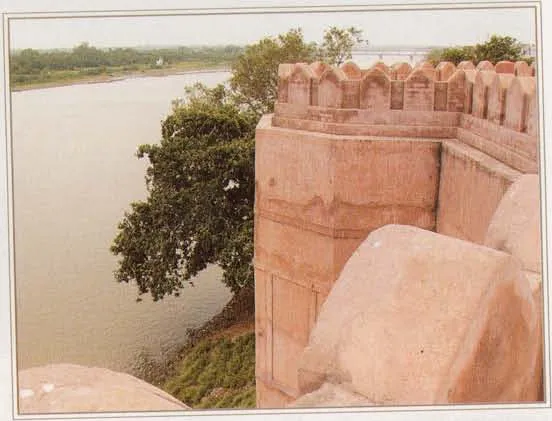
Mathurā
मथुराMathurā, which the Bhāgavatam and other Purāṇas say Śatrughna founded in Madhuvana, and later the capital of the Yādavas, is where Kṛṣṇa too …
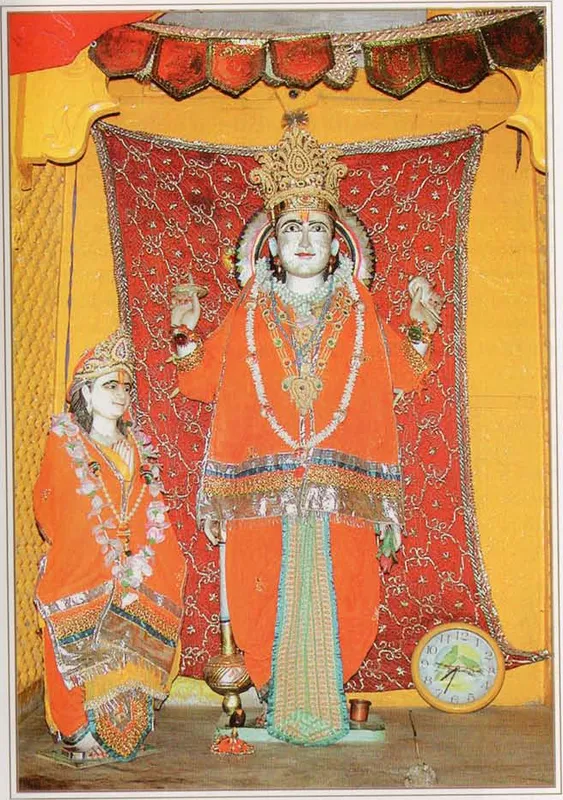
Madhuvana and the southern forests
मधुवनMadhuvana, the forest of the demon Madhu, is where Nārada sent Dhruva to worship and the Lord came to him (ŚB 4.8-4.9), where Ambarīṣa worsh …
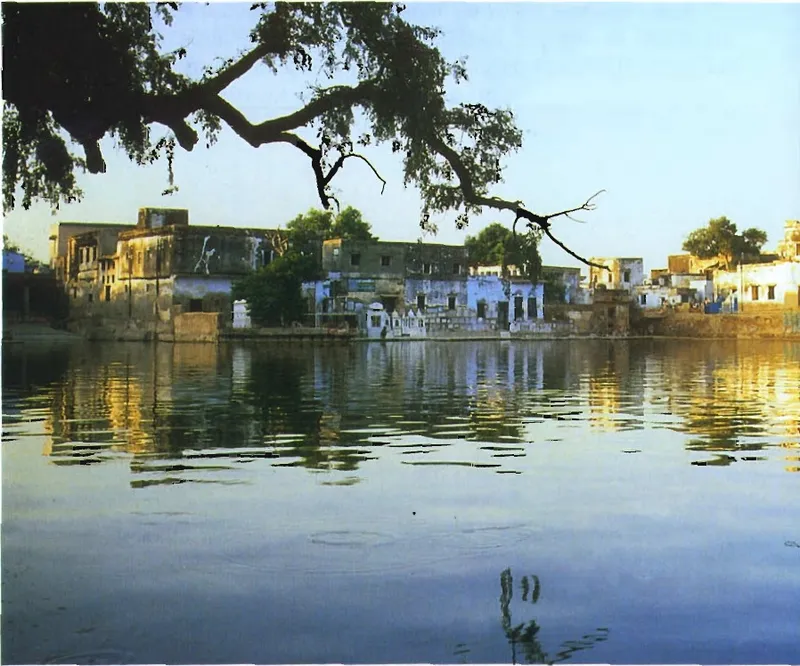
Rādhā-kuṇḍa
राधा-कुण्डRādhā-kuṇḍa is ranked above every other holy place by Rūpa Gosvāmī (Upadeśāmṛta 9–11) and praised in the verse 'just as Rādhā is dear to Kṛṣ …
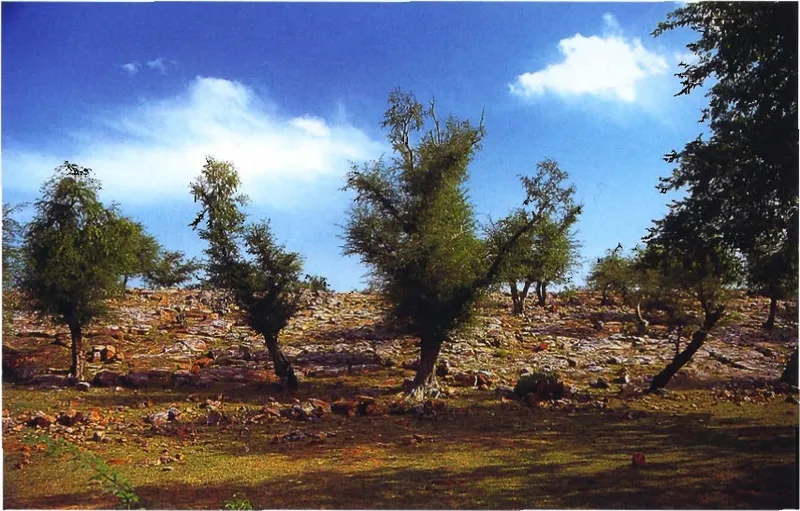
Govardhana
गोवर्धनGovardhana Hill is the hill Kṛṣṇa lifted to shelter Vraja from Indra's rain and set back in its own place, and where He received the first G …
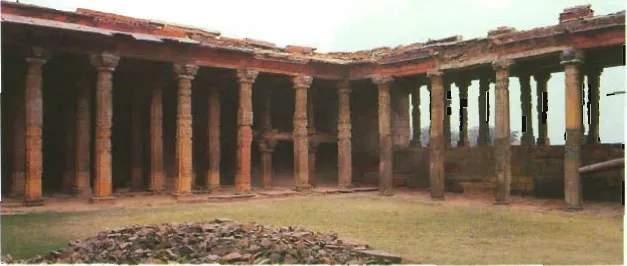
Kāmyavana
काम्यवनKāmyavana (Kāmavana; the town of Kāmā or Kāman) is one of the twelve forests of Vraja: the Varāha Purāṇa calls it the fourth and best of for …
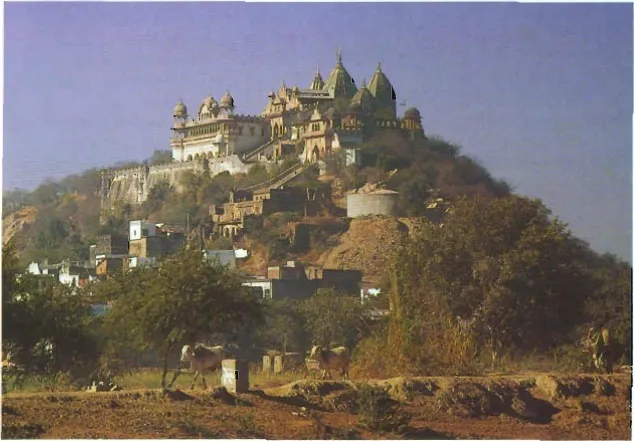
Varṣāṇā
बरसानाVarṣāṇā is the Vṛṣabhānupura of the texts, the town of Rādhā's father: the Bhakti-ratnākara says 'this Vṛṣabhānupura is called Varṣāṇa', the …
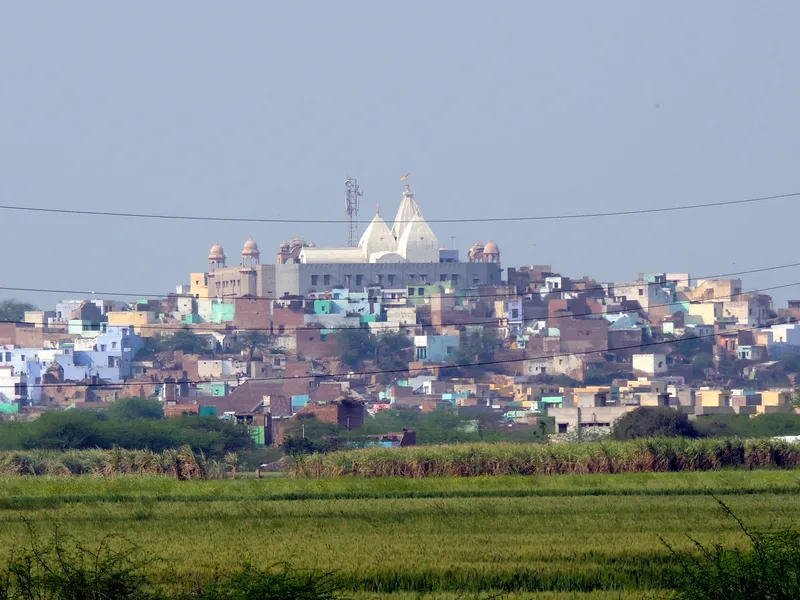
Nandagrāma
नन्दग्रामNandagrāma (Nandagaon) is Nanda Mahārāja's village on and around Nandīśvara hill.
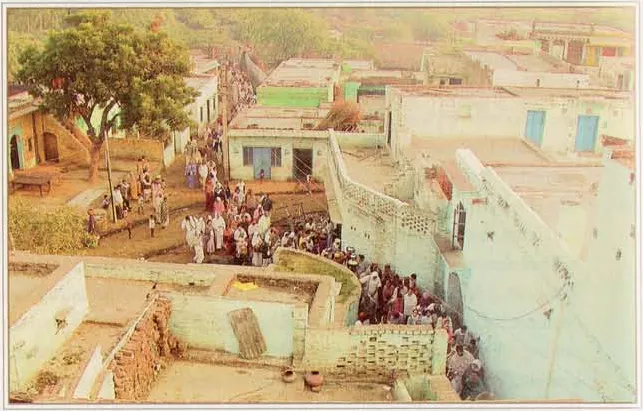
Jāvaṭa, Kokilāvana and Khadiravana
जावटJāvaṭa is the village of Abhimanyu, his mother Jaṭilā and his sister Kuṭilā, where Śrī Rādhā lives in Kṛṣṇa's pastimes.
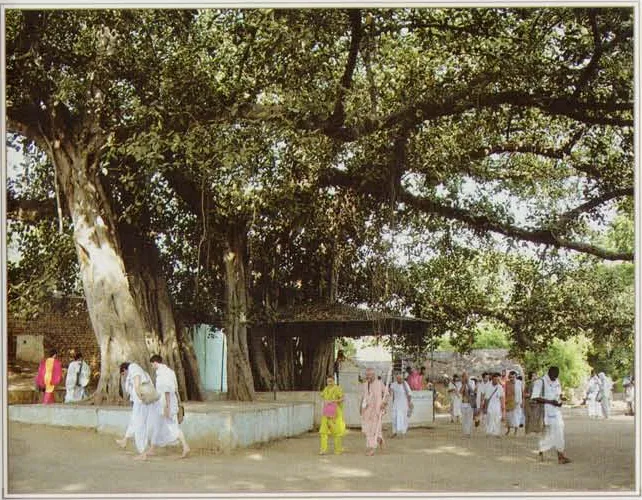
Bhāṇḍīravana and the forests across the Yamunā
भाण्डीरवनBhāṇḍīravana is the forest of the Bhāṇḍīra banyan, which Śrīmad-Bhāgavatam names as the goal of the boys' carrying game when Balarāma killed …
Mahāvana and Gokula
महावनMahāvana (Bṛhadvana, "the great forest"), on the east bank of the Yamunā, is the eighth of the twelve forests in the Varāha and Nārada Purāṇ …
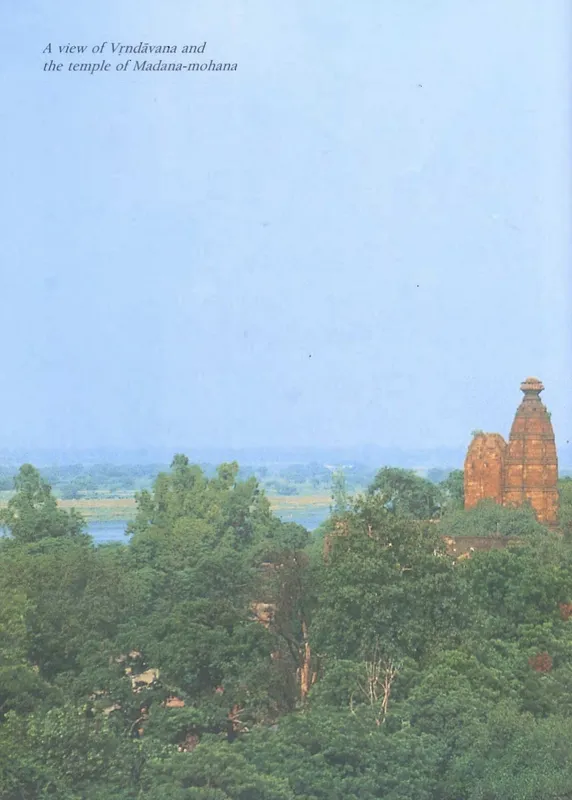
Vṛndāvana
वृन्दावनVṛndāvana is praised in the Purāṇas and by the Gosvāmīs as Kṛṣṇa's dearest abode, not different from the eternal Goloka, which Kṛṣṇa, Nanda' …
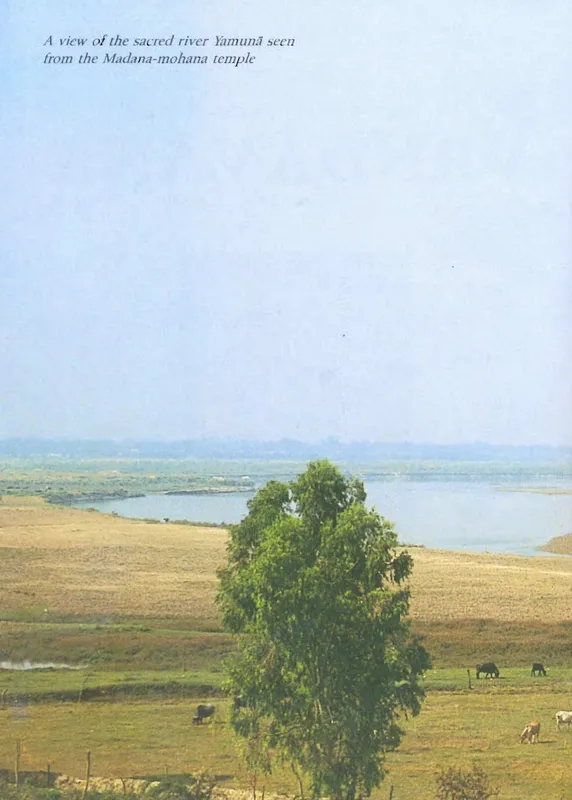
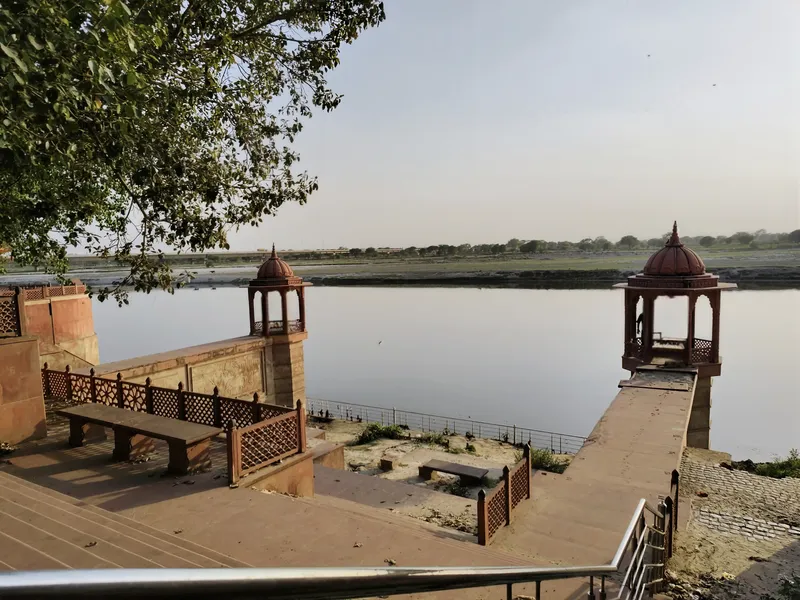
The Yamunā
यमुनाThe Yamunā (Kālindī, Yamī) is the sun's daughter and Yama's twin sister; the Garga-saṁhitā tells her descent from Goloka at Kṛṣṇa's order, h …
In short
Vraja-maṇḍala, the land of Vraja, is the country around Mathurā, on both banks of the Yamunā, where Kṛṣṇa spent His childhood in the cowherd settlement of Nanda Mahārāja.[1 +6] Śrīla Prabhupāda explains, following the six Gosvāmīs, that Vraja is a confidential part of Goloka Vṛndāvana and that Kṛṣṇa's pastimes here are eternal.[8 +1] The Caitanya-caritāmṛta says that Kṛṣṇa comes to this world together with His eternal Vraja-dhāma, and Śrīmad-Bhāgavatam says that His birth made the land of Vraja glorious above all.[8 +8] Śrīla Prabhupāda gives its extent as eighty-four krośas, made up of twelve forests.[18 +3]
More about Vraja
Why it is glorified
Śrīla Prabhupāda writes in his purport to Caitanya-caritāmṛta Ādi-līlā 4.50 …
What Vraja is
Śrīla Prabhupāda writes in his purport to Caitanya-caritāmṛta Ādi-līlā 4.50:[8 +1]
Names this place“The six Gosvāmīs of Vṛndāvana, however, have explained that Kṛṣṇa’s pastimes in Vraja are eternal, like His other activities in Goloka Vṛndāvana. Vraja is a confidential part of Goloka Vṛndāvana. Kṛṣṇa exhibited His Vraja pastimes on the surface of this world, and similar pastimes are eternally exhibited in Vraja in Goloka Vṛndāvana, where parakīya-rasa is ever existent.”
Śrīla Prabhupāda, Śrī Caitanya-caritāmṛta, Ādi-līlā 4.50, purport · vedabase.io
The Caitanya-caritāmṛta (Ādi 3.10) says that at the end of the Dvāpara-yuga Kṛṣṇa appears on earth together with His eternal Vraja-dhāma.[8 +2] The same book says that Gokula, the highest abode, is also called Vraja, Goloka, Śvetadvīpa and Vṛndāvana (Ādi 5.17).[17 +1] Śrī Caitanya Mahāprabhu told Śrīla Rūpa Gosvāmī not to take Kṛṣṇa out of Vṛndāvana, for He never goes anywhere else, and the book quotes Śrīla Rūpa Gosvāmī's Laghu-bhāgavatāmṛta: Kṛṣṇa the son of Nanda never leaves Vṛndāvana (Antya 1.66-67).[23 +3]
The glories in Śrīmad-Bhāgavatam
The gopīs begin their song by saying that Kṛṣṇa's birth has made the land of Vraja glorious, so that the goddess of fortune always lives there:[12 +5]
gopya ūcuḥ jayati te 'dhikaṃ janmanā vrajaḥ śrayata indirā śaśvad atra hi / dayita dṛśyatāṃ dikṣu tāvakās tvayi dhṛtāsavas tvāṃ vicinvate
The gopīs said: O beloved, Your birth in the land of Vraja has made it exceedingly glorious, and thus Indirā, the goddess of fortune, always resides here. It is only for Your sake that we, Your devoted servants, maintain our lives. We have been searching everywhere for You, so please show Yourself to us.
Translation: Śrīla Prabhupāda's disciples (BBT)The women of Mathurā call the tracts of Vraja pious, because there the Lord wanders with Balarāma, herding the cows and playing His flute:[12 +5]
puṇyā bata vraja-bhuvo yad ayaṁ nṛ-liṅga- gūḍhaḥ purāṇa-puruṣo vana-citra-mālyaḥ
gāḥ pālayan saha-balaḥ kvaṇayaṁś ca veṇuṁ vikrīḍayāñcati giritra-ramārcitāṅghriḥ
How pious are the tracts of land in Vraja, for there the primeval Personality of Godhead, disguising Himself with human traits, wanders about, enacting His many pastimes! Adorned with wonderfully variegated forest garlands, He whose feet are worshiped by Lord Śiva and goddess Ramā vibrates His flute as He tends the cows in the company of Balarāma.
Translation: Śrīla Prabhupāda's disciples (BBT)Lord Brahmā prays for any birth at all in the forest of Gokula, to be bathed in the dust of its residents' feet, and Uddhava prays to be a bush, a creeper or an herb in Vṛndāvana, touched by the gopīs' feet:[27 +5]
My greatest possible good fortune would be to take any birth whatever in this forest of Gokula and have my head bathed by the dust falling from the lotus feet of any of its residents. Their entire life and soul is the Supreme Personality of Godhead, Mukunda, the dust of whose lotus feet is still being searched for in the Vedic mantras.
Translation: Śrīla Prabhupāda's disciples (BBT)Śrīmad-Bhāgavatam also tells that from Kṛṣṇa's birth Nanda's vraja became the pleasure ground of the goddess of fortune (10.5.18).[12 +5] It tells how, when Brahmā hid the calves and the cowherd boys, Kṛṣṇa Himself became all of them for a year (10.13); the guidebook Śrī Vraja-maṇḍala Parikramā (2007) counts this pastime among the glories of Vraja.[26 +2]
The holy places within Vraja
In his Upadeśāmṛta Śrīla Rūpa Gosvāmī ranks the holy places of Vraja. Mathurā is greater than Vaikuṇṭha, because the Lord appeared there; the forest of Vṛndāvana is greater than Mathurā, because of the rāsa dance; Govardhana Hill is greater still, and Rādhā-kuṇḍa stands above all.[35]
vaikuṇṭhāj janito varā madhu-purī tatrāpi rāsotsavād
vṛndāraṇyam udāra-pāṇi-ramaṇāt tatrāpi govardhanaḥ
rādhā-kuṇḍam ihāpi gokula-pateḥ premāmṛtāplāvanāt
kuryād asya virājato giri-taṭe sevāṁ vivekī na kaḥ
The holy place known as Mathurā is spiritually superior to Vaikuṇṭha, the transcendental world, because the Lord appeared there. Superior to Mathurā-purī is the transcendental forest of Vṛndāvana because of Kṛṣṇa’s rāsa-līlā pastimes. And superior to the forest of Vṛndāvana is Govardhana Hill, for it was raised by the divine hand of Śrī Kṛṣṇa and was the site of His various loving pastimes. And, above all, the superexcellent Śrī Rādhā-kuṇḍa stands supreme, for it is overflooded with the ambrosial nectarean prema of the Lord of Gokula, Śrī Kṛṣṇa. Where, then, is that intelligent Person who is unwilling to serve this divine Rādhā-kuṇḍa, which is situated at the foot of Govardhana Hill?
Translation: Śrīla A.C. Bhaktivedanta Swami PrabhupādaIn the Purāṇas
The Garga-saṁhitā calls the divine Māthura-maṇḍala "Vraja" and defines it by its borders and its extent (Vṛndāvana-khaṇḍa 2.1.11-12).[36 +1] It tells that Śrī Rādhā would not come down to earth unless Vṛndāvana, the Yamunā and Govardhana were there too, and that Hari therefore sent the land of Vraja from His own abode to the earth, with Govardhana and the Yamunā (summarised here, not translated).[38 +5] The same work says that the Māthura-maṇḍala is not destroyed even at the dissolution of the world, and that Vraja is greater than all other places, greater even than Prayāga, the king of holy places.[44 +3]
The Skanda Purāṇa's Bhāgavata-māhātmya explains the name: what pervades is called Vraja, and the all-pervading Supreme Brahman, beyond the modes of nature, is called Vraja; this Vraja-bhūmi, it says, lies within the Māthura-maṇḍala on earth (summarised here, not translated).[17 +2] In Śrīla Jīva Gosvāmī's Kṛṣṇa-sandarbha the Lord says, in a verse quoted from the Padma Purāṇa, that Mathurā, the forest of Vṛndāvana, the Yamunā, the gopīs and the cowherd boys are eternal, and that His descent there is eternal too (summarised here, not translated).[50]
Divine pastimes
Śrīmad-Bhāgavatam sets Kṛṣṇa's childhood in Nanda's vraja.
Śrīmad-Bhāgavatam sets Kṛṣṇa's childhood in Nanda's vraja. Vasudeva carried the newborn child across the stormy Yamunā, which gave way to him, to Nanda's settlement (10.3.50-51). Later Indra's rains fell on Nanda's Gokula, and Kṛṣṇa held up Govardhana Hill for seven days while the people of Vraja looked on (10.25). Balarāma came back from Dvārakā to visit Nanda's Gokula (10.65).[1 +6]
Śrī Caitanya Mahāprabhu came to Mathurā, bathed at the twenty-four ghāṭas of the Yamunā and toured the forests of Vraja, Madhuvana, Tālavana, Kumudavana, Bahulāvana and the others, bathing in each in ecstatic love.[52 +3]
The regions of Vraja
This guide follows twelve regions, given here in the order of the Vraja-maṇḍala parikramā, each with what the texts read for this page say about it.[35 +4]
- Mathurā: the Lord appeared here, and Śrīla Rūpa Gosvāmī counts it greater than Vaikuṇṭha for that reason; the Varāha Purāṇa describes the Māthura-maṇḍala as a lotus with Lord Keśava in its centre.[35 +2]
- Madhuvana and the southern forests: Madhuvana, Tālavana, Kumudavana and Bahulāvana are the forests that the Caitanya-caritāmṛta names first in Śrī Caitanya Mahāprabhu's tour.[52 +2]
- Rādhā-kuṇḍa: Śrīla Rūpa Gosvāmī places it, at the foot of Govardhana Hill, above all the holy places.[35]
- Govardhana: the hill that Kṛṣṇa held up for seven days to protect the people of Vraja from Indra's rains.[1 +5]
- Kāmyavana: Śrīla Prabhupāda counts it among the seven forests on the western side of the Yamunā.[53 +3]
- Varṣāṇā: in the Skanda Purāṇa's Bhāgavata-māhātmya the sage Śāṇḍilya tells King Vajranābha to set up his rule at six places, Bṛhatsānu among them (summarised here, not translated).[61]
- Nandagrāma: Nandigrāma is another of those six places, and Śrīla Prabhupāda writes that the forest of Vṛndāvana reaches from the town of Vṛndāvana to Nandagrāma.[18 +4]
- Jāvaṭa, Kokilāvana and Khadiravana: Khadiravana is one of the seven forests that Śrīla Prabhupāda places on the western side of the Yamunā.[53 +3]
- Bhāṇḍīravana and the forests across the Yamunā: Bhadravana, Bilvavana, Lauhavana and Bhāṇḍīravana are four of the five forests that Śrīla Prabhupāda places on the eastern bank.[53 +3]
- Mahāvana and Gokula: Mahāvana is the fifth forest of the eastern bank, and the Bhāgavata-māhātmya names it among the six seats of Vajranābha's rule.[53 +4]
- Vṛndāvana: Rāma and Kṛṣṇa felt great joy when They first saw Vṛndāvana, Govardhana and the banks of the Yamunā (ŚB 10.11.36), and Śrīla Rūpa Gosvāmī ranks the forest above Mathurā because of the rāsa dance.[35 +6]
- The Yamunā: according to the Garga-saṁhitā, the river came down from Goloka at Kṛṣṇa's order and, on leaving Vraja, bowed three times to Vraja-maṇḍala; Śrīmad-Bhāgavatam tells how Balarāma drew her to Him with His plough, and that she still flows along that course.[68 +11]
Traditional accounts
Śrīla Prabhupāda gives the twelve forests by their side of the Yamunā, in his purports to Śrīmad-Bhāgavatam 4.8.42 and …
The twelve forests
Śrīla Prabhupāda gives the twelve forests by their side of the Yamunā, in his purports to Śrīmad-Bhāgavatam 4.8.42 and Caitanya-caritāmṛta Madhya 17.193:[53 +3]
Names this place“There are twelve forests in the area of Vṛndāvana, and Madhuvana is one of them. … There are five forests on the eastern bank of the Yamunā: Bhadravana, Bilvavana, Lauhavana, Bhāṇḍīravana and Mahāvana. On the western side of the bank there are seven: Madhuvana, Tālavana, Kumudavana, Bahulāvana, Kāmyavana, Khadiravana and Vṛndāvana.”
Śrīla Prabhupāda, Śrīmad-Bhāgavatam, 4.8.42, purport · vedabase.io
Each of the twelve has its page in this guide. West of the Yamunā they are Madhuvana, Tālavana, Kumudavana, Bahulāvana, Kāmyavana, Khadiravana and Vṛndāvana, whose forest is described on the Vṛndāvana page. East of the river they are Bhadravana, Bilvavana (Baelvana), Lauhavana (Lohavana), Bhāṇḍīravana and Mahāvana.[53 +3]
The same twelve forests, seven to the west of the Kālindī (the Yamunā) and five to the east, are named in a passage that Śrīla Rādhā-kṛṣṇa Gosvāmī's Sādhana-dīpikā quotes as a śruti, the Atharvaṇīya Puruṣa-bodhinī; it adds further forests and says that in these twenty-four Kṛṣṇa plays eternally (summarised here, not translated).[57]
Other texts count the forests in other ways. The Padma Purāṇa (Uttara-khaṇḍa 208) speaks of twelve forests on both banks of the Yamunā without naming them, and the Garga-saṁhitā gives the land of Vraja twenty-four forests (both summarised here, not translated).[7 +6] In Śrīla Murāri Gupta's Kṛṣṇa-caitanya-caritāmṛta, when Śrī Caitanya Mahāprabhu asks to be shown Mathurā-maṇḍala, His guide Kṛṣṇadāsa describes it as twelve forests, west and east of the Yamunā, in which Kṛṣṇa plays (summarised here, not translated).[80 +2] Śrīla Nārāyaṇa Bhaṭṭa Gosvāmī's Vraja-bhakti-vilāsa counts forty-eight forests: twelve vanas, twelve upavanas, twelve prativanas and twelve adhivanas, each list given under the name of a Purāṇa.[83]
The lists differ in their names, their order, their numbering and the side of the river they give to each forest. They are set side by side here, each with its source.[53 +4] Read more: The twelve forests of Vraja: the lists side by side →
Accounts differ How many forests Vraja has, and how they lie on the Yamunā.
- Padma Purāṇa, Uttara-khaṇḍa 208.42Twelve forests on both banks of the Yamunā (no names).
- Śrīla Prabhupāda, ŚB 4.8.42, CC Madhya 5.12 and CC Madhya 17.193 purports; Sādhana-dīpikā (4) part 3Twelve forests: five east of the Yamunā (Bhadra, Bilva, Lauha, Bhāṇḍīra, Mahāvana) and seven west (Madhu, Tāla, Kumuda, Bahulā, Kāmya, Khadira, Vṛndāvana); CC Madhya 5.12 writes 'Loha' for Lauha and gives the names without '-vana', ŚB 4.8.42 and CC Madhya 17.193 give them with it. The Sādhana-dīpikā (quoting the Puruṣa-bodhinī) names its twelve in another order and form (Bhadra, Śrī, Loha, Bhāṇḍīra, Mahā, Tāla, Khadira, Bahulā, Kumuda, Kāmya, Madhu and Vṛndāvana), says that seven lie west of the Kālindī and five east without saying which, adds a hidden one to the north and counts twenty-four forests of eternal pastimes.
- Garga-saṁhitā 2.2.9The land that came down has twenty-four forests.
- Śrīla Rūpa Gosvāmī, Mathurā-māhātmya v.142, v.152 (quoting the Padma's Yamunā-māhātmya and another source)The Yamunā enters the Śūrasena country with its twelve forests; twelve gavyūtis with twelve forests.
The extent of Vraja
Śrīla Prabhupāda gives the land of Vraja as eighty-four krośas, made up of twelve forests, with the forest of Vṛndāvana inside it measuring sixteen krośas, from the town of Vṛndāvana to Nandagrāma:[18 +3]
Names this place“In Vraja, the land is divided into various vanas, or forests. The forests total twelve, and their extension is estimated to be eighty-four krośas. Of these, the special forest known as Vṛndāvana is located from the present municipal city of Vṛndāvana to the village called Nanda-grāma. This distance is sixteen krośas (thirty-two miles).”
Śrīla Prabhupāda, Śrī Caitanya-caritāmṛta, Madhya-līlā 21.29, purport · vedabase.io
The Ādi-varāha, as Śrīla Rūpa Gosvāmī and the Bhakti-ratnākara quote it, gives the Māthura-maṇḍala as twenty yojanas, and says that whoever bathes anywhere in it is freed from all sins (summarised here, not translated).[25 +3] In Śrīla Murāri Gupta's account Kṛṣṇadāsa tells Śrī Caitanya Mahāprabhu that the learned give its measure as eighty-four krośas.[86] The texts and guidebooks, Śrīla Prabhupāda's books and talks among them, give the extent in several figures and units; they are set side by side here.[18 +7]
Accounts differ How large Vraja-maṇḍala (the Māthura-maṇḍala) is, and in what unit.
- Garga-saṁhitā 1.3.33 and 2.2.8-9The land sent down from Kṛṣṇa's abode measured "veda-nāga" krośas (the English translation: 47 krośas); 2.2.9 adds that it has twenty-four forests.
- Garga-saṁhitā 2.1.12The Māthura-maṇḍala, called Vraja, extends twenty yojanas plus one (the English: "21 yojanas in circumference").
- Ādi-varāha / Varāha PurāṇaThe Māthura-maṇḍala is twenty yojanas.
- "Mathurā-khaṇḍa" quoted by Śrīla Rūpa Gosvāmī (v.151-152)The Mathurā-maṇḍala is twelve yojanas; Rūpa adds, as its distinction (vaiśiṣṭhyam), twelve gavyūtis with the twelve forests.
The borders and the outer forests
The Vraja-bhakti-vilāsa, quoting a "Brahmāṇḍa, Bhūmi-khaṇḍa", gives Vraja eighty-four krośas, with a forest at each of its four corners.[58 +1] Each of these outer places has its own page, except Yadupura, which is described here:
- Hāsyavana: the book places it at the eastern corner.[58 +1]
- Janhuvana (the book writes Jahnuvana): the book places it at the southern corner.[58 +1]
- Parvatavana: the book places it at the western corner.[58 +1]
- Sūryapattanavana (the book writes Sūrya-patana): the book places it at the northern corner.[58 +1]
- Bahirśad, Barhiṣad in the Garga-saṁhitā, is one of the three points by which that work defines the Māthura-maṇḍala.[36 +1]
- Yadupura, "the city of Yadu" in the same verse, is the second of those points; the guidebook Śrī Vraja-maṇḍala Parikramā (2007) identifies it with the village of Baṭeśvara of Śūrasena. Other readings of "the city of Yadu" are set side by side on the page of Janhuvana.[36 +2]
- Śoṇitpura, Śoṇitapura in the same verse, is the third of those points.[36 +1]
Śrīla Rūpa Gosvāmī, reading the Padma Purāṇa's account of the Yamunā's course, gives the limits of the Mathurā-maṇḍala as Yāyāvara and Śaukarī-Baṭeśvara, twenty yojanas, and the same in every direction (summarised here, not translated).[89] According to the Bhakti-ratnākara, Śaukarī is named after the Ādi-śūkara, the original Boar; the place is Saukar-Vateśvara.[89 +2] The guidebook Śrī Vraja-maṇḍala Parikramā (2007) places the village of Andhopa on the border of Vraja, two miles north-west of Bichora.[92 +1] How the Garga-saṁhitā's three points are to be read is not settled; the readings are set side by side here.[36 +1]
Accounts differ Where the borders of Vraja-maṇḍala lie, and how Garga-saṁhitā 2.1.11 is to be read.
- Śrī Vraja-maṇḍala Parikramā (2007), rendering Garga-saṁhitā 2.1.11Barhiṣad (Bahirśad, Barhad in Aligarh) is the north-east limit, Yadupura (Baṭeśvara of Śūrasena) the south, Śoṇitapura (Sonhada in Gurgaon) the west.
- Danavir Goswami's English of Garga-saṁhitā 2.1.11Mathurā-maṇḍala is north-east of Bārhiṣat, south of the Yadus' capital and west of the city of Śoṇa (the opposite direction for each point).
- Śrīla Rūpa Gosvāmī, Mathurā-māhātmya v.150The maṇḍala reaches from Yāyāvara to Śaukarī-Baṭeśvara, twenty yojanas, the same in every direction.
- Vraja-bhakti-vilāsa 6.1 ("Brahmāṇḍa, Bhūmi-khaṇḍa")Four corner forests: Hāsyavana east, Jahnuvana south, Parvata-vana west, Sūrya-patana north.
The forty-eight forests of the Vraja-bhakti-vilāsa
Besides the twelve forests, Śrīla Nārāyaṇa Bhaṭṭa Gosvāmī's Vraja-bhakti-vilāsa names twelve upavanas, twelve prativanas and twelve adhivanas, and for each it gives a presiding Deity, a sign (often a kuṇḍa) and a day for walking around it.[58 +4] The forests of these lists that have no page of their own are described here briefly.
The upavanas, or secondary forests, which the book lists under the name of the Varāha Purāṇa:[58 +6]
- Brahmavana, the first: the book names its Deity Gopījana-vallabha, and the pilgrim bathes in the Brahma-yajña-kuṇḍa.[58 +4]
- Apsarāvana, the second: the book names its Deity Vāmana and its sign the Apsarā-kuṇḍa; the contents of the book's Hindi edition place it at Pūñcharī.[103 +6]
- Vihvalavana, the third: the book names its Deity Vihvala, Kṛṣṇa overwhelmed with love, and its round includes the Vihvala-kuṇḍa and the goddess Saṅketeśvarī.[98 +4]
- Kadambavana, the fourth: the book names its Deity Gopāla, and the book describes a forest of kadamba trees with the Gopikā-saras and a rāsa-maṇḍala.[58 +5]
- Svarṇavana, the fifth: the book names its Deity Vihārī and its sign a rāsa-maṇḍala; the edition's contents place it at Sonherā, which the Bhakti-ratnākara knows as the village Svarṇahāra.[116 +6]
- Surabhivana, the sixth: the book names its Deity Govinda and its sign the Govinda-kuṇḍa on Govardhana; the edition's contents place it at Āniyora.[109 +8]
- Premavana, the seventh: the book names its Deity Lalitā-mohana, and its signs are the Prema-saras, a rāsa-maṇḍala and a swing; the edition places it at the village of Gājīpura, which the 2007 guidebook puts east of Prema-sarovara.[98 +8]
- Mayūravana, the eighth: the book names its Deity Kirīṭī and its sign the Mayūra-kuṇḍa.[100 +3]
- Māneṅgitavana, the ninth: the book names its Deity Vanamālī, and the book marks it by the Māna-mandira on the Brahma hill, a swing, a rāsa-maṇḍala and the Ratna-kuṇḍa.[100 +3]
- Śeṣaśāyīvana, the tenth: the book names its Deity Nārāyaṇa lying on Śeṣa, served by Lakṣmī, and its sign the Mahodadhi-kuṇḍa; the edition's contents place it at Śeṣaśāī, where Śrī Caitanya Mahāprabhu saw Lakṣmī.[97 +12]
- Paramānandavana, the twelfth: the book names its Deity Ādi-badrīśvara; the pilgrim sees Ādi-badrikā and bathes in the Ānanda-saras.[100 +3]
The prativanas, which the book lists under the name of the Bhaviṣya Purāṇa:[96 +1]
- Raṅkavana, the first: the book calls it Raṅkapura-vana, made by Subhadrā, with the Subhadrā-kuṇḍa; its Deity is Nanda-kiśora.[96 +3]
- Vārttāvana, the second: the book names its Deity Kṛṣṇa and its lake the Mānasaras, and the book's prayer calls the forest truth itself.[118 +6]
- Karahāvana, the third: the book names its Deity Muralīdhara; at Karahapura the pilgrim bathes in the Lalitā-saras and sees a rāsa-maṇḍala, a kadamba grove and a swing; the edition's contents place it at Karehlā.[58 +10]
- Kāmavana, the fourth: the book's list calls it Kāmya and its list of Deities Kāma (with Parameśvara as Deity), and in the same place of its round it describes Kāmanā-vana, which the edition puts at the village Kāmeī.[96 +4]
- Añjanavana, the fifth: the book names its Deity Puṇḍarīkākṣa; at Añjanapura-vana the pilgrim bathes in the Kiśorī-kuṇḍa, and the edition's contents identify it with Āñjanauka.[58 +8]
- Karṇavana, the sixth: the book names its Deity Kamalākara, and the book praises it as the abode of Karṇa, with a Dāna-kuṇḍa.[96 +3]
- Kṛṣṇākṣipanavana, the seventh: the book names its Deity Bāla-kṛṣṇa, its sign the Gopa-kuṇḍa, and the book visits it on the way to Varṣāṇā.[96 +4]
- Nandaprekṣaṇa Kṛṣṇavana, the eighth: the book's later lists call this prativana Nanda or Nandana-vana, with Nanda-nandana as its Deity and the Nandanandana-kuṇḍa.[96 +4]
- Indravana, the ninth, "worshipped by Kṛṣṇa": the book names its Deity Cakrapāṇi and its sign the Devatā-kuṇḍa; the edition's contents identify it with Indraulī.[58 +7]
- Śikṣāvana, the tenth: the book names its Deity Trivikrama and its lake the Kāmasaras; the edition's contents give a village Sācyaulī for it, which may be its present site.[120 +6]
- Candrāvalīvana, the eleventh: the book names its Deity Pītāmbara, and the book calls it the residence of Candrāvalī, with the Candrāvalī-saras; the edition identifies it with Riṭhaura.[58 +7]
The adhivanas, which the book lists under the name of the Viṣṇu Purāṇa, are, it says, the lords of the forests: without seeing them the forest pilgrimage bears no fruit.[180]
- Gaḍha, the fourth: the book names its Deity Navala-kiśora, and the book names the Balabhadra-saras and the dwelling of Vyomāsura among its marks; Śrīmad-Bhāgavatam (10.37) tells that Kṛṣṇa killed Vyomāsura and names no place.[58 +13]
- Lalitā-grāma, the fifth: the book names its Deity Vraja-kiśora; the book treats Lalitā-grāma and Ucca-grāma as one place, where Lalitā and the other gopīs played, and its edition glosses it as Ūñcāgaon.[180 +4]
- Balabhadravana, the eighth, the book's Baladevaka: the book names its Deity Kāmadhenu, and beside Mahāvana, it says, Nanda and the gopas poured the milk of 100,000 cows into the Dugdha-kuṇḍa and made sweet rice for Baladeva; the edition's contents gloss the place as Dāūjī.[58 +7]
- Saṅketvaṭa, the twelfth adhivana and the first of the book's sixteen banyans: the book names its Deity Rādhā-ramaṇa, it lies in Śrī Rādhā's own realm, and its signs are a rāsa-maṇḍala with a swing and the Kṛṣṇa-kuṇḍa.[200 +8] The Sādhana-dīpikā counts "she who abides at Saṅketa-vaṭa" among Śrī Rādhā's names.[209 +4] The historians Prabhudayāl Mītal (1966) and A. W. Entwistle (1987) report a banyan of this name that once stood in the village of Saṅket and no longer stands.[214 +1]
The sixteen banyans
The Vraja-bhakti-vilāsa also counts sixteen banyans (vaṭas), each with a Deity and a sign; the 2007 guidebook prints a list of sixteen, without a source, that agrees with it from the sixth onward.[216 +2] Besides Saṅketvaṭa, these have no page of their own:
- Śrīvaṭa, the sixth: the book names its Deity Lakṣmī-Nṛsiṁha and its sign a temple of Lakṣmī, on the northern bank.[218 +4]
- Jaṭājuṭavaṭa, the seventh: the book names its Deity Rādhā-mohana, on the southern bank.[156 +4]
- Kāmavaṭa, the eighth: the book names its Deity Śrīnātha and its sign the Kāmadeva-saras, on the northern bank.[204 +5]
- Manoramavaṭa, the ninth, the book's Manoratha-vaṭa, "the banyan of wishes": the book names its Deity Gadāpāṇi and its sign the Dhanadā-kuṇḍa, on the northern bank.[204 +5]
- Āśāvaṭa, the tenth: the book names its Deity Śrī Rāma and its sign the Kāminī-kūpa, on the northern bank.[218 +4]
- Aśokavaṭa, the eleventh: the book names its Deity Sītānanda-kara and its signs the Jānakī-saras and Tryambakeśvara Mahādeva, on the northern bank.[156 +5]
- Kelivaṭa, the twelfth: the book names its Deity the subduer of Kāliya and its signs the Kamala-kuṇḍa and a rāsa-maṇḍala, on the southern bank.[204 +5]
- Brahmavaṭa, the thirteenth: the book names its Deity Gadādhara and its signs the Gayā-kuṇḍa and Śaṅkeśvara Mahādeva, on the northern bank.[156 +5]
- Rudravaṭa, the fourteenth: the book names its Deity Śrī Rāma, who bound the ocean, and its signs the Pārvatī-kuṇḍa and Kāla-bhairava, on the southern bank.[204 +5]
- Śrīdharavaṭa, the fifteenth: the book names its Deity Rāmacandra and its sign the Śrīdhara-kuṇḍa with the Prahlāda-kūpa, on the southern bank.[218 +4]
- Sāvitrivaṭa, the sixteenth: the book names its Deity Cakradhara and its signs the Gāyatrī-kūpa and the Ramaṇī-saras, on the northern bank.[218 +4]
The Gosvāmīs and ācāryas
The Skanda Purāṇa's Bhāgavata-māhātmya tells that King Vajranābha, on the sage Śāṇḍilya's advice and with Parīkṣit's help, found …
The lost places uncovered
The Skanda Purāṇa's Bhāgavata-māhātmya tells that King Vajranābha, on the sage Śāṇḍilya's advice and with Parīkṣit's help, found the places of Kṛṣṇa's pastimes, named them, settled villages, dug kuṇḍas and wells and installed Deities such as Govinda and Harideva (summarised here, not translated).[61 +3] According to the Bhakti-ratnākara, those places later became almost hidden; Śrī Caitanya Mahāprabhu showed some of them Himself at Mathurā and revealed all of them through Śrīla Sanātana Gosvāmī and Śrīla Rūpa Gosvāmī.[85 +5]
Śrī Caitanya Mahāprabhu told Śrīla Sanātana Gosvāmī to uncover the lost holy places of the Mathurā district (Madhya 23.103), and Śrīla Rūpa Gosvāmī to stay in Vṛndāvana, write and uncover the lost holy places (Antya 1.218).[52 +4] The two Gosvāmīs did so from the evidence of the scriptures:[84 +8]
nānā-śāstra āni’ lupta-tīrtha uddhārilā
vṛndāvane kṛṣṇa-sevā prakāśa karilā
Śrīla Rūpa Gosvāmī and Sanātana Gosvāmī collected many revealed scriptures, and from the evidence in those scriptures they excavated all the lost sites of pilgrimage. Thus they established temples for the worship of Lord Kṛṣṇa.
Translation: Śrīla A.C. Bhaktivedanta Swami PrabhupādaThe Caitanya-caritāmṛta also says that Śrīla Sanātana Gosvāmī collected books on Mathurā and wandered in the forests to restore the holy places (Madhya 25.215).[85 +4]
Śrīla Lokanātha Gosvāmī and Śrīla Bhūgarbha Gosvāmī
Śrīla Prabhupāda writes that Śrī Lokanātha went to Vṛndāvana to live on Śrī Caitanya Mahāprabhu's order and established the Gokulānanda temple.[236] The Bhakti-ratnākara adds that the Lord sent him ahead from Navadvīpa, that a dream kept him in Vṛndāvana when he had missed the Lord, and that he lived unknown in the forests of Vraja, always wandering and seeing the places of Kṛṣṇa's pastimes (summarised here, not translated).[235 +4] His close friend Śrīla Bhūgarbha Gosvāmī also went to Vṛndāvana and lived there for the rest of his life (Caitanya-caritāmṛta Ādi 12.82).[242]
The tour of Śrīnivāsa and Narottama
According to the Fifth Wave of the Bhakti-ratnākara, Śrīla Jīva Gosvāmī sent Śrīla Śrīnivāsa Ācārya and Śrīla Narottama dāsa Ṭhākura round Vraja-maṇḍala with Śrīla Rāghava Paṇḍita Gosvāmī of Govardhana as their guide; at Mathurā, in the evening, Śrīla Rāghava Paṇḍita told them the history of the hidden and recovered places (summarised here, not translated).[85 +3]
Living in Vraja
Śrīla Rūpa Gosvāmī teaches residence in Vraja in his Upadeśāmṛta:[237 +5]
tan-nāma-rūpa-caritādi-sukīrtanānu-
smṛtyoḥ krameṇa rasanā-manasī niyojya
tiṣṭhan vraje tad-anurāgi-janānugāmī
kālaṁ nayed akhilam ity upadeśa-sāram
The essence of all advice is that one should utilize one’s full time – twenty-four hours a day – in nicely chanting and remembering the Lord’s divine name, transcendental form, qualities and eternal pastimes, thereby gradually engaging one’s tongue and mind. In this way one should reside in Vraja [Goloka Vṛndāvana-dhāma] and serve Kṛṣṇa under the guidance of devotees. One should follow in the footsteps of the Lord’s beloved devotees, who are deeply attached to His devotional service.
Translation: Śrīla A.C. Bhaktivedanta Swami PrabhupādaIn his Vraja-vilāsa-stava Śrīla Raghunātha dāsa Gosvāmī worships everything in Vraja, down to the grass and the insects, as full of bliss and dear to Mukunda; he prays to live nowhere but in Vraja, and says that only Baladeva, with His mother, and Uddhava fully know its sweetness (summarised here, not translated).[250 +5]
Śrīla Prabhupāda
Śrīla Prabhupāda explains Śrīla Rūpa Gosvāmī's instruction to live in Vraja …
Living in Vraja
Śrīla Prabhupāda explains Śrīla Rūpa Gosvāmī's instruction to live in Vraja:[237 +5]
Names this place“The purport is that if it is possible one should go and physically be present at Vraja-bhūmi, Vṛndāvana, and be engaged always in the service of the Lord, following the devotees in Vraja-dhāma, the spiritual realm of Vraja. If it is not possible, however, to be physically present at Vṛndāvana, one can meditate anywhere on living in that situation.”
Śrīla Prabhupāda, The Nectar of Devotion, Chapter 16, 'Spontaneous Devotion Further Described' · vedabase.io
In a letter of 20 January 1976 he wrote that even a fortnight's stay in the Mathurā-maṇḍala guarantees liberation. Speaking in Vṛndāvana in 1974, he warned that the Vṛndāvana-dhāma is as good as Kṛṣṇa and must never be seen as an ordinary place:[256 +2]
Names this place“This bhūmi, this Vṛndāvana-bhūmi, is called Vraja. So Nanda Mahārāja was the king of Vraja, Vrajeśvara; and his son, Kṛṣṇa, He is ārādhya. … And this Vṛndāvana-dhāma is also as good as Kṛṣṇa. Do not try to see Kṛṣṇa..., er, Vṛndāvana-dhāma as ordinary place. That is called dhāma-aparādha.”
Śrīla Prabhupāda, Bhagavad-gītā 7.10 lecture, Vṛndāvana, 16 August 1974 · vedabase.io
He also said that anyone who goes to Vṛndāvana-dhāma, however atheistic, feels Kṛṣṇa's presence, and that every place there remembers Kṛṣṇa.[259 +1]
The parikramā of 1932
Before his initiation, Śrīla Prabhupāda joined Śrīla Bhaktisiddhānta Sarasvatī Ṭhākura's Vraja-maṇḍala parikramā at Kosi in 1932. He recalled that when most of the party went off one evening, he stayed to hear Śrīla Bhaktisiddhānta Sarasvatī Ṭhākura speak:[261 +4]
Names this placeSo the parikramā, I thought, "What are these people doing on this parikramā? Let me go." So I met them in Kosi. … I thought it wise = "What shall I see, this Śeṣaśāyī? Let me hear. Prabhupāda will speak; let me hear."
Śrīla Prabhupāda, Māyāpur Temple Inauguration with Śrīdhara Mahārāja, plus Mahāṁsa Sanyass Initiation, Māyāpur, 17 March 1973 · vedabase.io
Places named in his lists
In his purport to Caitanya-caritāmṛta Madhya 1.239 Śrīla Prabhupāda names the twelve forests that pilgrims "today" generally visit, starting at Mathurā. That list includes Kusumavana and Tamālavana, which his list of the twelve forests in the purport to Śrīmad-Bhāgavatam 4.8.42 does not name.[56 +1]
In his purports to Śrīmad-Bhāgavatam 4.8.42 and Caitanya-caritāmṛta Madhya 17.190 he lists twenty-four bathing places, the ghāṭas where Śrī Caitanya Mahāprabhu bathed. Six of them have no page of their own: Adhirūḍha (no. 2), Catuḥ-sāmudrika-kūpa (no. 17), Yājñika-vipra-sthāna (no. 19), Raṅga-sthala (no. 21), Mañca-sthala (no. 22) and Mallayuddha-sthāna (no. 23). He does not describe or locate them.[55 +3]
- Raṅga-sthala, Mañca-sthala and Mallayuddha-sthāna are the words for Kaṁsa's arena, his royal dais and the wrestling match, which Śrīmad-Bhāgavatam describes at Mathurā (10.42-44); no source says that the bathing places are those sites.[269 +8]
- The Varāha Purāṇa places the Catuḥ-sāmudrika well, "the well of the four oceans", before the god Svayambhu at Mathurā, and says that whoever bathes there rejoices with the gods (summarised here, not translated).[278]
- Yājñika-vipra-sthāna carries the word by which Śrīla Prabhupāda calls the brāhmaṇas of the Āṅgirasa sacrifice in Śrīmad-Bhāgavatam 10.23, the yājñika-brāhmaṇas; Śrīla Jīva Gosvāmī says that they lived north of Mathurā near the Yamunā, but no source says that this bathing place is theirs.[279 +1]
Songs
The song "Jaya Rādhe Jaya Kṛṣṇa Jaya Vṛndāvana", which the song book credits to Kṛṣṇa dāsa, hails the twelve forests where the …
The song "Jaya Rādhe Jaya Kṛṣṇa Jaya Vṛndāvana", which the song book credits to Kṛṣṇa dāsa, hails the twelve forests where the son of Nanda performed His pastimes, and all the residents of Vṛndāvana:[281]
keśī-ghāṭa, baṁśi-baṭa, dwādaśa-kānan
jāhā saba līlā koilo śrī-nanda-nandan
jaya rāma-ghāta, jaya rohiṇī-nandan
jaya jaya vṛndāvana-bāsī jata jan
Visiting today
In 1986 the guidebook Vṛndāvana-Dhāma Ki Jaya! described the yearly round of the eighty-four krośas in autumn, beginning at …
The Vraja-maṇḍala parikramā
In 1986 the guidebook Vṛndāvana-Dhāma Ki Jaya! described the yearly round of the eighty-four krośas in autumn, beginning at Viśrāma-ghāṭa in Mathurā, going clockwise and taking about a month; Śrī Vraja-maṇḍala Parikramā (2007) has the pilgrim take a vow at Viśrāma-ghāṭa and gives the seasons kept by the Gauḍīya, Nimbārka and Vallabha traditions.[282 +2]
The 2007 guidebook says on its back cover that the parikramā was first made by Śrī Caitanya Mahāprabhu; the Caitanya-caritāmṛta tells His tour of the forests but does not describe it as the start of a yearly parikramā.[52 +2] Its preface says that Śrīla Bhaktisiddhānta Sarasvatī Ṭhākura re-established the Vraja-maṇḍala parikramā and that Śrīla Prabhupāda introduced it to the Western world.[265 +2]
The same book lists the rules for the pilgrim: truthfulness, celibacy, sleeping on the ground, bathing, eating only prasāda and chanting; and no anger, no harm to trees, cows or even ants, no soap, oil or shaving, and no quarrels or criticism.[283 +1]
Villages and hills on the guidebook's route
The list of places visited on the Vraja-maṇḍala parikramā in Śrī Vraja-maṇḍala Parikramā (2007) names villages that no other source read for this guide describes. They are given here as the book gives them, as stations of its route:[217]
- Around Govardhana and Rādhā-kuṇḍa: Jāvaka-kuṇḍa, Jamunāvati, Pāli, Māna, Peraku, Janatī, Vasati and Maro.[217 +1]
- On the way to Nandagrāma and further north: Kāmera, Harāvalī-gaon, Nanderā, Nunerā, Jaitapura and Rehānā.[217]
- Elsewhere on the route: Eī, Raheyā, Jeolāī, Rūpanagara, Majhaī, Rāmapura and Khoṅ.[217]
- East of the Yamunā: Kailo, Bādāī-grāma, Gaḍhuī and Kṛṣṇapura.[217]
Two of these names appear in an older book too. The Bhakti-ratnākara names a Pāli-grāma among the places around Govardhana, the home of the group-leader Pālikā, and a village Vasati near Toṣa where King Vṛṣabhānu lived; that these are the villages of the route is likely but not stated.[289 +1]
The same guidebook's list of the hills of Vraja names Nīla-parvata near Śāṅarā-śikhara, Udyāna-parvata and Śaṅkhakūṭa-parvata, and gives Jhūlana-sthāna, "the swing place", as the place of Sāṅgrāśikara-parvata.[217 +1]
Towns at the edge of the maps
Bharatpura is the seat of the kings of Bharatpur, whom the guidebooks name as builders of several monuments in Vraja; Śrīla Prabhupāda tried in 1970-74 to acquire the Bharatpur Mahārāja's temple and palace at Keśī-ghāṭa in Vṛndāvana.[292 +7] Rāyā appears in the 2007 guidebook only as a point of reference: the village of Dāūjī is ten miles south of it.[300 +1]
Mukhyeravalī is the name that Vṛndāvana-Dhāma Ki Jaya! gives to the town where Śrī Rādhā appeared. The verse it quotes is the one that the Bhakti-ratnākara quotes at Rāval, so the place is Rāval.[302 +1]
Where the sources differ
Who uncovered the lost holy places of Vraja after Vajranābha.
Accounts differ Who uncovered the lost holy places of Vraja after Vajranābha.
- Śrī Caitanya-caritāmṛta (Madhya 23.103, 25.215; Antya 1.218, 4.218; Ādi 10.90)Śrī Caitanya ordered Sanātana and Rūpa to uncover the lost tīrthas; Sanātana, collecting the Mathurā-māhātmya and wandering in the forests, and Rūpa and Sanātana together, from the evidence of the scriptures, uncovered them.
- Bhakti-ratnākara, Fifth WaveVajranābha's places became hidden; Śrī Caitanya showed some Himself and revealed everything through Sanātana and Rūpa, who followed the śāstra.
- Śrī Vraja-maṇḍala Parikramā (2007)Śrī Caitanya re-established them directly and through Śrīla Rūpa, Śrīla Sanātana and others; on His order Lokanātha, Bhūgarbha, Sanātana, Rūpa, Śrī Gopāla Bhaṭṭa, Śrīla Raghunātha Bhaṭṭa, Śrīla Raghunātha dāsa and Jīva rediscovered them.
- The Color Guide to Vṛndāvana (2000)Lokanātha and Bhūgarbha were sent (in a dream) to locate the lost forests.
Accounts differ Why Śrīla Lokanātha Gosvāmī came to Vraja, and with whom.
- Bhakti-ratnākara, First Wave (v.300-324)At Navadvīpa, before His sannyāsa, Śrī Caitanya ordered Lokanātha to go to Vṛndāvana quickly, to send him ahead; after missing the Lord in Vraja, Lokanātha was kept in Vṛndāvana by a dream and lived unknown in the forests, wandering and seeing Kṛṣṇa's pastime places.
- Śrīla Prabhupāda, CC Madhya 18.49 purportFollowing Śrī Caitanya's orders, Lokanātha went to Vṛndāvana to live.
- The Color Guide to Vṛndāvana (2000)Śrī Caitanya, in a dream, ordered Lokanātha and Bhūgarbha to locate the lost forests of Vraja and re-establish the holy places; Lokanātha was "sent to Vṛndāvana in the year 1509"; they arrived "just prior to Rūpa and Sanātana".
- the undated parikramā notes KhadiravanaAs the Bhakti-ratnākara: told at Navadvīpa to go to Vṛndāvana; in a dream asked to stay.
Accounts differ What the others left for when Abhay (Śrīla Prabhupāda) stayed to hear Śrīla Bhaktisiddhānta Sarasvatī on the Vraja-maṇḍala parikramā at Kosi.
- Śrīla Prabhupāda, conversation of 17 March 1973 (Māyāpur)Keśava Mahārāja announced that Śrīla Bhaktisiddhānta Sarasvatī would speak that evening and that the others could go to see Śeṣaśāyī; only ten or twelve remained.
- Vṛndāvana, the Playground of God (2010)When ārati began in the adjacent temple room, a number of devotees left to attend it; Abhay stayed for the whole class.
Accounts differ Which forest the fourth prativana ("Kāmavana" in Śrī Vraja-maṇḍala Parikramā (2007)) is.
- Vraja-bhakti-vilāsa ch. 1 v.24 (the "Bhaviṣya" list)the fourth prativana is the forest named Kāmya, which grants men their desires (the same name as the great forest Kāmyavana, second of the twelve forests in v.13)
- Vraja-bhakti-vilāsa, the edition's Hindi translation onrenders both the great forest of v.13 ("काम्यवनं") and the fourth prativana of v.24 ("काम्यनामानं") as "कामवन" (Kāmavana); its list of the twelve prativanas is the one Śrī Vraja-maṇḍala Parikramā (2007) prints, name for name
- Vraja-bhakti-vilāsa, deity list (part 4 v.4)the fourth is the "Kāma" prativana (Parameśvara)
- Vraja-bhakti-vilāsa ch. 11 vv.15-16, ch. 2 vv.22 and 56, and the edition's contentsin the prativana order the book gives Kāmanā-vana (Śrīdhara-kuṇḍa), which it counts apart from Kāmyavana; the edition glosses it as the village Kāmeī
The wording of these accounts is our summary of the sources, not a published translation.
Other places, A–Z
79 places · or search by name above
- Adhirūḍha अधिरूढghāṭa
- Andhopa अन्धोपvillage
- Apsarāvana (upavana) अप्सरावन (उपवन)forest
- Āśāvaṭa आशावटtree
- Aśokavaṭa अशोकवटtree
- Bādāī-grāma बादाई-ग्रामvillage
- Balabhadravana बलभद्रवनforest
- Bharatpura भरतपुरtown
- Brahmavana ब्रह्मवनforest
- Brahmavaṭa ब्रह्मवटtree
- Candrāvalīvana चन्द्रावलीवनforest
- Eī एई
- Gaḍha गढ़forest
- Gaḍhuī गढ़ुई
- Harāvalī-gaon हरावली-गाँवvillage
- Indravana इन्द्रवनforest
- Jaitapura जैतपुरvillage
- Janatī जनती
- Jaṭājuṭavaṭa जटाजूटवटtree
- Jāvaka-kuṇḍa जावक-कुण्डkuṇḍa
- Jeolāī जेओलाई
- Jhūlana-sthāna झूलन-स्थान
- Kadambavana (upavana) कदम्बवन (उपवन)forest
- Kailo कैलो
- Kāmavana (prativana) कामवन (प्रतिवन)forest
- Kāmavaṭa कामवटtree
- Kāmera कामेर
- Karahāvana करहावनforest
- Kelivaṭa केलिवटtree
- Khoṅ खों
- Kṛṣṇapura कृष्णपुरvillage
- Kusumavana कुसुमवनforest
- Majhaī मझई
- Mallayuddha-sthāna मल्लयुद्ध-स्थानghāṭa
- Māna मान
- Mañcha-sthala मंच-स्थलghāṭa
- Māneṅgitavana मानेंगितवनforest
- Manoramavaṭa मनोरमवटtree
- Maro मरो
- Mayūravana मयूरवनforest
- Mukhyeravalī मुख्येरवलीtown
- Nanderā नन्देरा
- Nīla-parvata नील-पर्वतhill
- Nunerā नुनेरा
- Pāli पालि
- Paramānandavana परमानन्दवनforest
- Peraku पेरकु
- Premavana प्रेमवनforest
- Raheyā रहेया
- Rāmapura रामपुरvillage
- Raṅga-sthala रंग-स्थलghāṭa
- Raṅkavana रंकवनforest
- Rāyā राया
- Rehānā रेहाना
- Rudravaṭa रुद्रवटtree
- Rūpanagara रूपनगरvillage
- Sāṅgrāśikara-parvata सांग्राशिकर-पर्वतhill
- Saṅketvaṭa संकेतवटtree
- Śaṅkhakūṭa-parvata शंखकूट-पर्वतhill
- Saukar-Vateśvara शौकरी-बटेश्वर
- Sāvitrivaṭa सावित्रीवटtree
- Śikṣāvana शिक्षावनforest
- Śrīdharavaṭa श्रीधरवटtree
- Śrīvaṭa श्रीवटtree
- Surabhivana (upavana) सुरभिवन (उपवन)forest
- Tamālavana (purport list of twelve forests) तमालवन (तात्पर्य में बारह वनों की सूची)forest
- Udyāna-parvata उद्यान-पर्वतhill
- Vārttāvana वार्तावनforest
- Vasati वसति
- Vihvalavana विह्वलवनforest
- Yadupura यदुपुरvillage
- Yājñika-vipra-sthāna याज्ञिक-विप्र-स्थानghāṭa
- …atuḥ-sāmudrika-kūpa ...अतुः-सामुद्रिक-कूपwell
Articles
The twelve forests of Vraja: the lists side by side
References
303 references
- Śrīmad-Bhāgavatam 10.3.51, Bhagavata Vidya Pith edition, ed. Bhagavata Rishi and Krishna Shankar Shastri, 1996
- Śrīmad-Bhāgavatam 10.25.8, GRETIL
- Śrīmad-Bhāgavatam 10.25.23, GRETIL
- Śrīmad-Bhāgavatam 10.65.1, GRETIL
- Śrīla Prabhupāda, Kṛṣṇa, the Supreme Personality of Godhead, ch. 3 "The Birth of Lord Kṛṣṇa" · vedabase.io
- Śrīla Prabhupāda, Kṛṣṇa, the Supreme Personality of Godhead, ch. 25 "Devastating Rainfall in Vṛndāvana" · vedabase.io
- Padma Purāṇa, Uttara-khaṇḍa (6), adhyāya 208, vv. 40-43, Sanskrit Wikisource
- Śrīla Prabhupāda, Śrī Caitanya-caritāmṛta, Ādi-līlā 4.50, purport · vedabase.io
- Śrīla Kṛṣṇadāsa Kavirāja Gosvāmī, Śrī Caitanya-caritāmṛta, Ādi-līlā 4.47, online edition · vedabase.io
- Śrīla Kṛṣṇadāsa Kavirāja Gosvāmī, Śrī Caitanya-caritāmṛta, Ādi-līlā 3.10, online edition · vedabase.io
- Śrī Vraja-maṇḍala Parikramā (2007), PDF p. 17
- Śrīmad-Bhāgavatam 10.5.18, GRETIL
- Śrīmad-Bhāgavatam 10.31.1, GRETIL
- Śrīmad-Bhāgavatam 10.44.13, Bhagavata Vidya Pith edition, ed. Bhagavata Rishi and Krishna Shankar Shastri, 1996
- Śrīla Prabhupāda, Kṛṣṇa, the Supreme Personality of Godhead, ch. 5 "The Meeting of Nanda and Vasudeva" · vedabase.io
- Śrīla Prabhupāda, Kṛṣṇa, the Supreme Personality of Godhead, ch. 44 "The Killing of Kaṁsa" · vedabase.io
- Śrī Vraja-maṇḍala Parikramā (2007), PDF p. 16
- Śrīla Prabhupāda, Śrī Caitanya-caritāmṛta, Madhya-līlā 21.29, purport · vedabase.io
- Śrīla Prabhupāda, Teachings of Lord Caitanya, Chapter 9 · vedabase.io
- Śrīla Prabhupāda, The Nectar of Instruction, Text 8, purport · vedabase.io
Show all 303 references
- Śrīla Kṛṣṇadāsa Kavirāja Gosvāmī, Śrī Caitanya-caritāmṛta, Madhya-līlā 21.29, online edition · vedabase.io
- Śrīla Kṛṣṇadāsa Kavirāja Gosvāmī, Śrī Caitanya-caritāmṛta, Ādi-līlā 5.17, online edition · vedabase.io
- Śrīla Kṛṣṇadāsa Kavirāja Gosvāmī, Śrī Caitanya-caritāmṛta, Antya-līlā 1.66, online edition · vedabase.io
- Śrīla Kṛṣṇadāsa Kavirāja Gosvāmī, Śrī Caitanya-caritāmṛta, Antya-līlā 1.67 (Laghu-bhāgavatāmṛta 1.5.461), online edition · vedabase.io
- Ādi-purāṇa, chapter (9) v.3-5 (Sūta to Śaunaka and the sages), Śrī Veṅkaṭeśvara Press, Mumbai, 1929
- Śrī Vraja-maṇḍala Parikramā (2007), PDF p. 19
- Śrīmad-Bhāgavatam 10.14.32, GRETIL
- Śrīmad-Bhāgavatam 10.14.34, Bhagavata Vidya Pith edition, ed. Bhagavata Rishi and Krishna Shankar Shastri, 1996
- Śrīmad-Bhāgavatam 10.47.61, Bhagavata Vidya Pith edition, ed. Bhagavata Rishi and Krishna Shankar Shastri, 1996
- Śrīmad-Bhāgavatam 10.47.63, GRETIL
- Śrīla Prabhupāda, Kṛṣṇa, the Supreme Personality of Godhead, ch. 14 "Prayers Offered by Lord Brahmā to Lord Kṛṣṇa" · vedabase.io
- Śrīla Prabhupāda, Kṛṣṇa, the Supreme Personality of Godhead (Kṛṣṇa book), Chapter 47, 'Delivery of the Message of Kṛṣṇa to the Gopīs' · vedabase.io
- Śrīmad-Bhāgavatam 10.13.19, Bhagavata Vidya Pith edition, ed. Bhagavata Rishi and Krishna Shankar Shastri, 1996
- Śrīla Prabhupāda, Kṛṣṇa, the Supreme Personality of Godhead, ch. 13 "The Stealing of the Boys and Calves by Brahmā" · vedabase.io
- Śrīla Rūpa Gosvāmī, Upadeśāmṛta 9 (The Nectar of Instruction, text 9), online edition · vedabase.io
- Garga-saṁhitā, 2.1.11 (Vṛndāvana-khaṇḍa, adhyāya 1, v.11), Sanskrit Wikisource
- Garga-saṁhitā, 2.1.12 (Vṛndāvana-khaṇḍa, adhyāya 1, v.12), Sanskrit Wikisource
- Garga-saṁhitā, 1.3.32 (Goloka-khaṇḍa, adhyāya 3, v.32), Sanskrit Wikisource
- Garga-saṁhitā, 1.3.33 (Goloka-khaṇḍa, adhyāya 3, v.33), Sanskrit Wikisource
- Garga-saṁhitā, Vṛndāvana-khaṇḍa (2), adhyāya 2, verse 7, Sanskrit Wikisource
- Garga-saṁhitā, 2.2.8 (Vṛndāvana-khaṇḍa, adhyāya 2, v.8), Sanskrit Wikisource
- Garga-saṁhitā, 2.2.9 (Vṛndāvana-khaṇḍa, adhyāya 2, v.9), Sanskrit Wikisource
- Govardhana Hill: India's Most Sacred Mountain (2001), Rajasekhara dasa Brahmacari, PDF p. 30
- Garga-saṁhitā, 2.1.53 (Vṛndāvana-khaṇḍa, adhyāya 1, v.53), Sanskrit Wikisource
- Garga-saṁhitā, 2.1.54 (Vṛndāvana-khaṇḍa, adhyāya 1, v.54), Sanskrit Wikisource
- Garga-saṁhitā, 2.1.55 (Vṛndāvana-khaṇḍa, adhyāya 1, v.55), Sanskrit Wikisource
- Garga-saṁhitā, 2.1.13 (Vṛndāvana-khaṇḍa, adhyāya 1, v.13), Sanskrit Wikisource
- Skanda Purāṇa, Skanda Bhāgavata-māhātmya 1.19-20 (Śāṇḍilya to Parīkṣit and Vajranābha), Sanskrit Wikisource
- Skanda Purāṇa, Skanda Bhāgavata-māhātmya 1.27-28, Sanskrit Wikisource
- Śrīla Jīva Gosvāmī, Kṛṣṇa-sandarbha, GRETIL
- Śrīmad-Bhāgavatam 10.3.50, GRETIL
- Śrīla Kṛṣṇadāsa Kavirāja Gosvāmī, Śrī Caitanya-caritāmṛta, CC Madhya-līlā 17.193, online edition · vedabase.io
- Śrīla Prabhupāda, Śrī Caitanya-caritāmṛta, Madhya-līlā 17.193, purport · vedabase.io
- Śrī Vraja-maṇḍala Parikramā (2007), PDF p. 30
- Śrīla Kṛṣṇadāsa Kavirāja Gosvāmī, Śrī Caitanya-caritāmṛta, Madhya-līlā 17.190, online edition · vedabase.io
- Śrīla Prabhupāda, Śrīmad-Bhāgavatam, 4.8.42, purport · vedabase.io
- Śrīla Rādhā-kṛṣṇa Gosvāmī, Sādhana-dīpikā, (4) [part 3], prose after v.2 (a passage headed "tṛtīyaḥ prapāṭhakaḥ")
- Śrī Vraja-maṇḍala Parikramā (2007), PDF p. 21
- Varāha Purāṇa, adhyāya 163 (Kapila-varāha-māhātmya), verses 15-17, Sanskrit Wikisource
- Vṛndāvana-Dhāma Ki Jaya! (c. 1986), by Dhruva Mahārāja dāsa, PDF p. 17
- Skanda Purāṇa, Skanda Bhāgavata-māhātmya 1.36-38, Sanskrit Wikisource
- Śrīmad-Bhāgavatam 3.2.27, GRETIL
- Śrīla Prabhupāda, Śrīmad-Bhāgavatam, 3.2.27, purport · vedabase.io
- Śrīmad-Bhāgavatam 10.11.36, GRETIL
- Śrīla Prabhupāda, Kṛṣṇa, the Supreme Personality of Godhead (Kṛṣṇa book), Chapter 11, 'Killing the Demons Vatsāsura and Bakāsura' · vedabase.io
- Śrīla Prabhupāda, The Science of Self-Realization, Chapter 8 · vedabase.io
- Śrīla Prabhupāda, Śrīmad-Bhāgavatam 1.9.2 lecture, Los Angeles, 16 May 1973 · vedabase.io
- Garga-saṁhitā, 2.3.1 (Vṛndāvana-khaṇḍa, adhyāya 3 "kālindy-āgamana-varṇana", v.1), Sanskrit Wikisource
- Garga-saṁhitā, 2.3.11, Sanskrit Wikisource
- Garga-saṁhitā, 2.3.12-13, Sanskrit Wikisource
- Garga-saṁhitā, 2.3.14-15, Sanskrit Wikisource
- Garga-saṁhitā, Vṛndāvana-khaṇḍa (2) 3.16-17, Sanskrit Wikisource
- Garga-saṁhitā, 2.3.18-19, Sanskrit Wikisource
- Śrīmad-Bhāgavatam 10.65.25 and the first line of 10.65.26 = 10.65.24-25 on vedabase, GRETIL
- Śrīmad-Bhāgavatam 10.65.27, GRETIL
- Śrīmad-Bhāgavatam 10.65.30, GRETIL
- Śrīmad-Bhāgavatam 10.65.33, GRETIL
- Śrīla Jīva Gosvāmī: commentary on ŚB 10.65.31 in the Śrīmad-Bhāgavatam canto 10, part 7, with ten commentaries numbering (= 10.65.33 on vedabase and in Bhāgavata Purāṇa), Bhagavata Vidya Pith edition, ed. Bhagavata Rishi and Krishna Shankar Shastri, 1996
- Raghunātha dāsa Gosvāmī, Stavāvalī (9) Vraja-vilāsa-stava v.94
- Kṛṣṇa-caitanya-caritāmṛta of Śrī Murāri Gupta, prakrama 4, sarga 3, vv.2-4
- Kṛṣṇa-caitanya-caritāmṛta of Śrī Murāri Gupta, prakrama 4, sarga 3, vv.5-8
- Kṛṣṇa-caitanya-caritāmṛta of Śrī Murāri Gupta, prakrama 4, sarga 3, v.20
- Śrīla Nārāyaṇa Bhaṭṭa Gosvāmī, Vraja-bhakti-vilāsa, chapter 1, the prose line that opens the forest lists (before v.13) and the headings of the first three lists of twelve (pādme v.13, vārāhe v.18, bhaviṣye v.23), printed p. 2, 1st ed., publ. Bābā Kṛṣṇadāsa, Kusuma-sarovara, Saṁvat 2008
- Śrīla Rūpa Gosvāmī, Mathurā-māhātmya, v.3
- Śrīla Narahari Cakravartī, Bhakti-ratnākara, Fifth Wave (pañcama taraṅga), printed p. 151, 2nd ed., 1912
- Kṛṣṇa-caitanya-caritāmṛta of Śrī Murāri Gupta, prakrama 4, sarga 5, v.3
- Śrīla Nārāyaṇa Bhaṭṭa Gosvāmī, Vraja-bhakti-vilāsa, chapter 6 (ṣaṣṭho 'dhyāyaḥ), v.1; printed p. 150, 1st ed., publ. Bābā Kṛṣṇadāsa, Kusuma-sarovara, Saṁvat 2008
- Śrī Vraja-maṇḍala Parikramā (2007), PDF p. 20
- Śrīla Rūpa Gosvāmī, Mathurā-māhātmya v.150
- Śrīla Narahari Cakravartī, Bhakti-ratnākara, Fifth Wave, 1912 ed. p. 161; Grantha Mandira text v.125-128, 2nd ed., 1912
- Śrīla Narahari Cakravartī, Bhakti-ratnākara, Fifth Wave, 1912 ed. p. 161; Grantha Mandira text v.129 and v.131, 2nd ed., 1912
- Śrī Vraja-maṇḍala Parikramā (2007), PDF p. 187
- Śrī Vraja-maṇḍala Parikramā (2007), PDF p. 353
- Śrīla Nārāyaṇa Bhaṭṭa, Vraja-bhakti-vilāsa, part 1 (opening of the first chapter), v.18 and the close of the list of the twelve upavanas, printed p. 2; quoted under the label "vārāhe", 1st ed., publ. Bābā Kṛṣṇadāsa, Kusuma-sarovara, Saṁvat 2008
- Śrīla Nārāyaṇa Bhaṭṭa, Vraja-bhakti-vilāsa, part 3, the presiding deities of the twelve upavanas, items 1 and 4, printed p. 5; quoted under the label "bṛhan-nāradīye", 1st ed., publ. Bābā Kṛṣṇadāsa, Kusuma-sarovara, Saṁvat 2008
- Śrīla Nārāyaṇa Bhaṭṭa, Vraja-bhakti-vilāsa, first chapter, the twelve prativanas (quoted under the label "bhaviṣye"), vv.23-26 (parts) with the heading and the closing line, printed p. 2, 1st ed., publ. Bābā Kṛṣṇadāsa, Kusuma-sarovara, Saṁvat 2008
- Śrīla Nārāyaṇa Bhaṭṭa Gosvāmī, Vraja-bhakti-vilāsa, part 1, vv.18-22 (the twelve upavanas, quoted under the label "vārāhe"), printed p. 2, 1st ed., publ. Bābā Kṛṣṇadāsa, Kusuma-sarovara, Saṁvat 2008
- Śrīla Nārāyaṇa Bhaṭṭa, Vraja-bhakti-vilāsa, the twelve upavanas, vv.18 and 20, printed p. 2, 1st ed., publ. Bābā Kṛṣṇadāsa, Kusuma-sarovara, Saṁvat 2008
- Śrīla Nārāyaṇa Bhaṭṭa Gosvāmī, Vraja-bhakti-vilāsa, printed p. 2; list of the twelve upavanas, vv.18-22, 1st ed., publ. Bābā Kṛṣṇadāsa, Kusuma-sarovara, Saṁvat 2008
- Śrīla Nārāyaṇa Bhaṭṭa, Vraja-bhakti-vilāsa, first chapter, the twelve upavanas (quoted under the label "vārāhe"), vv.20-22 with the heading and the closing line, printed p. 2, 1st ed., publ. Bābā Kṛṣṇadāsa, Kusuma-sarovara, Saṁvat 2008
- Śrīla Nārāyaṇa Bhaṭṭa, Vraja-bhakti-vilāsa, tenth chapter, the circumambulation of Brahmavana (quoted under the label "brāhme"), v.33, printed p. 218) v.33, 1st ed., publ. Bābā Kṛṣṇadāsa, Kusuma-sarovara, Saṁvat 2008
- Śrīla Nārāyaṇa Bhaṭṭa, Vraja-bhakti-vilāsa, second chapter, the signs (liṅga) of the forests in their order: v.54 (Kuśavana to Kadambavana; the verse closes "॥ ५४ ॥" after Śeṣaśayana on the same page) and the opening of v.55 (Karahapura-vana, after Vṛndāvana), printed p. 51) part 13 v.54 and v.56 (part 1/2), 1st ed., publ. Bābā Kṛṣṇadāsa, Kusuma-sarovara, Saṁvat 2008
- Śrīla Nārāyaṇa Bhaṭṭa, Vraja-bhakti-vilāsa, printed p. 2, verse 18, 1st ed., publ. Bābā Kṛṣṇadāsa, Kusuma-sarovara, Saṁvat 2008
- Śrīla Nārāyaṇa Bhaṭṭa, Vraja-bhakti-vilāsa, first chapter, the presiding deities of the twelve upavanas quoted under 'bṛhan-nāradīye', items 1-2, printed p. 5, 1st ed., publ. Bābā Kṛṣṇadāsa, Kusuma-sarovara, Saṁvat 2008
- Śrīla Nārāyaṇa Bhaṭṭa, Vraja-bhakti-vilāsa, first chapter, the mantras of the presiding deities of the twelve upavanas (quoted under 'nāradīye'), § 101: the mantra of Vāmana, lord of Apsarāvana, quoted under 'pārāśare', printed p. 17, 1st ed., publ. Bābā Kṛṣṇadāsa, Kusuma-sarovara, Saṁvat 2008
- Śrīla Nārāyaṇa Bhaṭṭa, Vraja-bhakti-vilāsa, second chapter, the signs (liṅga) of the forests in their order, v.54, printed p. 51) part 13 v.54, 1st ed., publ. Bābā Kṛṣṇadāsa, Kusuma-sarovara, Saṁvat 2008
- Śrīla Nārāyaṇa Bhaṭṭa, Vraja-bhakti-vilāsa, second chapter, the lengths of the circuits (pradakṣiṇā) of the forests, printed p. 41) part 11 v.40 (which lacks this stretch), 1st ed., publ. Bābā Kṛṣṇadāsa, Kusuma-sarovara, Saṁvat 2008
- Śrīla Nārāyaṇa Bhaṭṭa, Vraja-bhakti-vilāsa, tenth chapter (vana-yātrā), the circumambulation of Apsarāvana, vv.34-35, printed p. 218) vv.34-35, 1st ed., publ. Bābā Kṛṣṇadāsa, Kusuma-sarovara, Saṁvat 2008
- Śrīla Nārāyaṇa Bhaṭṭa, Vraja-bhakti-vilāsa, the Hindi edition's table of contents (adhyāya-sūcī), tenth chapter, entries for Apsarāvana and Surabhīvana, front matter p. 8, 1st ed., publ. Bābā Kṛṣṇadāsa, Kusuma-sarovara, Saṁvat 2008
- Śrīla Nārāyaṇa Bhaṭṭa, Vraja-bhakti-vilāsa, mantra of the presiding deity of Vihvala-upavana, end (v.102), printed p. 18, 1st ed., publ. Bābā Kṛṣṇadāsa, Kusuma-sarovara, Saṁvat 2008
- Śrīla Nārāyaṇa Bhaṭṭa, Vraja-bhakti-vilāsa, ch. 10 vv.41 (end)–44, printed p. 220, 1st ed., publ. Bābā Kṛṣṇadāsa, Kusuma-sarovara, Saṁvat 2008
- Śrīla Nārāyaṇa Bhaṭṭa, Vraja-bhakti-vilāsa, ch. 10 v.45 (end), printed p. 221, 1st ed., publ. Bābā Kṛṣṇadāsa, Kusuma-sarovara, Saṁvat 2008
- Śrīla Nārāyaṇa Bhaṭṭa, Vraja-bhakti-vilāsa, ch. 2 v.54 (Grantha Mandira (2) part 13 v.54), printed p. 51, 1st ed., publ. Bābā Kṛṣṇadāsa, Kusuma-sarovara, Saṁvat 2008
- Śrīla Nārāyaṇa Bhaṭṭa, Vraja-bhakti-vilāsa, second chapter, the ninety-one forests of the southern bank of the Yamunā (quoted under the label "bhaviṣye"), printed p. 35) v.18, 1st ed., publ. Bābā Kṛṣṇadāsa, Kusuma-sarovara, Saṁvat 2008
- Śrīla Nārāyaṇa Bhaṭṭa, Vraja-bhakti-vilāsa, tenth chapter, the circumambulation of Kadambavana, vv.46-48, printed p. 221) vv.46-48, 1st ed., publ. Bābā Kṛṣṇadāsa, Kusuma-sarovara, Saṁvat 2008
- Śrīla Nārāyaṇa Bhaṭṭa Gosvāmī, Vraja-bhakti-vilāsa, part 3 of the finding aid, the presiding deities (adhidevatā) of the twelve upavanas, items 3, 5 and 10, quoted under the label "bṛhan-nāradīye", printed p. 5, 1st ed., publ. Bābā Kṛṣṇadāsa, Kusuma-sarovara, Saṁvat 2008
- Śrīla Nārāyaṇa Bhaṭṭa Gosvāmī, Vraja-bhakti-vilāsa, part 5 of the finding aid (v.105), the mantra of Vihārī, presiding deity of the Svarṇa upavana, quoted under the label "kauṇḍinya-saṁhitāyām", printed p. 18, 1st ed., publ. Bābā Kṛṣṇadāsa, Kusuma-sarovara, Saṁvat 2008
- Śrīla Nārāyaṇa Bhaṭṭa Gosvāmī, Vraja-bhakti-vilāsa, second chapter, the signs (liṅga) of the forests (list introduced "nāradapañcarātre"), finding aid (2) part 13 v.54 and the start of v.56, printed p. 51, 1st ed., publ. Bābā Kṛṣṇadāsa, Kusuma-sarovara, Saṁvat 2008
- Śrīla Nārāyaṇa Bhaṭṭa Gosvāmī, Vraja-bhakti-vilāsa, tenth chapter, vv.49-50 (the circumambulation of Svarṇavana in the forest pilgrimage, quoted under the label "vārāhe"), printed p. 222) vv.49-50, 1st ed., publ. Bābā Kṛṣṇadāsa, Kusuma-sarovara, Saṁvat 2008
- Śrīla Nārāyaṇa Bhaṭṭa Gosvāmī, Vraja-bhakti-vilāsa, second chapter, v.40 (the circumambulation measures of the 137 forests, quoted under the label "bhaviṣye"), printed p. 41) part 11 v.40, 1st ed., publ. Bābā Kṛṣṇadāsa, Kusuma-sarovara, Saṁvat 2008
- Śrīla Nārāyaṇa Bhaṭṭa Gosvāmī, Vraja-bhakti-vilāsa, the Hindi edition's table of contents (adhyāya-sūcī), tenth chapter, entries for Svarṇavana and Śeṣaśayanavana, front matter p. 8, 1st ed., publ. Bābā Kṛṣṇadāsa, Kusuma-sarovara, Saṁvat 2008
- Śrīla Narahari Cakravartī, Bhakti-ratnākara, Fifth Wave, 1912 ed. p. 218; Grantha Mandira text v.887–888, 2nd ed., 1912
- Śrīla Nārāyaṇa Bhaṭṭa, Vraja-bhakti-vilāsa, list of the twelve upavanas quoted under 'vārāhe', verse 19, printed p. 2, 1st ed., publ. Bābā Kṛṣṇadāsa, Kusuma-sarovara, Saṁvat 2008
- Śrīla Nārāyaṇa Bhaṭṭa, Vraja-bhakti-vilāsa, presiding deities of the twelve upavanas, quoted from the 'Bṛhan-nāradīya', item 6; printed p. 5, 1st ed., publ. Bābā Kṛṣṇadāsa, Kusuma-sarovara, Saṁvat 2008
- Śrīla Nārāyaṇa Bhaṭṭa, Vraja-bhakti-vilāsa, section 63, Vraja-maṇḍala as the Lord's body, quoting the 'Viṣṇu-rahasya'; printed p. 14, 1st ed., publ. Bābā Kṛṣṇadāsa, Kusuma-sarovara, Saṁvat 2008
- Śrīla Nārāyaṇa Bhaṭṭa, Vraja-bhakti-vilāsa, second chapter, list of the stations of the forest pilgrimage (vana-yātrā), section 54, printed p. 51, 1st ed., publ. Bābā Kṛṣṇadāsa, Kusuma-sarovara, Saṁvat 2008
- Śrīla Nārāyaṇa Bhaṭṭa, Vraja-bhakti-vilāsa, list of the circuit lengths of the forests (in krośa), printed p. 41, 1st ed., publ. Bābā Kṛṣṇadāsa, Kusuma-sarovara, Saṁvat 2008
- Śrīla Nārāyaṇa Bhaṭṭa, Vraja-bhakti-vilāsa, tenth chapter, Surabhīvana-pradakṣiṇā, printed p. 222, 1st ed., publ. Bābā Kṛṣṇadāsa, Kusuma-sarovara, Saṁvat 2008
- Śrīla Nārāyaṇa Bhaṭṭa Gosvāmī, Vraja-bhakti-vilāsa, chapter 10 v.52: the bathing prayer at the Govinda-kuṇḍa of Surabhi-vana (no source named), printed p.222, 1st ed., publ. Bābā Kṛṣṇadāsa, Kusuma-sarovara, Saṁvat 2008
- Śrīla Nārāyaṇa Bhaṭṭa, Vraja-bhakti-vilāsa, tenth chapter, v.54: the prayer at the darśana of Govardhana-nātha and the close of the Surabhīvana circuit, printed p. 223) v.54, 1st ed., publ. Bābā Kṛṣṇadāsa, Kusuma-sarovara, Saṁvat 2008
- Śrīla Nārāyaṇa Bhaṭṭa, Vraja-bhakti-vilāsa, mantra of the presiding deity of Prema-upavana (v.106), printed p. 19, 1st ed., publ. Bābā Kṛṣṇadāsa, Kusuma-sarovara, Saṁvat 2008
- Śrīla Nārāyaṇa Bhaṭṭa, Vraja-bhakti-vilāsa, ch. 10 vv.55–56, printed p. 223, 1st ed., publ. Bābā Kṛṣṇadāsa, Kusuma-sarovara, Saṁvat 2008
- Śrīla Nārāyaṇa Bhaṭṭa, Vraja-bhakti-vilāsa, ch. 10 vv.57–59, printed p. 224, 1st ed., publ. Bābā Kṛṣṇadāsa, Kusuma-sarovara, Saṁvat 2008
- Śrī Vraja-maṇḍala Parikramā (2007), PDF p. 183
- Śrīla Nārāyaṇa Bhaṭṭa, Vraja-bhakti-vilāsa, ch. 2 v.54, printed p. 51, 1st ed., publ. Bābā Kṛṣṇadāsa, Kusuma-sarovara, Saṁvat 2008
- Śrīla Nārāyaṇa Bhaṭṭa, Vraja-bhakti-vilāsa, second chapter, v.40 (continued): the circuits of the upavanas and prativanas, entries for Premavana, Mayūravana, Māneṅgitavana, Paramānandavana, Raṅkapura, Kāmanā-vana, Karṇavana, Kṣipana-vana and Nandana-vana, printed p. 41; not in the finding aid's text of v.40, 1st ed., publ. Bābā Kṛṣṇadāsa, Kusuma-sarovara, Saṁvat 2008
- Śrīla Nārāyaṇa Bhaṭṭa, Vraja-bhakti-vilāsa, the edition's Hindi table of contents, tenth chapter, entries for Premavana, Mayūravana and Māneṅgitavana), 1st ed., publ. Bābā Kṛṣṇadāsa, Kusuma-sarovara, Saṁvat 2008
- Śrīla Nārāyaṇa Bhaṭṭa, Vraja-bhakti-vilāsa, first chapter, the presiding deities (adhidevatā) of the twelve upavanas, quoted from the "Bṛhan-nāradīya", nos. 7-9 and 12, printed p. 5, 1st ed., publ. Bābā Kṛṣṇadāsa, Kusuma-sarovara, Saṁvat 2008
- Śrīla Nārāyaṇa Bhaṭṭa, Vraja-bhakti-vilāsa, tenth chapter, vv.60-61 (the circumambulation of Mayūravana, quoted under the label "brāhme"), printed p. 224) vv.60-61, 1st ed., publ. Bābā Kṛṣṇadāsa, Kusuma-sarovara, Saṁvat 2008
- Śrīla Nārāyaṇa Bhaṭṭa, Vraja-bhakti-vilāsa, ch. 10 v.62 (circumambulation of Māneṅgita-vana), printed p. 225, 1st ed., publ. Bābā Kṛṣṇadāsa, Kusuma-sarovara, Saṁvat 2008
- Śrīla Nārāyaṇa Bhaṭṭa Gosvāmī, Vraja-bhakti-vilāsa, part 5 of the finding aid (v.109), the mantra of Acyuta Prauḍhānātha, presiding deity of Śeṣa-śayana-vana, quoted under the label "bhāradvājopaniṣadi", printed p. 20, 1st ed., publ. Bābā Kṛṣṇadāsa, Kusuma-sarovara, Saṁvat 2008
- Śrīla Nārāyaṇa Bhaṭṭa Gosvāmī, Vraja-bhakti-vilāsa, printed p. 226; the circumambulation of Śeṣa-śayana-vana, vv.67-69 (text Vraja-bhakti-vilāsa (10) vv.67-69), 1st ed., publ. Bābā Kṛṣṇadāsa, Kusuma-sarovara, Saṁvat 2008
- Śrīla Nārāyaṇa Bhaṭṭa Gosvāmī, Vraja-bhakti-vilāsa, second chapter, part 3 vv.1-4 of the finding aid (the domains of the seventy-two upasakhīs, Lalitā's group first, quoted under the label "brahma-yāmale"), printed p. 38, 1st ed., publ. Bābā Kṛṣṇadāsa, Kusuma-sarovara, Saṁvat 2008
- Śrīla Prabhupāda, Śrī Caitanya-caritāmṛta, Madhya-līlā 18.64, translation · vedabase.io
- Śrīla Kṛṣṇadāsa Kavirāja Gosvāmī, Śrī Caitanya-caritāmṛta, CC Madhya-līlā 18.64, online edition · vedabase.io
- Śrīmad-Bhāgavatam 10.31.19
- Śrīla Nārāyaṇa Bhaṭṭa, Vraja-bhakti-vilāsa, eleventh chapter, vv.1-3 (the circumambulation of Paramānandavana, quoted under the label "ādivārāhe"): opening, prayers to the forest, to Ādi-badrikā and to the Ānanda-saras, circuit, printed p. 229) vv.1-3, 1st ed., publ. Bābā Kṛṣṇadāsa, Kusuma-sarovara, Saṁvat 2008
- Śrīla Nārāyaṇa Bhaṭṭa Gosvāmī, Vraja-bhakti-vilāsa, part 1, vv.23-26 (the twelve prativanas, quoted under the label "bhaviṣye"), printed p. 2, 1st ed., publ. Bābā Kṛṣṇadāsa, Kusuma-sarovara, Saṁvat 2008
- Śrīla Nārāyaṇa Bhaṭṭa, Vraja-bhakti-vilāsa, first chapter, the presiding deities of the twelve prativanas, quoted from the "Bṛhan-nāradīya", nos. 1, 4 and 6-8 (the print numbers the whole list v.69), printed p. 6, 1st ed., publ. Bābā Kṛṣṇadāsa, Kusuma-sarovara, Saṁvat 2008
- Śrīla Nārāyaṇa Bhaṭṭa, Vraja-bhakti-vilāsa, eleventh chapter, vv.4-5 (the circumambulation of Raṅkapura-vana, quoted under the label "brahmāṇḍe"), printed p. 230) vv.4-5, 1st ed., publ. Bābā Kṛṣṇadāsa, Kusuma-sarovara, Saṁvat 2008
- Śrīla Nārāyaṇa Bhaṭṭa Gosvāmī, Vraja-bhakti-vilāsa, part 4 of the finding aid, the presiding deities of the twelve prativanas, items 2 and 10, quoted under the label "bṛhan-nāradīye", printed p. 6, 1st ed., publ. Bābā Kṛṣṇadāsa, Kusuma-sarovara, Saṁvat 2008
- Śrīla Nārāyaṇa Bhaṭṭa Gosvāmī, Vraja-bhakti-vilāsa, part 5 of the finding aid (v.113), the mantra of Śrī Kṛṣṇa, presiding deity of the Vārttā prativana, quoted under the label "pralhāda-saṁhitāyām", printed pp. 21-22, 1st ed., publ. Bābā Kṛṣṇadāsa, Kusuma-sarovara, Saṁvat 2008
- Śrīla Nārāyaṇa Bhaṭṭa Gosvāmī, Vraja-bhakti-vilāsa, eleventh chapter, vv.6-7 (the circumambulation of Vārttāvana, quoted under the label "bṛhat-parāśare"), printed p. 230) vv.6-7, 1st ed., publ. Bābā Kṛṣṇadāsa, Kusuma-sarovara, Saṁvat 2008
- Śrīla Nārāyaṇa Bhaṭṭa, Vraja-bhakti-vilāsa, part 1, vv.23-27 and the close of the list of the twelve prativanas, printed p. 2; quoted under the label "bhaviṣye", 1st ed., publ. Bābā Kṛṣṇadāsa, Kusuma-sarovara, Saṁvat 2008
- Śrīla Nārāyaṇa Bhaṭṭa, Vraja-bhakti-vilāsa, part 4, the presiding deities of the twelve prativanas, items 3, 5, 9 and 11, printed p. 6; quoted under the label "bṛhan-nāradīye", 1st ed., publ. Bābā Kṛṣṇadāsa, Kusuma-sarovara, Saṁvat 2008
- Śrīla Nārāyaṇa Bhaṭṭa Gosvāmī, Vraja-bhakti-vilāsa, chapter 2, the domain (adhikāra-rājya) of Lalitā (quoted 'nāradīye'), v.22, printed p. 37, 1st ed., publ. Bābā Kṛṣṇadāsa, Kusuma-sarovara, Saṁvat 2008
- Śrīla Nārāyaṇa Bhaṭṭa Gosvāmī, Vraja-bhakti-vilāsa, chapter 11, the circumambulation of Karahapura-vana (quoted 'bhaviṣyottare'), vv.8-9 (first line) and 11, printed p. 231, 1st ed., publ. Bābā Kṛṣṇadāsa, Kusuma-sarovara, Saṁvat 2008
- Śrīla Nārāyaṇa Bhaṭṭa Gosvāmī, Vraja-bhakti-vilāsa, chapter 11, the circumambulation of Karahapura-vana (begun at v.8 'bhaviṣyottare'), v.12, printed p. 231, 1st ed., publ. Bābā Kṛṣṇadāsa, Kusuma-sarovara, Saṁvat 2008
- Śrīla Nārāyaṇa Bhaṭṭa Gosvāmī, Vraja-bhakti-vilāsa, chapter 11, the circumambulation of Karahapura-vana, vv.13-14, printed p. 232, 1st ed., publ. Bābā Kṛṣṇadāsa, Kusuma-sarovara, Saṁvat 2008
- Śrīla Nārāyaṇa Bhaṭṭa, Vraja-bhakti-vilāsa, second chapter, the signs (liṅga) of the forests (continued), v.55, printed p. 52) part 13 v.56 (part 1/2), 1st ed., publ. Bābā Kṛṣṇadāsa, Kusuma-sarovara, Saṁvat 2008
- Śrīla Nārāyaṇa Bhaṭṭa Gosvāmī, Vraja-bhakti-vilāsa, edition's Hindi contents (adhyāya-sūcī), chapter 11 entry, printed p. 9 of the front matter, 1st ed., publ. Bābā Kṛṣṇadāsa, Kusuma-sarovara, Saṁvat 2008
- Śrīla Nārāyaṇa Bhaṭṭa, Vraja-bhakti-vilāsa, eleventh chapter, vv.15-16 (the circumambulation of Kāmanā-vana, quoted under the label "bhaviṣye"), printed p. 232) vv.15-16, 1st ed., publ. Bābā Kṛṣṇadāsa, Kusuma-sarovara, Saṁvat 2008
- Śrīla Nārāyaṇa Bhaṭṭa, Vraja-bhakti-vilāsa, second chapter, v.56 (first part): the signs of the forests (continued), entries for Kāmanā-vana, Karṇa-vana, Kṣipanaka-vana and Nandana-vana, printed p. 52) part 13 v.56, 1st ed., publ. Bābā Kṛṣṇadāsa, Kusuma-sarovara, Saṁvat 2008
- Śrīla Nārāyaṇa Bhaṭṭa, Vraja-bhakti-vilāsa, the edition's Hindi table of contents, eleventh chapter, entries for the Paramānanda section, Raṅkapura-vana, Kāmanā-vana, Karṇa-vana, Kṣipanaka-vana and Nandana-vana), 1st ed., publ. Bābā Kṛṣṇadāsa, Kusuma-sarovara, Saṁvat 2008
- Śrīla Nārāyaṇa Bhaṭṭa, Vraja-bhakti-vilāsa, ch. 11 (vana-yātrā), v.17 as numbered in the print, printed p. 233, 1st ed., publ. Bābā Kṛṣṇadāsa, Kusuma-sarovara, Saṁvat 2008
- Śrīla Nārāyaṇa Bhaṭṭa, Vraja-bhakti-vilāsa, ch. 11 (vana-yātrā), vv.18-19 as numbered in the print, printed p. 233, 1st ed., publ. Bābā Kṛṣṇadāsa, Kusuma-sarovara, Saṁvat 2008
- Śrīla Nārāyaṇa Bhaṭṭa, Vraja-bhakti-vilāsa, the Hindi edition's table of contents, eleventh chapter, entries for Añjanapura-vana and Candrāvalīvana, front matter, 1st ed., publ. Bābā Kṛṣṇadāsa, Kusuma-sarovara, Saṁvat 2008
- Śrīla Nārāyaṇa Bhaṭṭa, Vraja-bhakti-vilāsa, ch. 11 vv.20–21 (circumambulation of Karṇavana, under the label 'skānde'), printed p. 233) vv.20–21, 1st ed., publ. Bābā Kṛṣṇadāsa, Kusuma-sarovara, Saṁvat 2008
- Śrīla Nārāyaṇa Bhaṭṭa, Vraja-bhakti-vilāsa, eleventh chapter, vv.23-24 (the circumambulation of Kṣipanaka-vana, quoted under the label "viṣṇupurāṇe"), printed p. 235) vv.23-24, 1st ed., publ. Bābā Kṛṣṇadāsa, Kusuma-sarovara, Saṁvat 2008
- Śrīla Nārāyaṇa Bhaṭṭa, Vraja-bhakti-vilāsa, eleventh chapter, vv.25-26 (the circumambulation of Nandana-vana, quoted under the label "bhaviṣyottare"), printed p. 235) vv.25-26, 1st ed., publ. Bābā Kṛṣṇadāsa, Kusuma-sarovara, Saṁvat 2008
- Śrīla Nārāyaṇa Bhaṭṭa, Vraja-bhakti-vilāsa, second chapter, v.18: the ninety-one forests of the southern bank of the Yamunā (quoted under the label "bhaviṣye"), heading, items 1-15 (parts) and 30-43 and the closing line, printed p. 35) v.18, 1st ed., publ. Bābā Kṛṣṇadāsa, Kusuma-sarovara, Saṁvat 2008
- Śrīla Nārāyaṇa Bhaṭṭa, Vraja-bhakti-vilāsa, ch. 11 vv.27–28 (circumambulation of Indravana, under the label 'śakrayāmale'), printed p. 236) vv.27–28, 1st ed., publ. Bābā Kṛṣṇadāsa, Kusuma-sarovara, Saṁvat 2008
- Vraja-bhakti-vilāsa, contents of chapters 11–12, 1st ed., publ. Bābā Kṛṣṇadāsa, Kusuma-sarovara, Saṁvat 2008
- Śrīla Nārāyaṇa Bhaṭṭa Gosvāmī, Vraja-bhakti-vilāsa, part 5 of the finding aid (v.121), the mantra of Trivikrama, presiding deity of the Śīkṣā prativana, quoted under the label "nārada-pañcarātre", printed p. 24, 1st ed., publ. Bābā Kṛṣṇadāsa, Kusuma-sarovara, Saṁvat 2008
- Śrīla Nārāyaṇa Bhaṭṭa Gosvāmī, Vraja-bhakti-vilāsa, second chapter, the signs (liṅga) of the forests, continued (finding aid (2) part 13 v.56), printed p. 52, 1st ed., publ. Bābā Kṛṣṇadāsa, Kusuma-sarovara, Saṁvat 2008
- Śrīla Nārāyaṇa Bhaṭṭa Gosvāmī, Vraja-bhakti-vilāsa, eleventh chapter, vv.29-30 (the circumambulation of Śīkṣāvana, quoted under the label "agastya-saṁhitāyām"), printed p. 236) vv.29-30, 1st ed., publ. Bābā Kṛṣṇadāsa, Kusuma-sarovara, Saṁvat 2008
- Śrīla Nārāyaṇa Bhaṭṭa Gosvāmī, Vraja-bhakti-vilāsa, the Hindi edition's table of contents, eleventh and twelfth chapters, entries for Vārtāvana, Karahapura-vana, Kāmanāvana, Indravana, Śīkṣāvana and Laghu-śeṣa-śayana-vana, front matter p. 9, 1st ed., publ. Bābā Kṛṣṇadāsa, Kusuma-sarovara, Saṁvat 2008
- Śrīla Nārāyaṇa Bhaṭṭa Gosvāmī, Vraja-bhakti-vilāsa, chapter 2, the domain (adhikāra-rājya) of Candrāvalī, printed p. 38, 1st ed., publ. Bābā Kṛṣṇadāsa, Kusuma-sarovara, Saṁvat 2008
- Śrīla Nārāyaṇa Bhaṭṭa, Vraja-bhakti-vilāsa, ch. 11 vv.31–32, printed p. 237, 1st ed., publ. Bābā Kṛṣṇadāsa, Kusuma-sarovara, Saṁvat 2008
- Śrīla Nārāyaṇa Bhaṭṭa, Vraja-bhakti-vilāsa, first chapter, the twelve adhivanas (quoted under the label "viṣṇupurāṇe"), heading, v.30 (first half), v.32 and vv.33-35, printed p. 3, 1st ed., publ. Bābā Kṛṣṇadāsa, Kusuma-sarovara, Saṁvat 2008
- Śrīla Nārāyaṇa Bhaṭṭa, Vraja-bhakti-vilāsa, the twelve adhivanas, vv.29–30, printed p. 3, 1st ed., publ. Bābā Kṛṣṇadāsa, Kusuma-sarovara, Saṁvat 2008
- Śrīla Nārāyaṇa Bhaṭṭa, Vraja-bhakti-vilāsa, part 5, the presiding deities of the twelve adhivanas, items 4 and 8, printed p. 6, 1st ed., publ. Bābā Kṛṣṇadāsa, Kusuma-sarovara, Saṁvat 2008
- Śrīla Nārāyaṇa Bhaṭṭa, Vraja-bhakti-vilāsa, fourth chapter, the Gaḍha forest section (begun at v.29 "brāhme"), v.33 and the first two lines of v.34, printed p. 94) vv.33-34, 1st ed., publ. Bābā Kṛṣṇadāsa, Kusuma-sarovara, Saṁvat 2008
- Śrīla Nārāyaṇa Bhaṭṭa, Vraja-bhakti-vilāsa, second chapter, the tīrthas and deities of Gaḍha-vana (quoted under the label "bhaviṣye"), v.45, printed p. 45) part 12 v.45, 1st ed., publ. Bābā Kṛṣṇadāsa, Kusuma-sarovara, Saṁvat 2008
- Śrīmad-Bhāgavatam 10.29.1, GRETIL
- Śrīmad-Bhāgavatam 10.33.2, GRETIL
- Śrīmad-Bhāgavatam 10.37.26, GRETIL
- Śrīmad-Bhāgavatam 10.37.28, GRETIL
- Śrīmad-Bhāgavatam 10.37.32, GRETIL
- Śrīmad-Bhāgavatam 10.37.33, GRETIL
- Śrīla Prabhupāda, Kṛṣṇa, the Supreme Personality of Godhead (Kṛṣṇa book), Chapter 37, 'Killing the Keśī Demon and Vyomāsura' · vedabase.io
- Śrīla Nārāyaṇa Bhaṭṭa, Vraja-bhakti-vilāsa, first chapter, the presiding deities of the twelve adhivanas (introduced with the label "vaudhāyane", i.e. Baudhāyana), nos. 5 and 12 (the print numbers the whole list v.70), printed p. 6, 1st ed., publ. Bābā Kṛṣṇadāsa, Kusuma-sarovara, Saṁvat 2008
- Śrīla Nārāyaṇa Bhaṭṭa Gosvāmī, Vraja-bhakti-vilāsa, chapter 4 v.36, printed p.95: heading of the section on Lalitā-grāma and Ucca-grāma, 1st ed., publ. Bābā Kṛṣṇadāsa, Kusuma-sarovara, Saṁvat 2008
- Śrīla Nārāyaṇa Bhaṭṭa, Vraja-bhakti-vilāsa, second chapter, v.40 (opening): the measure of the circumambulation (pradakṣiṇā) of the hundred and thirty-seven forests and the sixteen banyans (quoted under the label "bhaviṣye"), heading, first entry and the entries for Lalitā-grāma, Kāmanā-vana and Saṅketa-vaṭa, printed p. 40) part 11 v.40, 1st ed., publ. Bābā Kṛṣṇadāsa, Kusuma-sarovara, Saṁvat 2008
- Śrīla Nārāyaṇa Bhaṭṭa, Vraja-bhakti-vilāsa, the edition's Hindi table of contents (adhyāya-sūcī), fourth chapter, entry for Lalitā-grāma, 1st ed., publ. Bābā Kṛṣṇadāsa, Kusuma-sarovara, Saṁvat 2008
- Śrīla Nārāyaṇa Bhaṭṭa, Vraja-bhakti-vilāsa, second chapter, the forty-two forests of the northern bank of the Yamunā, items 6 and 41, printed p. 36) v.19, 1st ed., publ. Bābā Kṛṣṇadāsa, Kusuma-sarovara, Saṁvat 2008
- Śrīla Nārāyaṇa Bhaṭṭa, Vraja-bhakti-vilāsa, chapter 4 (caturtho 'dhyāyaḥ) v.87, printed p. 106; the verses are introduced as 'pādme' (from the Padma Purāṇa), 1st ed., publ. Bābā Kṛṣṇadāsa, Kusuma-sarovara, Saṁvat 2008
- Śrīla Nārāyaṇa Bhaṭṭa, Vraja-bhakti-vilāsa, chapter 2, v.49 in the Grantha Mandira numbering (dvitīya adhyāyaḥ [part 12]), printed p. 47; introduced as 'bhaviṣyottare', 1st ed., publ. Bābā Kṛṣṇadāsa, Kusuma-sarovara, Saṁvat 2008
- Śrīla Nārāyaṇa Bhaṭṭa, Vraja-bhakti-vilāsa, the Hindi edition's table of contents (adhyāya-sūcī), fourth chapter, entries for Gaḍha-vana and for Baladeva-sthala near Mahāvana, front matter, 1st ed., publ. Bābā Kṛṣṇadāsa, Kusuma-sarovara, Saṁvat 2008
- Śrīla Nārāyaṇa Bhaṭṭa, Vraja-bhakti-vilāsa, the twelve adhivanas, v.32, printed p. 3, 1st ed., publ. Bābā Kṛṣṇadāsa, Kusuma-sarovara, Saṁvat 2008
- Śrīla Nārāyaṇa Bhaṭṭa, Vraja-bhakti-vilāsa, list of the presiding deities of the twelve adhivanas, item 12, printed p. 6, 1st ed., publ. Bābā Kṛṣṇadāsa, Kusuma-sarovara, Saṁvat 2008
- Śrīla Nārāyaṇa Bhaṭṭa, Vraja-bhakti-vilāsa, ch. 2 v.20, printed p. 36, 1st ed., publ. Bābā Kṛṣṇadāsa, Kusuma-sarovara, Saṁvat 2008
- Śrīla Nārāyaṇa Bhaṭṭa, Vraja-bhakti-vilāsa, ch. 2 v.21, printed p. 36, 1st ed., publ. Bābā Kṛṣṇadāsa, Kusuma-sarovara, Saṁvat 2008
- Śrīla Nārāyaṇa Bhaṭṭa, Vraja-bhakti-vilāsa, ch. 2 v.56 (opening), printed p. 53, 1st ed., publ. Bābā Kṛṣṇadāsa, Kusuma-sarovara, Saṁvat 2008
- Śrīla Nārāyaṇa Bhaṭṭa, Vraja-bhakti-vilāsa, ch. 5 v.29 (Grantha Mandira (5) v.29), printed p. 121, 1st ed., publ. Bābā Kṛṣṇadāsa, Kusuma-sarovara, Saṁvat 2008
- Śrīla Nārāyaṇa Bhaṭṭa, Vraja-bhakti-vilāsa, second chapter, v.8: the sixteen vaṭas within the eighty-four krośas (quoted under the label "pādme"), heading, items 1, 8, 9, 12 and 14 and the closing line, printed p. 32) v.8, 1st ed., publ. Bābā Kṛṣṇadāsa, Kusuma-sarovara, Saṁvat 2008
- Śrīla Nārāyaṇa Bhaṭṭa, Vraja-bhakti-vilāsa, second chapter, v.17: the presiding deities of the sixteen vaṭas (quoted under the label "skānde bhūmikhaṇḍe"), heading, items for Saṅketa-, Kāma-, Manoratha-, Keli- and Rudra-vaṭa and the closing line, printed pp. 34-35) v.17, 1st ed., publ. Bābā Kṛṣṇadāsa, Kusuma-sarovara, Saṁvat 2008
- Śrīla Nārāyaṇa Bhaṭṭa, Vraja-bhakti-vilāsa, second chapter, v.19 (opening of the list of the forty-two forests of the northern bank, quoted under the label "sanmohanītantre", items 1-7), v.20 (the sixteen vaṭas of the two banks, "bhaviṣyottare") and v.21 (whose kingdom they are; Rādhā's realm, "bṛhadgautamīye", items 1-2), printed p. 36) vv.19-21, 1st ed., publ. Bābā Kṛṣṇadāsa, Kusuma-sarovara, Saṁvat 2008
- Śrīla Rādhākṛṣṇa Gosvāmī, Sādhana-dīpikā, (4) part 4 v.8
- Śrīla Rādhākṛṣṇa Gosvāmī, Sādhana-dīpikā, (4) part 5 v.6
- Śrīla Rādhākṛṣṇa Gosvāmī, Sādhana-dīpikā, (4) part 6 v.15
- Śrīla Rādhākṛṣṇa Gosvāmī, Sādhana-dīpikā, (4) part 6 v.26
- Śrīla Rādhākṛṣṇa Gosvāmī, Sādhana-dīpikā, (4) part 10 v.4
- Prabhudayāl Mītal, printed p. 122
- A. W. Entwistle, printed p. 376, Egbert Forsten, Groningen, 1987
- Śrīla Nārāyaṇa Bhaṭṭa, Vraja-bhakti-vilāsa, second chapter, the sixteen vaṭas within the eighty-four krośas (quoted under the label "pādme"), items 7, 11 and 13, printed p. 32) v.8, 1st ed., publ. Bābā Kṛṣṇadāsa, Kusuma-sarovara, Saṁvat 2008
- Śrī Vraja-maṇḍala Parikramā (2007), PDF p. 25
- Śrīla Nārāyaṇa Bhaṭṭa Gosvāmī, Vraja-bhakti-vilāsa, second chapter, v.8 (the sixteen vaṭas within the eighty-four krośas, quoted under the label "pādme"), printed p. 32) v.8, 1st ed., publ. Bābā Kṛṣṇadāsa, Kusuma-sarovara, Saṁvat 2008
- Śrīla Nārāyaṇa Bhaṭṭa Gosvāmī, Vraja-bhakti-vilāsa, second chapter, v.17 (the presiding deities of the sixteen vaṭas, quoted under the label "skānde bhūmi-khaṇḍe"), printed pp. 34-35) v.17, 1st ed., publ. Bābā Kṛṣṇadāsa, Kusuma-sarovara, Saṁvat 2008
- Śrīla Nārāyaṇa Bhaṭṭa Gosvāmī, Vraja-bhakti-vilāsa, second chapter, v.20 (the sixteen vaṭas of the two banks of the Yamunā, quoted under the label "bhaviṣyottare"), printed p. 36) v.20, 1st ed., publ. Bābā Kṛṣṇadāsa, Kusuma-sarovara, Saṁvat 2008
- Śrīla Nārāyaṇa Bhaṭṭa Gosvāmī, Vraja-bhakti-vilāsa, chapter 2, vv.19-20 and the prose after v.20 (the forests and banyans of the two banks, and whose kingdom they are), printed p. 36, 1st ed., publ. Bābā Kṛṣṇadāsa, Kusuma-sarovara, Saṁvat 2008
- Śrīla Nārāyaṇa Bhaṭṭa Gosvāmī, Vraja-bhakti-vilāsa, second chapter, v.56 (the sign-places, sthāna-liṅga, of the sixteen vaṭas, quoted under the label "skānde uttara-khaṇḍe"), printed p. 53) part 13 v.56, 1st ed., publ. Bābā Kṛṣṇadāsa, Kusuma-sarovara, Saṁvat 2008
- Śrīla Nārāyaṇa Bhaṭṭa, Vraja-bhakti-vilāsa, second chapter, the presiding deities of the sixteen vaṭas (quoted under the label "skānde bhūmi-khaṇḍe"), printed pp. 34-35) v.17, 1st ed., publ. Bābā Kṛṣṇadāsa, Kusuma-sarovara, Saṁvat 2008
- Śrīla Nārāyaṇa Bhaṭṭa, Vraja-bhakti-vilāsa, second chapter, the sixteen vaṭas of the two banks of the Yamunā (quoted under the label "bhaviṣyottare"), printed p. 36) v.20, 1st ed., publ. Bābā Kṛṣṇadāsa, Kusuma-sarovara, Saṁvat 2008
- Śrīla Nārāyaṇa Bhaṭṭa, Vraja-bhakti-vilāsa, second chapter, vv.24-28: the realms (adhikāra-rājya) of Campakalatā (v.24, "sammohanīye"), Tuṅgadevī (v.25, "bhaviṣyapurāṇe bhūmikhaṇḍe lakṣmīnārāyaṇasaṁvāde"), Raṅgadevī (v.26, "garuḍasaṁhitāyāṁ") and Indulekhā (v.28), printed p. 37) vv.24-28, 1st ed., publ. Bābā Kṛṣṇadāsa, Kusuma-sarovara, Saṁvat 2008
- Śrīla Nārāyaṇa Bhaṭṭa, Vraja-bhakti-vilāsa, second chapter, v.41: the measure of the circumambulation (pradakṣiṇā) of the sixteen vaṭas (quoted under the label "trailokya sammohanatantre"), printed p. 42) part 11 v.41, 1st ed., publ. Bābā Kṛṣṇadāsa, Kusuma-sarovara, Saṁvat 2008
- Śrīla Nārāyaṇa Bhaṭṭa, Vraja-bhakti-vilāsa, second chapter, the signs (sthāna-liṅga) of the sixteen vaṭas (quoted under the label "skānde uttara-khaṇḍe"), v.56, printed p. 53) part 13 v.56, 1st ed., publ. Bābā Kṛṣṇadāsa, Kusuma-sarovara, Saṁvat 2008
- Bhāgavata-māhātmya, Skanda Bhāgavata-māhātmya 2.4-6, Sanskrit Wikisource
- Śrī Vraja-maṇḍala Parikramā (2007), PDF p. 295
- Śrī Caitanya-caritāmṛta, Madhya-līlā 23.103, online edition · vedabase.io
- Śrīla Kṛṣṇadāsa Kavirāja Gosvāmī, Śrī Caitanya-caritāmṛta, Antya-līlā 1.218, online edition · vedabase.io
- Śrīla Kṛṣṇadāsa Kavirāja Gosvāmī, Śrī Caitanya-caritāmṛta, Madhya-līlā 25.215, online edition · vedabase.io
- Śrīla Kṛṣṇadāsa Kavirāja Gosvāmī, Śrī Caitanya-caritāmṛta, Antya-līlā 4.218, online edition · vedabase.io
- Śrīla Kṛṣṇadāsa Kavirāja Gosvāmī, Śrī Caitanya-caritāmṛta, Ādi-līlā 10.90, online edition · vedabase.io
- Śrīla Narahari Cakravartī, Bhakti-ratnākara, First Wave (prathama taraṅga), printed p. 21, 2nd ed., 1912
- Śrīla Prabhupāda, Śrī Caitanya-caritāmṛta, Madhya-līlā 18.49, purport · vedabase.io
- Śrīla Rūpa Gosvāmī, Upadeśāmṛta, Text 8, online edition · vedabase.io
- Śrīla Rūpa Gosvāmī, Bhakti-rasāmṛta-sindhu, 1.2.294, GRETIL
- Śrīla Narahari Cakravartī, Bhakti-ratnākara, First Wave (prathama taraṅga), printed p. 22, 2nd ed., 1912
- the undated parikramā notes Khadiravana, ¶27-¶30
- The Color Guide to Vṛndāvana (2000), Written and Photographed by Rājaśekhara dāsa Brahmacārī, PDF p. 109
- Śrī Caitanya-caritāmṛta, Ādi-līlā 12.82, online edition · vedabase.io
- Śrīla Narahari Cakravartī, Bhakti-ratnākara, Fifth Wave, 1912 ed., first page of the wave (no page number printed; the next page is numbered 150), 2nd ed., 1912
- The Colour Guide to Rādhā-kuṇḍa (1999), Rājaśekhara dāsa Brahmacārī, PDF p. 83
- Śrīla Prabhupāda, Śrī Caitanya-caritāmṛta, Madhya-līlā 22.132, purport · vedabase.io
- Śrīla Kṛṣṇadāsa Kavirāja Gosvāmī, Śrī Caitanya-caritāmṛta, Madhya-līlā 8.254, online edition · vedabase.io
- Śrīla Prabhupāda, Śrī Caitanya-caritāmṛta, Madhya-līlā 8.254, purport · vedabase.io
- Śrīla Kṛṣṇadāsa Kavirāja Gosvāmī, Śrī Caitanya-caritāmṛta, Madhya-līlā 22.128, online edition · vedabase.io
- Śrīla Kṛṣṇadāsa Kavirāja Gosvāmī, Śrī Caitanya-caritāmṛta, Madhya-līlā 22.132 (Bhakti-rasāmṛta-sindhu verse), online edition · vedabase.io
- Śrīla Raghunātha dāsa Gosvāmī, Vraja-vilāsa-stava, v.100)
- Raghunātha dāsa Gosvāmī, (9) Vraja-vilāsa-stava v.102
- Śrīla Raghunātha dāsa Gosvāmī, Vraja-vilāsa-stava, Stavāvalī (9) Vraja-vilāsa-stava v.104
- Śrīla Raghunātha dāsa Gosvāmī, Vraja-vilāsa-stava, v.105
- Śrī Vraja-maṇḍala Parikramā (2007), PDF p. 169
- Śrī Vraja-maṇḍala Parikramā (2007), PDF p. 170
- Śrīla Prabhupāda, Letter to Jayatirtha, letter dated January 20th 1976 · vedabase.io
- Śrīla Prabhupāda, Bhagavad-gītā 7.10 lecture, Vṛndāvana, 16 August 1974 · vedabase.io
- Śrīla Prabhupāda, The Science of Self-Realization, Chapter 5 · vedabase.io
- Śrīla Prabhupāda, Śrī Caitanya-caritāmṛta, Madhya-līlā 20.391-405 lecture, New York, 2 January 1967 · vedabase.io
- Śrīla Prabhupāda, Śrī Caitanya-caritāmṛta, Madhya-līlā 21.13-48 lecture, New York, 4 January 1967 · vedabase.io
- Śrīla Prabhupāda, Māyāpur Temple Inauguration with Śrīdhara Mahārāja, plus Mahāṁsa Sanyass Initiation, Māyāpur, 17 March 1973 · vedabase.io
- Śrīla Prabhupāda, Parikramā on the Way to Gokula, Vṛndāvana, 29 November 1971 · vedabase.io
- Vṛndāvana, the Playground of God (2010), Bhakti Caitanya Svāmī, PDF p. 114
- Śrīla Prabhupāda, Śrī Caitanya-caritāmṛta, Madhya-līlā 21.91, purport · vedabase.io
- Śrī Vraja-maṇḍala Parikramā (2007), PDF p. 11
- Śrīla Prabhupāda, Śrī Caitanya-caritāmṛta, Madhya-līlā 1.239, purport · vedabase.io
- Śrīla Prabhupāda, Śrī Caitanya-caritāmṛta, Madhya-līlā 17.190, purport · vedabase.io
- Śrīla Prabhupāda, Śrīmad-Bhāgavatam 4.8.42, purport (the list, as reprinted with numbers)
- Śrīmad-Bhāgavatam 10.42.33, Bhagavata Vidya Pith edition, ed. Bhagavata Rishi and Krishna Shankar Shastri, 1996
- Śrīmad-Bhāgavatam ŚB 10.42.35, GRETIL
- Śrīmad-Bhāgavatam 10.42.37, Bhagavata Vidya Pith edition, ed. Bhagavata Rishi and Krishna Shankar Shastri, 1996
- Śrīmad-Bhāgavatam 10.43.16, Bhagavata Vidya Pith edition, ed. Bhagavata Rishi and Krishna Shankar Shastri, 1996
- Śrīmad-Bhāgavatam 10.43.17, Bhagavata Vidya Pith edition, ed. Bhagavata Rishi and Krishna Shankar Shastri, 1996
- Śrīmad-Bhāgavatam ŚB 10.44.1, GRETIL
- Śrīla Narahari Cakravartī, Bhakti-ratnākara, Fifth Wave (pañcama taraṅga), 1912 ed. p. 183; verses 363-367 in the Grantha Mandira text numbering, 2nd ed., 1912
- Śrīla Nārāyaṇa Bhaṭṭa Gosvāmī, Vraja-bhakti-vilāsa, second chapter, §42 (inner tīrtha-deities of Mathurā, ascribed to the 'Āditya Purāṇa'), printed p. 44, 1st ed., publ. Bābā Kṛṣṇadāsa, Kusuma-sarovara, Saṁvat 2008
- Śrīla Nārāyaṇa Bhaṭṭa Gosvāmī, Vraja-bhakti-vilāsa, second chapter, §42 (list of the tīrtha-deities of Mathurā: southern section), printed p. 43, 1st ed., publ. Bābā Kṛṣṇadāsa, Kusuma-sarovara, Saṁvat 2008
- Varāha Purāṇa, adhyāya 158, vv.40-42, Sanskrit Wikisource
- Śrīla Prabhupāda, The Nectar of Devotion, Chapter 51 · vedabase.io
- Śrīmad-Bhāgavatam canto 10 with commentaries: Śrīla Jīva Gosvāmī: commentary on ŚB 10.22.29, label "jīva-gosvāmī (prīti-sandarbhaḥ 379)", Bhagavata Vidya Pith edition, ed. Bhagavata Rishi and Krishna Shankar Shastri, 1996
- Jaya Rādhe Jaya Kṛṣṇa Jaya Vṛndāvana (Śrī Vraja-dhāma-mahimāmṛta) (Kṛṣṇa dāsa (as the song book credits it: "Krsna Dasa")) · song book
- Vṛndāvana-Dhāma Ki Jaya! (c. 1986), by Dhruva Mahārāja dāsa, PDF p. 18
- Śrī Vraja-maṇḍala Parikramā (2007), PDF p. 22
- Śrī Vraja-maṇḍala Parikramā (2007), PDF p. 23
- Śrī Vraja-maṇḍala Parikramā (2007), PDF p. 1
- Śrī Vraja-maṇḍala Parikramā (2007), PDF p. 12
- Śrī Vraja-maṇḍala Parikramā (2007), PDF p. 9
- Śrī Vraja-maṇḍala Parikramā (2007), PDF p. 24
- Śrīla Narahari Cakravartī, Bhakti-ratnākara, fifth wave (pañcama taraṅga), printed p. 199), Bengali, 2nd ed. (1912), 2nd ed., 1912
- Śrīla Narahari Cakravartī, Bhakti-ratnākara, Fifth Wave (pañcama taraṅga), printed p. 190 (1912 ed.), 2nd ed., 1912
- Śrī Vraja-maṇḍala Parikramā (2007), PDF p. 141
- Govardhana Hill: India's Most Sacred Mountain (2001), Rajasekhara dasa Brahmacari, PDF p. 70
- The Colour Guide to Rādhā-kuṇḍa (1999), Rājaśekhara dāsa Brahmacārī, PDF p. 141
- The Color Guide to Vṛndāvana (2000), Written and Photographed by Rājaśekhara dāsa Brahmacārī, PDF p. 31
- Śrīla Prabhupāda, Letter to: Gurudasa, letter 1970-11-07 · vedabase.io
- Śrīla Prabhupāda, Letter to: Rupanuga, letter 1972-10-24 · vedabase.io
- Śrīla Prabhupāda, Room Conversation with Sannyāsīs, Vṛndāvana, 15 March 1974 · vedabase.io
- Śrīla Prabhupāda, Room Conversation, Vṛndāvana, 25 October 1972 · vedabase.io
- Śrīla Prabhupāda, Room Conversation, Vṛndāvana, 27 October 1972 · vedabase.io
- Śrī Vraja-maṇḍala Parikramā (2007), PDF p. 266
- Vṛndāvana-Dhāma Ki Jaya! (c. 1986), by Dhruva Mahārāja dāsa, PDF p. 98
- Śrīla Narahari Cakravartī, Bhakti-ratnākara, Fifth Wave, 1912 ed. pp. 285-286; Grantha Mandira text v.1811-1812, 2nd ed., 1912
- Śrīla Raghunātha dāsa Gosvāmī, Vraja-vilāsa-stava, Stavāvalī (9) Vraja-vilāsa-stava v.90