Veṇu-kūpa (Bhāṇḍīravana)
वेणु-कूप (भाण्डीरवन) Hindi name proposed
Also called Veṇu-kūpa
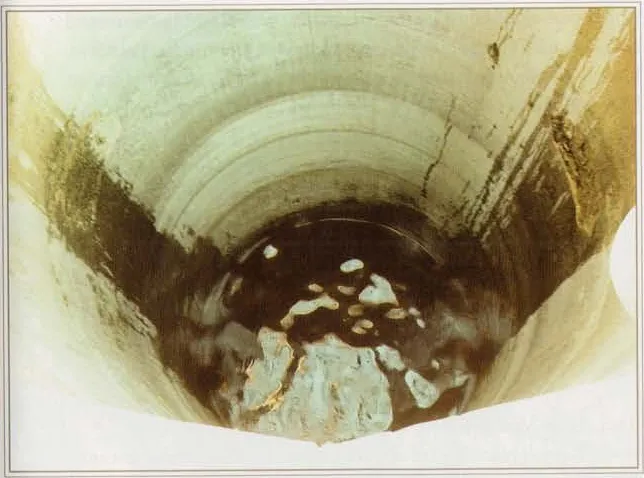
- What it is
- Veṇu-kūpa, "the well of the flute", is a well near the Bhāṇḍīravaṭa in Bhāṇḍīravana.
- Places here
- Balarāma-mukuṭa
In short
Veṇu-kūpa, "the well of the flute", is a well near the Bhāṇḍīravaṭa in Bhāṇḍīravana. The modern guidebooks say that Kṛṣṇa made it with His flute (veṇu). No scripture, Gosvāmī work, Bhakti-ratnākara or Vraja-bhakti-vilāsa passage has been found that names a Veṇu-kūpa at Bhāṇḍīravana.[1 +2] According to the guidebook Vṛndāvana-Dhāma Ki Jaya! (c. 1986), its water turns white like milk when the new moon falls on a Monday, and the local people then hold a large festival.[4 +1]
Key facts
| Kind | well |
|---|---|
| Region · area | Bhāṇḍīravana |
Divine pastimes
The guidebooks connect the well with the killing of Vatsāsura, a demon in the form of a calf. Śrīmad-Bhāgavatam (10.11) tells that Kṛṣṇa killed him while tending the calves with Balarāma and Their friends on the bank of the Yamunā, and threw him into a kapittha tree; it names no forest and tells nothing of a well.[1 +2]
kadācid yamunā-tīre vatsāṃś cārayatoḥ svakaiḥ / vayasyaiḥ kṛṣṇa-balayor jighāṃsur daitya āgamat
One day while Rāma and Kṛṣṇa, along with Their playmates, were tending the calves on the bank of the river Yamunā, another demon arrived there, desiring to kill Them.
Translation: Śrīla A.C. Bhaktivedanta Swami PrabhupādaTraditional accounts
The Vraja-bhakti-vilāsa of Śrīla Nārāyaṇa Bhaṭṭa Gosvāmī names a well among the signs of Bhāṇḍīravana, the Matsya-kūpa.
The Vraja-bhakti-vilāsa of Śrīla Nārāyaṇa Bhaṭṭa Gosvāmī names a well among the signs of Bhāṇḍīravana, the Matsya-kūpa. It gives a prayer for bathing there, which it ascribes to the Mātsya, and says that on Dhruva's birthday the well, full of milk, offers arghya, the water of welcome (summarised here, not translated). No source says whether this Matsya-kūpa is the well now called Veṇu-kūpa.[4 +1]
According to the undated parikramā notes Bhāṇḍīravana, next to Veṇu-kūpa one can see the impression of Balarāma's crown on a rock, the Balarāma-mukuṭa. Only these notes report it, so it is not certain.[6]
Songs
A verse of the Kṛṣṇa-līlā-stava in the song book praises Kṛṣṇa as the destroyer of Vatsāsura, who felled the kapittha trees; the …
A verse of the Kṛṣṇa-līlā-stava in the song book praises Kṛṣṇa as the destroyer of Vatsāsura, who felled the kapittha trees; the song book's credit of the verse to Śrīla Sanātana Gosvāmī is its own inference.[7]
Location
| Where it is | near Bhāṇḍīravaṭa[11] Bhaṇḍīravana[12] |
|---|
Places at Veṇu-kūpa (Bhāṇḍīravana)
1 places
Nearby places
Bhāṇḍīravaṭa (Bhāṇḍīravana)
Where the sources differ
Why Kṛṣṇa made the well. The local tradition that the guidebooks report is that He made it with His flute: Vṛndāvana-Dhāma Ki Jaya! (c. 1986) says that He made it so that His friends could quench their thirst, and Śrī Vraja-maṇḍala Parikramā (2007) that the women of Vraja worship it, especially for their children.[4 +3]
Accounts differ Where Vatsāsura was killed.
- Śrīmad-Bhāgavatam 10.11.41On the bank of the Yamunā, while tending the calves (no place named).
- Vṛndāvana-Dhāma Ki Jaya! (c. 1986)Told under the heading Bhadravana (quoting the Kṛṣṇa book).
- Śrī Vraja-maṇḍala Parikramā (2007)Kṛṣṇa met the gopīs near Bhāṇḍīravaṭa after killing Vatsāsura (place of the killing not stated).
- Govardhana Hill: India's Most Sacred Mountain (2001)Kṛṣṇa and Balarāma were tending the cows in the pastures near Govardhana Hill when Vatsāsura came.
Accounts differ Which well of Bhāṇḍīravana fills with milk, and when.
- Vṛndāvana-Dhāma Ki Jaya! (c. 1986)Veṇu-kūpa, whose water turns white like milk when the new moon falls on a Monday.
- Vraja-bhakti-vilāsa ch. 9 (printed p. 205)The Matsya-kūpa of Bhāṇḍīravana, full of milk on Dhruva's birthday.
The well made by Kṛṣṇa's flute is told of several places in Vraja, among them the Veṇu-kūpa of Vṛndāvana, and the books differ on whom Kṛṣṇa made the water for.
Accounts differ The well made by Kṛṣṇa's flute is told of several places.
- Śrī Vraja-maṇḍala Parikramā (2007), Vṛndāvana-Dhāma Ki Jaya! (c. 1986), the undated parikramā notes BhāṇḍīravanaVeṇu-kūpa at Bhāṇḍīravana.
- Bhakti-ratnākara, Fifth Wave p. 448; Vraja-rīti-cintāmaṇi 2.80-81A Veṇu-kūpa in Vṛndāvana (beside Brahma-kuṇḍa; east of the yoga-pīṭha), made by the flute for Kṛṣṇa's thirsty beloved(s).
- The Color Guide to Vṛndāvana (2000), the undated parikramā notes VṛndāvanaA Venu Kupa in the Sixty-four Samādhis garden of Vṛndāvana, for the cowherd boys' thirst.
- Śrī Vraja-maṇḍala Parikramā (2007)Śyāma-talaiyā near the Vaṁśīvaṭa of Bhāṇḍīravana: a pond made by the flute for the thirsty gopīs during the rāsa.
References
12 references
- Śrīmad-Bhāgavatam 10.11.41, GRETIL
- Śrīmad-Bhāgavatam 10.11.43, GRETIL
- Śrīla Prabhupāda, Kṛṣṇa, the Supreme Personality of Godhead (Kṛṣṇa book), Chapter 11, 'Killing the Demons Vatsāsura and Bakāsura' · vedabase.io
- Vṛndāvana-Dhāma Ki Jaya! (c. 1986), by Dhruva Mahārāja dāsa, PDF p. 60
- Śrīla Nārāyaṇa Bhaṭṭa Gosvāmī, Vraja-bhakti-vilāsa, chapter 9, the Bhāṇḍīravana circuit: the Matsya-kūpa (quoted 'mātsye'), printed p. 205, 1st ed., publ. Bābā Kṛṣṇadāsa, Kusuma-sarovara, Saṁvat 2008
- the undated parikramā notes Bhāṇḍīravana, ¶16
- Obeisance 32 (Sanātana Gosvāmī (as the song book credits it; book 'Krsna Lila Stava', chapter headed 'Śrīmad Bhāgavatam Canto 10, Chapter 11'; the credit is marked inferred in the song book data, author_inferred = 1)) · song book
- Śrī Vraja-maṇḍala Parikramā (2007), PDF p. 254
- the undated parikramā notes Bhāṇḍīravana, ¶13
- the undated parikramā notes Bhāṇḍīravana, ¶14
- Śrī Vraja-maṇḍala Parikramā (2007), p. 482-483
- Vṛndāvana-Dhāma Ki Jaya! (c. 1986), by Dhruva Mahārāja dāsa, p. 42