यहाँ स्वतंत्र स्रोतों के आधार पर विद्याधिराज तीर्थ का अधिक विस्तृत विवरण दिया गया है। वे उत्तरादि मठ के सातवें पीठाधीश, अर्थात् प्रमुख, थे। दो गौड़ीय-परम्परा संकलन, और बी. एन. के. शर्मा का शोध-ग्रंथ, उन्हें विद्यानिधि मानते हैं। इनमें से कोई भी बात इस पहचान को सिद्ध नहीं करती। यह एक तर्कपूर्ण व्याख्या है, लिखित तथ्य नहीं। लेकिन यदि यह पहचान सही है, तो गौड़ीय परम्परा के "विद्यानिधि" वास्तव में यही व्यक्ति थे।
| विवरण | जानकारी |
|---|---|
| स्थान | उत्तरादि मठ के सातवें पीठाधीश; जयतीर्थ के प्रत्यक्ष शिष्य और सीधे उत्तराधिकारी |
| जन्म-नाम | मठ की अपनी परम्परा और सर्वज्ञ-काशी-स्तोत्र के अनुसार "कृष्ण भट्ट" / "कृष्णभट्ट"; पुरानी गुरुचर्या के अनुसार "नृसिंह शास्त्री" |
| पारिवारिक पृष्ठभूमि | गुरुचर्या के अनुसार दक्षिण भारत का बडगनाडु कर्नाटक ब्राह्मण परिवार; ब्रह्मचर्य (ब्रह्मचारी जीवन) से सीधे दीक्षा, शास्त्रों में पहले से ही विद्वान |
| दीक्षा-गुरु | जयतीर्थ; उन्होंने अपने देह-त्याग से लगभग एक वर्ष पहले दीक्षा दी |
| पीठाधीश-काल | पारम्परिक मठ-सूचियाँ: 64 वर्षों का शासन (शर्मा ने इसे असम्भव मानकर अस्वीकार किया)। गुरुचर्या/गुरुचरित: 3 वर्ष, 9 माह, 13 दिन (शर्मा ने इसे बहुत कम मानकर अस्वीकार किया)। शर्मा का अपना संशोधित अनुमान: लगभग 1388-1412 ईस्वी, लगभग 24 वर्ष |
| ग्रंथ | छांदोग्य-भाष्य-टीका (केवल अप्रत्यक्ष प्रमाण); गीता-विवृति, भगवद्गीता पर टीका (2 पांडुलिपियाँ, मैसूर ओरिएंटल लाइब्रेरी); विष्णु-सहस्रनाम-भाष्य, इस ग्रंथ पर ज्ञात सबसे पुरानी द्वैत टीका (1 पांडुलिपि, मैसूर ओरिएंटल लाइब्रेरी, लगभग 1,650 श्लोक) |
| शिलालेखीय प्रमाण | मद्रास प्रेसिडेंसी के एक शिलालेख (उडुपी तालुक, क्रमांक 241) में दर्ज है कि विजयनगर के शासक देवराज महाराय ने उन्हें 200 सेंट भूमि दान में दी |
| शिष्य | पहले राजेन्द्र तीर्थ को दीक्षा दी; बाद में कवीन्द्र तीर्थ को, जिनकी परम्परा उत्तरादि मठ बनी |
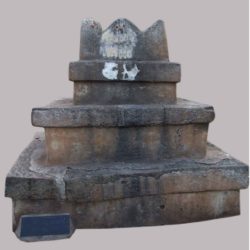
| समाधि (माध्व परम्परा में इसे वृन्दावन कहते हैं) | एर्गोला / यारगोला, मलखेड के निकट, एक झील के किनारे। कई पीढ़ियों बाद यहीं रामचंद्र तीर्थ की, और विद्यानिधि तीर्थ नाम के एक दूसरे, बाद के पीठाधीश की भी समाधि बनी (देखें उत्तरादि परम्परा में एक दूसरा विद्यानिधि) |
एक विवादित नाम, एक विवादित शासन-अवधि #
द्वैत परम्परा के अपने स्रोतों में भी विद्याधिराज तीर्थ की पहचान पूरी तरह निश्चित नहीं है। मठ की वर्तमान आधिकारिक जीवनी और पुरानी सर्वज्ञ-काशी-स्तोत्र परम्परा के अनुसार संन्यास से पहले उनका नाम कृष्ण भट्ट था। गुरुचर्या एक पुराना स्रोत है, जिसे शर्मा उनके व्यक्तिगत जीवन के विवरणों के लिए अधिक विश्वसनीय मानते हैं। यह उनका नाम नृसिंह शास्त्री बताती है, और उनके परिवार को बडगनाडु कर्नाटक ब्राह्मणों में रखती है। दोनों परम्पराएँ इस बात पर सहमत हैं कि जयतीर्थ ने उन्हें सीधे दीक्षा दी। वे उस बीच वाले चरण से नहीं गुज़रे, जिससे कुछ अन्य माध्व संन्यासी गुज़रते थे। दोनों यह भी मानती हैं कि यह जयतीर्थ के देह-त्याग से लगभग एक वर्ष पहले हुआ।
उनके कार्यकाल की अवधि पर तो और भी अधिक मतभेद है। मठ के बाद के चरम-श्लोक पद्य उन्हें चौंसठ वर्षों का शासन देते हैं। ये पीठाधीशों की याद में रचे गए औपचारिक श्लोक हैं। माना जाता है कि हर पीठाधीश के ठीक बाद वाले उत्तराधिकारी ने उनके लिए ये श्लोक रचे थे। बी. एन. के. शर्मा इस आँकड़े को साफ़ अस्वीकार करते हैं। शर्मा बताते हैं कि किसी समय मठ की उत्तराधिकार-सूचियों ने मध्वाचार्य के जन्म-वर्ष को साठ-साठ वर्षों के दो पूरे चक्र पीछे कर दिया। इससे पहले और बाद के पीठाधीशों के बीच लगभग 120 वर्षों का अंतर बन गया। परम्परा ने इस अंतर को चुपचाप भर दिया। उसने एक-दो पीठाधीशों को साठ वर्ष से भी लम्बे "शासन-काल" दे दिए, जो विश्वसनीय नहीं हैं। विद्याधिराज उनमें से एक हैं। संयोग से एक दूसरे, बाद के विद्यानिधि तीर्थ भी उनमें हैं (नीचे देखें)। दूसरी ओर, पुराने गुरुचर्या और गुरुचरित ग्रंथ विद्याधिराज को केवल तीन वर्ष, नौ माह और तेरह दिन देते हैं। शर्मा के विचार में यह उस जीवन के लिए बहुत कम है, जिसमें, उनके अपने वर्णन के अनुसार, "अद्वैतियों के साथ निरंतर शास्त्रार्थ" हुआ और कम से कम तीन अलग विद्वत्तापूर्ण ग्रंथ लिखे गए। प्रमाणों को तौलकर शर्मा अपना अनुमान लगभग चौबीस वर्ष देते हैं। इसके अनुसार विद्याधिराज लगभग 1388-1412 ईस्वी तक पीठाधीश रहे। इस साइट पर उनकी तिथियाँ इसी आँकड़े के अनुसार दी गई हैं। लेकिन यह शर्मा का अपना तर्कपूर्ण पुनर्निर्माण है, कोई ऐसा तथ्य नहीं जिसे सब मानते हों।
भीमा नदी पर एक कथा #
मठ की अपनी आधिकारिक जीवनी में विद्याधिराज की यात्राओं की एक विशेष कथा सुरक्षित है। उत्तर भारत की यात्रा के समय वे काशी जाकर गंगा में पवित्र स्नान करना चाहते थे। लेकिन देवी गंगा ने उन्हें स्वप्न में दर्शन देकर बताया कि इसकी आवश्यकता नहीं है। वे स्वयं अगले ही दिन भीमा नदी में प्रकट होंगी। कथा के अनुसार वैसा ही हुआ, और विद्याधिराज तथा उनके शिष्यों ने देवी के सम्मान में भीमा नदी में पूजा और स्नान किया। यह कथा यहाँ मठ की अपनी भक्ति-स्मृति के रूप में दी गई है, ऐसे इतिहास के रूप में नहीं जिसकी स्वतंत्र जाँच हो सके।
तीन ग्रंथ, एक वास्तव में अग्रणी #
विद्याधिराज तीर्थ को तीन ग्रंथों का श्रेय दिया जाता है। पहला, छांदोग्य उपनिषद् पर एक उप-टीका है। इसका पता केवल एक बाद के लेखक के संक्षिप्त उल्लेख से चलता है। शर्मा बताते हैं कि यह उल्लेख शायद मिलते-जुलते नाम वाले किसी दूसरे लेखक के बारे में हो। इसलिए यह निश्चित नहीं है कि इसे विद्याधिराज ने ही लिखा था। भगवद्गीता पर उनकी टीका, गीता-विवृति, मैसूर ओरिएंटल लाइब्रेरी में दो पांडुलिपियों में सुरक्षित है। शर्मा ने स्वयं इनमें से एक को देखा था। वे बताते हैं कि यह टीका मध्व के अपने गीता-भाष्य का बहुत निकट से अनुसरण करती है, और कहीं-कहीं तो "लगभग पुनरावर्तन मात्र" है। इसका अर्थ है कि वहाँ पुरानी सामग्री को ही नए ढंग से दोहराया गया है। फिर भी लेखन-शैली की सरलता और स्पष्टता में वे इसकी तुलना जयतीर्थ से करते हैं। भारतीय दर्शन के इतिहासकार सुरेन्द्रनाथ दासगुप्त ने भी अपने कई खंडों वाले इतिहास-ग्रंथ में इसे उद्धृत किया है।
उनका तीसरा और सबसे महत्वपूर्ण ग्रंथ विष्णु-सहस्रनाम, अर्थात् विष्णु के हज़ार नामों, पर एक टीका है। यह मैसूर ओरिएंटल लाइब्रेरी में लगभग 1,650 श्लोकों की एक देवनागरी पांडुलिपि में सुरक्षित है। शर्मा का शोध-ग्रंथ और मठ की अपनी आधिकारिक वेबसाइट, दोनों अलग-अलग इसे विष्णु-सहस्रनाम पर ज्ञात सबसे पुरानी द्वैत टीका बताते हैं। शर्मा के अनुसार यह टीका हज़ार नामों में से हर नाम की व्युत्पत्ति, अर्थात् शब्द के मूल और अर्थ, पर गहरा ध्यान देती है। लेकिन नामों के व्याकरणिक विश्लेषण में इसकी रुचि अपेक्षाकृत कम है। मध्व के अपने सिद्धान्त में विष्णु-सहस्रनाम को बहुत ऊँचा स्थान दिया गया है। इसलिए यह टीका सम्भवतः द्वैत साहित्य में विद्याधिराज का सबसे स्थायी व्यक्तिगत योगदान है, चाहे "विद्यानिधि" के साथ उनकी पहचान का प्रश्न जैसे भी सुलझे।
दो शिष्य, और एक पारिवारिक विवरण #
विद्याधिराज के कार्यकाल को उनके लेखन से भी अधिक महत्वपूर्ण बनाने वाली घटना माध्व मठों का पहला विभाजन है। यह उनके जीवन के अंत में हुआ। मठ का अपना विवरण और बी. एन. के. शर्मा का शोध-आधारित विवरण घटनाओं की मोटी रूपरेखा पर सहमत हैं। लेकिन कुछ बातों में वे अलग हैं, और इन अंतरों को छिपाने के बजाय ईमानदारी से बताना उचित है। मठ के संस्करण के अनुसार, विद्याधिराज ने एक बीमारी के समय पहले राजेन्द्र तीर्थ को अपना उत्तराधिकारी बनाने के लिए दीक्षा दी। फिर वे स्वस्थ हो गए और उन्होंने राजेन्द्र तीर्थ को तुरंत पीठ पर स्थापित नहीं किया। जब दूसरी बार बीमारी आई और राजेन्द्र तीर्थ समय पर नहीं मिल पाए, तो विद्याधिराज ने एक दूसरे शिष्य, कवीन्द्र तीर्थ, को दीक्षा दी। उन्होंने पूरी संस्था (पीठ, विग्रह और सम्पत्तियाँ) कवीन्द्र तीर्थ को सौंप दी। शर्मा का संस्करण गुरुचर्या पर आधारित है। इसके अनुसार विद्याधिराज ने हेविलम्बी संवत्सर में पहले राजेन्द्र तीर्थ को दीक्षा दी। बाद में जब उनका स्वास्थ्य बिगड़ने लगा, तो उन्होंने राजेन्द्र तीर्थ को लौटने का संदेश भेजा। लेकिन राजेन्द्र तीर्थ उस समय यात्रा पर थे और समय पर वापस नहीं आ पाए। कोई उत्तराधिकारी अभी औपचारिक रूप से स्थापित नहीं हुआ था, इसलिए विद्याधिराज ने कवीन्द्र तीर्थ को दीक्षा दे दी। दोनों संस्करण इस बात पर सहमत हैं कि राजेन्द्र तीर्थ को पहले दीक्षा मिली थी और वे कवीन्द्र तीर्थ से आयु में बड़े थे। मठ का बाद का, कवीन्द्र तीर्थ से जुड़ा चरम-श्लोक इस वरिष्ठता को धुंधला कर देता है। शर्मा इसे "भ्रामक" और "दुर्भाग्यपूर्ण" कहते हैं।
एक विवरण केवल कवीन्द्र तीर्थ पर मठ की अपनी आधिकारिक जीवनी में मिलता है, शर्मा की पुस्तक में नहीं। इसके अनुसार कवीन्द्र तीर्थ संन्यास लेने से पहले, पूर्वाश्रम में, राजेन्द्र तीर्थ के सगे भाई थे। यदि यह सत्य है, तो यह विभाजन केवल मठ के भीतर समय का एक संयोग नहीं था। वास्तव में यह दो भाइयों में से एक को चुनने का निर्णय था। इनमें से एक भाई ने आगे चलकर वह परम्परा स्थापित की जो सोसले में व्यासराज मठ बनी, और दूसरे ने वह परम्परा जो स्वयं उत्तरादि मठ बनी। यह विवरण केवल एक ही स्रोत में मिलता है, इसलिए इसे इसी सावधानी के साथ पढ़ना चाहिए।
विद्याधिराज तीर्थ का देह-त्याग एर्गोला (जिसे यारगोला या यारगोल भी कहा जाता है) में हुआ। यह स्थान वाडी-रायचूर रेल-खंड पर नालवर से लगभग चार मील दूर है, और यहीं उनके अवशेष समाधिस्थ हैं। बी. एन. के. शर्मा 28 फरवरी 1975 को स्वयं इस स्थान पर गए थे। उन्होंने लिखा कि वहाँ एक झील के किनारे उस समय जो समाधियाँ दिखाई देती थीं, उनमें से केवल रामचंद्र तीर्थ और एक बाद के विद्यानिधि तीर्थ की समाधियाँ ही साफ़ पहचानी जा सकीं। शर्मा के विचार में विद्याधिराज की अपनी समाधि, और राजेन्द्र तीर्थ आदि की समाधियाँ, सम्भवतः पास के पुराने नगर के खंडहरों में ही कहीं हैं।
