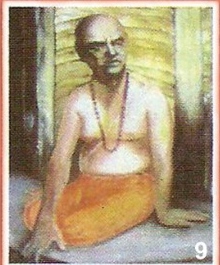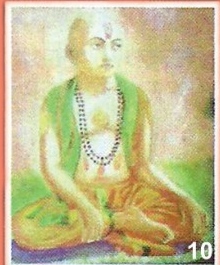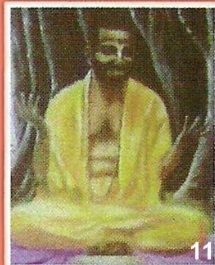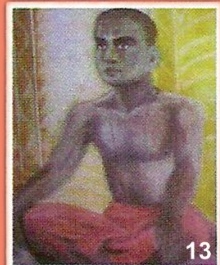
श्री विद्यानिधि
गौड़ीय सूची में राजेन्द्र तीर्थ के गुरु
अन्य नाम विद्यानिधि तीर्थ; संभवतः उडुपी मठ के 7वें पीठाधीश विद्याधिराज तीर्थ के समान (नीचे देखें), बाद के श्रील पुण्डरीक विद्यानिधि से भ्रमित न करें
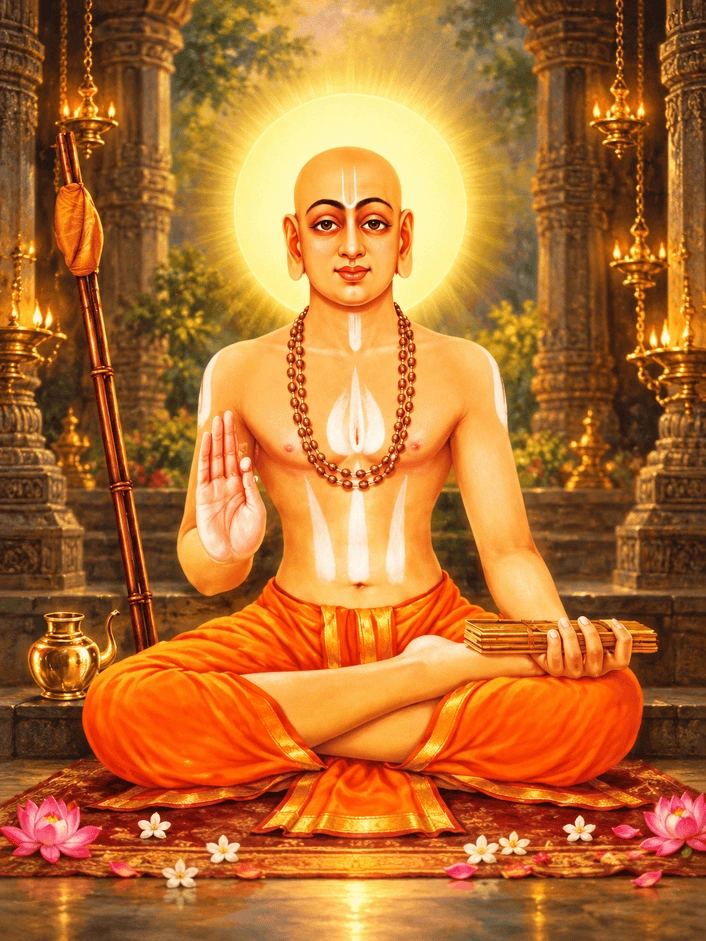
श्री विद्यानिधि पारम्परिक गौड़ीय गुरु-परम्परा की सूची में तेरहवें स्थान पर हैं। उन्हें दयानिधि का शिष्य और राजेन्द्र तीर्थ का गुरु बताया गया है। इन विद्यानिधि को श्रील पुण्डरीक विद्यानिधि से नहीं मिलाना चाहिए। पुण्डरीक विद्यानिधि गदाधर पंडित के गुरु और श्री चैतन्य महाप्रभु के समकालीन थे। वे बिल्कुल अलग व्यक्ति थे, और उनका इन विद्यानिधि से कोई सम्बन्ध नहीं था। यदि इस सूची की तिथियाँ सही हैं, तो वे यहाँ बताए गए विद्यानिधि से कई पीढ़ियों बाद हुए।
स्थान पर सहमति, पहले की हर बात पर नहीं #
ठीक पहले वाला नाम विवादित है (देखें दयानिधि)। लेकिन विद्यानिधि के अपने स्थान पर इस सूची के दो मुख्य गौड़ीय-परम्परा स्रोतों में कोई विवाद नहीं है। श्रील भक्तिसिद्धांत सरस्वती ठाकुर की भक्ति-रचना "श्री गुरु-परम्परा" में कहा गया है: "ताहा होइते दयानिधि, तार दास विद्यानिधि, राजेन्द्र होइलो ताहा ह'ते", अर्थात् "उनसे [ज्ञानसिन्धु से] दयानिधि आए; उनके सेवक विद्यानिधि थे; और उनसे राजेन्द्र प्रकट हुए।" कवि कर्णपुर की पुरानी *श्री गौर-गणोद्देश-दीपिका* (श्लोक 22) एक पीढ़ी पहले का नाम अलग ("महानिधि") देती है। फिर भी इस कड़ी पर वह पूरी तरह सहमत है: "महानिधि के शिष्य विद्यानिधि थे। विद्यानिधि के शिष्य राजेन्द्र थे।" दोनों स्रोत उन्हें राजेन्द्र तीर्थ से ठीक पहले रखते हैं।
| विवरण | जानकारी |
|---|---|
| गौड़ीय सूची में स्थान | दयानिधि (या महानिधि) के शिष्य; राजेन्द्र तीर्थ के गुरु। जिन दो गौड़ीय-परम्परा स्रोतों की जाँच की गई, दोनों इस पर सहमत हैं |
| सम्भावित स्वतंत्र पहचान | दो गौड़ीय-परम्परा संकलन सीधे कहते हैं कि वे विद्याधिराज तीर्थ हैं। यदि ऐसा है, तो वे मूल उडुपी मठ के सातवें पीठाधीश थे, जिनका विवरण स्वतंत्र स्रोतों में भी मिलता है। उनका जन्म लगभग 1269 ईस्वी में कृष्ण भट्ट के नाम से हुआ था |
| यदि विद्याधिराज मानें तो गुरु | स्वतंत्र स्रोतों और बी. एन. के. शर्मा के शोध-ग्रंथ के अनुसार सीधे जयतीर्थ। इसलिए ज्ञानसिन्धु या दयानिधि को बीच में अलग पीठाधीश मानने की कोई लिखित गुंजाइश नहीं बचती |
| शिष्य | राजेन्द्र तीर्थ, हर जाँची गई व्याख्या में |
| इनसे भ्रमित न करें | श्रील पुण्डरीक विद्यानिधि, गदाधर पंडित के गुरु और श्री चैतन्य महाप्रभु के समकालीन; बहुत बाद के और इनसे असम्बद्ध व्यक्ति |
विद्याधिराज तीर्थ के साथ एक पहचान #
दो स्वतंत्र गौड़ीय-परम्परा संकलन केवल विद्यानिधि का नाम लेकर नहीं रुकते। दोनों उन्हें विद्याधिराज तीर्थ मानते हैं, जो उडुपी के मूल माध्व मठ के सातवें पीठाधीश, अर्थात् प्रमुख, थे। वैदिक एन्साइक्लोपीडिया की अपनी क्रमांकित गुरु-परम्परा सूची इस स्थान को "13. विद्याधिराज (विद्यानिधि) तीर्थ" कहती है। gaudiyahistory.iskcondesiretree.com का इस व्यक्ति पर पृष्ठ भी शुरू से अंत तक "विद्यानिधि" और "विद्याधिराज" को एक ही व्यक्ति के दो नाम मानता है। इस तरह देखें, तो विद्यानिधि कोई ऐसा अलग व्यक्ति नहीं हैं जिनका कहीं और कोई विवरण न मिलता हो। यह इस परम्परा में एक वास्तविक पीठाधीश का ही नाम है, जिनका जीवन स्वतंत्र स्रोतों में भी दर्ज है। उनका जन्म कृष्ण भट्ट के रूप में हुआ था, और जयतीर्थ ने उन्हें दीक्षा दी थी। उन्हें भगवद्गीता पर एक टीका का श्रेय दिया जाता है। द्वैत परम्परा के अनुसार, विष्णु-सहस्रनाम पर पहली दर्ज द्वैत टीका का श्रेय भी उन्हीं को है। उन्हें माध्व मठों के ऐतिहासिक विभाजन के लिए भी याद किया जाता है। उनकी गम्भीर बीमारी, और उनके इच्छित उत्तराधिकारी तक बहुत देर से पहुँचे एक संदेश, के कारण ही यह विभाजन हुआ। इससे मठ दो भागों में बँट गए: उत्तरादि मठ, और वह शाखा जिसका नाम बाद में व्यासराज मठ पड़ा।
लेकिन यह पहचान उसी स्वतंत्र अभिलेख से ठीक से मेल नहीं खाती, जिस पर यह आधारित है। स्वतंत्र स्रोत विद्याधिराज तीर्थ के गुरु के रूप में केवल जयतीर्थ का नाम लेते हैं, और बीच में कोई पीठाधीश नहीं बताते। बी. एन. के. शर्मा का द्वैत सम्प्रदाय पर शोध-ग्रंथ भी दर्ज उत्तराधिकार में ज्ञानसिन्धु या दयानिधि के लिए बीच में कोई स्थान नहीं छोड़ता। यदि विद्यानिधि सचमुच विद्याधिराज ही हैं, तो गौड़ीय सूची में जयतीर्थ और उनके बीच आने वाले दो नामों, ज्ञानसिन्धु और दयानिधि, में से कोई भी उस मठ-परम्परा का पीठाधीश नहीं हो सकता था। अधिक से अधिक वे जयतीर्थ के दूसरे शिष्य रहे होंगे, जो कभी पीठ पर नहीं बैठे, लेकिन जिन्हें भक्तों की स्मृति में सम्मान मिला। वैदिक एन्साइक्लोपीडिया के संकलक स्वयं भी यह सम्भावना उठाते हैं।
एक स्वतंत्र विद्वत्तापूर्ण निर्णय #
ऊपर दी गई पहचान शुरू में केवल इस बात पर आधारित थी कि दो गौड़ीय-परम्परा संकलन एक ही बात कहते हैं। बी. एन. के. शर्मा का शोध-ग्रंथ *हिस्ट्री ऑफ द द्वैत स्कूल ऑफ वेदान्त एंड इट्स लिटरेचर* भी लगभग यही बात कहता है, और वह भी एक पूरी तरह स्वतंत्र, गैर-गौड़ीय दृष्टि से। कवि कर्णपुर और बलदेव विद्याभूषण द्वारा दर्ज गुरु-परम्परा की चर्चा करते हुए शर्मा साफ़ लिखते हैं कि "ज्ञानसिन्धु और दयानिधि नाम जयतीर्थ के उत्तराधिकारियों में कहीं नहीं मिलते," और आगे जोड़ते हैं:
"विद्यानिधि स्पष्टतः विद्याधिराज के लिए एक भूल है, और जयधर्म जयध्वज का ही एक रूपांतर है।" (बी. एन. के. शर्मा, *हिस्ट्री ऑफ द द्वैत स्कूल ऑफ वेदान्त एंड इट्स लिटरेचर*, पृष्ठ 525)
शर्मा बीसवीं सदी के एक द्वैत-परम्परा इतिहासकार थे। उन्होंने मठ के अपने उत्तराधिकार-अभिलेखों के आधार पर काम किया, किसी गौड़ीय भक्ति-स्रोत के आधार पर नहीं। इसलिए उनकी यह टिप्पणी इस पहचान के लिए वास्तविक स्वतंत्र समर्थन है। यह प्रमाण नहीं है, क्योंकि शर्मा इसे अपना तर्कपूर्ण अनुमान बताते हैं, लिखित तथ्य नहीं। लेकिन यह एक दूसरी आवाज़ है, जिसके अपने अलग कारण हैं, और जो उसी निष्कर्ष पर पहुँचती है।
श्री उत्तरादि मठ की अपनी आधिकारिक वेबसाइट उस व्यक्ति के जीवन के बारे में वास्तविक विवरण जोड़ती है, जिसकी ओर यह पहचान संकेत करती है। परम्परा के अलग-अलग स्रोत विद्याधिराज तीर्थ का पूर्व-नाम अलग-अलग बताते हैं। मठ की वर्तमान जीवनी उनका नाम "कृष्ण भट्ट" बताती है। शर्मा ने सर्वज्ञ-काशी-स्तोत्र परम्परा का जो उल्लेख किया है, उसमें भी यही नाम है। लेकिन पुरानी गुरुचर्या उन्हें "नृसिंह शास्त्री" कहती है। गुरुचर्या उनके परिवार को दक्षिण भारत के बडगनाडु कर्नाटक ब्राह्मणों में रखती है। वह यह भी बताती है कि उन्हें ब्रह्मचर्य आश्रम से सीधे दीक्षा दी गई, और संन्यास लेने से पहले ही वे शास्त्रों के बड़े विद्वान थे। मठ के अपने वृत्तांत के अनुसार जयतीर्थ ने अपने देह-त्याग से लगभग एक वर्ष पहले उन्हें दीक्षा दी। मठ की जीवनी एक विशेष कथा भी सुरक्षित रखती है। उत्तर भारत की यात्रा के समय उन्हें स्वप्न में बताया गया कि उन्हें काशी में गंगा तक जाने की आवश्यकता नहीं है, क्योंकि देवी स्वयं भीमा नदी में उन्हें दर्शन देंगी। कथा के अनुसार, अगले ही दिन वैसा ही हुआ।
विद्याधिराज कितने वर्ष मठ के प्रमुख रहे, इस पर परम्परा के भीतर ही मतभेद है। मठ के बाद के "चरम-श्लोक" पद्य उन्हें चौंसठ वर्षों का शासन-काल देते हैं, जो सम्भव नहीं लगता। बी. एन. के. शर्मा इस आँकड़े को साफ़ अस्वीकार करते हैं। उनके विचार में यह आँकड़ा घटनाओं के सदियों बाद जोड़ा गया, ताकि तिथियों में बने लगभग 120 वर्षों के एक अंतर को भरा जा सके। यह अंतर तब बना, जब मठ की सूचियों ने मध्वाचार्य के जन्म-वर्ष को 60 वर्षों के दो पूरे चक्र पीछे कर दिया। दूसरी ओर, पुराने गुरुचर्या और गुरुचरित ग्रंथ विद्याधिराज को केवल तीन वर्ष, नौ माह और तेरह दिन देते हैं। शर्मा के विचार में यह उस जीवन के लिए बहुत कम है, जिसमें तीन अलग विद्वत्तापूर्ण ग्रंथ लिखे गए और जिसके कारण वे "अद्वैतियों के साथ निरंतर शास्त्रार्थ" के लिए प्रसिद्ध हुए। दोनों आँकड़ों को तौलकर शर्मा अपना अनुमान लगभग चौबीस वर्ष देते हैं। इसके अनुसार विद्याधिराज लगभग 1388-1412 ईस्वी तक पीठाधीश रहे।
विद्याधिराज तीर्थ को तीन ग्रंथों का श्रेय दिया जाता है। पहला, छांदोग्य उपनिषद् पर एक उप-टीका है। इसका पता केवल इसलिए चलता है कि एक बाद के लेखक ने इसका उल्लेख किया है। हो सकता है कि इसका श्रेय उन्हें भूल से दिया गया हो। दूसरा, भगवद्गीता पर उनकी टीका गीता-विवृति है, जो मैसूर ओरिएंटल लाइब्रेरी में दो पांडुलिपियों में सुरक्षित है। शर्मा बताते हैं कि यह टीका मध्व के अपने गीता-भाष्य का बहुत निकट से अनुसरण करती है, और कहीं-कहीं तो "लगभग पुनरावर्तन मात्र" है, अर्थात् पुरानी सामग्री को ही फिर से नए ढंग से रखा गया है। फिर भी भारतीय दर्शन के इतिहासकार सुरेन्द्रनाथ दासगुप्त ने भी इसे उद्धृत किया है। तीसरा, विष्णु-सहस्रनाम पर एक टीका है। यह लगभग 1,650 श्लोकों की एक पांडुलिपि है, जो मैसूर ओरिएंटल लाइब्रेरी में ही सुरक्षित है। शर्मा और मठ की अपनी वेबसाइट, दोनों इसे विष्णु-सहस्रनाम पर ज्ञात सबसे पुरानी द्वैत टीका बताते हैं। मद्रास प्रेसिडेंसी के एक शिलालेख (उडुपी तालुक, संख्या 241) में एक भूमि-दान भी दर्ज है। इसके अनुसार विजयनगर काल के शासक देवराज महाराय ने मठ के खर्च के लिए विद्याधिराज तीर्थ को दो सौ सेंट भूमि दी। यह उनके ऐतिहासिक कार्य का एक दुर्लभ प्रमाण है, जो केवल ग्रंथों से नहीं, बल्कि एक शिलालेख से भी मिलता है।
इस सामग्री से राजेन्द्र तीर्थ के अपने पृष्ठ पर उठा उत्तराधिकार का प्रश्न भी अधिक स्पष्ट हो जाता है। कवीन्द्र तीर्थ वह शिष्य थे, जिन्हें राजेन्द्र तीर्थ के स्थान पर दीक्षा दी गई। कवीन्द्र तीर्थ पर श्री उत्तरादि मठ के अपने विवरण के अनुसार, वे संन्यास लेने से पहले, पूर्वाश्रम में, राजेन्द्र तीर्थ के सगे भाई थे। शर्मा की पुस्तक में यह विवरण नहीं मिलता। यदि यह सत्य है, तो यह पूरी घटना एक पारिवारिक विषय भी थी। अंत में राजेन्द्र तीर्थ के बजाय कवीन्द्र तीर्थ को ही पीठ पर क्यों स्थापित किया गया, इस पर मठ का अपना विवरण और शर्मा का शोध-आधारित विवरण थोड़ा अलग हैं। मठ के संस्करण के अनुसार, विद्याधिराज ने पहले राजेन्द्र तीर्थ को दीक्षा दी। फिर वे अपनी पहली बीमारी से स्वस्थ हो गए और उन्होंने राजेन्द्र तीर्थ को पीठ पर स्थापित करने में देर की। जब दूसरी बार बीमारी आई और राजेन्द्र तीर्थ फिर से बाहर थे, तभी उन्होंने कवीन्द्र तीर्थ को चुना। शर्मा का संस्करण गुरुचर्या पर आधारित है। इसके अनुसार जब विद्याधिराज का स्वास्थ्य बिगड़ने लगा, तो उन्होंने राजेन्द्र तीर्थ को लौटने का संदेश भेजा। लेकिन राजेन्द्र तीर्थ समय पर यात्रा से वापस नहीं आ पाए, इसलिए विद्याधिराज ने कवीन्द्र तीर्थ को दीक्षा दे दी। दोनों संस्करण इस बात पर सहमत हैं कि राजेन्द्र तीर्थ को पहले दीक्षा मिली थी और वे आयु में बड़े थे। दोनों यह भी मानते हैं कि इसी घटना से माध्व मठों का पहला विभाजन हुआ। पूरा विवरण विद्याधिराज तीर्थ: पूर्ण अभिलेख में दिया गया है।
बाद के एक दूसरे विद्यानिधि तीर्थ: अलग रखने योग्य चौथा नाम #
इससे पहले तीन नामों की चर्चा हो चुकी है: स्वयं विद्यानिधि (गौड़ीय सूची का तेरहवाँ नाम), श्रील पुण्डरीक विद्यानिधि (चैतन्य महाप्रभु के समकालीन, बहुत बाद के और इनसे असम्बद्ध व्यक्ति), और ऊपर बताई गई विद्याधिराज तीर्थ के साथ सम्भावित पहचान। श्री उत्तरादि मठ की अपनी आधिकारिक उत्तराधिकार-सूची एक चौथा नाम जोड़ती है। वे एक वास्तविक पीठाधीश थे, जिनका विवरण अलग से दर्ज है, और जिनका आधिकारिक नाम ही "श्री विद्यानिधि तीर्थ" था। लेकिन इन दोनों विद्यानिधियों में से किसी से उनका कोई सम्बन्ध नहीं है। ये चौथे विद्यानिधि मठ की अपनी क्रमांकित सूची में ग्यारहवें नाम हैं। वे विद्याधिराज तीर्थ से पूरे चार पीठाधीश बाद आते हैं (विद्याधिराज, 7वें; कवीन्द्र तीर्थ, 8वें; वागीश तीर्थ, 9वें; रामचंद्र तीर्थ, 10वें; विद्यानिधि तीर्थ, 11वें)।
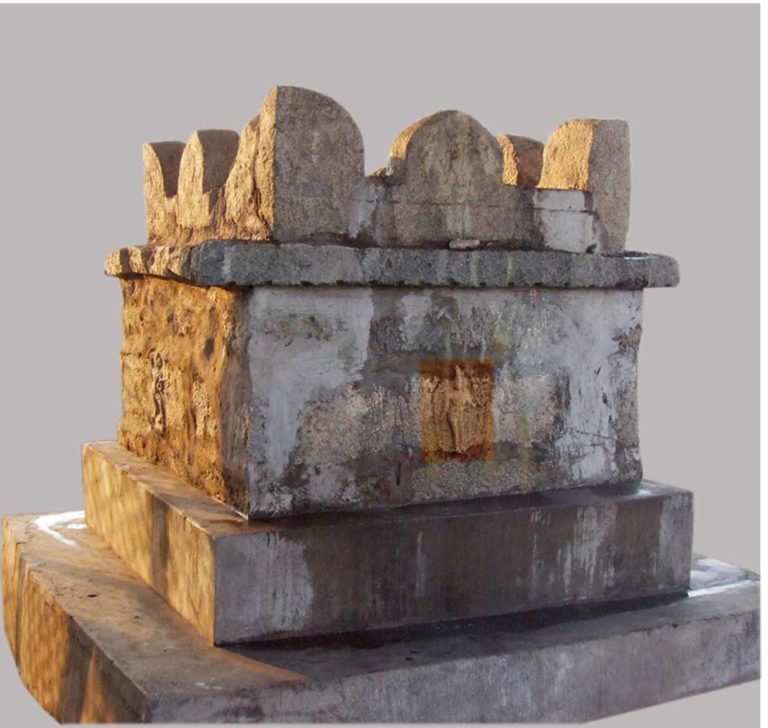
इन विद्यानिधि तीर्थ की अपनी आधिकारिक जीवनी, और इन्हीं घटनाओं पर बी. एन. के. शर्मा का स्वतंत्र वृत्तांत, एक बिल्कुल अलग और बहुत बाद के उत्तराधिकार-प्रश्न का वर्णन करते हैं। जब रामचंद्र तीर्थ गम्भीर रूप से बीमार पड़े, तब तक वे एक शिष्य, कम्भालूरी नरसिंहाचार्य, को संन्यास दे चुके थे। उन्होंने उनका नाम विभुदेन्द्र तीर्थ रखा था और उन्हें अगला पीठाधीश बनाना चाहते थे। लेकिन रामचंद्र तीर्थ ने उन्हें तुरंत पीठ पर स्थापित करने के बजाय यात्रा पर भेज दिया। जब रामचंद्र तीर्थ का स्वास्थ्य फिर बिगड़ा और विभुदेन्द्र तीर्थ समय पर नहीं मिल पाए, तो इन ग्यारहवें विद्यानिधि तीर्थ को दीक्षा दी गई। यारगोला (एर्गोला या यारगोल भी) की एक स्थानीय परम्परा तो यहाँ तक कहती है कि जब विभुदेन्द्र तीर्थ अंत में लौटे, तो दोनों दावेदारों के बीच प्रार्थना की एक प्रतियोगिता से मामला सुलझाया गया। शर्मा इन विद्यानिधि तीर्थ का शासन-काल लगभग 1430 ईस्वी बताते हैं। शर्मा की तिथियों के अनुसार यह विद्याधिराज तीर्थ के पीठाधीश-काल की समाप्ति के लगभग दो दशक बाद का समय है। इनकी अपनी समाधि यारगोला में ही है, जैसे रामचंद्र तीर्थ की, और शर्मा के अनुसार स्वयं विद्याधिराज तीर्थ की भी। इनका अपना चरम-श्लोक पद्य इन्हें अड़सठ वर्षों का शासन-काल देता है, जो संदेहजनक रूप से लम्बा है। शर्मा इसे उसी कारण से अस्वीकार करते हैं जिस कारण वे विद्याधिराज के चौंसठ वर्षों वाले आँकड़े को अस्वीकार करते हैं। वे इसे तिथियों के उसी अंतर को भरने की बाद की एक युक्ति मानते हैं। गुरुचर्या इससे कहीं छोटा आँकड़ा देती है: सात वर्ष, नौ माह और तेरह दिन।
ये ग्यारहवें विद्यानिधि तीर्थ गौड़ीय गुरु-परम्परा सूची वाले विद्यानिधि नहीं हैं, और अभिलेख में ऐसा कुछ नहीं है जिससे उन्हें वही माना जा सके। वे रामचंद्र तीर्थ के उत्तराधिकारी थे, दयानिधि के नहीं। और उनके बाद रघुनाथ तीर्थ आए, राजेन्द्र तीर्थ नहीं। इस तरह संस्था के इतिहास में उनका स्थान भी बिल्कुल अलग है, और उनकी पीढ़ी भी। उनका उल्लेख यहाँ केवल एक आवश्यक सावधानी के रूप में किया गया है। "विद्यानिधि", "विद्याधिराज" की तरह, लगभग एक सामान्य पीठाधीश-नाम प्रतीत होता है, जिसे शताब्दियों तक अलग-अलग माध्व मठों ने बार-बार अपनाया। (शर्मा की अपनी वंशावली-तालिकाएँ आठ मूल उडुपी मठों में से कम से कम तीन में अलग-अलग क्रमांकित "विद्यानिधि" पीठाधीश दिखाती हैं, उत्तरादि मठ के अपने दो के अतिरिक्त।) इसलिए इस परम्परा में केवल नाम का मेल किसी की पहचान का सुरक्षित आधार नहीं है। गुरु, शिष्य और मठ का सन्दर्भ भी मेल खाना चाहिए। यह सावधानी इस पृष्ठ पर भी उतनी ही लागू होती है, जितनी किसी अन्य उद्धृत स्रोत पर।
लेकिन एक जगह इस चौथे विद्यानिधि की दर्ज तिथियाँ ऊपर छोड़ी गई एक पहेली को और उलझाने के बजाय सुलझाने में सहायक हो सकती हैं। श्रील प्रभुपाद ने चैतन्य-चरितामृत, मध्य 9.245 की टीका में एक सूची दी है। इस टीका की विस्तृत चर्चा राजेन्द्र तीर्थ के अपने परस्पर-संदर्भ पृष्ठ पर पहले ही की जा चुकी है। यह टीका अपनी क्रमांकित उत्तराधिकार-सूची में विद्याधिराज तीर्थ को सोलहवें नाम के रूप में रखती है। फिर उसी शाखा में इसके ठीक बाद के चार स्थानों पर वह "(17) कवीन्द्र, (18) वागीश, (19) रामचंद्र, (20) विद्यानिधि" देती है। ये ठीक वही नाम हैं, और ठीक उसी क्रम में, जो श्री उत्तरादि मठ की अपनी आधिकारिक सूची में सातवें से ग्यारहवें पीठाधीशों के हैं। कोई भी स्रोत साफ़ नहीं कहता कि टीका का बीसवाँ नाम और मठ के ये ग्यारहवें विद्यानिधि तीर्थ एक ही व्यक्ति हैं। लेकिन दो ऐसे स्रोतों में, जिनका एक-दूसरे से कोई स्पष्ट सम्बन्ध नहीं है, नाम और उनका क्रम दोनों मेल खाते हैं। इसे संयोग मानना कठिन है। यदि यह सही है, तो प्रभुपाद की टीका में मिलने वाले "बाद का विद्यानिधि" कोई ऐसी पहेली नहीं हैं, जिन्हें विद्यानिधि के साथ बिठाना पड़े। वे बस उत्तरादि मठ के यही ग्यारहवें पीठाधीश होंगे, एक वास्तविक व्यक्ति जिनका विवरण अलग से दर्ज है। उन्हें विद्याधिराज के बाद ठीक ही रखा गया है, क्योंकि उन्होंने सचमुच उनके बाद शासन किया। बी. एन. के. शर्मा की तिथियों के अनुसार यह लगभग बीस से तीस वर्ष बाद था (विद्याधिराज लगभग 1388-1412, और ये विद्यानिधि तीर्थ लगभग 1430-1444)। यह दो स्वतंत्र क्रमांकित सूचियों की तुलना से निकला एक तर्कपूर्ण निष्कर्ष है, स्थापित तथ्य नहीं। पूरी तुलना उत्तरादि परम्परा में एक दूसरा विद्यानिधि में दी गई है।
राजेन्द्र तीर्थ का प्रश्न, परस्पर-सन्दर्भित #
श्री राजेन्द्र तीर्थ के पृष्ठ पर एक अलग प्रसंग है, विद्यानिधि या विद्याधिराज। यह पहचान के एक वास्तविक प्रश्न की जाँच करता है। गौड़ीय सूची राजेन्द्र तीर्थ के गुरु का नाम विद्यानिधि तीर्थ बताती है। स्वतंत्र द्वैत स्रोत इसके स्थान पर विद्याधिराज तीर्थ का नाम लेते हैं। gaudiyahistory.iskcondesiretree.com दोनों को एक ही व्यक्ति मानकर मेल बिठाता है। लेकिन श्रील प्रभुपाद की चैतन्य-चरितामृत, मध्य 9.245 की टीका अलग से एक "विद्यानिधि" को एक भिन्न, बाद के व्यक्ति के रूप में गिनाती है। वे एक दूसरी शाखा में बीसवें नाम हैं। टीका में दी गई शक-तिथियों के अनुसार वे विद्याधिराज से लगभग एक शताब्दी बाद आते हैं (विद्याधिराज 1190, विद्यानिधि 1298)। इससे यह विशेष गुरु-शिष्य सम्बन्ध तिथियों के साथ ठीक से नहीं बैठता।
सूची में अपने स्थान के अनुसार, विद्यानिधि वही गुरु हैं जिनका नाम उस पृष्ठ पर दिया गया है: सीधी गौड़ीय उत्तराधिकार-शृंखला में राजेन्द्र तीर्थ से ठीक पहले आने वाले गुरु। यहाँ की जाँच में एक गौड़ीय-परम्परा पहचान और एक स्वतंत्र विद्वत्तापूर्ण पहचान (बी. एन. के. शर्मा की), दोनों इसी नाम को विद्याधिराज तीर्थ से जोड़ती मिली हैं। उस पृष्ठ पर यह मत पहले से एक सम्भावित लेकिन अपुष्ट मेल के रूप में बताया गया है। यहाँ की जाँच उससे मेल खाती है और उसे वास्तविक स्वतंत्र समर्थन देती है। यहाँ कुछ ऐसा भी मिला है जो प्रभुपाद की टीका से उठी कठिनाई को पूरी तरह तो नहीं सुलझाता, फिर भी उसे छोटा कर देता है। वहाँ बीसवें नाम के रूप में दिए गए "बाद का विद्यानिधि", जो टीका की अपनी तिथियों के अनुसार विद्याधिराज से लगभग एक शताब्दी बाद हैं, श्री उत्तरादि मठ के ग्यारहवें पीठाधीश से मेल खाते हैं। ये एक वास्तविक व्यक्ति हैं, जिनका विवरण अलग से दर्ज है। नाम और सूची में ठीक-ठीक क्रम, दोनों मेल खाते हैं। इनकी चर्चा ऊपर और उत्तरादि परम्परा में एक दूसरा विद्यानिधि में की गई है। यदि यह व्याख्या सही है, तो टीका में आने वाले बाद के विद्यानिधि शायद वही दर्ज पीठाधीश हैं। तब उन्हें गौड़ीय सूची वाले विद्यानिधि का कोई दूसरा दावेदार मानने की आवश्यकता नहीं रहती। फिर भी यह दो क्रमांकित सूचियों की तुलना से निकला एक निष्कर्ष ही है। न टीका इसे साफ़ कहती है, न मठ का अभिलेख। जो पाठक पूरी तुलना, टीका के सटीक शब्दों सहित, पढ़ना चाहें, वे विद्यानिधि या विद्याधिराज सीधे पढ़ें।
शास्त्र प्रमाण
ऊपर पाठ में उद्धृत:
- verse naming Dayanidhi's disciple Vidyanidhi and Rajendra Tirtha Sri Guru-Parampara (Krishna hoite catur-mukha)
अन्य शास्त्र प्रमाण:
तात्पर्य से: तात्पर्य अंश: "(16) विद्याधिराज, 1190; (17) कविन्द्र, 1255; (18) वागीश, 1261; (19) रामचन्द्र, 1269; (20) विद्यानिधि, 1298।"
यह टीका राजेन्द्र तीर्थ के पृष्ठ पर पहले ही उपयोग और सत्यापित की जा चुकी है (देखें /acharyas/rajendra-tirtha/vidyanidhi-or-vidyadhiraja/)। यह क्रमांकित सूची एक दूसरी शाखा में, विद्याधिराज तीर्थ से 4 नाम और लगभग 100 वर्ष बाद, एक अलग "विद्यानिधि" रखती है। इसी पृष्ठ के परस्पर-संदर्भ खंड में इस पाठ की चर्चा की गई है, लेकिन इसे सुलझाया नहीं गया है।
तात्पर्य से: "...कुछ हद तक त्रुटिपूर्ण है। ज्ञानसिन्धु और दयानिधि नाम जयतीर्थ के उत्तराधिकारियों में कहीं नहीं मिलते। विद्यानिधि स्पष्टतः विद्याधिराज के लिए एक भूल है, और जयधर्म जयध्वज का ही एक रूपांतर है।"
यहाँ बताई गई पहचान पर बी. एन. के. शर्मा की अपनी स्पष्ट, स्वतंत्र (गैर-गौड़ीय) राय, जो गहन शोध में उनकी पुस्तक के पूर्ण ओसीआर पाठ की खोज से मिली।
तात्पर्य से: "श्री जयतीर्थ → श्री विद्याधिराज तीर्थ → श्री कविन्द्र तीर्थ → श्री वागीश तीर्थ → श्री रामचन्द्र तीर्थ → श्री विद्यानिधि तीर्थ → श्री रघुनाथ तीर्थ → ..."
मठ की अपनी आधिकारिक, क्रमांकित गुरु-परंपरा सूची, जो यहाँ विद्याधिराज-पहचान और एक दूसरे, बाद के विद्यानिधि तीर्थ (11वें) के विवरण, दोनों का संस्थागत आधार है।
- Krishna Hoite Caturmukha (Sri Guru-Parampara) by Srila Bhaktisiddhanta Sarasvati Thakura, from Songs of the Vaishnava Acharyas (BBT, 1972 ed.)
- Guru-parampara, page 1 -- Vedic Encyclopedia (veda.harekrsna.cz), quoting Kavi Karnapura's Sri Gaura-Ganoddesha-dipika, Text 22, and B. N. K. Sharma
- Sripad Vidyanidhi Tirtha -- Gaudiya History (ISKCON Desire Tree)
- B. N. K. Sharma, History of the Dvaita School of Vedanta and Its Literature (1961/1981), full text via Internet Archive
- Rajendra Tirtha: Vidyanidhi or Vidyadhiraja (this website)
- B. N. K. Sharma, History of the Dvaita School of Vedanta and Its Literature, p. 525 ("Influence on Bengal Vaisnavism") and pp. 195-198, 451-453 (Vidyadhiraja Tirtha biography and chronology) -- full text via Internet Archive
- Guru Parampara -- Sri Uttaradi Math (official website, full numbered succession list)
- Sri Vidyadhiraja Tirtha -- Sri Uttaradi Math (official biography page)
- Sri Kavindra Tirtha -- Sri Uttaradi Math (official biography page)
- Sri Vidyanidhi Tirtha -- Sri Uttaradi Math (official biography page, the matha's own eleventh pontiff)
शिष्य

अक्सर पूछे जाने वाले प्रश्न
श्री विद्यानिधि का जन्म कब हुआ था?
श्री विद्यानिधि का प्राकट्य विद्यानिधि नाम से स्वतंत्र रूप से दर्ज नहीं; यदि उन्हें विद्याधिराज तीर्थ ही माना जाए, तो द्वैत-परंपरा स्रोतों के अनुसार उनका जन्म लगभग 1269 ईस्वी (शक 1190) में कृष्ण भट्ट नाम से हुआ में, विद्यानिधि नाम से किसी उपलब्ध स्रोत में जन्म-स्थान दर्ज नहीं मिला में हुआ।
श्री विद्यानिधि के गुरु कौन थे?
श्री विद्यानिधि के गुरु श्री दयानिधि थे।
श्री विद्यानिधि का तिरोभाव कब और कहाँ हुआ?
श्री विद्यानिधि का तिरोभाव विद्यानिधि नाम से दर्ज नहीं; यदि उन्हें विद्याधिराज तीर्थ ही माना जाए, तो बी. एन. के. शर्मा उडुपी मठ में उनका पीठाधीश-काल लगभग 1388-1412 ईस्वी मानते हैं (मठ-सूचियाँ उनके देहावसान का वर्ष लगभग 1392 देती हैं), विद्यानिधि नाम से किसी उपलब्ध स्रोत में मृत्यु-स्थान दर्ज नहीं मिला में हुआ।
श्री विद्यानिधि की प्रमुख लीलाएँ कौन-सी हैं?
यहाँ इन लीलाओं पर पृष्ठ उपलब्ध हैं: विद्याधिराज तीर्थ: विस्तृत विवरण, उत्तरादि परम्परा में एक दूसरा विद्यानिधि।