Sri Chaitanya-charitamrita states Kali Das's practice in the plainest possible terms: "Kalidasa was an uncle of Raghunatha dasa Gosvami. Throughout his entire life, even in his old age, he tried to eat the remnants of food left by Vaishnavas." Described so briefly, this could sound like a strange habit. But over several verses the text explains it more fully, and it becomes something closer to a spiritual discipline. It was a practice Kali Das followed by choice, and one that was meant to humble him.
| Detail | Description |
|---|---|
| Textual source | Sri Caitanya-caritamrita, Antya-lila 16.9-14, with purport |
| The vow | To eat only the ucchishta, or leftover food, of Vaishnavas |
| Scope | Every Vaishnava in Bengal, brahmana or shudra, neophyte or advanced |
| Method | Gifts of fine food offered first; remnants begged, or retrieved in hiding, afterward |
| Named episode | A visit, with mangoes as a gift, to Jhadu Thakura of the bhunimali caste |
Seeking Out Every Vaishnava in Bengal #
"Kalidasa ate the remnants of food of as many Vaishnavas as there were in Bengal," the text records. It also describes his method in some detail. He would go to the homes of Vaishnavas born into brahmana families, whether they were still neophytes or highly advanced. He carried gifts of first-class food, and once they had eaten, he asked for their leftover plates. Sometimes a Vaishnava felt embarrassed or hesitant and would not hand over his remnants directly. Then Kali Das did not insist or take offense. "He would beg remnants of food from such Vaishnavas, and if he did not receive any, he would hide," the text says. Then, "after the Vaishnavas finished eating, they would throw away their dishes or leaves, and Kalidasa would come out of hiding, take the leaves and lick up the remnants." Sri Chaitanya-charitamrita tells this plainly. It does not present it as shameful, or as just a curious habit. It presents it as the visible form of his devotion, and through it the text is building toward a larger point.
No Distinction of Caste #
In Sri Chaitanya-charitamrita's account, the vow has its real weight because Kali Das followed it, without exception, for Vaishnavas born into shudra families as well: "He would also take gifts to the homes of Vaishnavas born in sudra families. Then he would hide and eat the remnants of food they threw away in this manner." In the caste-conscious Bengal of his time, this was not a small gesture. The text makes the point explicit in the episode that follows.
Kali Das and Jhadu Thakura #
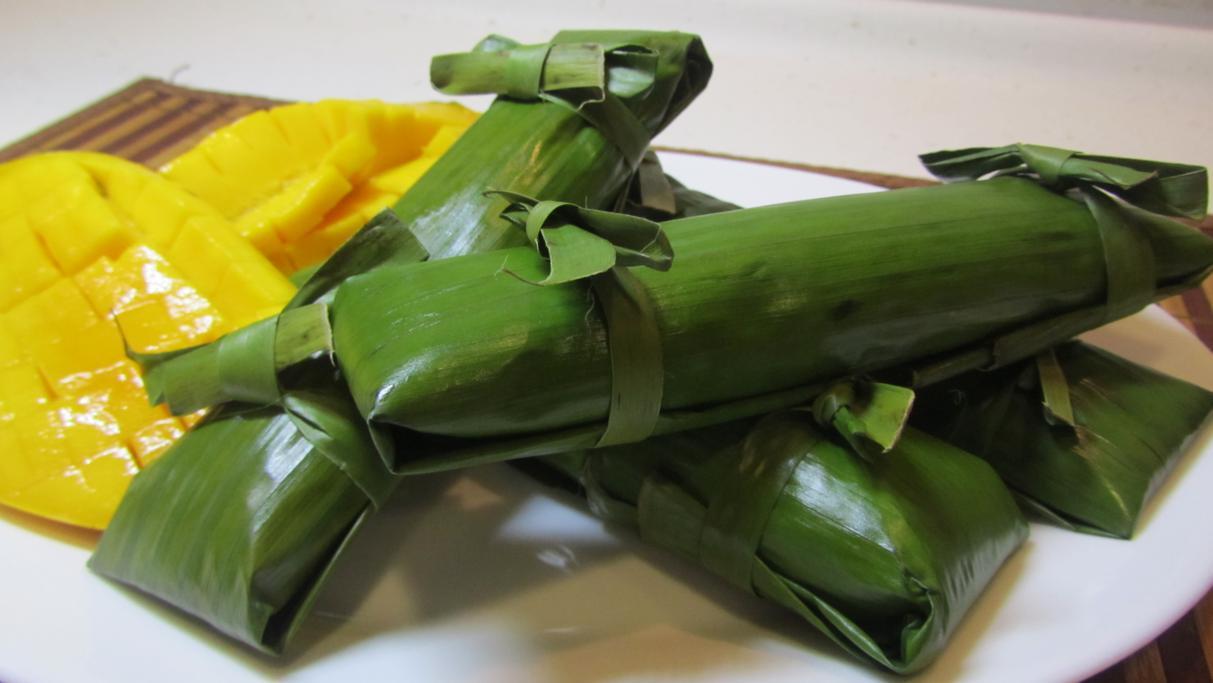
Among the Vaishnavas Kali Das sought out was Jhadu Thakura, described as "a great Vaishnava" who belonged to the bhunimali caste, a caste his society treated as untouchable. Kali Das went to his home carrying ripe mangoes as a gift. Srila Bhaktisiddhanta Sarasvati Thakura's purport adds that both men came to be worshipped afterward at a place called Sripatabati, in the same village cluster as Kali Das's own home, and that the Deity Jhadu Thakura worshipped, Madana Gopala, continued to be served long after his passing. The purport adds one more detail. Until shortly before Bhaktisiddhanta Sarasvati Thakura wrote, the Deity Kali Das himself worshipped had been served in the village of Sankhya on the bank of the Sarasvati River. The purport also says that a gentleman named Matilala Chattopadhyaya of Triveni then took the Deity away, and at the time of writing it was being worshipped at his place. This is a small but real link between Kali Das's own devotional life and a living line of worship centuries later.
Within Sri Chaitanya-charitamrita's own account, the Jhadu Thakura episode shows a teaching that the text states more broadly a little earlier. A Vaishnava's worth has nothing to do with the family into which he was born. Anyone who judges a devotee by caste alone has, in the text's own words, a hellish mentality. Kali Das's visit to Jhadu Thakura shows his vow of eating Vaishnava remnants followed all the way to its logical end, without any compromise. It also prepares the way for the highest point of the vow. There Kali Das receives remnants not from a fellow devotee but from Chaitanya Mahaprabhu Himself, as described on The Mercy of Mahaprabhu's Own Remnants.
