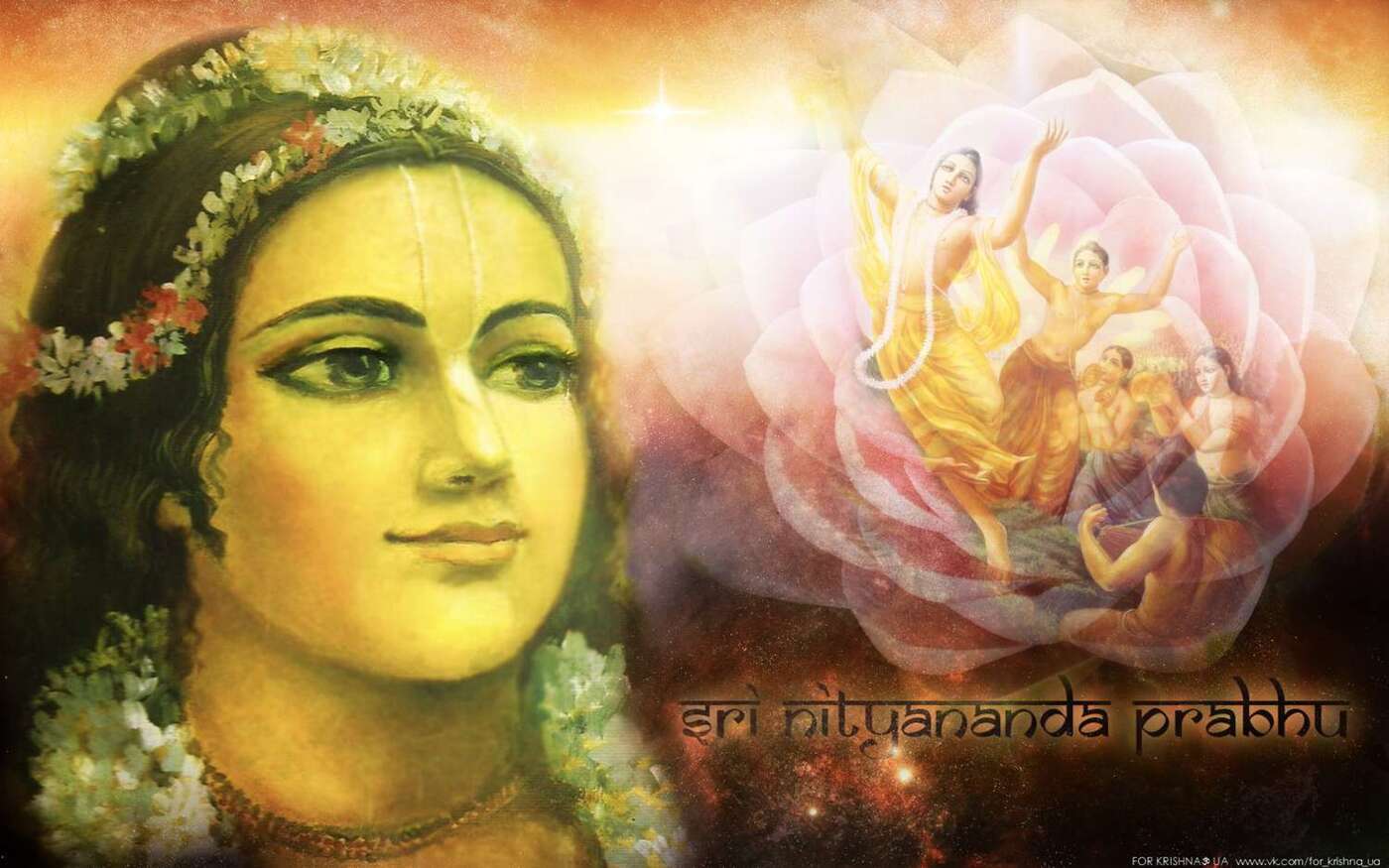
झामतपुर की कीर्तन रात्रि में बताई गई उस एक संध्या के अलावा, मीनकेतन रामदास की अपनी जीवन-कथा का लगभग कुछ भी नहीं बचा है। जो बचा है, वह कुछ सन्दर्भ हैं। ये सन्दर्भ उन्हें श्री नित्यानन्द प्रभु के अन्तरंग सहयोगियों के मण्डल में दृढ़ता से स्थान देते हैं। साथ ही, ये यह संकेत भी देते हैं कि इस संसार से परे उन्हें किस रूप में समझा जाता था।
अवधूत की सामाजिक रीतियों से स्वतंत्रता #
चैतन्य-चरितामृत में उनके बारे में पहली ही पंक्ति उन्हें नित्यानन्द प्रभु का भृत्य, अर्थात् सेवक, कहती है (आदि 5.161)। गौड़ीय वैष्णव परम्परा में किसी अवधूत का सेवक होना अपने आप में एक विशेष अर्थ रखता है। नित्यानन्द प्रभु को पूरे अर्थ में अवधूत माना जाता है। वे ऐसे परमहंस हैं, जिनका आचरण जाति, वेश या सामाजिक शिष्टाचार के किसी बाहरी नियम से नहीं बँधा है। बल्कि वे कृष्ण-प्रेम के एक अखंड भाव में पूरी तरह लीन रहते हैं। भक्तिसिद्धान्त सरस्वती ठाकुर ने इसी श्लोक पर अपनी बंगाली अनुभाष्य टीका में श्रीधर स्वामी की दी हुई अवधूत शब्द की शास्त्रीय परिभाषा का सहारा लिया है: असंस्कृत-देह, अर्थात् जो अपने ही शरीर की परवाह नहीं करता। वे यह परिभाषा मीनकेतन पर भी लागू करते हैं, क्योंकि मीनकेतन एक नित्य सिद्ध महाभागवत परमहंस थे। वे कहते हैं कि इसलिए मीनकेतन के आचरण में जाति या पद का कोई सामान्य चिन्ह नहीं दिखता था, क्योंकि वे भी व्रज के भाव में पूरी तरह लीन थे। इस दृष्टि से देखें, तो झामतपुर का कीर्तन विचित्र आचरण नहीं लगता। वह ठीक वैसा ही लगता है, जैसी परम्परा किसी अवधूत के अपने सेवक से अपेक्षा करती है। ऐसे भक्त के लिए किसी अजनबी के कंधे पर चढ़ जाना या झुकते हुए भक्त को बांसुरी से मार देना कोई दुराचार नहीं था। यह उस प्रेम का सबके सामने छलकना था, जो शिष्टाचार के सामान्य नियमों में कभी समा ही नहीं सकता था।
नित्यानन्द प्रभु के 75 सहयोगियों में सम्मिलित नाम #
चैतन्य-चरितामृत की आदि-लीला के 11वें अध्याय में कृष्णदास कविराज गोस्वामी नित्यानन्द प्रभु के जितने अनुयायियों के नाम हो सकें, उतने विस्तार से गिनाने का प्रयास करते हैं। उनके अपने शब्दों में, वे यह "अपनी आत्म-शुद्धि के लिए," करते हैं, न कि यह दावा करने के लिए कि सूची पूरी है। इसी सूची में मीनकेतन रामदास का नाम 75वें स्थान पर आता है। उनके साथ नर्तक गोपाल, रामभद्र, गौरांगदास और नृसिंह चैतन्य के नाम भी हैं (आदि 11.53)। सूची में यह स्थान अपने आप में अधिक कुछ नहीं बताता। यह केवल वही पक्का करता है, जो झामतपुर का प्रसंग पहले ही दिखा चुका है: उन्हें नित्यानन्द प्रभु के मान्य निजी सेवकों में नाम से गिना जाता था। यह सूची इतनी लम्बी है कि कृष्णदास स्वयं मानते हैं कि नित्यानन्द प्रभु के सभी अनुयायियों की पूरी गिनती कोई नहीं कर सकता।
संकर्षण से जुड़ी पहचान #
इसी श्लोक पर श्रील प्रभुपाद की टीका एक और बात जोड़ती है, जो गौर-गणोद्देश-दीपिका से ली गई है। यह वह परम्परागत गौड़ीय वैष्णव ग्रन्थ है, जो श्री चैतन्य महाप्रभु के हर सहयोगी की कृष्ण की मूल व्रज-लीला में नित्य पहचान बताता है। टीका के अनुसार, गौर-गणोद्देश-दीपिका मीनकेतन रामदास को संकर्षण से जुड़े एक विस्तार के रूप में बताती है। संकर्षण कृष्ण के विस्तारों के चतुर्भुज स्रोत हैं। लेकिन गौर-गणोद्देश-दीपिका का वास्तविक श्लोक (68) उतना स्पष्ट नहीं है, जितना टीका की यह एक पंक्ति दिखाती है। ध्यान से पढ़ने पर इसे ऐसे भी समझा जा सकता है कि इसमें दो अलग व्यक्तियों, निशठ और उल्मुक, का नाम है। वे गौर-लीला में मीनकेतन और राम नाम के दो अलग सेवकों के रूप में आते हैं। इस पाठ के अनुसार वे दोहरे नाम वाले एक ही व्यक्ति नहीं हैं। बाद के भक्ति-लेखकों ने, जिनमें भक्ति-रत्नाकर के रचयिता भी हैं, मीनकेतन रामदास को हर जगह एक ही व्यक्ति मानकर इस प्रश्न को सुलझाया। चैतन्य-चरितामृत भी हमेशा उनके बारे में इसी तरह बात करता है: एक व्यक्ति, एक बांसुरी, झामतपुर की एक संध्या। यह पृष्ठ भी इसी अधिक प्रमाणित, एक-व्यक्ति वाले पाठ को मानता है। लेकिन मूल श्लोक स्वयं दूसरे अर्थ के लिए वास्तविक गुंजाइश छोड़ता है।
खेतुरी महोत्सव में उपस्थिति #
चैतन्य-चरितामृत से बिल्कुल अलग, मीनकेतन रामदास का एक और स्वतंत्र उल्लेख मिलता है। नरहरि चक्रवर्ती का बाद में लिखा भक्ति-इतिहास भक्ति-रत्नाकर उन्हें उन वैष्णवों में गिनाता है, जो महान खेतुरी महोत्सव में गए थे। यह महत्त्वपूर्ण उत्सव जाह्नवा माता के नेतृत्व में आयोजित हुआ था। इसमें नित्यानन्द प्रभु के दूर-दूर बिखरे अनेक अनुयायी एक स्थान पर एकत्र हुए। भक्ति-रत्नाकर वहाँ उनका नाम अभिराम गोपाल ठाकुर, मुरारी चैतन्य, ज्ञानदास और कई अन्य भक्तों के साथ गिनाता है। वह पूरे समूह का वर्णन भक्ति-भरे शब्दों में करता है: "ऐसे वैष्णवों के दर्शन मात्र से सम्पूर्ण ब्रह्मांड पवित्र हो जाता है।" इस एक उल्लेख के अलावा, खेतुरी में या उसके बाद के उनके जीवन का कोई और विवरण किसी उपलब्ध स्रोत में नहीं मिलता। उनका जन्म और तिरोभाव, दोनों कहीं दर्ज नहीं हैं। यह एक वास्तविक कमी है। फिर भी यही अभिलेख उनके भक्ति-जीवन की ठीक एक संध्या को असाधारण और विशेष विस्तार के साथ सुरक्षित रखता है।
