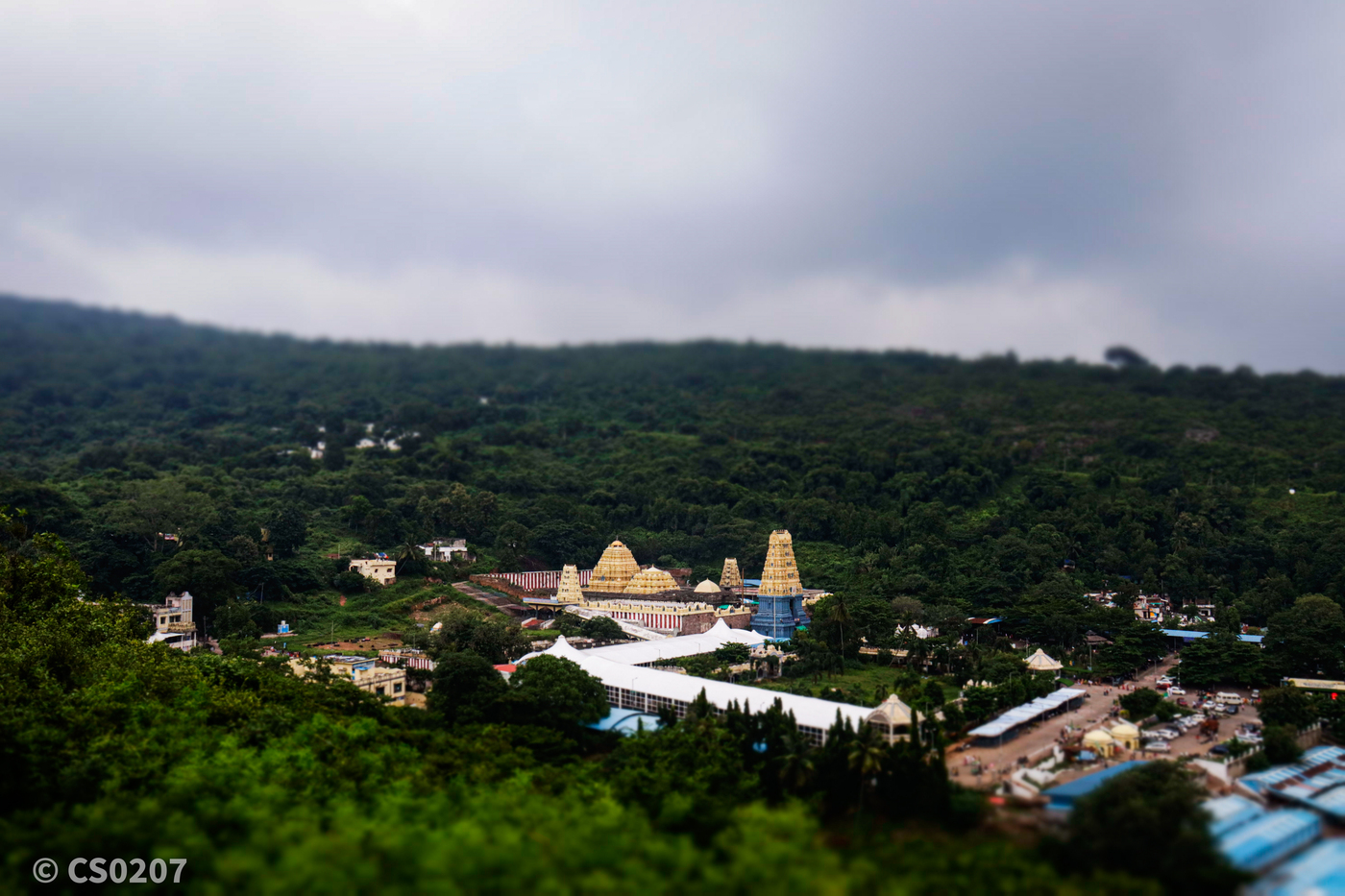
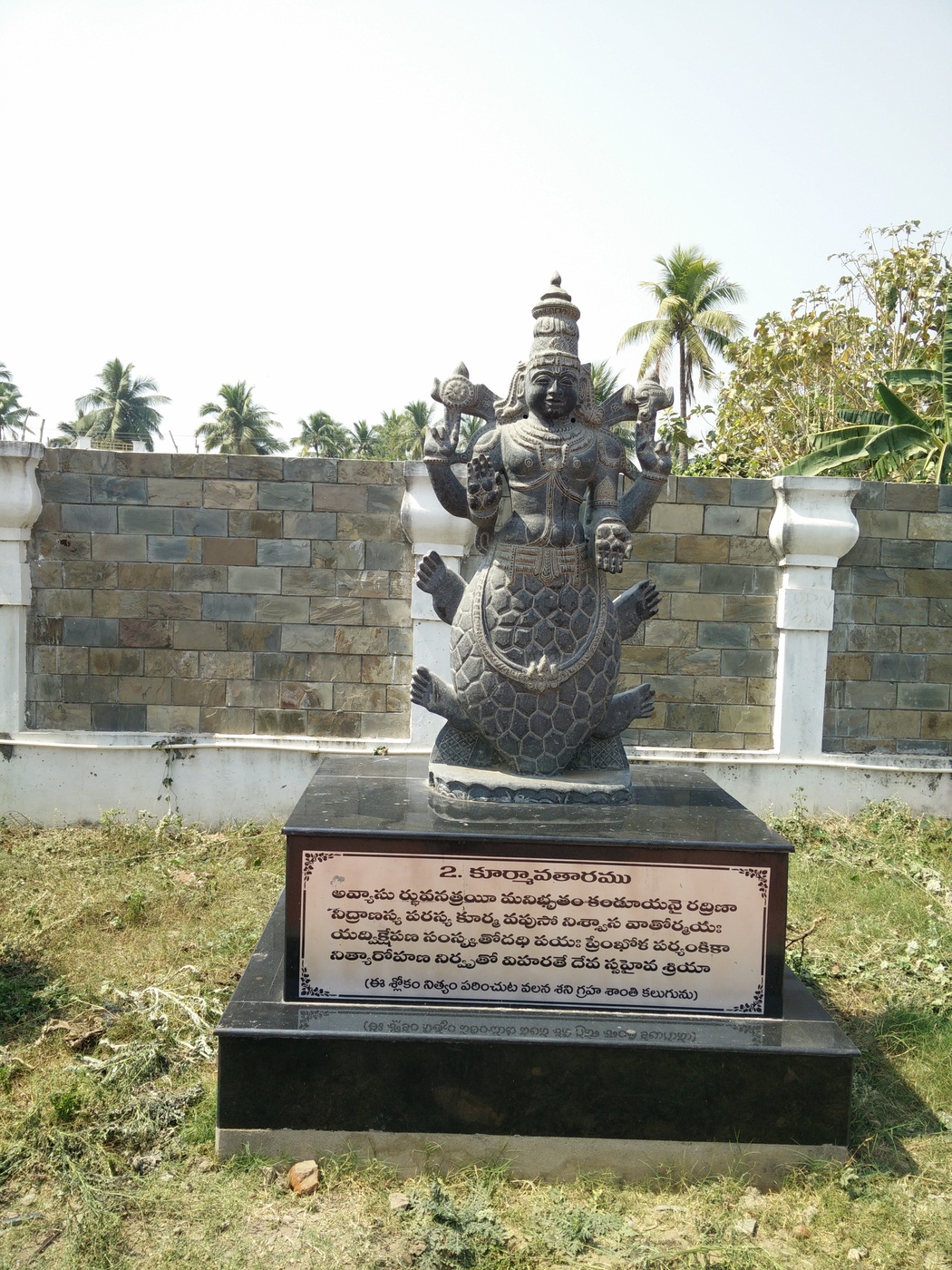
मध्व-सम्प्रदाय के इतिहास के इतने प्रारम्भिक काल के अधिकांश व्यक्तित्व केवल उन भक्ति-जीवनियों से जाने जाते हैं, जो उनकी मृत्यु के पीढ़ियों बाद लिखी गईं। नरहरि तीर्थ इसके अपवाद हैं। उनके अपने नौ शिलालेख आज भी बचे हैं। ये पूर्वी गंग राज्य कलिंग में श्रीकूर्मम और सिंहाचलम के मन्दिरों की दीवारों पर खुदे हुए हैं। इनसे इतिहासकार भक्ति-कथा की तुलना ठोस लिखित प्रमाण से कर सकते हैं। परम्परा में इतने पीछे के समय के लिए यह सचमुच एक दुर्लभ अवसर है।
वास्तविक राजनीतिक सत्ता वाले सन्न्यासी #
नरहरि का सबसे पुराना तिथि-अंकित शिलालेख 1264 ईस्वी का है। यह उन्हें पहले से ही सन्न्यासी उपाधि श्रीपाद से सम्बोधित करता है। इसलिए उस तिथि तक वे मध्वाचार्य की शिक्षा स्वीकार कर चुके थे और गृहस्थ जीवन का औपचारिक त्याग कर चुके थे। बी. एन. के. शर्मा का द्वैत सम्प्रदाय का अकादमिक इतिहास-ग्रन्थ आज भी इस काल के लिए मानक विद्वत्तापूर्ण सन्दर्भ है। शर्मा की गणना के अनुसार, उस समय नरहरि सम्भवतः लगभग बाईस वर्ष के थे। मध्वाचार्य की अपनी सार्वजनिक शिक्षा आरम्भ होने के कुछ ही समय बाद नरहरि उनसे मिले। नरहरि की विशेषता यह है कि सन्न्यासी बनने के बाद भी सांसारिक कार्यों से उनका सम्बन्ध समाप्त नहीं हुआ। उनके बाद के शिलालेख, जिनमें से अधिकांश 1281 से 1293 के बीच के हैं, बताते हैं कि कलिंग पर शासन करने वाले पूर्वी गंग राजाओं के अधीन शासन में उनके पास वास्तविक सत्ता थी। शर्मा लिखते हैं कि 1281 तक उनके अपने दान-पत्रों की भाषा दिखाती है कि वे "देश के वास्तविक अधिपति" के रूप में कार्य कर रहे थे। शर्मा यह भी बताते हैं कि ऐसा लगता है, नरहरि के अपने पिता इसी राज्य में किसी ऊँचे पद पर थे, सम्भवतः स्वयं मंत्री के रूप में। इससे समझ में आ सकता है कि एक युवा सन्न्यासी को राज्य का इतना भारी उत्तरदायित्व क्यों सौंपा गया।
प्रशासक के बारह वर्ष #
नरहरियतिस्तोत्र नामक एक प्रारम्भिक भक्ति-जीवनी में दर्ज भक्ति-परम्परा इस सीधे राजनीतिक अभिलेख में एक अधिक विस्तृत कथा जोड़ती है। इसके अनुसार नरहरि ने लगभग बारह वर्षों तक प्रशासक के रूप में कलिंग का शासन चलाया। उन्होंने एक शिशु राजकुमार की ओर से राजसिंहासन की रक्षा की, जब तक वह बालक बड़ा नहीं हो गया। यह परम्परा कहती है कि इसके बाद उन्होंने अपनी इच्छा से सत्ता छोड़ दी। कम से कम प्रशासक-काल की अवधि के बारे में यह विवरण शिलालेखों से सचमुच अच्छी तरह मेल खाता है। नरहरि के वास्तविक राजनीतिक अधिकार के दर्ज वर्ष मुख्य रूप से लगभग 1281 से 1293 के बीच आते हैं। यह बारह वर्ष की अवधि के काफ़ी निकट है। इसलिए जो कथा बाकी सब बातों में किंवदन्ती जैसी है, उसमें यह विवरण अधिक विश्वसनीय बातों में से एक है।
यही स्रोत बताता है कि प्रशासक-पद कैसे आरम्भ हुआ, और इसकी कथा कहीं अधिक रंगीन है। कहा जाता है कि जब कलिंग के शासक राजा का देहान्त हुआ, तो उनके मंत्रियों ने एक पुरानी दरबारी प्रथा का पालन किया। उन्होंने उपयुक्त प्रशासक ढूँढ़ने के लिए राजकीय हाथी को भेजा। वह हाथी नगर में घूमता हुआ नरहरि के पास पहुँचा और राज्याभिषेक की माला उनके गले में डाल दी। इस विवरण पर शर्मा सीधा मत देते हैं। वे हाथी की इस कथा को "गम्भीर इतिहास में स्थान पाने के लिए अत्यधिक काल्पनिक और अतिप्राचीन" कहते हैं। हम इसे खुलकर बता रहे हैं और इस पर पर्दा नहीं डाल रहे। शिलालेख पुष्टि करते हैं कि नरहरि ने सचमुच लगभग उसी समय कलिंग का प्रशासन सँभाला था। लेकिन वे इस पद तक ठीक कैसे पहुँचे, इसकी सजीव कथा भक्ति-किंवदन्ती का भाग है, दर्ज इतिहास का नहीं।
राजकोष से प्राप्त हुई विग्रह-मूर्ति #
नरहरियतिस्तोत्र के अनुसार, नरहरि की कलिंग-यात्रा का पूरा उद्देश्य आरम्भ से ही भक्ति से जुड़ा था। कहा जाता है कि मध्वाचार्य ने उन्हें विशेष रूप से श्री मूल राम और सीता के प्राचीन विग्रहों को वापस लाने के लिए वहाँ भेजा था। इन विग्रहों की अपनी एक लंबी किंवदन्ती-परम्परा थी। परम्परा के अनुसार ये राजा इक्ष्वाकु से दशरथ को, फिर लक्ष्मण को, हनुमान को, भीम को, और अन्त में कलिंग पर शासन करने वाले गजपति राजाओं के राजकोष में पहुँचे। वहाँ ये पीढ़ियों से केवल राजकीय सम्पत्ति के रूप में रखे हुए थे। राजसिंहासन के सच्चे अधिकारी राजकुमार के बड़े होने पर जब नरहरि ने अन्त में प्रशासक-पद छोड़ा, तो कृतज्ञ राजा ने उनसे मनचाहा पुरस्कार माँगने को कहा। नरहरि ने इन विग्रहों के सिवा कुछ नहीं माँगा। कहा जाता है कि वे उन्हें लेकर लौटे और मध्वाचार्य को अर्पित किया। बाद की परम्परा के अनुसार इन्हें उत्तरादि मठ में बाद के एक पीठाधीश्वर, कवीन्द्र तीर्थ, की देखरेख में सुरक्षित रखा गया। आज इनकी पूजा मन्त्रालयम् के राघवेन्द्र स्वामी मठ में होती है। शर्मा का अकादमिक मत सावधान है। वे विग्रहों की इस प्राप्ति को एक वास्तविक और सम्भवतः "पूर्णतः आकस्मिक" घटना मानते हैं, जो एक सामान्य राजनीतिक जीवन के बीच घटी। वे इसे उस विस्तृत ईश्वरीय मिशन के रूप में नहीं देखते, जैसा बाद की भक्ति-कथाएँ इसे बना देती हैं। इससे पता चलता है कि नरहरि जैसे अच्छी तरह प्रमाणित जीवन में भी वास्तविक घटनाएँ और बाद में जोड़ी गई बातें मिल जाती हैं। इन दोनों को ईमानदारी से अलग करके बताना, सबसे नाटकीय कथा सुनाने से कहीं अधिक महत्त्वपूर्ण है।
नरहरि की स्मृति में आज भी पढ़ा जाने वाला एक श्लोक ठीक इसी कार्य का सार एक ही युग्म में बताता है: "ससीतामूलरामार्चा कोशे गजपतेः स्थिता, येनानीता नमस्तस्मै श्रीमन्नृहरिभिक्षवे," जिसका लगभग अर्थ है, "उस सन्न्यासी श्री नृहरि को नमस्कार, जिनके द्वारा गजपति के कोश में रखी सीता सहित राम की विग्रह लाई गई।" एक अलग परम्परा यह भी जोड़ती है कि जब मध्वाचार्य के शिष्यों में मठों का विभाजन हुआ, तब मध्वाचार्य ने नरहरि को एक अलग विग्रह भी दिया। यह चतुर्भुज कृष्ण का विग्रह है, जिसमें वे कालिय नाग पर नृत्य करते हुए दिखाए गए हैं। यह परम्परा केवल gaudiyahistory.iskcondesiretree.com पर दर्ज है। यह शर्मा के अकादमिक इतिहास-ग्रन्थ में या उत्तरादि मठ के अपने आधिकारिक पृष्ठ पर नहीं मिलती। इसलिए यह दावा एक ही, तुलना में कमज़ोर स्रोत पर टिका है, और इसे सावधानी से पढ़ना चाहिए। इसके विपरीत, ऊपर बताई गई मूल राम की कथा को शिलालेखों का समर्थन प्राप्त है।
