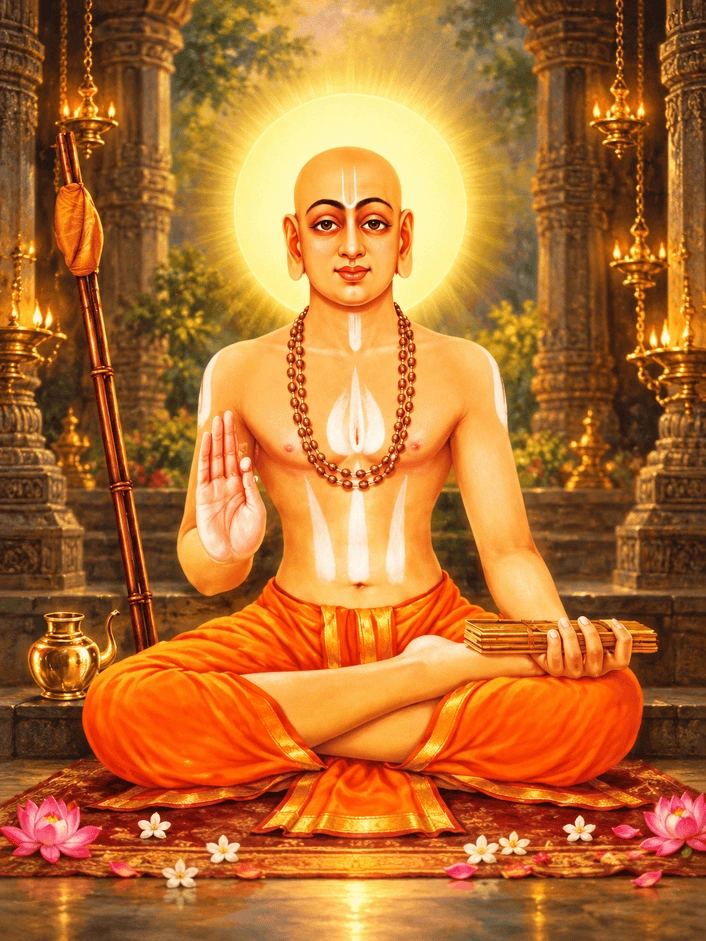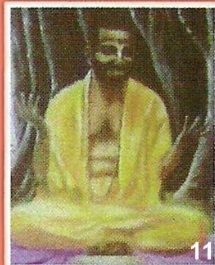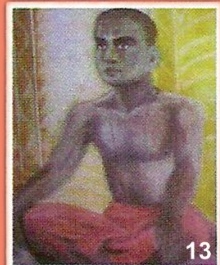
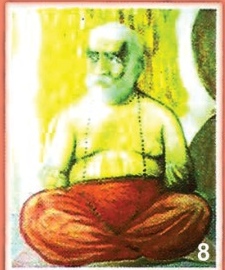
श्री नरहरि तीर्थ
मंत्री-प्रशासक, जो द्वितीय पीठाधीश्वर बने
अन्य नाम नृहरि तीर्थ, स्वामी शास्त्री (सन्न्यास-पूर्व नाम, कहीं-कहीं शाम शास्त्री या श्याम शास्त्री भी कहा गया)
श्री नरहरि तीर्थ गुरु-परम्परा के नामों में एक असाधारण कारण से अलग दिखाई देते हैं। उनका जीवन केवल भक्ति-जीवनियों से ही ज्ञात नहीं है। पीठाधीश्वर, अर्थात् मठ के प्रमुख, बनने से पहले लगभग तीन दशकों तक उन्होंने कलिंग पर शासन करने वाले पूर्वी गंग राजाओं के शासन में सेवा की। अभिलेख इसकी पुष्टि करते हैं। कलिंग एक मध्यकालीन राज्य था, जिसमें आज के ओडिशा का अधिकांश भाग और आन्ध्र प्रदेश का उत्तरी छोर आता था। उन्होंने श्रीकूर्मम तथा सिंहाचलम मन्दिरों में शिलालेख छोड़े, जिनका अध्ययन विद्वान आज भी करते हैं। बी. एन. के. शर्मा का द्वैत सम्प्रदाय का अकादमिक इतिहास इस विषय का मानक ग्रन्थ है। शर्मा बताते हैं कि इनमें से शक 1203 का एक शिलालेख मध्वाचार्य की अपनी ऐतिहासिक तिथियों पर विद्वानों के बीच चले आ रहे एक लंबे विवाद को सुलझाने में वास्तविक प्रमाण बना। यह एक असाधारण उदाहरण है, जहाँ एक शिष्य के अपने अभिलेख उसके गुरु की तिथियों की पुष्टि करने में सहायता करते हैं। द्वैत परम्परा के स्रोत उन्हें मध्वाचार्य का प्रत्यक्ष शिष्य बताते हैं। दीक्षा से पहले उनका नाम स्वामी शास्त्री था। उन्हें उस मठ के द्वितीय पीठाधीश्वर के रूप में याद किया जाता है, जिसके पहले प्रमुख पद्मनाभ तीर्थ थे। श्रील भक्तिसिद्धान्त सरस्वती ठाकुर के माध्यम से चली आई परम्परागत गौड़ीय गुरु-परम्परा भी उन्हें शृंखला में ठीक इसी स्थान पर रखती है, और उन्हें नृहरि तीर्थ कहती है। लेकिन स्रोतों को ध्यान से देखने पर इस चित्र में भी, जो इतना मेल खाता हुआ लगता है, कुछ वास्तविक कठिनाइयाँ दिखाई देती हैं। उन्हें नीचे विस्तार से बताया गया है।
| विवरण | विशेष जानकारी |
|---|---|
| जन्म-नाम | स्वामी शास्त्री (कहीं-कहीं शाम शास्त्री या श्याम शास्त्री भी कहा गया) |
| अनुमानित तिथियाँ | बी. एन. के. शर्मा का अकादमिक अनुमान: जन्म लगभग 1241 ईस्वी, कलिंग में सक्रियता 1264-1294 ईस्वी, तिरोभाव 1333 ईस्वी। श्रील प्रभुपाद का तात्पर्य इसके बजाय उत्तराधिकार-सूची में उनका जन्म-वर्ष शक 1127 (लगभग 1205 ईस्वी) बताता है। दोनों स्रोतों का यह अन्तर आज तक अनसुलझा है। |
| गुरु | बी. एन. के. शर्मा के अकादमिक इतिहास के अनुसार स्वयं मध्वाचार्य। उन्हें अलग से पद्मनाभ तीर्थ के मठ-उत्तराधिकारी के रूप में भी याद किया जाता है; यह भेद नीचे समझाया गया है। |
| राजनीतिक भूमिका | कलिंग के पूर्वी गंग राज्य के मंत्री, फिर प्रशासक, जिसकी पुष्टि श्रीकूर्मम और सिंहाचलम में उनके अपने शिलालेखों से होती है |
| प्रमुख रचनाएँ | भावप्रकाशिका, मध्वाचार्य के गीता-भाष्य पर टीका, तथा मध्वाचार्य के दस प्रकरणों में से कई पर टीकाएँ। परम्परा उन्हें कुल पन्द्रह रचनाओं का श्रेय देती है, लेकिन इनके केवल कुछ अंश ही बचे हैं। |
| समाधि | चक्र-तीर्थ, हम्पी, कर्नाटक के निकट |
कलिंग में मंत्री और प्रशासक #
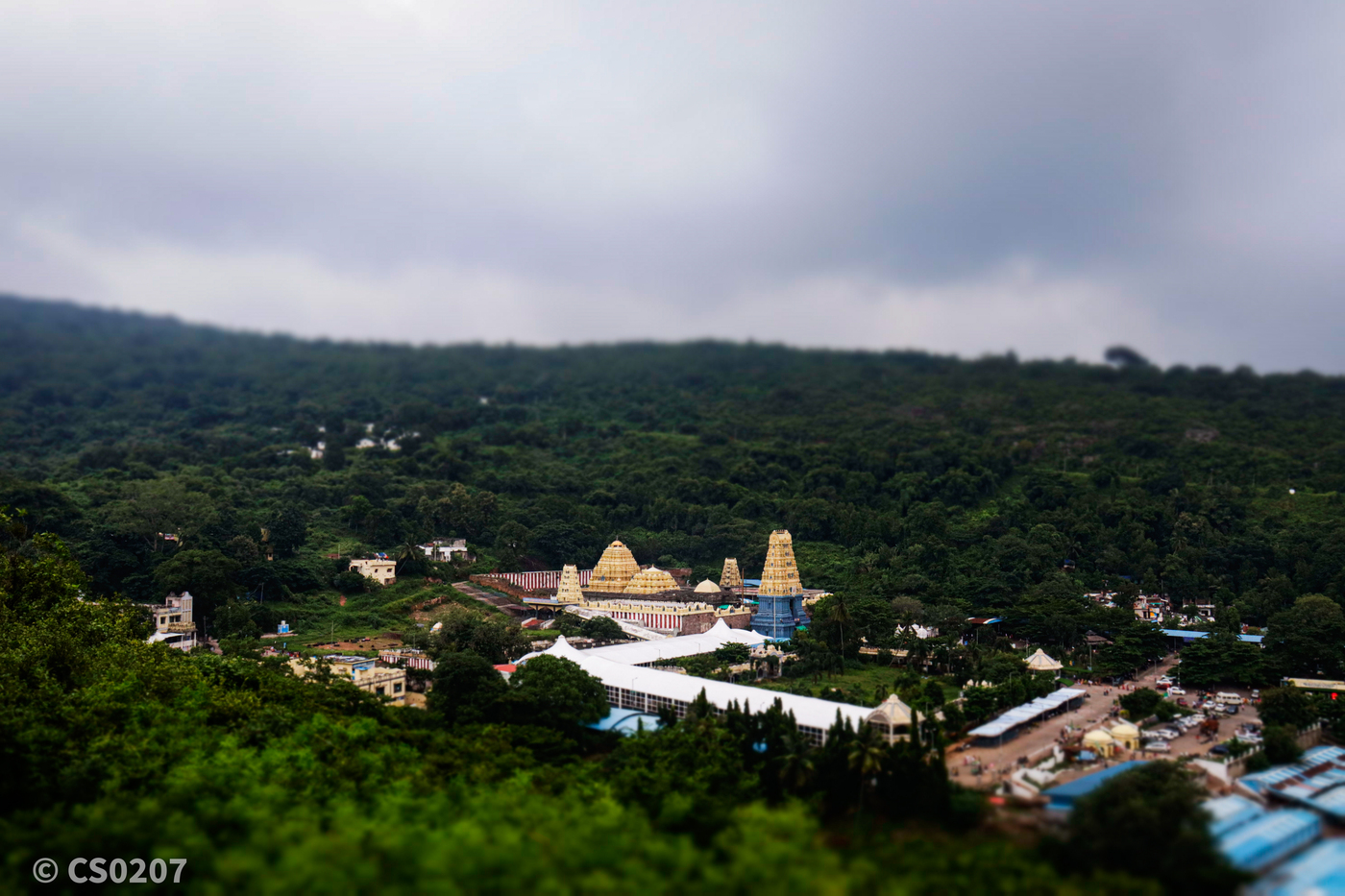
सूची के इतने प्रारम्भिक आचार्यों के बारे में आम तौर पर ऐसे पक्के तथ्य कम ही मिलते हैं। लेकिन नरहरि के अपने शिलालेख उनके जीवन के इस भाग के बारे में बहुत ठोस तथ्य देते हैं। 1264 ईस्वी का उनका सबसे पुराना तिथि-अंकित शिलालेख उन्हें पहले से ही सन्न्यासी उपाधि श्रीपाद से सम्बोधित करता है। इसलिए उस तिथि तक वे मध्वाचार्य की शिक्षा स्वीकार कर चुके थे और औपचारिक सन्न्यास ले चुके थे। शर्मा की गणना के अनुसार, तब वे सम्भवतः लगभग बाईस वर्ष के थे। सन्न्यासी होने पर भी नरहरि ने इसके बाद कई वर्षों तक कलिंग में वास्तविक राजनीतिक सत्ता सँभाली। श्रीकूर्मम और सिंहाचलम मन्दिरों में उनके नौ शिलालेख बचे हैं, जो 1264 से 1294 तक तीस वर्षों में फैले हैं। उनकी भाषा से पता चलता है कि 1281 तक वे, शर्मा के अपने शब्दों में, "देश के वास्तविक अधिपति" बन चुके थे। भक्ति-परम्परा इस सीधे तथ्य में और विवरण जोड़ती है। नरहरि को लगभग बारह वर्षों तक कलिंग के प्रशासक के रूप में याद किया जाता है। इस विवरण के अनुसार, उन्होंने एक शिशु राजकुमार के लिए राजसिंहासन की रक्षा की, जब तक वह बालक बड़ा नहीं हो गया। इसके बाद उन्होंने अपनी इच्छा से पद छोड़ दिया। उनकी दर्ज राजनीतिक गतिविधि के वर्ष, जो अधिकतर लगभग 1281 से 1293 के बीच हैं, उस बारह-वर्षीय अवधि से अच्छी तरह मेल खाते हैं। इसलिए उनकी कथा के कुछ अन्य विवरणों के विपरीत, यह भाग ध्यान से जाँचने पर भी खरा उतरता है। उनके प्रशासक-काल की पूरी कथा, और उसके आरम्भ से जुड़ी एक प्रसिद्ध किंवदन्ती, कलिंग के प्रशासक और मूल राम विग्रह पृष्ठ पर दी गई है।
राजकोष से प्राप्त हुई विग्रह-मूर्ति #
कलिंग के इन वर्षों की सबसे प्रसिद्ध घटना राजनीतिक नहीं, बल्कि भक्ति से जुड़ी है। परम्परा के अनुसार मध्वाचार्य ने नरहरि को विशेष रूप से इसलिए कलिंग भेजा था कि वे श्री मूल राम और सीता के प्राचीन विग्रहों को वापस लाएँ। ये विग्रह पीढ़ियों से गजपति राजाओं के राजकोष में रखे हुए थे। जब नरहरि ने अन्त में प्रशासक-पद छोड़ा, तो कृतज्ञ राजा ने उन्हें वही विग्रह ले जाने दिए, जिनके लिए वे मूल रूप से आए थे। कहा जाता है कि वे उन्हें अपने गुरु के पास ले गए और उन्हें अर्पित किया। बाद में ये विग्रह उत्तरादि मठ में रखे गए। एक विवरण के अनुसार, आज इनकी पूजा मन्त्रालयम् के राघवेन्द्र स्वामी मठ में होती है। उनकी स्मृति में आज भी पढ़ा जाने वाला एक श्लोक ठीक इसी कार्य का सार बताता है: "ससीतामूलरामार्चा कोशे गजपतेः स्थिता, येनानीता नमस्तस्मै श्रीमन्नृहरिभिक्षवे," जिसका लगभग अर्थ है, "उस सन्न्यासी श्री नृहरि को नमस्कार, जिनके द्वारा गजपति के कोश में रखी सीता सहित राम की विग्रह लाई गई।" यह कथा उस प्रसिद्ध कृष्ण विग्रह की कथा से अलग है, जो बाद में उडुपी में स्थापित हुए। यह भेद महत्त्वपूर्ण है और गुरु-परम्परा में स्थान पृष्ठ पर समझाया गया है।
विद्वान और हरिदास आन्दोलन की आरम्भिक वाणी #
परम्परा नरहरि को पन्द्रह लिखित रचनाओं का श्रेय देती है, लेकिन इनमें से केवल दो के ही अंश बचे हुए ज्ञात हैं। पहली रचना भावप्रकाशिका है, जो मध्वाचार्य के गीता-भाष्य पर एक टीका है। जयतीर्थ (मध्वाचार्य के बाद परम्परा के सबसे महत्त्वपूर्ण टीकाकार) और बाद के कुम्भकोणम मठ (आज का राघवेन्द्र स्वामी मठ) के पीठाधीश्वर राघवेन्द्र तीर्थ, दोनों ने इसे स्वीकृति के साथ उद्धृत किया है। दूसरी रचना मध्वाचार्य के दस लघु प्रकरण-ग्रन्थों में से कई पर लिखी गई टीकाएँ हैं। इनमें से आज केवल दो ग्रन्थों पर लिखे भाग ही ज्ञात हैं, और वे भी बाद के उद्धरणों के माध्यम से। शर्मा ने भावप्रकाशिका के बचे हुए अंश का अध्ययन किया। उन्होंने पाया कि लेखक विषय पर टिके रहते थे। उनकी शैली सरल थी, यद्यपि कभी-कभी उसमें शब्द अधिक होते थे। वे शंकराचार्य और भास्कर सहित प्रतिद्वन्द्वी वेदान्त-टीकाकारों की व्याख्याओं की आलोचना करने से नहीं हिचकते थे। संस्कृत-विद्वत्ता के अतिरिक्त, उत्तरादि मठ का अपना जीवन-विवरण उन्हें सबसे पहला ऐसा हरिदास कहता है, जिनके बारे में निश्चित ऐतिहासिक जानकारी बची है। कन्नड़ भक्ति-गीत परम्परा के गायक-सन्त को हरिदास कहा जाता है। वही विवरण नरहरि या नरहरि रघुपति नामक उपनाम (अंकित) वाली कुछ बची हुई रचनाओं का श्रेय भी उन्हें देता है। शर्मा का स्वतन्त्र अकादमिक इतिहास-ग्रन्थ मुख्य बात पर इससे सहमत है। वह उन्हें कन्नड़ के बाद के दास कूट भक्ति-आन्दोलन का अग्रदूत बताता है, यद्यपि उनके अपने गीतों में से लगभग कोई भी पूरा नहीं बचा है। उनके लेखन और हरिदास परम्परा के शीर्ष पर उनके स्थान का पूरा चित्र विद्वान और आरम्भिक हरिदास पृष्ठ पर दिया गया है।
तिरोभाव और पीठ तक की यात्रा #
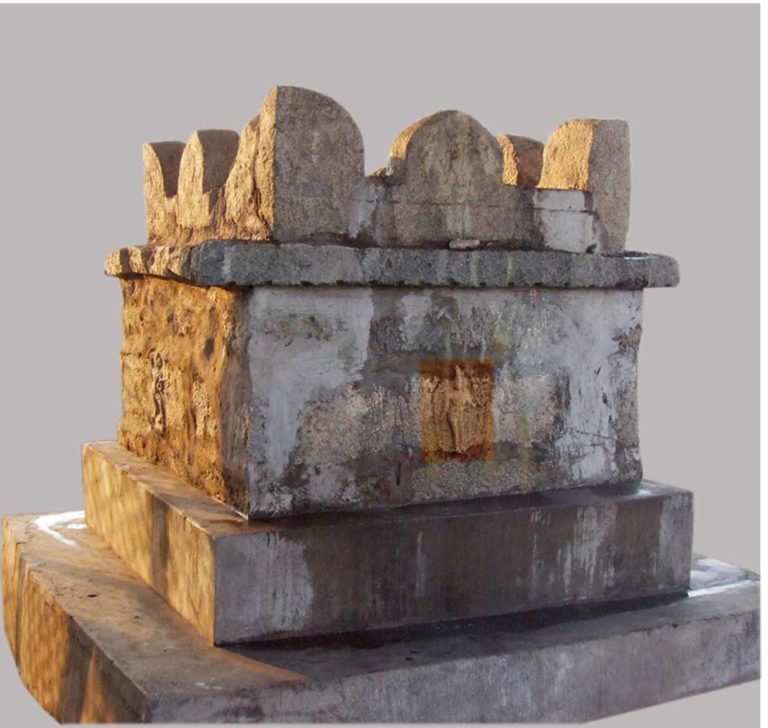
शर्मा का इतिहास-ग्रन्थ साफ़ कहता है कि नरहरि 1324 में पद्मनाभ तीर्थ के "उत्तराधिकारी" बने और नौ वर्षों तक पीठाधीश्वर रहे। चक्रीय वर्ष श्रीमुख, अर्थात् 1333 ईस्वी, में उनका तिरोभाव हुआ। लेकिन तिथियों पर शर्मा का अपना विचार दिखाता है कि यह सुव्यवस्थित क्रम जितना सरल लगता है, उसे सिद्ध करना उतना सरल नहीं है। कुछ मठ-सूचियाँ पद्मनाभ तीर्थ को सात वर्ष का कार्यकाल देती हैं। यदि उन्होंने सचमुच इतने ही वर्ष मठ का नेतृत्व किया, तो साधारण गणना से नरहरि लगभग 1285 तक पीठ पर आ जाने चाहिए थे। फिर भी उनके अपने शिलालेख उन्हें 1293 तक कलिंग में सक्रिय दिखाते हैं। शर्मा इन दोनों तथ्यों को केवल एक ही तरह से मिला पाते हैं। वे यह निष्कर्ष निकालते हैं कि नरहरि 1293 के कुछ समय बाद से पहले पीठ पर नहीं आ सकते थे। इसलिए पीठ सौंपे जाने की ठीक तिथि, और पद्मनाभ के प्रमुख रहने की वास्तविक अवधि, उतनी निश्चित नहीं है जितना मानक मठ-सूचियाँ बताती हैं। नरहरि की समाधि, जिसे उनका मूल वृन्दावन कहा जाता है, आज हम्पी के निकट चक्र-तीर्थ में सुरक्षित है।
गुरु-परम्परा में स्थान #
परम्परागत गौड़ीय गुरु-परम्परा की सूची नरहरि तीर्थ को (नृहरि तीर्थ के नाम से) ठीक पद्मनाभ तीर्थ के बाद और माधव तीर्थ से पहले रखती है। ऊपर से देखने पर, मुख्य द्वैत परम्परा के स्रोत भी, जिनमें उत्तरादि मठ की अपनी आधिकारिक उत्तराधिकार-सूची शामिल है, ठीक इसी क्रम की पुष्टि करते लगते हैं। लेकिन बी. एन. के. शर्मा का अकादमिक इतिहास-ग्रन्थ, जो इस पूरे काल के लिए मानक विद्वत्तापूर्ण सन्दर्भ है, खुलकर कहता है कि मध्वाचार्य के चार निकट उत्तराधिकारियों के बीच एक साफ़, एक-के-बाद-एक "उत्तराधिकार" का प्रमाण उतना मज़बूत नहीं है, जितना परम्परा मान लेती है। वे इस पूरी धारणा को "एक लोकप्रिय मान्यता, जिसके लिए कोई निर्णायक प्रमाण नहीं है" कहते हैं, और दो बातों की ओर ध्यान दिलाते हैं। पहली, नारायण पण्डित की मध्वाचार्य पर लिखी भक्ति-जीवनी में उनके शिष्यों में से केवल पद्मनाभ का ही अलग से नाम लिया गया है। दूसरी, जयतीर्थ के लेखन में भी पद्मनाभ और अक्षोभ्य तीर्थ को सीधे श्रद्धांजलि दी गई है, लेकिन नरहरि और माधव तीर्थ के बारे में कुछ भी नहीं कहा गया। शर्मा का अपना निष्कर्ष यह है कि नरहरि मध्वाचार्य के प्रत्यक्ष शिष्य थे, जिन्हें स्वयं मध्वाचार्य ने दीक्षा दी थी, न कि पद्मनाभ तीर्थ ने। यह पृष्ठ नरहरि का स्थान मठ के पीठ पर पद्मनाभ तीर्थ के उत्तराधिकारी के रूप में दर्ज करता है। गौड़ीय सूची स्वयं मठ के पीठ के इसी उत्तराधिकार के विचार पर बनी है। उन्हें इस प्रकार सूची में रखना इस बात का दावा नहीं है कि उन्हें व्यक्तिगत रूप से किसने शिक्षा दी। माधवेन्द्र पुरी के मध्व-सम्प्रदाय में जीवन पृष्ठ पर हमने गौड़ीय सूची की तुलना उन द्वैत अभिलेखों से सावधानी से करना आरम्भ किया था, जो स्वतन्त्र रूप से दर्ज हैं। वही सावधान तुलना नरहरि तीर्थ पर भी लागू होती है। एक और सुधार साफ़ बता देना उचित है। विकिपीडिया नरहरि तीर्थ को उस प्रसिद्ध कृष्ण विग्रह से नहीं जोड़ता, जो बाद में उडुपी में स्थापित हुए। न ही उत्तरादि मठ का अपना विवरण, और न ही चैतन्य-चरितामृत, मध्य 9.245 पर श्रील प्रभुपाद का तात्पर्य ऐसा करता है। हर उपलब्ध विवरण कहता है कि उस विग्रह को स्वयं मध्वाचार्य ने खोजा और स्थापित किया। नरहरि का अपना विग्रह-सम्बन्ध अलग है और अच्छी तरह प्रमाणित है। वह ऊपर बताई गई मूल राम और सीता की बिल्कुल अलग कथा है। इस पूरे प्रश्न की सबसे विस्तृत चर्चा गुरु-परम्परा में स्थान पृष्ठ पर है।
शास्त्र प्रमाण
तात्पर्य से: तात्पर्य का अंश: "(14) पद्मनाभ, 1120; नरहरि, 1127; माधव, 1136; और अक्षोभ्य 1159...(ये तिथियाँ शकाब्द युग में जन्म की हैं; ईस्वी सन् के लिए अठहत्तर वर्ष जोड़ें)।"
तात्पर्य में दिए गए निर्देश के अनुसार शक वर्ष को ईस्वी में बदलने पर, यह सूची नरहरि तीर्थ का जन्म शक 1127, अर्थात् लगभग 1205 ईस्वी में रखती है। बी. एन. के. शर्मा ने नरहरि के शिलालेखों के आधार पर उनका जन्म लगभग 1241 ईस्वी में माना है। इन दोनों के बीच एक वास्तविक मतभेद है, जो अब तक सुलझा नहीं है। मुख्य जीवनी में दोनों आँकड़े ईमानदारी से दिए गए हैं, चुपचाप किसी एक को नहीं चुना गया।
- B. N. K. Sharma, A History of the Dvaita School of Vedanta and Its Literature, Vol. I, full text via Internet Archive
- B. N. K. Sharma, History of the Dvaita School of Vedanta and Its Literature (1961/1981), via Internet Archive
- Sri Narahari Tirtha - Sri Uttaradi Math (official parampara page)
- Narahari Tirtha (Nrihari) - Gaudiya History (ISKCON Desire Tree)
- Sri Chaitanya-charitamrita, Madhya-lila 9.245, purport
- Madhavendra Puri: Life in the Madhva Sampradaya (this website)
शिष्य
अक्सर पूछे जाने वाले प्रश्न
श्री नरहरि तीर्थ का जन्म कब हुआ था?
श्री नरहरि तीर्थ का प्राकट्य बी. एन. के. शर्मा के अनुसार जन्म लगभग 1241 ईस्वी; श्रील प्रभुपाद के तात्पर्य (मध्य 9.245) में उत्तराधिकार-सूची में उनका जन्म-वर्ष शक 1127, यानी लगभग 1205 ईस्वी, दिया गया है। लगभग पैंतीस वर्ष का यह अन्तर आज तक अनसुलझा है। में, स्रोत केवल इतना बताते हैं कि यह अधिक-विस्तृत आन्ध्र-कलिंग तटीय क्षेत्र (वर्तमान आन्ध्र प्रदेश और ओडिशा) है; किसी एक नगर का स्वतन्त्र रूप से कोई प्रलेखन नहीं मिलता में हुआ।
श्री नरहरि तीर्थ के गुरु कौन थे?
श्री नरहरि तीर्थ के गुरु श्री पद्मनाभ तीर्थ थे।
श्री नरहरि तीर्थ का तिरोभाव कब और कहाँ हुआ?
श्री नरहरि तीर्थ का तिरोभाव परम्परा के अनुसार 1333 ईस्वी (श्रीमुख संवत्सर) में, मध्वाचार्य द्वारा स्थापित मठ के द्वितीय पीठाधीश्वर के रूप में नौ वर्ष रहने के बाद। इससे पहले वे लगभग तीन दशकों तक कलिंग में मंत्री और प्रशासक रहे।, चक्र-तीर्थ (चक्रतीर्थ), हम्पी, कर्नाटक के निकट, जहाँ उनका समाधि-स्थल, जिसे उनका मूल वृन्दावन कहा जाता है, आज भी सुरक्षित है में हुआ।
श्री नरहरि तीर्थ की प्रमुख लीलाएँ कौन-सी हैं?
यहाँ इन लीलाओं पर पृष्ठ उपलब्ध हैं: कलिंग के प्रशासक और मूल राम विग्रह, विद्वान और आरम्भिक हरिदास, गुरु-परम्परा में स्थान।