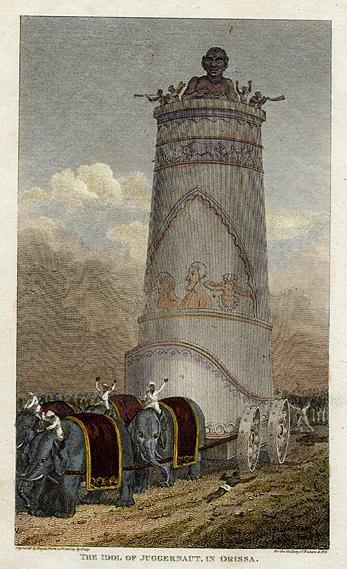
पुरी में उपस्थित हर भक्त को श्री चैतन्य महाप्रभु से कोई व्यक्तिगत सेवा नहीं मिली। लेकिन सत्यराज खान के परिवार को मिली। चैतन्य-चरितामृत में लिखा है कि कुलीन-ग्राम से रामानन्द वसु और सत्यराज खान वहाँ उपस्थित थे, और "श्री चैतन्य महाप्रभु ने अत्यन्त सम्मानपूर्वक उन्हें निम्नलिखित आदेश दिए": वे भगवान् जगन्नाथ के रथ को खींचने वाली रस्सियों की पूजा करने वाले बनें, और उत्सव के लिए हर वर्ष अपने गाँव से रेशमी रस्सी लेकर आएँ। यह केवल दिखावे की रस्म नहीं थी। लगता है कि रेशमी रस्सी बनाना कुलीन-ग्राम के निवासियों का वास्तविक व्यवसाय था। महाप्रभु ने इस साधारण ग्रामीण शिल्प को विग्रह-सेवा के एक वार्षिक कार्य में बदल दिया। इस प्रकार उन्होंने अपने इन दो बंगाली गृहस्थ भक्तों को नन्दीघोष से और पुरी के सबसे बड़े उत्सव से सदा के लिए जोड़ दिया। नन्दीघोष वह विशाल रथ है, जो हर वर्ष रथयात्रा के समय भगवान् जगन्नाथ को पुरी की गलियों में ले जाता है।
गुणराज खान के वंशजों के हाथों बिके हुए #
इसी वार्तालाप में पता चलता है कि महाप्रभु के मन में इस परिवार के लिए कितना गहरा भाव था। पहले उन्होंने कुलीन-ग्राम के भक्तों से गुणराज खान के श्री कृष्ण-विजय के बारे में बात की। यह ग्रन्थ श्रीमद्भागवतम् के दशम और एकादश स्कन्ध की कृष्ण-लीलाओं को बंगाली में फिर से कहता है। यह इतनी सरल भाषा में लिखा गया था कि कम पढ़े-लिखे साधारण पाठक भी इसे समझ सकते थे। महाप्रभु ने उनसे कहा कि इस ग्रन्थ में एक ऐसी पंक्ति है, जिससे इसके रचयिता का भाव-विभोर कृष्ण-प्रेम प्रकट होता है। फिर उन्होंने नन्द महाराज के पुत्र कृष्ण के प्रति अपने अनुराग के विषय में एक श्लोक कहा। अपने बारे में उन्होंने एक ऐसी पंक्ति जोड़ी, जो इस परिवार से जुड़ी सबसे अधिक उद्धृत पंक्तियों में से एक है: "इसी कथन के कारण मैं गुणराज खान के वंशजों के हाथों बिक गया हूँ।" भगवान् किसी के भी बारे में ऐसा कहें, यह असाधारण बात है। और यहाँ तो यह उस परिवार के बारे में कहा गया, जिसे मुख्य रूप से रेशमी रस्सी की सेवा के लिए याद किया जाता है। महाप्रभु यहीं नहीं रुके। उन्होंने उनसे सीधे कहा, "तुम्हारे गाँव में रहने वाला एक कुत्ता भी मुझे अत्यन्त प्रिय है। फिर औरों की तो बात ही क्या।" उन्होंने एक ही वार्तालाप में, एक के बाद एक, पिता के ग्रन्थ की प्रशंसा की और फिर पुत्र के परिवार के बारे में यह घोषणा की। ये दोनों बातें एक ही स्नेह के दो भाग हैं। कुलीन-ग्राम की भक्ति चुपचाप व्यक्त होती थी, कविता, रस्सी बनाने और हर वर्ष की यात्राओं के द्वारा। लेकिन वह भक्ति महाप्रभु तक पूरी तरह पहुँच चुकी थी।
एक साधारण सेवा, प्रतिवर्ष दोहराई गई #
महाप्रभु के वचन बहुत प्रभावशाली हैं। लेकिन यह प्रसंग अपने आप में इसलिए बताने योग्य है, क्योंकि वास्तविक सेवा बहुत साधारण थी। रथ की रस्सी कोई शास्त्र, कविता या दार्शनिक तर्क नहीं है। यह केवल रस्सी है। इसे एक बंगाली गाँव में हाथ से बनाया जाता था और सैकड़ों मील दूर उड़ीसा तक ले जाया जाता था। यह वर्ष-दर-वर्ष होता था, ताकि लकड़ी से बने विग्रह का रथ पुरी की गलियों में खींचा जा सके। स्वयं श्री चैतन्य महाप्रभु ने इस छोटी-सी बात पर ध्यान दिया। यह एक ऐसे विचार का छोटा लेकिन स्पष्ट उदाहरण है, जो इस परिवार के पूरे इतिहास में बार-बार दिखाई देता है। गौड़ीय वैष्णव-धर्म में सेवा का एक बहुत साधारण, शारीरिक कार्य, जिसे बिना शिकायत अपनाया जाए और निष्ठा से दोहराया जाए, उतना ही महत्त्वपूर्ण हो सकता है जितनी कोई ऐसी उपलब्धि जो अधिक आध्यात्मिक दिखती हो। लगता है कि सत्यराज खान ने इस शिक्षा को केवल एक निर्देश की तरह नहीं लिया, बल्कि उसे अपने हृदय में उतार लिया। इसके बाद उन्होंने अपने शब्दों में महाप्रभु से पूछा कि उनके जैसे गृहस्थ को अपने जीवन में वास्तव में क्या करना चाहिए। वह कथा वैष्णव को कैसे पहचानें में बताई गई है।