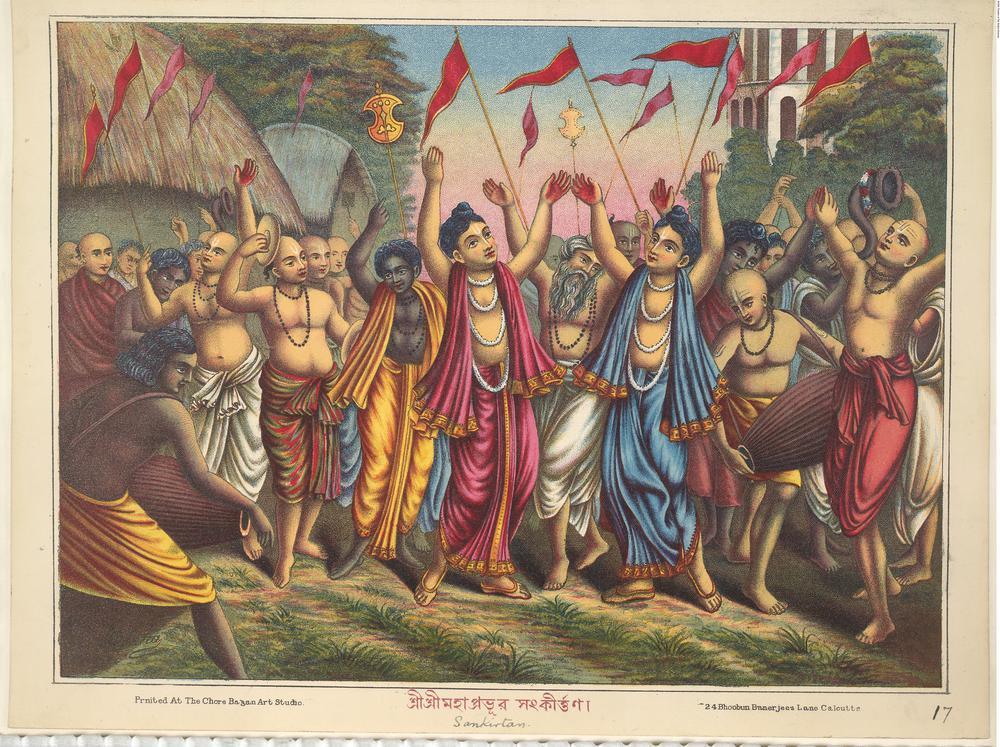
यह पूरा संवाद उस समय हुआ, जब महाप्रभु पुरी में सार्वभौम भट्टाचार्य के घर ठहरे थे। वहाँ उनके कई निकटतम गृहस्थ भक्त अपने व्यक्तिगत प्रश्न लेकर उनके पास आते थे। सत्यराज खान के परिवार को रथयात्रा की रस्सियों की सेवा मिल चुकी थी। इसके बाद यहीं सत्यराज खान ने श्री चैतन्य महाप्रभु से अपना एक कहीं अधिक व्यक्तिगत प्रश्न पूछा। चैतन्य-चरितामृत उनके ठीक-ठीक शब्द लिखता है: "मेरे प्रभु, मैं एक गृहस्थ और भौतिकतावादी व्यक्ति हूँ, मुझे आध्यात्मिक जीवन में उन्नति करने की विधि ज्ञात नहीं है। अतः मैं आपके चरण-कमलों में स्वयं को समर्पित करता हूँ और आपसे निवेदन करता हूँ कि मुझे आदेश दें।" ये शब्द बहुत विनम्र हैं। महाप्रभु ने अभी-अभी सबके सामने कहा था कि यह परिवार उन्हें इतना प्रिय है कि इसके गाँव का कुत्ता भी उन्हें प्रिय है। फिर भी सत्यराज खान ने अपने बारे में ऐसे विनम्र शब्द कहे। महाप्रभु का उत्तर भी प्रश्न की इसी विनम्रता के अनुरूप था। उन्होंने कहा, बिना रुके कृष्ण के पवित्र नाम का जप करते रहो, और जब भी सम्भव हो कृष्ण के भक्तों की सेवा करो। इससे अधिक विस्तृत कुछ नहीं।
सत्यराज संतुष्ट थे, लेकिन उनकी जिज्ञासा बनी रही। उन्होंने आगे पूछा: वे किसी वैष्णव को देखकर वास्तव में कैसे पहचानें? इस विषय पर महाप्रभु का उत्तर चैतन्य-चरितामृत की सबसे अधिक उद्धृत शिक्षाओं में से एक बन गया। जो कोई भी कृष्ण के पवित्र नाम का एक बार भी जप करता है, उन्होंने कहा, वह पूज्य है और उसे मनुष्यों में सर्वश्रेष्ठ गिना जाना चाहिए। ऐसा जप अकेले ही व्यक्ति को पापमय जीवन के फलों से मुक्त कर देता है। इसके लिए पहले किसी विस्तृत दीक्षा-विधि की आवश्यकता नहीं है। "मनुष्य को केवल अपने होठों से पवित्र नाम का उच्चारण करना है," महाप्रभु ने कहा। इससे सबसे निम्न वर्ग का व्यक्ति भी उद्धार पा सकता है। अन्त में उन्होंने एक सीधा निर्देश दिया: "जो हरे कृष्ण मन्त्र का जप कर रहा है, उसे वैष्णव समझा जाना चाहिए, अतः तुम्हें उसे सम्पूर्ण सम्मान देना चाहिए।" सत्यराज ने अभी-अभी स्वयं को भौतिकतावादी और आध्यात्मिक उन्नति से अनजान कहा था। ऐसे गृहस्थ के लिए यह बहुत उदार और सरल उत्तर था। इसमें भक्ति को जिह्वा के कार्य से मापा गया, जन्म, विद्या या औपचारिक योग्यता से नहीं। श्रील प्रभुपाद इस संवाद पर टिप्पणी करते हुए इसे सीधे इस बात से जोड़ते हैं कि दीक्षा वास्तव में कैसे दी जाती है। वे समझाते हैं कि पवित्र नाम का जप दीक्षा या किसी प्रारम्भिक योग्यता की प्रतीक्षा नहीं करता। लेकिन जो व्यक्ति औपचारिक दीक्षा लेना चाहता है, उससे फिर भी यह अपेक्षा की जाती है कि वह पहले जप में और नियामक सिद्धान्तों के पालन में स्थिरता दिखाए।
यह संवाद केवल एक बार की बातचीत नहीं था, क्योंकि यह अतीत में ही सीमित नहीं रहा। चैतन्य-चरितामृत में लिखा है कि अगले किसी वर्ष कुलीन-ग्राम के एक निवासी ने फिर ठीक वही प्रश्न पूछा। उन्होंने पूछा कि उनका कर्तव्य क्या है और वैष्णव को कैसे पहचाना जाए। महाप्रभु ने उन भक्तों की सच्चाई को समझा और धैर्य से उन्हें फिर से वैष्णवों की अलग-अलग श्रेणियों का भेद सिखाया। इस बार उन्होंने समझाया कि प्रथम श्रेणी का वैष्णव वह है, जिसकी उपस्थिति मात्र से दूसरे लोग पवित्र नाम का जप करने लगते हैं। ऐसा वैष्णव स्तर में वैष्णव और वैष्णवतर से भिन्न है। वैष्णव और वैष्णवतर भी सच में उन्नति कर रहे होते हैं, लेकिन उनकी भक्ति अभी दूसरों में उतनी तेज़ी से नहीं फैलती। ग्रन्थ नाम लेकर यह नहीं बताता कि दूसरी बार पूछने वाले स्वयं सत्यराज खान थे या गाँव का कोई और व्यक्ति। इसलिए चैतन्य-चरितामृत यहाँ जितना बताता है, हमें उससे अधिक जानने का दावा नहीं करना चाहिए। लेकिन यह स्पष्ट है कि प्रश्न चाहे किसी ने भी पूछा हो, कुलीन-ग्राम के भक्तों ने इसे एक उत्तर के बाद समाप्त हुआ नहीं माना। वे यह प्रश्न वर्ष-दर-वर्ष महाप्रभु के पास लेकर जाते रहे। वे उन्हीं यात्राओं पर जाते थे, जिन्हें शिवानन्द सेन जैसे लोग बंगाल से पुरी तक आयोजित करते थे। उन्हीं यात्राओं में सत्यराज खान का परिवार भगवान् के रथ के लिए रस्सियाँ भी लाता था।
इस लीला के शास्त्र प्रमाण
इसके पश्चात्, रामानन्द वसु और सत्यराज खान दोनों ने श्री चैतन्य महाप्रभु के चरण-कमलों में अपने-अपने प्रश्न प्रस्तुत किए।
यह सत्यराज खान और महाप्रभु के बीच हुए उस व्यक्तिगत संवाद का परिचय देता है, जिसका विषय है कि एक गृहस्थ किस प्रकार आध्यात्मिक जीवन में उन्नति कर सकता है।
grhastha visayi ami, ki mora sadhane
sri-mukhe ajna kara prabhu—nivedi carane
शब्दार्थ
grhastha: householder; visayi: materialistic man; ami: I; ki: what; mora sadhane: the process of my advancement in spiritual life; sri-mukhe: from Your own mouth; ajna kara: please order; prabhu: my Lord; nivedi carane: I submit unto Your lotus feet.
सत्यराज खान ने कहा, "मेरे प्रभु, मैं एक गृहस्थ और भौतिकतावादी व्यक्ति हूँ, मुझे आध्यात्मिक जीवन में उन्नति करने की विधि ज्ञात नहीं है। अतः मैं आपके चरण-कमलों में स्वयं को समर्पित करता हूँ और आपसे निवेदन करता हूँ कि मुझे आदेश दें।"
सत्यराज खान के अपने ही शब्द, जिन्हें पृष्ठ की मुख्य उद्धरण-पंक्ति के रूप में प्रत्यक्ष उद्धृत किया गया है: आध्यात्मिक उन्नति के विषय में एक गृहस्थ का विनम्र, विशिष्ट प्रश्न।
श्री चैतन्य महाप्रभु ने उत्तर दिया, "निरन्तर भगवान् कृष्ण के पवित्र नाम का जप करते रहो। जब भी सम्भव हो, उनकी और उनके भक्तों, वैष्णवों की सेवा करो।"
वैष्णव को कैसे पहचानें, इस विषय में महाप्रभु की शिक्षा का सार: बाह्य योग्यता से नहीं, स्वयं नाम-जप से।
diksa-puraścarya-vidhi apeksa na kare
jihva-sparse a-candala sabare uddhare
शब्दार्थ
diksa: initiation; puraścarya: activities before initiation; vidhi: regulative principles; apeksa: reliance on; na: not; kare: does; jihva: the tongue; sparse: by touching; a-candala: even the lowest of men, the candala; sabare: everyone; uddhare: delivers.
"दीक्षा लेने अथवा दीक्षा-पूर्व आवश्यक क्रियाएँ करने की आवश्यकता नहीं है। मनुष्य को केवल अपने होठों से पवित्र नाम का उच्चारण करना है। इस प्रकार निम्नतम वर्ग का मनुष्य [चाण्डाल] भी उद्धार पा सकता है।
तात्पर्य से: तात्पर्य का अंश: "इन क्रियाओं की आवश्यकता के कारण, हम इस्कॉन में शिष्यों को तत्काल दीक्षा नहीं देते। दीक्षा के इच्छुक व्यक्ति को पहले छह महीनों तक आरती में उपस्थित रहना, शास्त्रों की कक्षाओं में भाग लेना, नियामक सिद्धान्तों का पालन करना और अन्य भक्तों का संग करना अपेक्षित है।"
यहाँ प्रभुपाद का अपना तात्पर्य इस शिक्षा को इस्कॉन की दीक्षा-प्रथा से सीधे जोड़ता है, जिससे यह श्लोक भक्त पाठकों के लिए विशेष रूप से प्रासंगिक बन जाता है।
"ataeva yanra mukhe eka krsna-nama
sei ta' vaisnava, kariha tanhara sammana"
शब्दार्थ
ataeva: therefore; yanra mukhe: in whose mouth; eka: one; krsna-nama: the holy name of Krishna; sei ta' vaisnava: he is a Vaishnava; kariha: offer; tanhara: to him; sammana: respect.
श्री चैतन्य महाप्रभु ने अन्ततः यह उपदेश दिया, "जो हरे कृष्ण मन्त्र का जप कर रहा है, उसे वैष्णव समझा जाना चाहिए, अतः तुम्हें उसे सम्पूर्ण सम्मान देना चाहिए।"
इस संवाद में सत्यराज खान को दिया गया महाप्रभु का अन्तिम निर्देश। इसमें सार रूप में बताया गया है कि वैष्णव को कैसे पहचानें और उसके साथ कैसा व्यवहार करें।
अगले वर्ष, कुलीन-ग्राम के निवासियों ने पुनः भगवान् से वही प्रश्न पूछा। यह प्रश्न सुनकर, श्री चैतन्य महाप्रभु ने उन्हें पुनः विभिन्न प्रकार के वैष्णवों के विषय में शिक्षा दी।
यह दर्शाता है कि यह वार्तालाप बाद के वर्षों में भी बार-बार हुआ, यद्यपि चैतन्य-चरितामृत नाम लेकर यह स्पष्ट नहीं करता कि स्वयं सत्यराज खान ने ही पुनः प्रश्न पूछा था या नहीं।
श्री चैतन्य महाप्रभु ने कहा, "प्रथम श्रेणी का वैष्णव वह है जिसकी उपस्थिति मात्र से ही अन्य लोग पवित्र नाम का जप करने लगते हैं।"
हमारी सम्पादकीय टीम हरे कृष्ण मूवमेंट, कोटा के प्रशिक्षित भक्तों एवं शोधकर्ताओं से बनी है, जो इसी गुरु-परम्परा का प्रतिदिन पालन करते हैं। प्रत्येक जीवनी सावधानीपूर्वक शोध और शास्त्रों के विरुद्ध तथ्य-जाँच के बाद लिखी जाती है।
समीक्षक
मंदिर एवं शास्त्रीय शोध टीम
तथ्यात्मक शुद्धता तथा वैष्णव दर्शन एवं श्रील प्रभुपाद की शिक्षाओं के साथ संगति सुनिश्चित करने हेतु प्रत्येक जीवनी की हमारे वरिष्ठ भक्तों एवं शास्त्रीय शोधकर्ताओं द्वारा विस्तृत समीक्षा की जाती है।