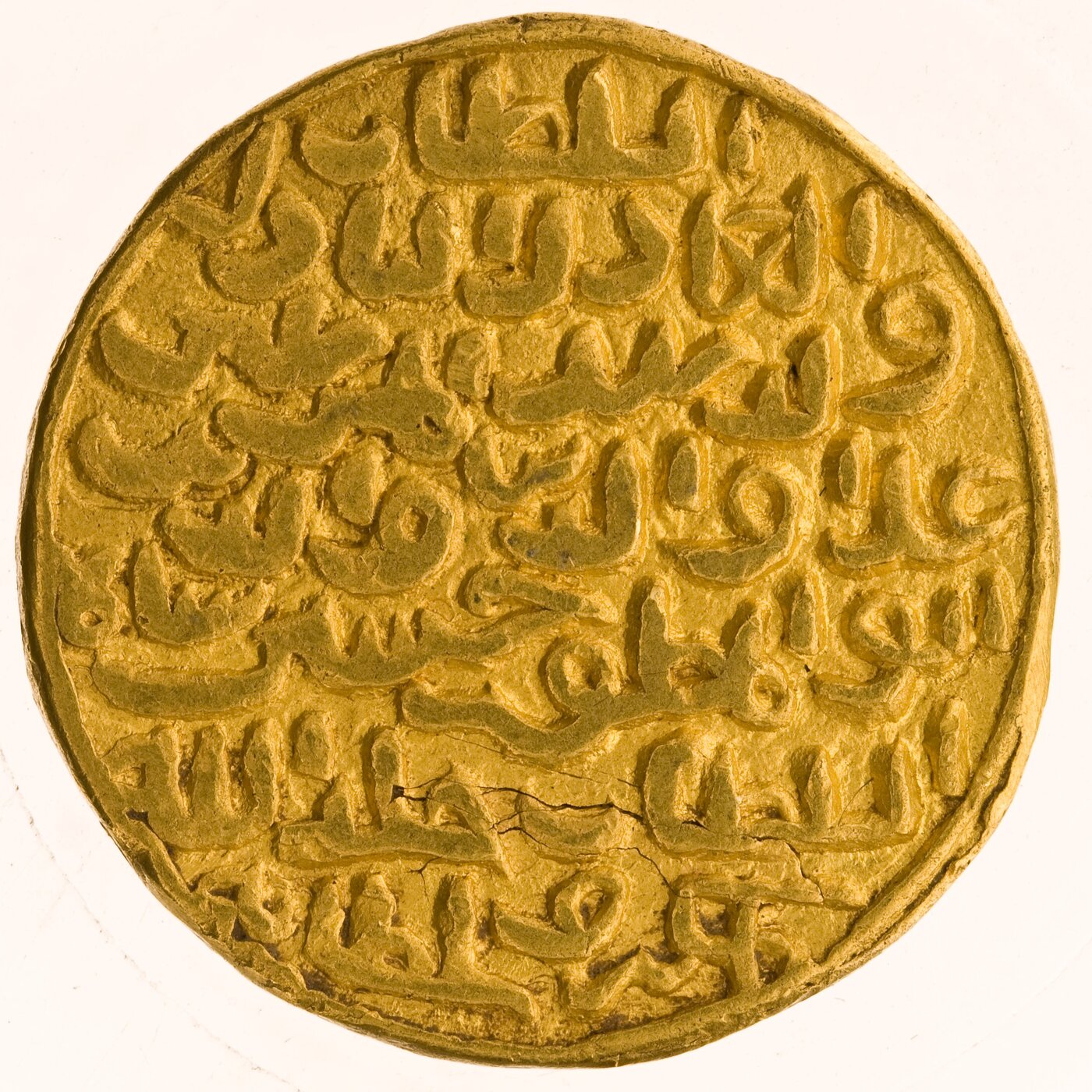
Subuddhi Raya enters Sri Chaitanya-charitamrita already an old man with an entire working life behind him. Krishnadasa Kaviraja Goswami introduces him in one short, simple line. He had been a big landholder and an adhikari in Gauda-desa. An adhikari was a respected officer, or a man of real local authority. Gauda-desa was the historic heart of Bengal, centered on the old Sultanate capital of Gaur. This was Bengal under Muslim rule, but not a Bengal where Hindus were shut out of power. Educated Hindu officials, especially brahmanas skilled in accounts, law and administration, regularly held real posts in the Sultanate's own government. Sanatana Goswami and his younger brother Rupa Goswami belonged to exactly this world. Both served for years as ministers under the Nawab of Bengal before they ever met Sri Chaitanya Mahaprabhu. Chaitanya-charitamrita later says plainly that Subuddhi Raya and Sanatana Goswami already knew each other personally from this earlier period. They were friends from the ordinary working world of Bengal's government officials. This was long before either man had any thought of the renounced life ahead of him.
A Servant Named Hussain Khan #
At this time a young man named Hussain Khan was among the people working under Subuddhi Raya. He was called a Sayyid (saiyada). Muslims of that time used this title to show descent from the family of the Prophet. Subuddhi Raya put him in charge of a substantial piece of work: digging a large tank, or artificial lake. When Hussain Khan made some mistake in carrying it out, Subuddhi Raya, as his employer, punished him by striking him with a whip. For its time, it was a fairly ordinary act of household discipline. Nothing in the text suggests either man thought much of it afterward. But it left a visible mark on Hussain Khan's back, and that mark would come up again, years later, at the center of the crisis that changed Subuddhi Raya's life.
From Servant to Nawab #
Chaitanya-charitamrita records, plainly but carefully, that Hussain Khan afterward rose "by some means or other" to become the Nawab, or ruler, of Bengal itself. History remembers this ruler as Ala-ud-din Husain Shah, who governed Bengal from 1494 to 1519. He was the same Nawab under whom Rupa Goswami served as a minister. Sanatana Goswami also once served at his court in a position of high responsibility. Once in power, Husain Shah did not forget the man who had once employed and disciplined him. Chaitanya-charitamrita says he increased Subuddhi Raya's wealth and standing "as a matter of obligation," repaying in his own way years of being maintained and cared for by Subuddhi Raya. He later called Subuddhi Raya, in his own words, "like a father" to him.
Modern historians are considerably more cautious than the Gaudiya devotional tradition about this specific detail of Husain Shah's early life. Wikipedia's own account of Alauddin Husain Shah notes that this servant-to-sultan story comes from Krishnadasa Kaviraja Goswami's own account in Chaitanya-charitamrita. It also notes that some historians do not treat the story as settled fact. They work from other evidence, which shows a slower rise through the ranks of the Sultanate's government. The Gaudiya tradition's own standard is to accept Chaitanya-charitamrita as a devotional and historical source with genuine authority. At the same time, it notes honestly that outside academic history is less certain on this one particular point.
A Debt That Would Soon Turn Dangerous #
For a while, this reversal of fortune looked like nothing but good news for Subuddhi Raya. A former master had been unexpectedly rewarded by a grateful former servant who now sat on Bengal's throne. Nothing in Chaitanya-charitamrita suggests either man expected trouble from it. Subuddhi Raya went on managing his estate and keeping his standing in Gauda-desa. Husain Shah went on ruling, and by most historical accounts he ruled comparatively well. His reign is generally remembered as a settled and even tolerant period for Bengal. In this period Hindu officials such as Subuddhi Raya, and later Rupa and Sanatana Goswami themselves, could rise to real positions of trust. The Forced Conversion and His Despair tells what Chaitanya-charitamrita describes next. That same old debt, together with the old whip-mark on Husain Shah's back, quickly turned into the gravest crisis of Subuddhi Raya's life.
