Sri Subuddhi Raya
The Landholder Sri Chaitanya Mahaprabhu Told to Simply Chant
The complete life, on one page: The main biography and every pastime page, in order, in one place
Introduction
Sri Subuddhi Raya is remembered in the Gaudiya Vaishnava tradition for one of the most vivid personal stories in the whole of Sri Chaitanya-charitamrita. He was a respected Bengali landholder. The Nawab of Bengal had once worked for him as a servant. The wife of this Nawab pushed Subuddhi Raya into a symbolic loss of his own caste and religion. In his despair, Subuddhi Raya found that Sri Chaitanya Mahaprabhu's actual answer to the crisis was far simpler than anything the learned brahmanas of Varanasi had told him. Krishnadasa Kaviraja Goswami tells his story across roughly thirty verses of Chaitanya-charitamrita, Madhya-lila, chapter twenty-five. The chapter has a fitting title, "How All the Residents of Varanasi Became Vaishnavas."
| Detail | Description |
|---|---|
| Also known as | Subuddhi Ray, Subuddhi Rai |
| Position | A big landholder and adhikari (respected officer) in Gauda-desa, Bengal, under the Bengal Sultanate |
| Best known for | Being forced through a symbolic loss of caste, and Sri Chaitanya Mahaprabhu's instruction to him at Varanasi to simply chant |
| Key connection | Personally known to Sanatana Goswami before either man took the renounced order; later hosted Rupa Goswami for a month in Vrindavana |
| Later life | Lived in real poverty near Mathura, selling firewood while feeding visiting Vaishnavas |
| Samadhi | Among the first three samadhis established in the "64 Samadhis" area near the Radha Govinda Temple, Vrindavana |
Scriptural evidence for the introduction (1)
इति शुश्रुम निर्बन्धं तप: परममास्थित: ।
विधत्स्वानन्तरं युक्तं स्वयं त्रिभुवनेश्वर ॥
iti śuśruma nirbandhaṁ
tapaḥ paramam āsthitaḥ
vidhatsvānantaraṁ yuktaṁ
svayaṁ tri-bhuvaneśvara
O lord, we have heard from reliable sources that in order to obtain your post, Hiraṇyakaśipu is now engaged in severe austerity. You are the master of the three worlds. Please, without delay, take whatever steps you deem appropriate.
From the purport: Purport excerpt: "It is learned from Caitanya literature that one big Zamindar, Subuddhi Rāya, kept a Mohammedan boy as a servant... Later, after that boy had by crooked means become Hussain Shah, Nawab of Bengal... the Nawab agreed [to his wife's demand]. Taking some water from his waterpot, he sprinkled it upon Subuddhi Rāya and declared that Subuddhi Rāya had now become a Mohammedan."
This verse itself is about Hiranyakashipu seeking Brahma's post and is unrelated to Subuddhi Raya; it is cited here only because Srila Prabhupada uses Subuddhi Raya's story as his own illustrative example in the purport, retelling the whole incident independently of the Chaitanya-charitamrita narrative.
Chapter 1
Life and Service Before His Trial
What Chaitanya-charitamrita tells us about Subuddhi Raya's standing in Bengal, the servant he once punished, and how their fortunes reversed.
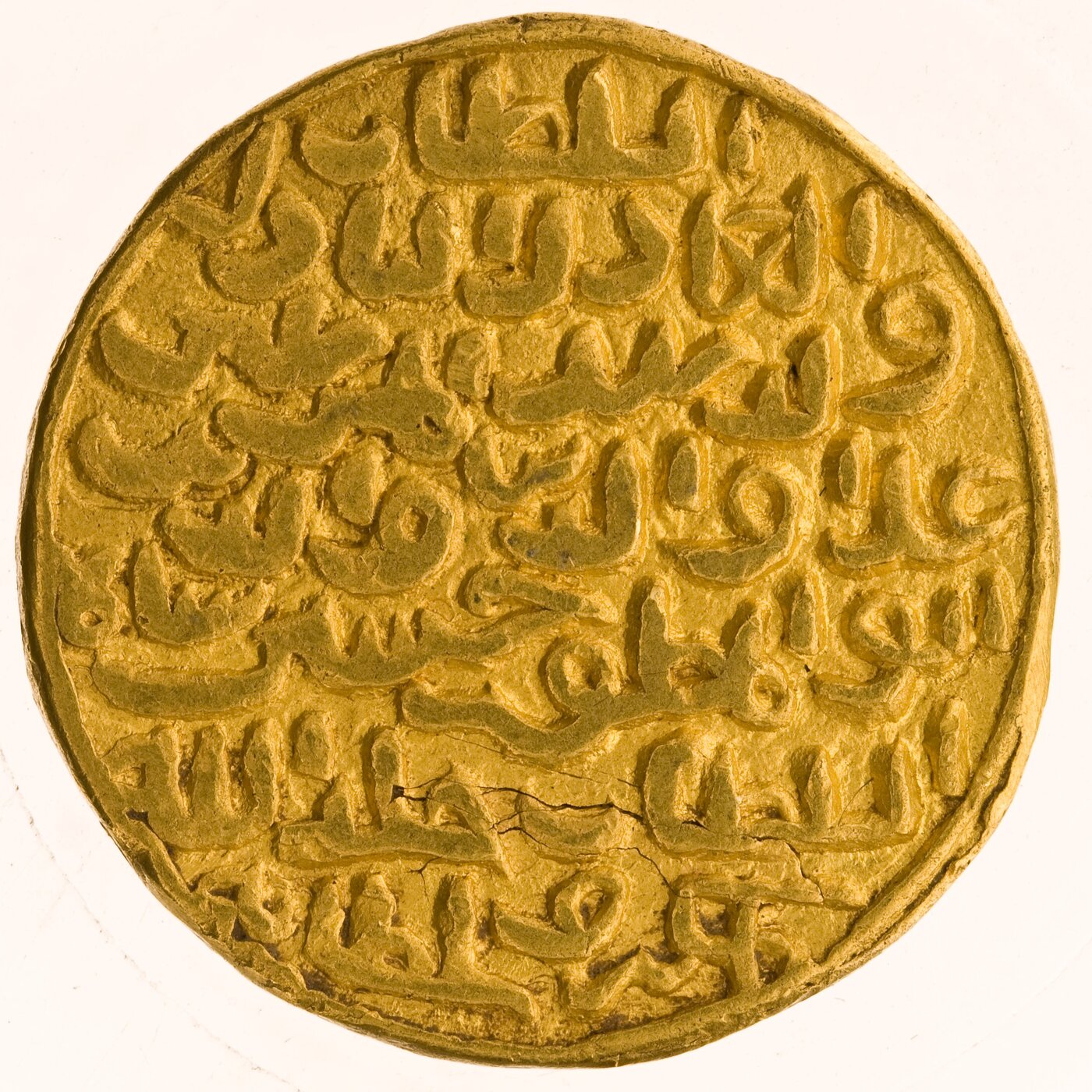
Subuddhi Raya enters Sri Chaitanya-charitamrita already an old man with an entire working life behind him. Krishnadasa Kaviraja Goswami introduces him in one short, simple line. He had been a big landholder and an adhikari in Gauda-desa. An adhikari was a respected officer, or a man of real local authority. Gauda-desa was the historic heart of Bengal, centered on the old Sultanate capital of Gaur. This was Bengal under Muslim rule, but not a Bengal where Hindus were shut out of power. Educated Hindu officials, especially brahmanas skilled in accounts, law and administration, regularly held real posts in the Sultanate's own government. Sanatana Goswami and his younger brother Rupa Goswami belonged to exactly this world. Both served for years as ministers under the Nawab of Bengal before they ever met Sri Chaitanya Mahaprabhu. Chaitanya-charitamrita later says plainly that Subuddhi Raya and Sanatana Goswami already knew each other personally from this earlier period. They were friends from the ordinary working world of Bengal's government officials. This was long before either man had any thought of the renounced life ahead of him.
A Servant Named Hussain Khan #
At this time a young man named Hussain Khan was among the people working under Subuddhi Raya. He was called a Sayyid (saiyada). Muslims of that time used this title to show descent from the family of the Prophet. Subuddhi Raya put him in charge of a substantial piece of work: digging a large tank, or artificial lake. When Hussain Khan made some mistake in carrying it out, Subuddhi Raya, as his employer, punished him by striking him with a whip. For its time, it was a fairly ordinary act of household discipline. Nothing in the text suggests either man thought much of it afterward. But it left a visible mark on Hussain Khan's back, and that mark would come up again, years later, at the center of the crisis that changed Subuddhi Raya's life.
From Servant to Nawab #
Chaitanya-charitamrita records, plainly but carefully, that Hussain Khan afterward rose "by some means or other" to become the Nawab, or ruler, of Bengal itself. History remembers this ruler as Ala-ud-din Husain Shah, who governed Bengal from 1494 to 1519. He was the same Nawab under whom Rupa Goswami served as a minister. Sanatana Goswami also once served at his court in a position of high responsibility. Once in power, Husain Shah did not forget the man who had once employed and disciplined him. Chaitanya-charitamrita says he increased Subuddhi Raya's wealth and standing "as a matter of obligation," repaying in his own way years of being maintained and cared for by Subuddhi Raya. He later called Subuddhi Raya, in his own words, "like a father" to him.
Modern historians are considerably more cautious than the Gaudiya devotional tradition about this specific detail of Husain Shah's early life. Wikipedia's own account of Alauddin Husain Shah notes that this servant-to-sultan story comes from Krishnadasa Kaviraja Goswami's own account in Chaitanya-charitamrita. It also notes that some historians do not treat the story as settled fact. They work from other evidence, which shows a slower rise through the ranks of the Sultanate's government. The Gaudiya tradition's own standard is to accept Chaitanya-charitamrita as a devotional and historical source with genuine authority. At the same time, it notes honestly that outside academic history is less certain on this one particular point.
A Debt That Would Soon Turn Dangerous #
For a while, this reversal of fortune looked like nothing but good news for Subuddhi Raya. A former master had been unexpectedly rewarded by a grateful former servant who now sat on Bengal's throne. Nothing in Chaitanya-charitamrita suggests either man expected trouble from it. Subuddhi Raya went on managing his estate and keeping his standing in Gauda-desa. Husain Shah went on ruling, and by most historical accounts he ruled comparatively well. His reign is generally remembered as a settled and even tolerant period for Bengal. In this period Hindu officials such as Subuddhi Raya, and later Rupa and Sanatana Goswami themselves, could rise to real positions of trust. The Forced Conversion and His Despair tells what Chaitanya-charitamrita describes next. That same old debt, together with the old whip-mark on Husain Shah's back, quickly turned into the gravest crisis of Subuddhi Raya's life.
Scriptural evidence for this chapter (3)
পূর্বে যবে সুবুদ্ধি-রায় ছিলা গৌড়ে ‘অধিকারী’ ।
হুসেন-খাঁ ‘সৈয়দ’ করে তাহার চাকরী ॥ ১৮৭ ॥
pūrve yabe subuddhi-rāya chilā gauḍe ‘adhikārī’
husena-khāṅ ‘saiyada’ kare tāhāra cākarī
Word for word
pūrve: formerly; yabe: when; subuddhi-rāya: Subuddhi Rāya; chilā: resided; gauḍe: in Bengal; adhikārī: a very respectable man; husena-khāṅ: Nawab Hussain Khān; saiyada: named Saiyada; kare: performed; tāhāra cākarī: service of Subuddhi Rāya.
Formerly Subuddhi Rāya had been a big landholder in Gauḍa-deśa [Bengal]. Saiyada Hussain Khān was then a servant of Subuddhi Rāya.
Opens Subuddhi Raya's story: he was a big landholder in Bengal, and Hussain Khan was then his servant.
দীঘি খোদাইতে তারে ‘মুন্সীফ’ কৈলা ।
ছিদ্র পাঞা রায় তারে চাবুক মারিলা ॥ ১৮৮ ॥
dīghi khodāite tāre ‘munsīpha’ kailā
chidra pāñā rāya tāre cābuka mārilā
Word for word
dīghi khodāite: to dig a big lake; tāre: Hussain Khān; munsīpha kailā: appointed as the supervisor; chidra pāñā: finding some fault; rāya: Subuddhi Rāya; tāre: him; cābuka mārilā: whipped.
Subuddhi Rāya put Hussain Khān in charge of digging a big lake, but once, finding fault with him, he struck him with a whip.
The whipping incident during the digging of a lake, the origin of the scar that later triggers the whole crisis.
পাছে যবে হুসেন-খাঁ গৌড়ে ‘রাজা’ হইল ।
সুবুদ্ধি-রায়েরে তিঁহো বহু বাড়াইল ॥ ১৮৯ ॥
pāche yabe husena-khāṅ gauḍe ‘rājā’ ha-ila
subuddhi-rāyere tiṅho bahu bāḍāila
Word for word
pāche: later; yabe: when; husena-khāṅ: Hussain Khān; gauḍe: in Bengal; rājā ha-ila: was appointed Nawab, or governor, by the central Muslim government; subuddhi-rāyere: unto Subuddhi Rāya; tiṅho: he; bahu bāḍāila: increased the opulences.
Later Hussain Khān somehow or other was appointed Nawab by the central Muslim government. As a matter of obligation, he increased the opulences of Subuddhi Rāya.
Hussain Khan's rise to Nawab and his reciprocal favor toward Subuddhi Raya, out of a sense of obligation.
Chapter 2
The Forced Conversion and His Despair
How a wife's demand for revenge turned into a forced, symbolic loss of caste, and left Subuddhi Raya doubting his own place in his faith.
Subuddhi Raya's crisis began with something as small as a scar. Long after Hussain Khan had become Nawab Husain Shah of Bengal, his wife happened to see the old whip-mark still visible on her husband's body and asked him about it. He explained that it came from a punishment by his old master, Subuddhi Raya, during his years as a servant. She reacted with immediate anger and told her husband to kill the man who had struck him.
Husain Shah refused outright. Chaitanya-charitamrita records his exact reply: "Subuddhi Raya has maintained me very carefully. He was just like a father to me. Now you are asking me to kill him. This is not a very good proposal." It is a small but striking moment in the text: a Muslim Nawab defending the honor of the Hindu master who had once whipped him, purely out of gratitude for years of being cared for.
A "Gentler" Alternative That Was Nothing of the Kind #
His wife did not let the matter drop. If he would not kill Subuddhi Raya outright, she proposed, then at least take away his caste and make him a Muslim instead. On the surface this looked like mercy compared to murder. Husain Shah knew better, and he told her so directly. He warned that stripping Subuddhi Raya of his caste would be the same as killing him. This was because in the strict social customs of the time, a Hindu who lost his caste was cut off completely from his own family, community and religious life. It was a kind of social death.
His wife kept pressing regardless. At last, in Krishnadasa Kaviraja Goswami's own words, the Nawab found himself "in a perplexing problem." He solved it in the only way he could see. He took water from a pitcher that had been used by a Muslim and sprinkled a little of it on Subuddhi Raya's head. Then he declared that, in the eyes of Hindu society, Subuddhi Raya was now a Muslim.
In his purport to this incident, Srila Prabhupada shows that it was part of a much wider pattern of that time. Five hundred years ago in India, he writes, Hindu custom was strict enough that even an accidental sprinkle of water from a Muslim's pitcher was treated as a reason to expel someone from their own caste community. He directly connects Subuddhi Raya's case with that of Rupa Goswami and Sanatana Goswami themselves. He notes that though both were born into a high brahmana family, they too "were considered Muslims" by the society of their day, simply because they had taken employment under a Muslim government.
Leaving Everything for Varanasi #
Subuddhi Raya did not fight the ruling of his own community. Instead, he took the incident as an opportunity. Chaitanya-charitamrita's own wording suggests he had already been drawn toward giving up worldly life before any of this happened. Srila Prabhupada's purport notes that Subuddhi Raya appears to have already been thinking of accepting the renounced order. It also says that this crisis simply gave him the chance to finally leave his family and business affairs behind. He set out at once for Varanasi.
Conflicting Advice and a Deepening Doubt #
Once there, Subuddhi Raya went looking for guidance from the learned brahmanas of the city on how to undo what had happened to him. The advice they gave him was completely opposite. Some told him the only way to undo his conversion was to drink boiling ghee and give up his life then and there. This penance was, in effect, ritual suicide. Others told him plainly that he had done nothing wrong at all, that no real offense had taken place, and that no such penance was called for.
Srila Prabhupada compares this exact kind of disagreement to how lawyers or physicians often give opposite advice on the very same case. For Subuddhi Raya, though, this was not just a question of theory. His own life and standing were in question. The contradiction left him more lost than before. He was unsure whether he was condemned, blameless, or something in between, and he had no way to know which brahmana to trust. In this state of real confusion, he happened to meet Sri Chaitanya Mahaprabhu, who was then passing through Varanasi, and told Him everything that had happened. Sri Chaitanya Mahaprabhu's Instruction tells what Mahaprabhu said to him in reply.
Scriptural evidence for this chapter (7)
তার স্ত্রী তার অঙ্গে দেখে মারণের চিহ্নে ।
সুবুদ্ধি-রায়েরে মারিতে কহে রাজা-স্থানে ॥ ১৯০ ॥
tāra strī tāra aṅge dekhe māraṇera cihne
subuddhi-rāyere mārite kahe rājā-sthāne
Word for word
tāra strī: his wife; tāra aṅge: on his body; dekhe: sees; māraṇera cihne: the mark of the whip; subuddhi-rāyere: Subuddhi Rāya; mārite: to kill; kahe: says; rājā-sthāne: in the presence of the King.
Later, when the wife of Nawab Saiyada Hussain Khān saw the whip marks on his body, she requested him to kill Subuddhi Rāya.
The Nawab's wife discovers the whip-scar and demands Subuddhi Raya's death.
রাজা কহে, — আমার পোষ্টা রায় হয় ‘পিতা’ ।
তাহারে মারিমু আমি, — ভাল নহে কথা ॥ ১৯১ ॥
rājā kahe, — āmāra poṣṭā rāya haya ‘pitā’
tāhāre mārimu āmi, — bhāla nahe kathā
Word for word
rājā kahe: the King said; āmāra: my; poṣṭā: maintainer; rāya: Subuddhi Rāya; haya: is; pitā: just like my father; tāhāre mārimu: shall kill him; āmi: I; bhāla nahe kathā: this is not a good proposal.
Hussain Khān replied, “Subuddhi Rāya has maintained me very carefully. He was just like a father to me,” he said. “Now you are asking me to kill him. This is not a very good proposal.”
Hussain Shah's refusal to kill Subuddhi Raya, calling him like a father to him.
স্ত্রী কহে, — জাতি লহ’, যদি প্রাণে না মারিবে ।
রাজা কহে, — জাতি নিলে ইঁহো নাহি জীবে ॥ ১৯২ ॥
strī kahe, — jāti laha’, yadi prāṇe nā māribe
rājā kahe, — jāti nile iṅho nāhi jībe
Word for word
strī kahe: the wife replied; jāti laha’: then take his caste; yadi: if; prāṇe nā māribe: you will not kill him; rājā kahe: the King replied; jāti nile: if I take his caste; iṅho nāhi jībe: he will not live (he will commit suicide).
As a last alternative, the wife suggested that the Nawab take away Subuddhi Rāya’s caste and turn him into a Muslim, but Hussain Khān replied that if he did this, Subuddhi Rāya would not live.
The wife's alternative proposal, take away his caste instead, and Hussain Shah's warning that this too would effectively kill him.
স্ত্রী মরিতে চাহে, রাজা সঙ্কটে পড়িল ।
করোঁয়ার পানি তার মুখে দেওয়াইল ॥ ১৯৩ ॥
strī marite cāhe, rājā saṅkaṭe paḍila
karoṅyāra pāni tāra mukhe deoyāila
Word for word
strī: the wife; marite cāhe: wants to kill Subuddhi Rāya; rājā: the King; saṅkaṭe paḍila: became very much perplexed; karoṅyāra pāni: water from a pitcher especially used by Muslims; tāra mukhe: on his head; deoyāila: forced to be sprinkled.
This became a perplexing problem for him because his wife kept requesting him to kill Subuddhi Rāya. Finally the Nawab sprinkled a little water on Subuddhi Rāya’s head from a pitcher that had been used by a Muslim.
From the purport: Purport excerpt: "Rūpa Gosvāmī and Sanātana Gosvāmī were born in a high brāhmaṇa family, but because they accepted employment under a Muslim government, they were considered Muslims. Subuddhi Rāya was sprinkled with water from the pitcher of a Muslim, and consequently he was condemned to have become a Muslim."
The act itself: water from a Muslim's pitcher sprinkled on Subuddhi Raya, declaring him a Muslim.
তবে সুবুদ্ধি-রায় সেই ‘ছদ্ম’ পাঞা ।
বারাণসী আইলা, সব বিষয় ছাড়িয়া ॥ ১৯৪ ॥
tabe subuddhi-rāya sei ‘chadma’ pāñā
vārāṇasī āilā, saba viṣaya chāḍiyā
Word for word
tabe: upon this; subuddhi-rāya: Subuddhi Rāya; sei: that; chadma: plea; pāñā: getting an opportunity; vārāṇasī āilā: came to Vārāṇasī; saba: all; viṣaya chāḍiyā: giving up the implications of material activities.
Taking the Nawab’s sprinkling water upon him as an opportunity, Subuddhi Rāya left his family and business affairs and went to Vārāṇasī.
From the purport: Purport excerpt: "Actually he was planning to give up his material life and leave his family... Subuddhi Rāya was thinking of taking sannyāsa, and by the grace of Kṛṣṇa, he received this opportunity."
Subuddhi Raya leaves his family and business for Varanasi, treating the incident as an opportunity.
প্রায়শ্চিত্ত পুছিলা তিঁহো পণ্ডিতের গণে ।
তাঁরা কহে, — তপ্ত-ঘৃত খাঞা ছাড়’ প্রাণে ॥ ১৯৫ ॥
prāyaścitta puchilā tiṅho paṇḍitera gaṇe
tāṅrā kahe, — tapta-ghṛta khāñā chāḍa’ prāṇe
Word for word
prāyaścitta: atonement; puchilā: inquired; tiṅho: he; paṇḍitera gaṇe: among the learned scholars or brāhmaṇa-paṇḍitas in Vārāṇasī; tāṅrā kahe: they advised; tapta-ghṛta: hot clarified butter; khāñā: drinking; chāḍa’: give up; prāṇe: your life.
When Subuddhi Rāya consulted the learned brāhmaṇas at Vārāṇasī, asking them how his conversion to Islam could be counteracted, they advised him to drink hot ghee and give up his life.
One group of Varanasi brahmanas advises Subuddhi Raya to drink hot ghee and give up his life as atonement.
কেহ কহে, — এই নহে, ‘অল্প’ দোষ হয় ।
শুনিয়া রহিলা রায় করিয়া সংশয় ॥ ১৯৬ ॥
keha kahe, — ei nahe, ‘alpa’ doṣa haya
śuniyā rahilā rāya kariyā saṁśaya
Word for word
keha kahe: some of the learned brāhmaṇas said; ei: this; nahe: not; alpa: insignificant; doṣa: fault; haya: is; śuniyā: hearing; rahilā: remained; rāya: Subuddhi Rāya; kariyā: making; saṁśaya: doubt.
When Subuddhi Rāya consulted some other brāhmaṇas, they told him that he had not committed a grievous fault and that consequently he should not drink hot ghee and give up his life. As a result, Subuddhi Rāya was doubtful about what to do.
From the purport: Purport excerpt: "Due to the brāhmaṇas' different opinions, Subuddhi Rāya became further perplexed. He did not know what to do or what not to do."
A second group of brahmanas disagrees, telling him he committed no real fault; the contradiction leaves him doubtful.
Chapter 3
Sri Chaitanya Mahaprabhu's Instruction
The exact words Sri Chaitanya Mahaprabhu spoke to a man who believed himself disqualified from his own faith, and why Srila Prabhupada calls this instruction a solution to all sinful activity.
By the time Subuddhi Raya reached Sri Chaitanya Mahaprabhu in Varanasi, he had already asked Hindu society's own religious authorities for an answer and received two contradictory ones. Chaitanya-charitamrita says simply that he "explained his position and asked Sri Chaitanya Mahaprabhu what he should do," and it was essentially the same question he had already put to the brahmanas. But this time he addressed it to the Lord Himself. This meeting took place during the same period, and in the same city, where Chaitanya-charitamrita records some of Sri Chaitanya Mahaprabhu's most famous teaching. Krishnadasa Kaviraja Goswami's own heading for the whole chapter that contains Subuddhi Raya's story is "How All the Residents of Varanasi Became Vaishnavas."
No Ritual, No Debate: Just the Holy Name #
Mahaprabhu's answer contained no reference to caste law, no ritual prescription, and no verdict on whether Subuddhi Raya had sinned or not. He simply told him: "Go to Vrindavana and chant the Hare Krishna mantra constantly." Then He explained why this alone would be enough. "Begin chanting the Hare Krishna mantra," He said, "and when your chanting is almost pure, all your sinful reactions will go away. After you chant perfectly, you will get shelter at the lotus feet of Krishna." And He finished with the plainest possible statement of the principle at work: "When you are situated at the lotus feet of Krishna, no sinful reaction can touch you. This is the best solution to all sinful activity." (Sri Chaitanya-charitamrita, Madhya-lila 25.198-200.)
Why Srila Prabhupada Calls This a Solution for the Age #
In his purport to this instruction, Srila Prabhupada shows that it reaches far beyond one man's personal crisis. He writes that everyone in the present age is "perplexed by so many inconveniences, social, political and religious," and that Sri Chaitanya Mahaprabhu's answer to Subuddhi Raya is the simplest method for anyone in that condition. That method is to constantly chant the holy names of the Lord, the Hare Krishna maha-mantra. In the purport he says: "We should constantly chant the holy names of the Lord, the Hare Kṛṣṇa mahā-mantra... Chant the Hare Kṛṣṇa mahā-mantra, be freed from all the complexities of life, and realize Kṛṣṇa, the Supreme Personality of Godhead."
Mahaprabhu promised that Subuddhi Raya's chanting would gradually become pure and his past wrongdoing would fall away. On this promise, Srila Prabhupada takes care to make one point very clear. Nobody is told to wait until they feel pure enough before they start. In the purport he says: "According to Śrī Caitanya Mahāprabhu's instructions, one should not wait to purify himself before chanting the Hare Kṛṣṇa mantra. Whatever our condition may be, we should begin chanting immediately." The chanting itself, done sincerely and without offense, does the purifying. It is not done by any earlier qualification, by caste standing, or by a ritual that takes a person back into caste.
The Same Principle Sri Chaitanya Mahaprabhu Applied to Rupa and Sanatana #
Subuddhi Raya's case was not an isolated exception Mahaprabhu made for one distressed old man. Elsewhere in this same chapter, Srila Prabhupada's purport directly compares Subuddhi Raya's situation with that of Rupa Goswami and Sanatana Goswami themselves. Both brothers were born into a high brahmana family. Yet in the eyes of their own society they were "considered Muslims" simply for having served in a Muslim government's administration. In exactly the same way, Subuddhi Raya was considered a Muslim for a sprinkle of water he never asked for. None of the three men sought or received any formal ritual to convert them back or to restore their caste. According to Sri Chaitanya Mahaprabhu's own teaching, and as the life each of them went on to live shows, what restored them was sincere devotional service, bhakti. It was not birth, and it was not any ritual to remove a social label. In the Bhagavad-gita, Lord Krishna Himself declares the same truth: "O son of Pritha, those who take shelter in Me, though they be of lower birth – women, vaishyas [merchants] and shudras [workers] – can attain the supreme destination" (Bhagavad-gita 9.32). In the entire Chaitanya-charitamrita, this is one of the clearest and most concrete examples of a teaching Mahaprabhu gave again and again. A person's actual spiritual qualification has nothing to do with caste.
Nama-Abhasa: Why an Imperfect Chant Was Still Enough #
One word in Mahaprabhu's own Bengali deserves special attention. Chaitanya-charitamrita's original verse does not promise that Subuddhi Raya's sins would vanish only once his chanting became flawless. Instead, it uses the term nama-abhasa. This means a chant that is only a reflection, or shadow, of the pure holy name, not yet free of all offense. The verse says that even this much would be enough to make his past wrongdoing go away. It would also open the path toward the pure chanting that follows. Srila Prabhupada returns to exactly this distinction in his purport: perfection is the goal, not the entry requirement. A sincere but still-imperfect chanter is not turned away at the door. He is simply told to keep chanting, and the impurities burn away as he goes.
A Command Followed at Once #
Subuddhi Raya did not hesitate. Chaitanya-charitamrita records that, "receiving the order from Sri Chaitanya Mahaprabhu," he left Varanasi immediately and set out for Vrindavana, traveling by way of Prayaga, Ayodhya and Naimisaranya. Life of Service in Mathura and Vrindavana tells what that life of chanting and service actually looked like once he reached his destination.
Scriptural evidence for this chapter (5)
তবে যদি মহাপ্রভু বারাণসী আইলা ।
তাঁরে মিলি’ রায় আপন-বৃত্তান্ত কহিলা ॥ ১৯৭ ॥
tabe yadi mahāprabhu vārāṇasī āilā
tāṅre mili’ rāya āpana-vṛttānta kahilā
Word for word
tabe: at this moment; yadi: when; mahāprabhu: Śrī Caitanya Mahāprabhu; vārāṇasī āilā: came to Vārāṇasī; tāṅre mili’: meeting Him; rāya: Subuddhi Rāya; āpana-vṛttānta kahilā: explained his personal situation.
In his state of perplexity, Subuddhi Rāya met Śrī Caitanya Mahāprabhu when the Lord was at Vārāṇasī. Subuddhi Rāya explained his position and asked Śrī Caitanya Mahāprabhu what he should do.
In this state of perplexity, Subuddhi Raya meets Sri Chaitanya Mahaprabhu at Varanasi and explains his whole situation.
প্রভু কহে, — ইহাঁ হৈতে যাহ’ বৃন্দাবন ।
নিরন্তর কর কৃষ্ণনামসংকীর্তন ॥ ১৯৮ ॥
prabhu kahe, — ihāṅ haite yāha’ vṛndāvana
nirantara kara kṛṣṇa-nāma-saṅkīrtana
Word for word
prabhu kahe: the Lord advised; ihāṅ haite: from this place; yāha’ vṛndāvana: go to Vṛndāvana; nirantara: incessantly; kara: perform; kṛṣṇa-nāma-saṅkīrtana: chanting of the holy name of Kṛṣṇa.
The Lord advised him, “Go to Vṛndāvana and chant the Hare Kṛṣṇa mantra constantly.”
From the purport: Purport excerpt: "We should constantly chant the holy names of the Lord, the Hare Kṛṣṇa mahā-mantra... Chant the Hare Kṛṣṇa mahā-mantra, be freed from all the complexities of life, and realize Kṛṣṇa, the Supreme Personality of Godhead."
Mahaprabhu's core instruction: go to Vrindavana and chant the Hare Krishna mantra constantly, no ritual penance, no caste ruling.
এক ‘নামাভাসে’ তোমার পাপ-দোষ যাবে ।
আর ‘নাম’ লইতে কৃষ্ণচরণ পাইবে ॥ ১৯৯ ॥
eka ‘nāmābhāse’ tomāra pāpa-doṣa yābe
āra ‘nāma’ la-ite kṛṣṇa-caraṇa pāibe
Word for word
eka: one; nāma-ābhāse: by a reflection of the pure chanting of the Hare Kṛṣṇa mahā-mantra; tomāra: your; pāpa-doṣa yābe: all the sinful reactions will go away; āra: then again; nāma la-ite: after chanting purely the name of the Lord; kṛṣṇa-caraṇa pāibe: you will get shelter at the lotus feet of Kṛṣṇa.
Śrī Caitanya Mahāprabhu further advised Subuddhi Rāya: “Begin chanting the Hare Kṛṣṇa mantra, and when your chanting is almost pure, all your sinful reactions will go away. After you chant perfectly, you will get shelter at the lotus feet of Kṛṣṇa.
From the purport: Purport excerpt: "According to Śrī Caitanya Mahāprabhu's instructions, one should not wait to purify himself before chanting the Hare Kṛṣṇa mantra. Whatever our condition may be, we should begin chanting immediately."
The promise that even nama-abhasa, a mere reflection of pure chanting, removes sinful reactions and leads to Krishna's shelter.
আর কৃষ্ণনাম লৈতে কৃষ্ণস্থানে স্থিতি ।
মহাপাতকের হয় এই প্রায়শ্চিত্তি ॥ ২০০ ॥
āra kṛṣṇa-nāma laite kṛṣṇa-sthāne sthiti
mahā-pātakera haya ei prāyaścitti
Word for word
āra: further; kṛṣṇa-nāma: the Hare Kṛṣṇa mahā-mantra; laite: continuously chanting; kṛṣṇa-sthāne sthiti: being situated in company with Lord Kṛṣṇa; mahā-pātakera: of all kinds of sinful activity; haya: is; ei: this; prāyaścitti: atonement.
“When you are situated at the lotus feet of Kṛṣṇa, no sinful reaction can touch you. This is the best solution to all sinful activity.”
Mahaprabhu's closing statement: shelter at Krishna's feet through the holy name is the best solution to all sinful activity.
māṁ hi pārtha vyapāśritya
ye 'pi syuḥ pāpa-yonayaḥ
striyo vaiśyās tathā śūdrās
te 'pi yānti parāṁ gatim
Word for word
mām: of Me; hi: certainly; pārtha: O son of Pṛthā; vyapāśritya: particularly taking shelter; ye: those who; api: also; syuḥ: are; pāpa-yonayaḥ: born of a lower family; striyaḥ: women; vaiśyāḥ: mercantile people; tathā: also; śūdrāḥ: lower-class men; te api: even they; yānti: go; parām: to the supreme; gatim: destination.
O son of Pṛthā, those who take shelter in Me, though they be of lower birth – women, vaiśyas [merchants] and śūdras [workers] – can attain the supreme destination.
Cited here to ground the pastime's own teaching that a person's actual spiritual qualification has nothing to do with birth or caste, exactly as Sri Chaitanya Mahaprabhu's treatment of Subuddhi Raya, Rupa Goswami, and Sanatana Goswami shows in practice. Verified live on vedabase.io: the translation text was fetched and matches exactly.
Chapter 4
Life of Service in Mathura and Vrindavana
His years selling firewood near Mathura, his service to visiting Vaishnavas, his reunions with Rupa and Sanatana Goswami, and the samadhi that remembers him today.
Subuddhi Raya's journey from Varanasi to Vrindavana followed one of the standard pilgrim routes of the day, through Prayaga (modern Allahabad), Ayodhya and Naimisaranya, before he finally reached Mathura and settled nearby. He appears to have stayed in the area a long time. By the time Rupa Goswami reached Mathura on his own journey to Vrindavana, Subuddhi Raya was already a known and settled figure there. He met Rupa Goswami on the bank of the Yamuna at a spot called Dhruva-ghata.
Poverty by Choice, Generosity Without Limit #
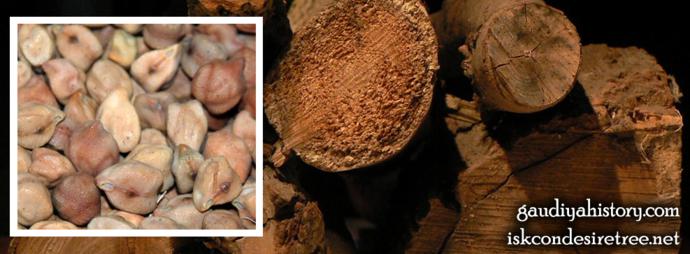
The life Subuddhi Raya built for himself in Mathura was one of real hardship, taken on willingly. He earned his living gathering dry wood from the forest and carrying it into the city to sell. He received only five or six paise for each load. Chaitanya-charitamrita records that he spent just one paisa of that on food for himself: fried chickpeas. He left whatever remained with a local merchant for safekeeping. As Srila Prabhupada's purport notes, there was no banking system in that era like the one that exists today. Merchants regularly held people's extra cash for them in this way.
Chaitanya-charitamrita seems most interested in what he did with those small savings. Subuddhi Raya used them to serve other Vaishnavas, especially fellow Bengalis who arrived in Mathura unused to the local diet of wheat chapatis and rotis. He supplied them with yogurt to help their digestion, gave them cooked rice, and even arranged oil massages for them. Chaitanya-charitamrita says simply that whenever he came across a very poor Vaishnava, he used his own money to feed him. He was a man surviving on one paisa's worth of chickpeas a day, yet he still found a way to be the one who fed others.
Hosting Rupa Goswami Through the Twelve Forests #
When Rupa Goswami arrived, Subuddhi Raya's affection for him showed itself in action rather than words. He personally guided Rupa Goswami through all twelve of Vrindavana's traditional forests, and Rupa Goswami stayed in his company for a full month before finally leaving to search for his elder brother, Sanatana Goswami. Srila Prabhupada's purport to this episode also gives a detail that ties Subuddhi Raya's whole story together. It notes that Rupa Goswami had himself been a minister in the government of Husain Shah, and that Subuddhi Raya was known to Husain Shah for exactly the reason told in Life and Service Before His Trial. This was because, as a boy, the future Nawab had been Subuddhi Raya's own servant.
Reunited with an Old Friend #
Later, Sanatana Goswami himself reached Mathura. He had traveled there by the public road, following Sri Chaitanya Mahaprabhu's order. He too met Subuddhi Raya, who told him all the news of his younger brothers Rupa and Anupama. Chaitanya-charitamrita adds a small, human detail here. Subuddhi Raya and Sanatana Goswami had known each other personally from before either man had accepted the renounced order, back in their working days in Bengal. Because of that old friendship, Subuddhi Raya now showed him real warmth and affection. But Sanatana Goswami was already deep in the discipline of his new life, and he was hesitant to fully accept this affection.
His Place in the Tradition Today #
Gaudiya Vaishnava memory places Subuddhi Raya among the rasika Vaishnavas of Vrindavana. Along with Raghunatha Bhatta Goswami and Kashishvara Pandit, he belonged to the devotional community that grew up around the dhama. The tradition also has its own account of his eternal identity within Krishna's pastimes. This account names him as the gopa Guna-chuda, also called Shubhananda. It is offered here honestly as devotional tradition, not as settled history. His samadhi survives today in Vrindavana's "64 Samadhis" (Chaunsath Samadhi) area near the Radha Govinda Temple. According to the Bhakta-mala, it was one of the very first three samadhis established there, alongside those of Raghunatha Bhatta Goswami and Kashishvara Pandit. Unlike many later memorial samadhis in that same garden, it is also said to contain his actual body, not just a symbolic marker. No known source records the year of his death. The sources record only that he spent his last years exactly as Sri Chaitanya Mahaprabhu had told him to, chanting the holy names in Krishna's own land.
Scriptural evidence for this chapter (7)
পাঞা আজ্ঞা রায় বৃন্দাবনেরে চলিলা ।
প্রয়াগ, অযোধ্যা দিয়া নৈমিষারণ্যে আইলা ॥ ২০১ ॥
pāñā ājñā rāya vṛndāvanere calilā
prayāga, ayodhyā diyā naimiṣāraṇye āilā
Word for word
pāñā ājñā: getting this order; rāya: Subuddhi Rāya; vṛndāvanere calilā: went toward Vṛndāvana; prayāga: Allahabad; ayodhyā: Ayodhyā (the kingdom of Lord Rāmacandra); diyā: through; naimiṣāraṇye āilā: came to Naimiṣāraṇya (a place near Lucknow).
Thus receiving the order from Śrī Caitanya Mahāprabhu to go to Vṛndāvana, Subuddhi Rāya left Vārāṇasī and went through Prayāga, Ayodhyā and Naimiṣāraṇya toward Vṛndāvana.
Subuddhi Raya's journey from Varanasi to Vrindavana via Prayaga, Ayodhya and Naimisaranya, in direct obedience to Mahaprabhu's order.
শুষ্ককাষ্ঠ আনি’ রায় বেচে মথুরাতে ।
পাঁচ ছয় পৈসা হয় এক এক বোঝাতে ॥ ২০৪ ॥
śuṣka-kāṣṭha āni’ rāya vece mathurāte
pāṅca chaya paisā haya eka eka bojhāte
Word for word
śuṣka-kāṣṭha āni’: collecting dry wood from the forest; rāya: Subuddhi Rāya; vece: sells; mathurāte: at Mathurā; pāṅca chaya: five or six; paisā: paise; haya: are; eka eka bojhāte: in exchange for each load of dry wood.
Subuddhi Rāya would collect dry wood in the forest and take it to the city of Mathurā to sell. For each load he would receive five or six paise.
His livelihood in Mathura: gathering and selling dry firewood for a few paise a load.
আপনে রহে এক পৈসার চানা চাবাইয়া ।
আর পৈসা বাণিয়া-স্থানে রাখেন ধরিয়া ॥ ২০৫ ॥
āpane rahe eka paisāra cānā cābāiyā
āra paisā bāṇiyā-sthāne rākhena dhariyā
Word for word
āpane: personally; rahe: lives; eka paisāra: of one paisa’s worth; cānā: fried chick-peas; cābāiyā: chewing; āra: the balance; paisā: four or five paise; bāṇiyā-sthāne: in the custody of a merchant; rākhena: keeps; dhariyā: depositing.
Earning his livelihood by selling dry wood, Subuddhi Rāya would live on only one paisa’s worth of fried chick-peas, and he would deposit whatever other paise he had with some merchant.
From the purport: Purport excerpt: "In those days there was no banking system like the one now found in Western countries. If one had excess money, he would deposit it with some merchant, usually a grocer."
His extreme simplicity: living on one paisa of fried chickpeas and depositing the rest with a merchant.
দুঃখী বৈষ্ণব দেখি’ তাঁরে করান ভোজন ।
গৌড়ীয়া আইলে দধি, ভাত, তৈল-মর্দন ॥ ২০৬ ॥
duḥkhī vaiṣṇava dekhi’ tāṅre karāna bhojana
gauḍīyā āile dadhi, bhāta, taila-mardana
Word for word
duḥkhī vaiṣṇava: a poverty-stricken Vaiṣṇava; dekhi’: seeing; tāṅre: to him; karāna bhojana: gives food for eating; gauḍīyā āile: when a Bengali Vaiṣṇava came to Mathurā; dadhi: yogurt; bhāta: cooked rice; taila-mardana: massaging mustard oil on the body.
Subuddhi Rāya used to spend his savings to supply yogurt to Bengali Vaiṣṇavas who came to Mathurā. He also gave them cooked rice and oil massages. When he saw a poverty-stricken Vaiṣṇava, he would use his money to feed him.
From the purport: Purport excerpt: "Most of the devotees of Lord Caitanya at that time were Gauḍīyas and Oriyās, inhabitants of Bengal and Orissa... Therefore as soon as Subuddhi Rāya saw a Bengali Vaiṣṇava arriving in Mathurā, he would try to supply him with cooked rice."
How he spent those savings: feeding, and arranging oil massages for, visiting Bengali Vaishnavas and any poverty-stricken devotee he met.
রূপ-গোসাঞি, আইলে তাঁরে বহু প্রীতি কৈলা ।
আপন-সঙ্গে লঞা ‘দ্বাদশ বন’ দেখাইলা ॥ ২০৭ ॥
rūpa-gosāñi, āile tāṅre bahu prīti kailā
āpana-saṅge lañā ‘dvādaśa vana’ dekhāilā
Word for word
rūpa-gosāñi: Rūpa Gosāñi; āile: when he came to Mathurā; tāṅre: unto him; bahu: much; prīti: love; kailā: showed; āpana-saṅge lañā: taking Rūpa Gosvāmī personally with him; dvādaśa vana: the twelve forests of Vṛndāvana; dekhāilā: showed.
When Rūpa Gosvāmī arrived at Mathurā, Subuddhi Rāya, out of love and affection for him, wanted to serve him in so many ways. He personally took Rūpa Gosvāmī to see all the twelve forests of Vṛndāvana.
From the purport: Purport excerpt: "Śrīla Rūpa Gosvāmī had been a minister in the government of Hussain Shah, and Subuddhi Rāya was also known to Hussain Shah because, as a boy, the Shah had been Subuddhi Rāya's servant."
Subuddhi Raya personally guides Rupa Goswami through Vrindavana's twelve forests for a month.
মথুরাতে সুবুদ্ধি-রায় তাহারে মিলিলা ।
রূপ-অনুপম-কথা সকলি কহিলা ॥ ২১১ ॥
mathurāte subuddhi-rāya tāhāre mililā
rūpa-anupama-kathā sakali kahilā
Word for word
mathurāte: at Mathurā; subuddhi-rāya: Subuddhi Rāya; tāhāre mililā: met him; rūpa-anupama-kathā: news about his younger brothers, Rūpa Gosvāmī and Anupama; sakali: everything; kahilā: described.
When Sanātana Gosvāmī met Subuddhi Rāya at Mathurā, Subuddhi Rāya explained everything about his younger brothers Rūpa Gosvāmī and Anupama.
Subuddhi Raya meets Sanatana Goswami at Mathura and tells him news of his younger brothers Rupa and Anupama.
সুবুদ্ধি-রায় বহু স্নেহ করে সনাতনে ।
ব্যবহার-স্নেহ সনাতন নাহি মানে ॥ ২১৩ ॥
subuddhi-rāya bahu sneha kare sanātane
vyavahāra-sneha sanātana nāhi māne
Word for word
subuddhi-rāya: Subuddhi Rāya; bahu: much; sneha: affection; kare: does; sanātane: unto Sanātana Gosvāmī; vyavahāra-sneha: love and affection because of a previous relationship; sanātana: Sanātana Gosvāmī; nāhi māne: was hesitant to accept.
Subuddhi Rāya and Sanātana Gosvāmī had known each other before accepting the renounced order. Therefore Subuddhi Rāya showed much affection to Sanātana Gosvāmī, but Sanātana Gosvāmī hesitated to accept his sentiments and affections.
Chaitanya-charitamrita confirms Subuddhi Raya and Sanatana Goswami had known each other personally before either accepted the renounced order.
Closing
A Big Landholder in Gauda-Desa #
Long before he ever met Sri Chaitanya Mahaprabhu, Subuddhi Raya held real standing in the world. Chaitanya-charitamrita calls him an adhikari, a respected officer, and a big landholder in Gauda-desa, the historic core of Bengal centered on the old Sultanate capital of Gaur. This was Bengal under Muslim rule, but not a Bengal where Hindus were shut out of power; educated Hindu officials skilled in revenue and administration often still ran large parts of the actual government. Sanatana Goswami and his younger brother Rupa Goswami belonged to exactly this world, both serving for years as ministers under the Nawab of Bengal before they ever met Sri Chaitanya Mahaprabhu. Chaitanya-charitamrita later says plainly that Subuddhi Raya and Sanatana Goswami already knew each other personally from this earlier chapter of their lives, years before either man had any thought of the renounced life ahead of him.
Remembered Today #
Gaudiya Vaishnava tradition remembers Subuddhi Raya as a rasika Vaishnava. He was one of the devotees who made Vrindavana their home, along with Raghunatha Bhatta Goswami and Kashishvara Pandit. The tradition also gives its own account of his eternal identity in Krishna's pastimes. According to it, he is the gopa Guna-chuda, also called Shubhananda. This is offered here as devotional tradition, not as settled history. His samadhi stands today among the very first established in Vrindavana's "64 Samadhis" area near the Radha Govinda Temple, alongside those of Raghunatha Bhatta Goswami and Kashishvara Pandit. The Bhakta-mala records that, unlike many later ones, his samadhi contains his actual body. No known source records the year of his death.
