Sri Subuddhi Raya
The Landholder Sri Chaitanya Mahaprabhu Told to Simply Chant
Also known as Subuddhi Ray, Subuddhi Rai
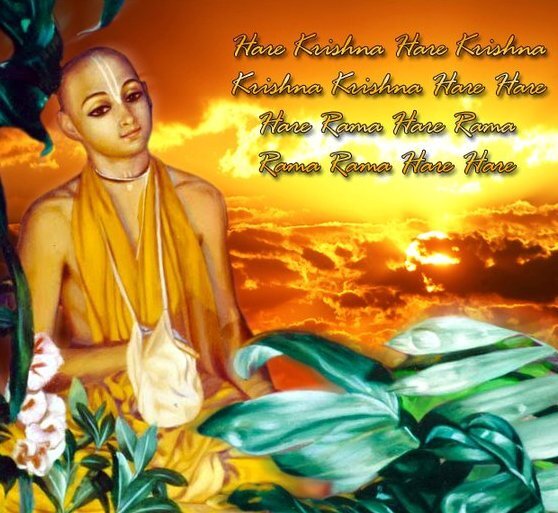
“Go to Vrindavana and chant the Hare Krishna mantra constantly. Begin chanting the Hare Krishna mantra, and when your chanting is almost pure, all your sinful reactions will go away. After you chant perfectly, you will get shelter at the lotus feet of Krishna. When you are situated at the lotus feet of Krishna, no sinful reaction can touch you. This is the best solution to all sinful activity.”
Sri Chaitanya Mahaprabhu's instruction to Subuddhi Raya at Varanasi, after Subuddhi Raya arrived in despair over a forced, symbolic conversion to Islam (Sri Chaitanya-charitamrita, Madhya-lila 25.198-200).
Sri Subuddhi Raya is remembered in the Gaudiya Vaishnava tradition for one of the most vivid personal stories in the whole of Sri Chaitanya-charitamrita. He was a respected Bengali landholder. The Nawab of Bengal had once worked for him as a servant. The wife of this Nawab pushed Subuddhi Raya into a symbolic loss of his own caste and religion. In his despair, Subuddhi Raya found that Sri Chaitanya Mahaprabhu's actual answer to the crisis was far simpler than anything the learned brahmanas of Varanasi had told him. Krishnadasa Kaviraja Goswami tells his story across roughly thirty verses of Chaitanya-charitamrita, Madhya-lila, chapter twenty-five. The chapter has a fitting title, "How All the Residents of Varanasi Became Vaishnavas."
| Detail | Description |
|---|---|
| Also known as | Subuddhi Ray, Subuddhi Rai |
| Position | A big landholder and adhikari (respected officer) in Gauda-desa, Bengal, under the Bengal Sultanate |
| Best known for | Being forced through a symbolic loss of caste, and Sri Chaitanya Mahaprabhu's instruction to him at Varanasi to simply chant |
| Key connection | Personally known to Sanatana Goswami before either man took the renounced order; later hosted Rupa Goswami for a month in Vrindavana |
| Later life | Lived in real poverty near Mathura, selling firewood while feeding visiting Vaishnavas |
| Samadhi | Among the first three samadhis established in the "64 Samadhis" area near the Radha Govinda Temple, Vrindavana |
A Big Landholder in Gauda-Desa #
Long before he ever met Sri Chaitanya Mahaprabhu, Subuddhi Raya held real standing in the world. Chaitanya-charitamrita calls him an adhikari, a respected officer, and a big landholder in Gauda-desa, the historic core of Bengal centered on the old Sultanate capital of Gaur. This was Bengal under Muslim rule, but not a Bengal where Hindus were shut out of power; educated Hindu officials skilled in revenue and administration often still ran large parts of the actual government. Sanatana Goswami and his younger brother Rupa Goswami belonged to exactly this world, both serving for years as ministers under the Nawab of Bengal before they ever met Sri Chaitanya Mahaprabhu. Chaitanya-charitamrita later says plainly that Subuddhi Raya and Sanatana Goswami already knew each other personally from this earlier chapter of their lives, years before either man had any thought of the renounced life ahead of him.
A Servant Punished, Then a Master Repaid #
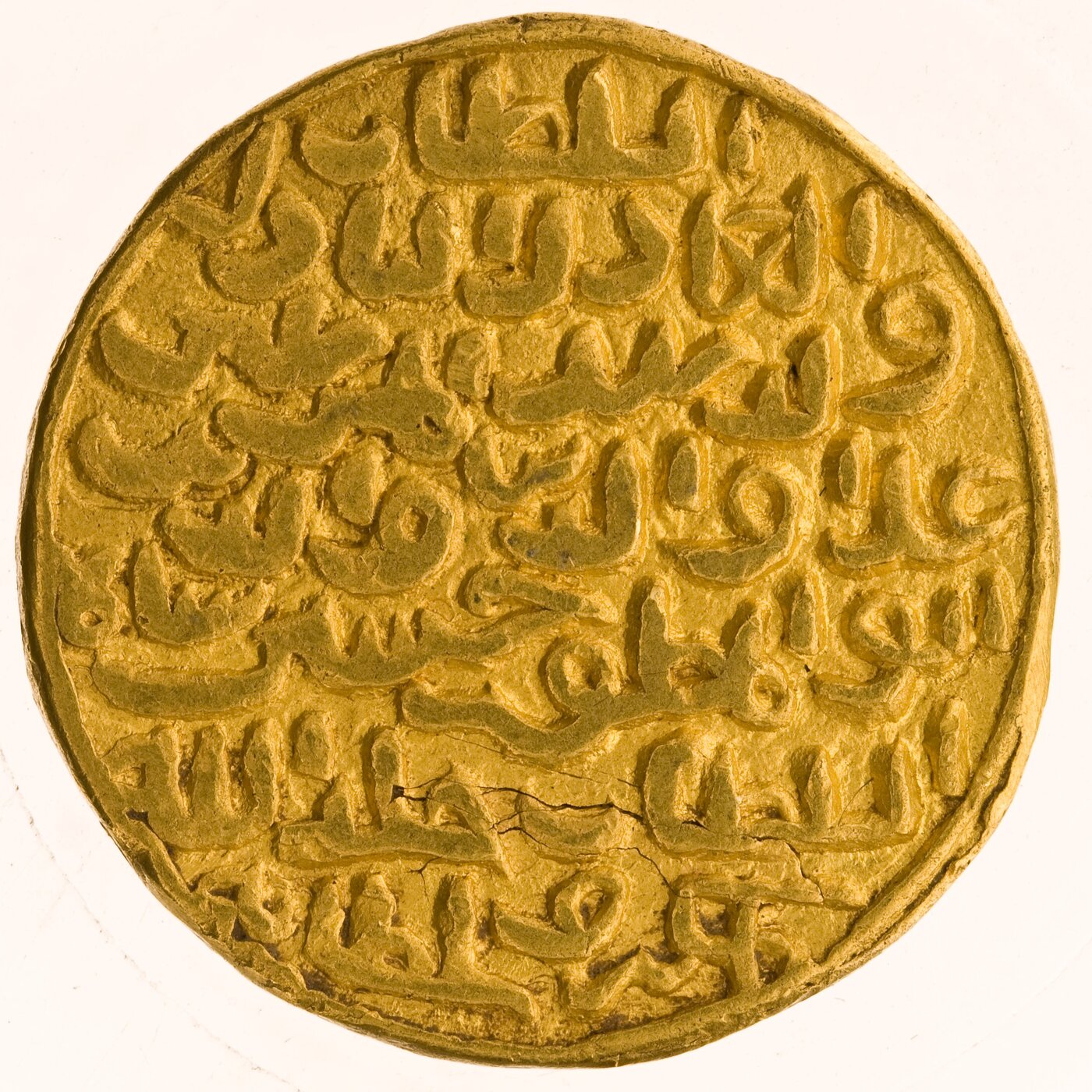
One young man working under Subuddhi Raya at this time was a servant named Hussain Khan. Subuddhi Raya put him in charge of digging a large tank. When Hussain Khan made some mistake in the work, Subuddhi Raya punished him by striking him with a whip. The mark it left on his back would matter greatly later. In time, Chaitanya-charitamrita says, Hussain Khan rose "by some means or other" to become the Nawab of Bengal himself. History remembers this ruler as Ala-ud-din Husain Shah (reigned 1494-1519). He was the same Nawab under whom Rupa Goswami served as minister, and whose court Sanatana Goswami also once served. Once he was in power, Husain Shah was grateful for the years in which he had been maintained and cared for. He repaid the debt by increasing Subuddhi Raya's own wealth and standing. Modern historians are more cautious than the devotional tradition about this particular servant-to-sultan story. Life and Service Before His Trial tells the fuller story, including this honest disagreement.
Caught Between a Nawab's Gratitude and a Wife's Anger #
Years later, Husain Shah's wife noticed the old whip-scar on her husband's body and demanded he kill the man who had struck him. Husain Shah refused outright, saying Subuddhi Raya had been "like a father" to him. When she proposed the seemingly gentler alternative of stripping away his caste instead, Husain Shah warned this would destroy him just as surely. But under continued pressure, he finally sprinkled a little water from a Muslim's pitcher on Subuddhi Raya's head, declaring him, in the eyes of Hindu society, now a Muslim. Distressed and doubting his own place in his own faith, Subuddhi Raya left his family and business behind for Varanasi, where the brahmanas he consulted could not even agree on whether he needed to atone at all. The Forced Conversion and His Despair tells this whole episode, along with the conflicting advice he received.
Sri Chaitanya Mahaprabhu's Answer #
In this state of real confusion, Subuddhi Raya met Sri Chaitanya Mahaprabhu, who was then passing through Varanasi, and told Him his whole story. Mahaprabhu's reply gave no ritual and no ruling on caste law. He simply said: "Go to Vrindavana and chant the Hare Krishna mantra constantly." He explained that as this chanting became pure, all of Subuddhi Raya's past wrongdoing would go away on its own. Reaching Krishna's shelter through the holy name was, in His own words, "the best solution to all sinful activity." Sri Chaitanya Mahaprabhu's Instruction gives the exact citation and Srila Prabhupada's purport on it in full. It also shows how this same principle applied to Rupa and Sanatana Goswami themselves.
A Life of Service in Mathura and Vrindavana #
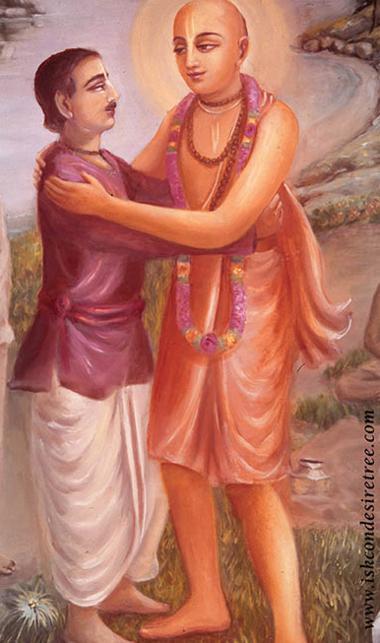
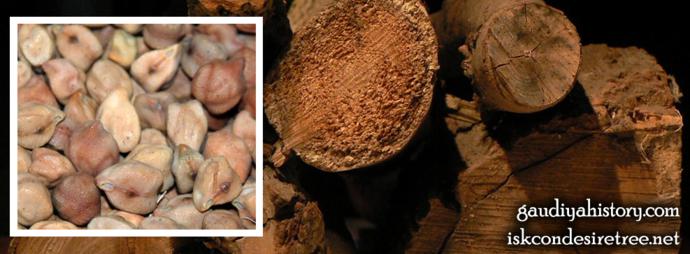
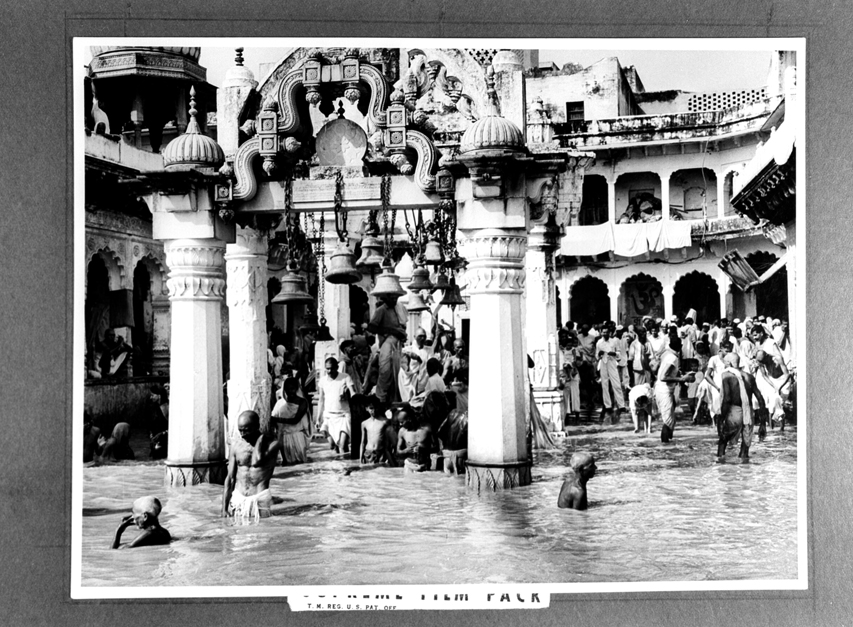
Subuddhi Raya obeyed at once, traveling from Varanasi through Prayaga, Ayodhya and Naimisaranya toward Vrindavana. He settled near Mathura and lived out his remaining years there in real poverty, gathering and selling firewood, living on little more than fried chickpeas, and still using what small savings he had to feed and serve visiting Vaishnavas. When Rupa Goswami reached Mathura, he stayed a full month in Subuddhi Raya's company, and Subuddhi Raya personally guided him through Vrindavana's twelve forests. Later Sanatana Goswami also met him there. Subuddhi Raya was an old friend from Sanatana Goswami's own days in Bengal. This period is told in Life of Service in Mathura and Vrindavana.
Remembered Today #
Gaudiya Vaishnava tradition remembers Subuddhi Raya as a rasika Vaishnava. He was one of the devotees who made Vrindavana their home, along with Raghunatha Bhatta Goswami and Kashishvara Pandit. The tradition also gives its own account of his eternal identity in Krishna's pastimes. According to it, he is the gopa Guna-chuda, also called Shubhananda. This is offered here as devotional tradition, not as settled history. His samadhi stands today among the very first established in Vrindavana's "64 Samadhis" area near the Radha Govinda Temple, alongside those of Raghunatha Bhatta Goswami and Kashishvara Pandit. The Bhakta-mala records that, unlike many later ones, his samadhi contains his actual body. No known source records the year of his death.
Scriptural evidence
इति शुश्रुम निर्बन्धं तप: परममास्थित: ।
विधत्स्वानन्तरं युक्तं स्वयं त्रिभुवनेश्वर ॥
iti śuśruma nirbandhaṁ
tapaḥ paramam āsthitaḥ
vidhatsvānantaraṁ yuktaṁ
svayaṁ tri-bhuvaneśvara
O lord, we have heard from reliable sources that in order to obtain your post, Hiraṇyakaśipu is now engaged in severe austerity. You are the master of the three worlds. Please, without delay, take whatever steps you deem appropriate.
From the purport: Purport excerpt: "It is learned from Caitanya literature that one big Zamindar, Subuddhi Rāya, kept a Mohammedan boy as a servant... Later, after that boy had by crooked means become Hussain Shah, Nawab of Bengal... the Nawab agreed [to his wife's demand]. Taking some water from his waterpot, he sprinkled it upon Subuddhi Rāya and declared that Subuddhi Rāya had now become a Mohammedan."
This verse itself is about Hiranyakashipu seeking Brahma's post and is unrelated to Subuddhi Raya; it is cited here only because Srila Prabhupada uses Subuddhi Raya's story as his own illustrative example in the purport, retelling the whole incident independently of the Chaitanya-charitamrita narrative.
Frequently asked
When was Sri Subuddhi Raya born?
Sri Subuddhi Raya appeared Exact year not recorded; already an elderly, established landholder in Bengal when the events of his story took place, decades before his meeting with Sri Chaitanya Mahaprabhu at Varanasi in Not recorded: he held land and office in Gauda-desa, the region around Gaur, the old capital of Sultanate Bengal.
When and where did Sri Subuddhi Raya disappear?
Sri Subuddhi Raya disappeared Not recorded in any available source at Traditionally Mathura or Vrindavana, where he spent his final years; his samadhi stands today in the "64 Samadhis" (Chaunsath Samadhi) area near the Radha Govinda Temple, Vrindavana.
What are the main pastimes of Sri Subuddhi Raya?
The pastimes covered here include: Life and Service Before His Trial, The Forced Conversion and His Despair, Sri Chaitanya Mahaprabhu's Instruction, Life of Service in Mathura and Vrindavana.