Sri Chaitanya Mahaprabhu's own visits to Varanasi ended with His two-month stay on the way back to Jagannatha Puri, but Tapana Mishra's household did not stop serving Vaishnavas once the Lord was gone. We know less about what happened afterward, both in Varanasi and, much later, in Vrindavana. This is the thinner, quieter half of his story. It is given here honestly, without filling the gaps with invented detail.
| Detail | Description |
|---|---|
| After Sri Chaitanya Mahaprabhu's stay | Rupa Gosvami lodged with Chandrashekhara and took prasadam at Tapana Mishra's house |
| Birth year | Not recorded |
| Disappearance year | Not recorded |
| Guru | Not separately recorded beyond Sri Chaitanya Mahaprabhu's own instruction |
| Memorial | A pushpa-samadhi behind the Radha-Madan-mohana temple, Vrindavana |
| Located beside | The samadhi of Sanatana Gosvami |
A House That Kept Serving Vaishnavas #
Sometime after Sri Chaitanya Mahaprabhu left Kashi for the last time, Rupa Gosvami passed through Varanasi on his own way to Vrindavana. He came to the same two households the Lord had made famous. Sri Chaitanya-charitamrita records that Rupa Gosvami stayed with Chandrashekhara and ate every day as a guest of Tapana Mishra. This was exactly the same arrangement Mahaprabhu Himself had once depended on. The book also records that it was from these two devotees that Rupa Gosvami first heard of the Lord's confidential instructions to Sanatana Gosvami at Varanasi. By then, the household Tapana Mishra had built to serve one guest had become a trusted stop for the leading scholars of Gaudiya Vaishnavism.
No Year, No Separate Guru Recorded #
After this, we know much less. Nothing in the available sources tells us when Tapana Mishra was born or exactly when he died. Apart from the instruction Sri Chaitanya Mahaprabhu gave him personally in East Bengal, no separate diksha-guru is named for him anywhere. The Gaura-ganoddesha-dipika is the traditional list that gives many of the Lord's associates an eternal identity in Krishna's own pastimes. For example, it lists his son Raghunatha Bhatta as the gopi Raga-manjari. But it does not appear to list a separate identity for Tapana Mishra himself. We have less about him than about several other Varanasi associates of Sri Chaitanya Mahaprabhu. This gap is left open here, not quietly filled in.
A Memorial in Another Holy City #
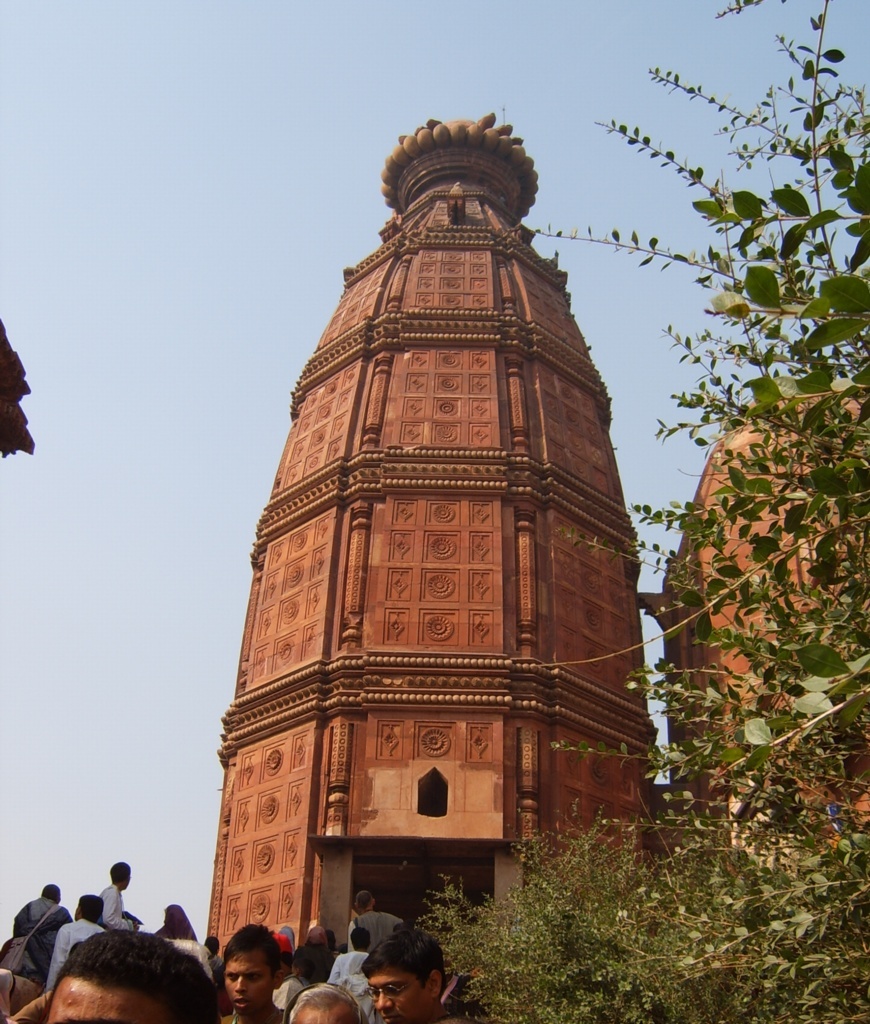
One more fact needs careful handling, not a quick answer. Traditional Vrindavana pilgrim accounts, including Mahanidhi Swami's survey of the dhama's samadhis, record a pushpa-samadhi for Tapana Mishra. It stands behind the Radha-Madan-mohana temple in Vrindavana, next to the original samadhi of Sanatana Gosvami himself. A pushpa-samadhi is a devotional memorial built from sacred flowers or ashes. It is not a full-body burial site. It was the traditional way later generations of devotees honored a Vaishnava whose actual samadhi was somewhere else. Nothing in Sri Chaitanya-charitamrita or in the account of his son's own life places Tapana Mishra in Vrindavana during his lifetime. Every source describing his last years places him in Varanasi. There he cared for his family and was cared for by them until his death. So the Vrindavana memorial most likely honors his memory, and does not mark where he lived or died. Still, it is a fitting tribute to a man remembered above everything else for feeding Sri Chaitanya Mahaprabhu at his own table for two months without missing a single day.
Remembered Through His Household #
Tapana Mishra left behind no written work of his own and no separately recorded philosophical teaching. The traditions that list eternal identities for many of Sri Chaitanya Mahaprabhu's associates also give no eternal identity of his own. What he left instead was a household. His neighbor was the devotee physician Chandrashekhara Acharya, whose own life is told fully on his own page. His son became one of the Six Goswamis of Vrindavana. Sri Chaitanya-charitamrita is happy to remember him in exactly that way. It does not remember him through grand philosophy. It remembers him through two months of ordinary meals, one journey to Kashi made on the Lord's order, and a household that kept its doors open to Vaishnavas long after the Lord who first opened them had gone.
