Srila Tapana Mishra
The Brahmana of Kashi Who Fed Sri Chaitanya Mahaprabhu Daily
The complete life, on one page: The main biography and every pastime page, in order, in one place
Introduction
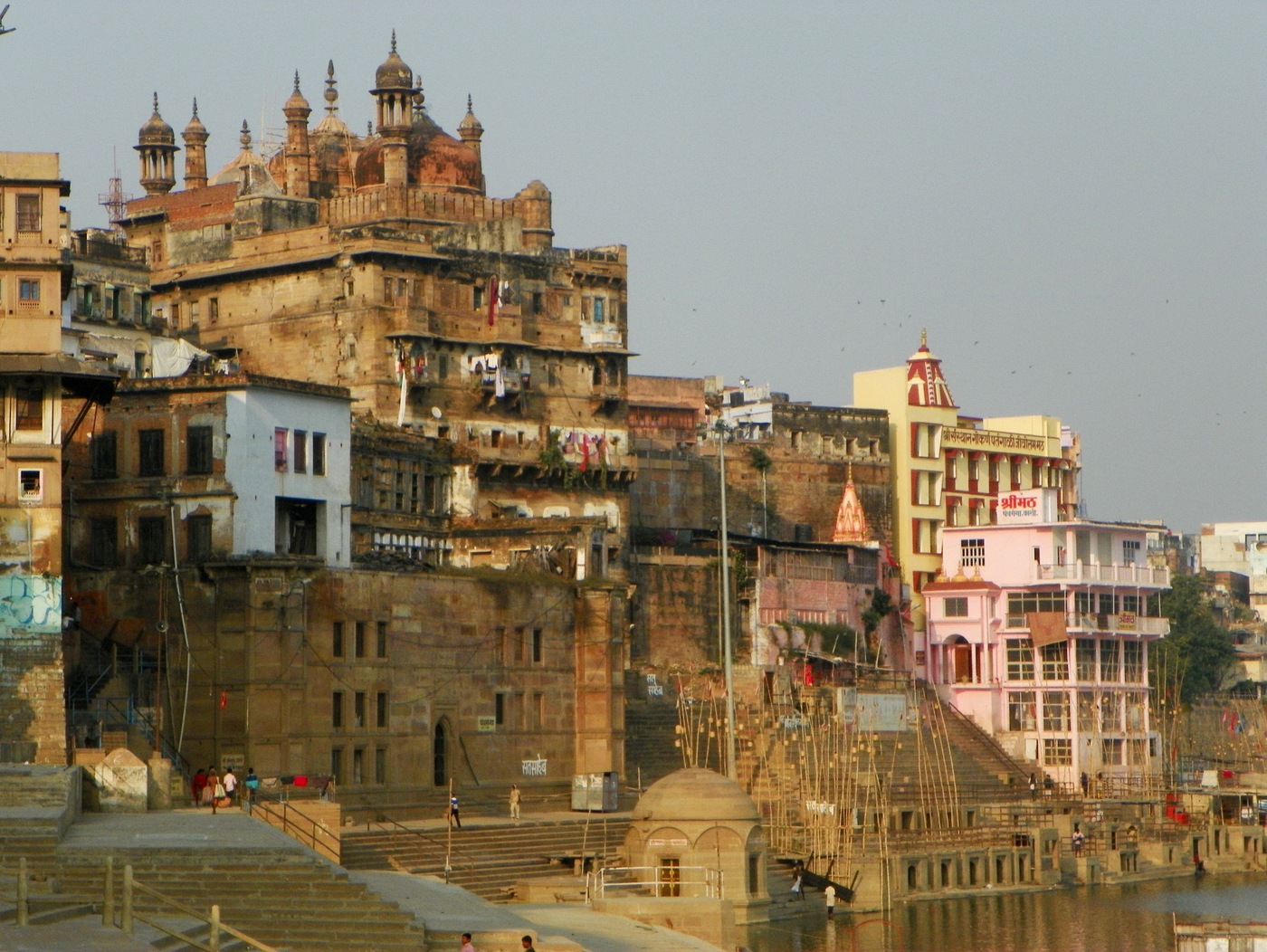
Srila Tapana Mishra spent his adult life in Varanasi, also called Kashi, as a devout brahmana householder trained in the scriptures. Today he is remembered mainly as the father of Srila Raghunatha Bhatta Goswami, one of the Six Goswamis of Vrindavana. But Sri Chaitanya-charitamrita also gives him an important place of his own. He met Sri Chaitanya Mahaprabhu years before the world called Him by that name. From Him he received the one instruction that changed the direction of his life. In the city sacred to Lord Shiva, the Lord recognized only a small circle as His own, and Tapana Mishra's household was part of it, alongside just one other, the household of his neighbor Chandrashekhara. Mahaprabhu stopped at his door twice. Once He lived two months as a guest of that household, eating at Tapana Mishra's table every single day.
| Detail | Description |
|---|---|
| Known for | Hosting and daily feeding Sri Chaitanya Mahaprabhu in Varanasi (Kashi) |
| Native region | East Bengal, on the Padma river (by tradition, the village of Ramapura) |
| Residence | Varanasi (Kashi), settled there on the Lord's own instruction |
| Son | Srila Raghunatha Bhatta Goswami, one of the Six Goswamis of Vrindavana |
| Close associate | Chandrashekhara Acharya, physician of Varanasi |
| Instruction received from | Sri Chaitanya Mahaprabhu Himself, in East Bengal, before His sannyasa |
| Principal source | Sri Chaitanya-charitamrita, Adi-lila 10 and Madhya-lila 17, 19 and 25 |
| Birth / disappearance | Not recorded |
Scriptural evidence for the introduction (1)
vārāṇasīte pradhāna bhakta — vaidya candraśekhara, tapana miśra, āra tāṅra putra raghunātha bhaṭṭācārya. vṛndāvana dekhi' āsi' vārāṇasīte, dui māsa rahilā prabhu candraśekhara-ghare, tapana-miśrera ghare karilā bhikṣā
The prominent devotees at Varanasi were the physician Chandrasekhara, Tapana Mishra, and Tapana Mishra's son, Raghunatha Bhattacharya. When Lord Chaitanya came to Varanasi after seeing Vrindavana, for two months He lived at the residence of Chandrasekhara Vaidya and accepted prasadam at the house of Tapana Mishra.
Krishnadasa Kaviraja Goswami's own summary naming Tapana Mishra as one of only three devotees Sri Chaitanya Mahaprabhu kept in Varanasi, and dating the two-month stay to after the Lord's visit to Vrindavana.
Chapter 1
Life and Devotion in Varanasi
How a Bengali brahmana's unanswered question led him, on Sri Chaitanya Mahaprabhu's own order, to a household in Kashi
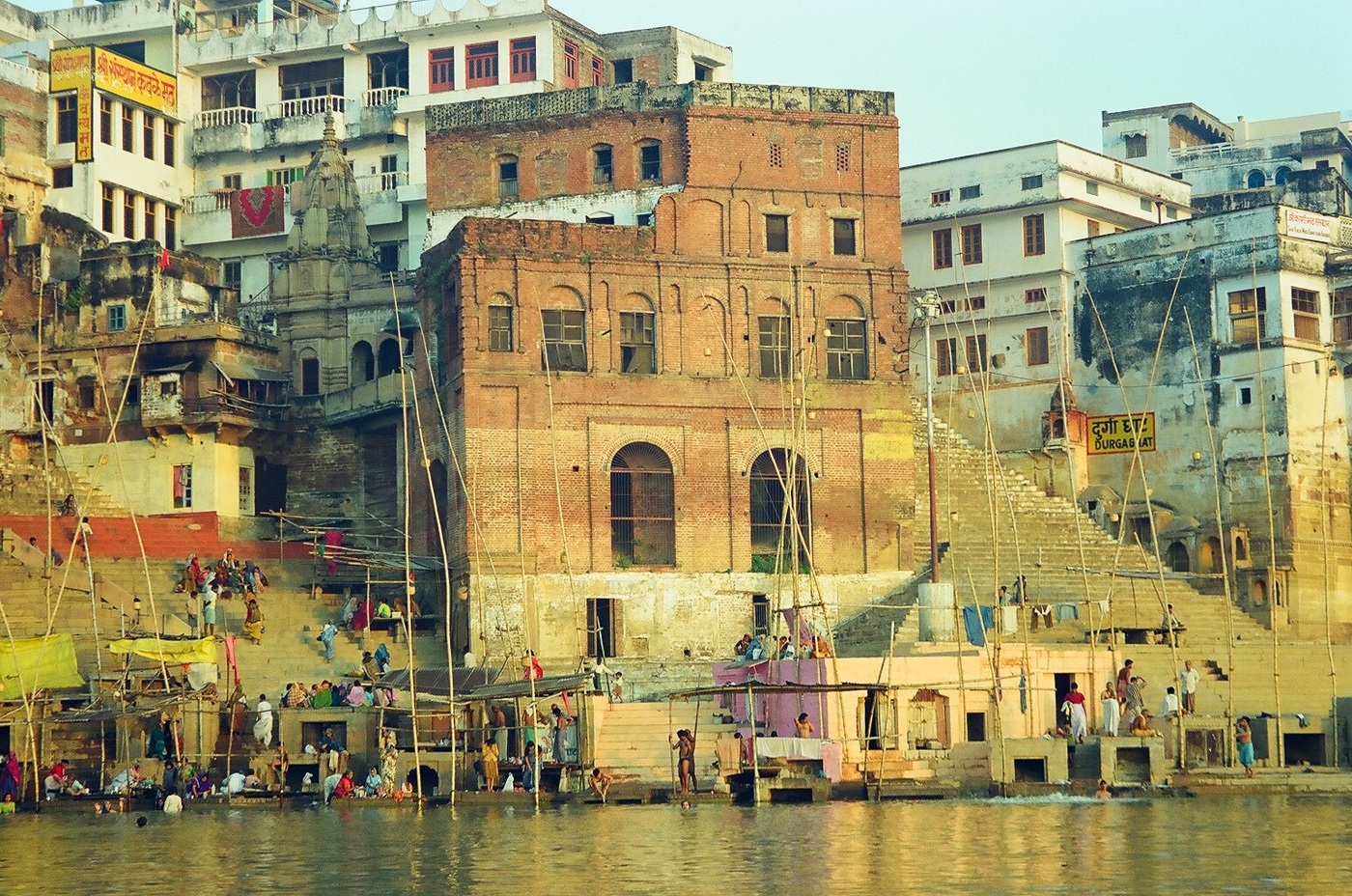
Long before he became known as the man who fed Sri Chaitanya Mahaprabhu daily in Varanasi, Tapana Mishra was simply a Bengali brahmana with an unanswered question. Both major biographies of the Lord tell how that question was answered. A chance meeting with a young Sanskrit teacher changed everything that followed, even the city where Tapana Mishra would spend the rest of his life.
| Detail | Description |
|---|---|
| Native region | East Bengal, on the Padma river |
| Occupation | A learned brahmana pandit |
| First met the Lord | As "Nimai Pandita," during His grihastha years teaching Sanskrit |
| Instruction received | Congregational chanting of the holy names is the one process suited to the present age |
| Sent to | Varanasi (Kashi), on the Lord's own order |
| Household | Settled with his wife; later joined by the physician Chandrashekhara Vaidya |
An Encounter With a Young Teacher #
Years of studying scripture had made Tapana Mishra a real pandit, but he still had not found a clear answer to one question. What is a soul meant to achieve in this life, and by what practical means? While he was living in East Bengal, he came to meet a young grihastha who was then teaching Sanskrit grammar and logic in the area. This teacher was known simply as Nimai Pandita, and later the whole world would know Him as Sri Chaitanya Mahaprabhu. Sri Chaitanya-charitamrita records that a brahmana appeared to Tapana Mishra in a dream and told him to go to Nimai Pandita. The brahmana said that this teacher was the Lord Himself and could surely guide him. So Tapana Mishra went to Him directly and put his question to Him.
An Answer That Reordered a Life #
As tradition remembers it, Nimai Pandita's reply did not point Tapana Mishra to the older paths he had spent years studying. Different eras call for different disciplines, He told the pandit, but this one, the age of quarrel and confusion, responds to nothing so directly as sankirtana, the loud, public, congregational singing of the Lord's names. A brahmana's mastery of ritual and scripture, however deep, was not the main thing. Chanting together was. Tapana Mishra took the instruction as final. Much later, he would learn that the young teacher who had settled his lifelong question was, in fact, the very Lord to whom those names belonged.
Tapana Mishra was overjoyed at what he had received. He hoped to move his family to Nabadwipa itself and stay permanently close to his new teacher. But Mahaprabhu had a different plan for him. Settle in Varanasi instead, He said, with an assurance that the two would cross paths there again in time. This order may seem surprising. At that time, and for generations afterward, Varanasi was a stronghold of Mayavadi philosophy. It was hardly the natural home for a man who had just been given sankirtana as his life's purpose. But Tapana Mishra went anyway. He took his wife with him and made his home there.
Word of a Renunciation, and Real Joy #
Years passed in Varanasi. Tapana Mishra's household grew. A son, Raghunatha Bhattacharya, was born to him there. The physician Chandrashekhara Vaidya, a fellow devotee, settled nearby and became a close associate. Then news reached Varanasi that the young teacher Tapana Mishra remembered from Bengal had accepted the renounced order of sannyasa. Sri Chaitanya-charitamrita records his reaction in a single, simple verse. On hearing that his Lord had taken sannyasa, Tapana Mishra's heart filled with joy. It is a small detail, but it shows something. Years of separation had not weakened what that first meeting in Bengal had given him.
An Invitation From No One Else #
Mahaprabhu, now a wandering sannyasi, did keep His promise. On His way toward Vrindavana He passed through Varanasi. Chandrashekhara had already seen the Lord's arrival in a dream, and he went out of the city to receive Him. When Tapana Mishra heard the news, he came at once and invited the Lord to take lunch at his own house. After the meal, he made a request. No scripture required it of him, and nothing in his long study of the scriptures had prepared him to ask it. He asked that for as long as Sri Chaitanya Mahaprabhu remained in Varanasi, He would accept an invitation from no one else. This is one of the few moments in Sri Chaitanya-charitamrita where an ordinary devotee's very human wish to keep the Lord's attention for himself alone is openly recorded, and Mahaprabhu granted it. In any case, He had already decided not to eat with the Mayavadi sannyasis who dominated the city. What became of that promise on the Lord's much longer return visit is told in Hosting Sri Chaitanya Mahaprabhu. What it meant for the young son growing up in that same household is told in Father of Raghunatha Bhatta Goswami.
Scriptural evidence for this chapter (2)
'pūrve śuniyāchi prabhu karyāchena sannyāsa' niścaya kariyā haila hṛdaye ullāsa
Word for word
purve: formerly; suniyachi: I have heard; prabhu: Lord Sri Chaitanya Mahaprabhu; karyachena sannyasa: has accepted the renounced order of life; niscaya kariya: ascertaining that; haila: there was; hrdaye: within the heart; ullasa: great jubilation.
Tapana Mishra then began to think, "I have heard that Sri Chaitanya Mahaprabhu has accepted the renounced order." Thinking this, Tapana Mishra became very jubilant within his heart.
Records Tapana Mishra's own private joy, years after their first meeting in Bengal, on hearing that his teacher had taken sannyasa.
yavat tomara haya kasi-pure sthiti mora ghara vina bhiksa na kariba kati
Word for word
yavat: as long as; tomara: Your; haya: there is; kasi-pure: at Varanasi; sthiti: stay; mora ghara: my place; vina: except; bhiksa: lunch; na kariba: kindly do not take; kati: anywhere.
Tapana Mishra said, "As long as Your Lordship stays in Varanasi, please do not accept an invitation from anyone but me."
The pull-quote used here, in its original verse context: Tapana Mishra's own request during the Lord's brief first stop in Varanasi, on the way to Vrindavana.
Chapter 2
Hosting Sri Chaitanya Mahaprabhu
Two months of daily meals, the Lord's honor defended, and five devotees who did not want the Lord to leave
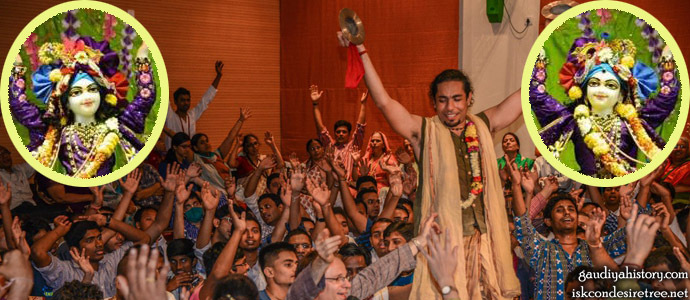
Sri Chaitanya Mahaprabhu's first visit to Varanasi, on His way to Vrindavana, was brief, only five to seven days. It was only a foretaste of what was to come. When He turned back toward Jagannatha Puri after touring Vrindavana's forests, He stayed a full two months. This second visit made Tapana Mishra's household, together with Chandrashekhara Acharya's next door, a lasting part of Sri Chaitanya Mahaprabhu's own story.
| Detail | Description |
|---|---|
| Lodging for the two months | Chandrashekhara Acharya's house |
| Meals for the two months | Tapana Mishra's house, without exception |
| Raghunatha's task | Washing the Lord's dishes and massaging His legs after lunch |
| Public event during the stay | The Lord's debate with the Mayavadi sannyasis of Kashi, led by Prakashananda Sarasvati |
| At departure | Five devotees, including Tapana Mishra, asked to accompany Him to Puri |
Two Months, One Family's Table #
The living arrangement itself was simple. Sri Chaitanya Mahaprabhu slept and rested at Chandrashekhara Acharya's house, but every meal for two straight months came from Tapana Mishra's kitchen. Sixty-odd days without a single exception is no small commitment for any household. This household had to cook, time and serve food fit for the Supreme Lord Himself, day after day. Young Raghunatha had his own part in that routine. Once the meal was finished and Mahaprabhu lay down to rest, the boy washed His dishes and pressed His tired legs. Sri Chaitanya-charitamrita mentions this only in passing, almost as an afterthought, and that makes the detail even more striking. It was an ordinary chore, done for a guest whom no household before or since has ever had the chance to serve.
Defending the Lord's Honor #
In that era, Mayavadi sannyasis dominated the learned life of Kashi. News of a new sannyasi drawing crowds with kirtana, and not with philosophy, did not please all of them. Their criticism reached Tapana Mishra and Chandrashekhara Acharya, and neither man could simply let it pass. Sri Chaitanya-charitamrita says both went straight to the Lord and pressed Him to do something about it. There was also a separate invitation from a Maharashtrian brahmana devotee who was eager for the sannyasis to see Mahaprabhu for themselves. Together, the two devotees' appeal and this invitation led to a meeting still remembered as one of the turning points of the Lord's public life. At the temple of Bindu-Madhava, He read Srimad-Bhagavatam as the living key to Vedanta-sutra. He also won over the city's leading Mayavadi authority, Prakashananda Sarasvati, to devotional service. Both Tapana Mishra and Chandrashekhara are recorded among the devotees who rejoiced at that outcome. So the two ordinary householders who fed and sheltered the Lord had also quietly played a part in bringing about a debate that reshaped the scholarship of an entire city. The household had another famous visitor that same season. Sanatana Goswami, who had escaped and was in disguise, arrived at Chandrashekhara's own door. The debate itself and Sanatana Goswami's visit are told fully on Chandrashekhara Acharya's own pages.
Five Devotees Who Wanted to Follow #
At the end of His two-month stay, for five days He drew crowds so large that His small residence could not hold them all. Then Sri Chaitanya Mahaprabhu grew eager to continue on to Puri. He rose early and tried to leave quietly. But five devotees rose with Him and began to follow: Tapana Mishra, his son Raghunatha, the Maharashtrian brahmana, Chandrashekhara, and the kirtana singer Paramananda. All five wanted to walk on with Him along the forest road to Nilachala. Sri Chaitanya Mahaprabhu was attentive as always to what each of His devotees really needed. He gave them a warm but firm farewell. He told them they could see Him again later, but that for now He would travel alone through the Jharikhanda forest. This small scene is easy to miss beside the debate that fills most of the chapter. But it shows something plain about Tapana Mishra himself. Two months of daily service had not lessened his attachment to the Lord's company in the slightest.
The pages Father of Raghunatha Bhatta Goswami and Legacy tell what this same household meant in the following years. They cover both Tapana Mishra's own son and the other Vaishnavas who passed through Varanasi afterward.
Scriptural evidence for this chapter (3)
tapana-misrera ghare yabe rahila caitanya raghunatha-bhatta tabe bala-bayasa
When Sri Chaitanya Mahaprabhu stayed at the house of Tapana Mishra, Raghunatha Bhatta, who was then a boy, washed His dishes and massaged His legs.
The canonical, single-verse record of the domestic service Tapana Mishra's young son performed for the Lord during the two-month stay.
hena-kale ninda suni' sekhara, tapana duhkha pana prabhu-pade kaila nivedana
Word for word
hena-kale: exactly at this time; ninda suni': by hearing the criticism (of Lord Chaitanya by the Mayavadi sannyasis); sekhara tapana: Chandrasekhara and Tapana Mishra; duhkha pana: becoming very unhappy; prabhu-pade: at the lotus feet of the Lord; kaila nivedana: submitted a petition.
At this time, Chandrasekhara and Tapana Mishra both heard blasphemous criticism against Sri Chaitanya Mahaprabhu and felt very unhappy. They came to Sri Chaitanya Mahaprabhu's lotus feet to submit a request.
Shows Tapana Mishra actively defending the Lord's reputation in Varanasi, a step that helped lead to Sri Chaitanya Mahaprabhu's debate with the Mayavadi sannyasis of the city.
tapana miśra, raghunātha, mahārāṣṭrīya brāhmaṇa candraśekhara, kīrtanīyā-paramānanda, — pañca jana
These five devotees were Tapana Mishra, Raghunatha, the Maharashtriyan brahmana, Chandrasekhara and Paramananda Kirtaniya.
Names Tapana Mishra among the five Varanasi devotees who wanted to accompany Sri Chaitanya Mahaprabhu on foot to Jagannatha Puri and were lovingly sent home instead.
Chapter 3
Father of Raghunatha Bhatta Goswami
Raising a future Goswami of Vrindavana, and being cared for by him until the end of his own life
Raghunatha Bhattacharya, later Srila Raghunatha Bhatta Goswami, one of the Six Goswamis of Vrindavana, grew up in a household Sri Chaitanya Mahaprabhu Himself had visited and eaten in. This shaped him from boyhood, and Tapana Mishra's part in it did not end when his son grew up. What Gaudiya Vaishnava tradition remembers about this father and son is the same across the sources. This page follows closely what the published life of Raghunatha Bhatta Goswami records about it.
| Detail | Description |
|---|---|
| Raghunatha's schooling | The standard brahmana curriculum: Sanskrit grammar, poetics and scriptural study |
| Household atmosphere | Shared with the neighboring family of Chandrashekhara Vaidya |
| The Lord's instruction to Raghunatha | Do not neglect your aged parents; they are themselves devotees |
| Years of service before Tapana Mishra's passing | By tradition, roughly four more years |
| After both parents passed away | Raghunatha returned to Jagannatha Puri, then was sent to Vrindavana |
An Inheritance Neither Money Nor Land #
Two families filled Raghunatha's childhood: his father's, and the neighboring household of Chandrashekhara Vaidya. Like any brahmana boy in Kashi, he spent his school days studying Sanskrit grammar, poetics and scripture. There was nothing unusual about that education itself. What was different was the life around it. Raghunatha did not hear about Sri Chaitanya Mahaprabhu only from teachers or scripture. He had personally massaged the feet of Sri Chaitanya Mahaprabhu, whom his father and Chandrashekhara treated as far more than an honored guest. He grew up inside that living memory, not merely being told about it. That is what really set his upbringing apart from every other brahmana child's in the city.
When the Son Left Without Asking #
As soon as his schooling ended, Raghunatha set off for Jagannatha Puri without even asking his parents' permission. He went only because he wished to be near Sri Chaitanya Mahaprabhu again. He spent eight months there, cooking meals for the Lord and living on what He left. Then Mahaprabhu Himself sent Raghunatha back home with clear instructions. He must keep serving his elderly mother and father, because they too were among His devotees. He must not let his own eagerness for spiritual life become an excuse to leave them. In this way Tapana Mishra had already won so much of the Lord's trust that Mahaprabhu did not leave his welfare to chance. He made it part of His instructions at Raghunatha's farewell.
A Father Remembered by Name #
One small exchange shows how personally Sri Chaitanya Mahaprabhu regarded Tapana Mishra, even from far away. Raghunatha finally reached Puri on that first visit, worn out from the road. Before making any request of his own, one of the first things he did was pass on greetings from his father and from Chandrashekhara back in Varanasi. Mahaprabhu did not simply accept the message. He wanted to know how they both were doing. Years had gone by since His own two months in that household. By then crowds surrounded Him wherever He went in Puri. Yet the two men who had once fed Him breakfast and lunch without fail were clearly still on His mind. Few things in the accounts show so plainly that Tapana Mishra was more than a devoted host to Sri Chaitanya Mahaprabhu. He was someone the Lord truly missed.
Cared for Until the End #
By tradition's count, Tapana Mishra and his wife had their son at home again for roughly four more years. This time of ordinary family life was far from wasted. Raghunatha used it to study Srimad-Bhagavatam properly. He learned it not from a paid, professional reciter, but from a real practicing Vaishnava. This became the foundation on which his later years at Vrindavana were built. That story is told in full on Raghunatha Bhatta Goswami's own pages. When his parents at last passed away, nothing was left to hold him in Varanasi. He set out once more for Jagannatha Puri, and from there Mahaprabhu sent him on for good, to Vrindavana and the company of Rupa Gosvami and Sanatana Gosvami.
This detail matters for Tapana Mishra's own story as much as for his son's. Every account gathered here keeps him in Varanasi right up to the end of his life. Nothing suggests he ever made the journey to Vrindavana himself. Even so, his memory lives on in Vrindavana, and a memorial to him stands there. How and why this is so is explained in Legacy.
Chapter 4
Legacy
A household that kept serving Vaishnavas after the Lord left, and a memorial far from where he actually lived
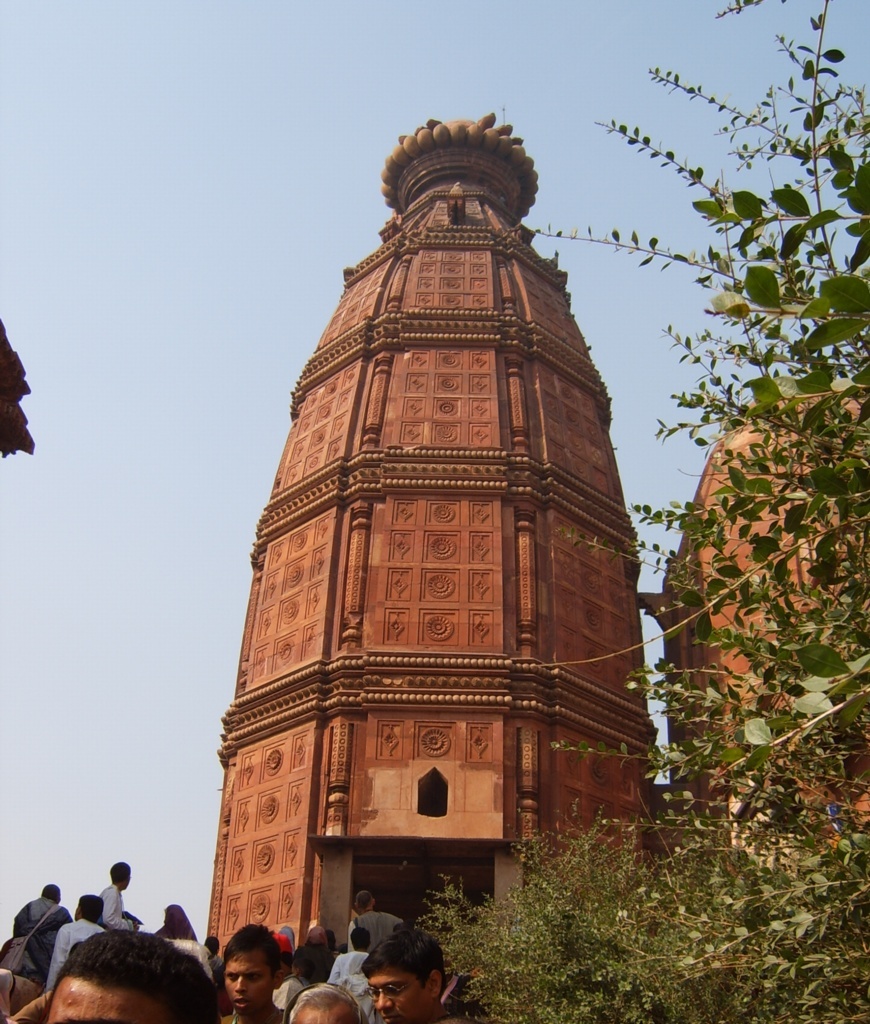
Sri Chaitanya Mahaprabhu's own visits to Varanasi ended with His two-month stay on the way back to Jagannatha Puri, but Tapana Mishra's household did not stop serving Vaishnavas once the Lord was gone. We know less about what happened afterward, both in Varanasi and, much later, in Vrindavana. This is the thinner, quieter half of his story. It is given here honestly, without filling the gaps with invented detail.
| Detail | Description |
|---|---|
| After Sri Chaitanya Mahaprabhu's stay | Rupa Gosvami lodged with Chandrashekhara and took prasadam at Tapana Mishra's house |
| Birth year | Not recorded |
| Disappearance year | Not recorded |
| Guru | Not separately recorded beyond Sri Chaitanya Mahaprabhu's own instruction |
| Memorial | A pushpa-samadhi behind the Radha-Madan-mohana temple, Vrindavana |
| Located beside | The samadhi of Sanatana Gosvami |
A House That Kept Serving Vaishnavas #
Sometime after Sri Chaitanya Mahaprabhu left Kashi for the last time, Rupa Gosvami passed through Varanasi on his own way to Vrindavana. He came to the same two households the Lord had made famous. Sri Chaitanya-charitamrita records that Rupa Gosvami stayed with Chandrashekhara and ate every day as a guest of Tapana Mishra. This was exactly the same arrangement Mahaprabhu Himself had once depended on. The book also records that it was from these two devotees that Rupa Gosvami first heard of the Lord's confidential instructions to Sanatana Gosvami at Varanasi. By then, the household Tapana Mishra had built to serve one guest had become a trusted stop for the leading scholars of Gaudiya Vaishnavism.
No Year, No Separate Guru Recorded #
After this, we know much less. Nothing in the available sources tells us when Tapana Mishra was born or exactly when he died. Apart from the instruction Sri Chaitanya Mahaprabhu gave him personally in East Bengal, no separate diksha-guru is named for him anywhere. The Gaura-ganoddesha-dipika is the traditional list that gives many of the Lord's associates an eternal identity in Krishna's own pastimes. For example, it lists his son Raghunatha Bhatta as the gopi Raga-manjari. But it does not appear to list a separate identity for Tapana Mishra himself. We have less about him than about several other Varanasi associates of Sri Chaitanya Mahaprabhu. This gap is left open here, not quietly filled in.
A Memorial in Another Holy City #
One more fact needs careful handling, not a quick answer. Traditional Vrindavana pilgrim accounts, including Mahanidhi Swami's survey of the dhama's samadhis, record a pushpa-samadhi for Tapana Mishra. It stands behind the Radha-Madan-mohana temple in Vrindavana, next to the original samadhi of Sanatana Gosvami himself. A pushpa-samadhi is a devotional memorial built from sacred flowers or ashes. It is not a full-body burial site. It was the traditional way later generations of devotees honored a Vaishnava whose actual samadhi was somewhere else. Nothing in Sri Chaitanya-charitamrita or in the account of his son's own life places Tapana Mishra in Vrindavana during his lifetime. Every source describing his last years places him in Varanasi. There he cared for his family and was cared for by them until his death. So the Vrindavana memorial most likely honors his memory, and does not mark where he lived or died. Still, it is a fitting tribute to a man remembered above everything else for feeding Sri Chaitanya Mahaprabhu at his own table for two months without missing a single day.
Remembered Through His Household #
Tapana Mishra left behind no written work of his own and no separately recorded philosophical teaching. The traditions that list eternal identities for many of Sri Chaitanya Mahaprabhu's associates also give no eternal identity of his own. What he left instead was a household. His neighbor was the devotee physician Chandrashekhara Acharya, whose own life is told fully on his own page. His son became one of the Six Goswamis of Vrindavana. Sri Chaitanya-charitamrita is happy to remember him in exactly that way. It does not remember him through grand philosophy. It remembers him through two months of ordinary meals, one journey to Kashi made on the Lord's order, and a household that kept its doors open to Vaishnavas long after the Lord who first opened them had gone.
Scriptural evidence for this chapter (1)
sekharera ghare vasa, misra-ghare bhiksa misra-mukhe sune sanatane prabhura 'siksa'
When Rupa Gosvami arrived at Varanasi, he met the Maharashtriyan brahmana, Chandrasekhara and Tapana Mishra. While Rupa Gosvami was staying at Varanasi, he resided at the house of Chandrasekhara and took prasadam at the house of Tapana Mishra. In this way he heard of Sri Chaitanya Mahaprabhu's instructions to Sanatana Gosvami in Varanasi.
Documents that Tapana Mishra's household continued to host and inform leading Gaudiya Vaishnavas, here Rupa Gosvami himself, after Sri Chaitanya Mahaprabhu's own visits to Varanasi had ended.
Closing
One of Only Three Devotees in Kashi #
Years passed. Tapana Mishra's household grew to include a son, Raghunatha Bhattacharya, born around 1503 to 1505 by most estimates. A fellow devotee, the physician Chandrashekhara Acharya, also settled nearby. When Sri Chaitanya-charitamrita later names the Lord's circle at Varanasi, it lists exactly three people: Chandrashekhara, Tapana Mishra, and Tapana Mishra's own son. No other residents of that famously learned, largely Mayavadi city are named with them. It is a small circle for such a large city, and Krishnadasa Kaviraja Goswami simply records it as a fact, without trying to explain it.
- Sri Chaitanya-charitamrita, Adi-lila 10.152-158
- Sri Chaitanya-charitamrita, Madhya-lila 17.84
- Sri Chaitanya-charitamrita, Madhya-lila 19 and 25
- Tapana Mishra - Gaudiya History
- Mahanidhi Swami, Samadhis of Vrindavan (archive.org)
- Raghunatha Bhatta Goswami - Sri Nandagram Dham (this site)
- Chandrashekhara Acharya - Sri Nandagram Dham (this site)
