चैतन्य-चरितामृत की अन्त्य-लीला के तीसरे अध्याय को कृष्णदास कविराज गोस्वामी ने हरिदास ठाकुर की महिमा का शीर्षक दिया है। इस अध्याय के आरम्भ में ही वे रुककर वह कथा सुनाते हैं, जिसका वचन उन्होंने कई अध्याय पहले महाप्रभु के सहयोगियों की सूची में दिया था। यह वह प्रसंग है, जिसमें दामोदर पण्डित ने श्री चैतन्य महाप्रभु को झिड़का था। इसमें यह भी बताया गया है कि उसका क्या परिणाम हुआ।
वह बालक जो दूर नहीं रह पाया #
जगन्नाथ पुरी में एक ब्राह्मण बालक रहता था, जिसके पिता का हाल ही में देहांत हुआ था। उसकी माता विधवा थीं और अपनी तपस्या और सतीत्व के लिए जानी जाती थीं। बालक बहुत सुंदर और सौम्य था। उसे प्रतिदिन महाप्रभु के पास जाने की आदत पड़ गई थी। वह प्रणाम करता और फिर उनके पास बैठकर देर तक सहज भाव से बातें करता। भगवान् उससे उसके दिन के बारे में ऐसे पूछते, मानो अपने प्राण-प्रिय से बात कर रहे हों। दामोदर पण्डित ने बालक से बार-बार वहाँ न आने के लिए कहा। लेकिन इससे कोई अंतर नहीं पड़ा। बालक वहीं जाता है जहाँ उसे प्रेम मिलता है, और महाप्रभु साफ-साफ, सबके सामने उससे स्नेह करते थे। बालक रोज़ लौट आता, और रोज़ दामोदर की बेचैनी बढ़ती जाती। अन्त में वे और चुप नहीं रह सके।
दामोदर ने अपने ही भगवान् से क्या कहा #
एक दिन, बालक के प्रणाम करके चले जाने के बाद, दामोदर अन्त में बोल पड़े। उन्होंने जो कहा, वह इतना तीखा था कि कृष्णदास कविराज इसे ढिठाई कहते हैं। लेकिन वे यह भी कहते हैं कि यह शुद्ध प्रेम से उपजा था। उन्होंने महाप्रभु से कहा, "आप जो दूसरों को उपदेश देते हैं उसके कारण सब कहते हैं कि आप एक महान गुरु हैं। अब हम देखेंगे कि आप वास्तव में कैसे गुरु हैं। आपकी प्रतिष्ठा पूरे पुरी में फैलेगी, देखते हैं वह कैसे टिकती है।" महाप्रभु चकित हो गए। उन्होंने दामोदर से साफ-साफ कारण बताने को कहा, और दामोदर ने बताया: "आप जो चाहें कर सकते हैं, और कोई आपको रोकने का अधिकार नहीं रखता। परंतु संसार निंदकों से भरा है, और उनकी जीभ पर लगाम नहीं लगाई जा सकती। आप विद्वान् हैं, क्या आपने कभी सोचा कि आप एक विधवा के पुत्र पर इतना स्नेह क्यों दिखाते हैं? भले ही उसकी माता तपस्विनी और सती हो, उसमें एक दोष है, वह युवा और सुंदर है। और आप, हे प्रभु, स्वयं एक युवा और सुंदर पुरुष हैं। लोग अवश्य बातें बनाएँगे। आप उन्हें यह अवसर क्यों दें?" यह कहकर दामोदर चुप हो गए।
महाप्रभु ने क्रोध से उत्तर नहीं दिया। चैतन्य-चरितामृत कहती है कि वे मुस्कुराए, और सचमुच प्रसन्न हुए। उन्होंने मन-ही-मन सोचा कि यह ढिठाई भी शुद्ध प्रेम का ही चिह्न है। उन्होंने यह भी सोचा कि उनके सहयोगियों में दामोदर पण्डित जैसा घनिष्ठ मित्र कोई नहीं है। फिर वे अपने दोपहर के कार्यों में ऐसे लग गए, मानो कुछ असामान्य हुआ ही न हो। अगले दिन एकांत में उन्होंने दामोदर को उचित उत्तर दिया।
अपनी माता की रखवाली हेतु भेजे गए #
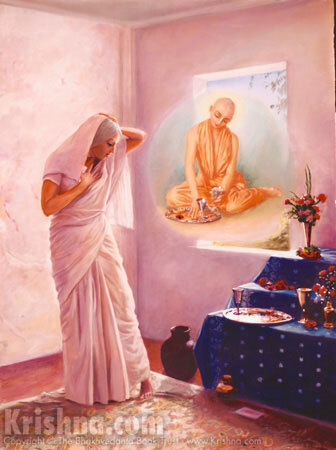
दामोदर को अलग बुलाकर महाप्रभु ने साफ कहा: नदिया जाओ, और मेरी माता के पास रहो। उन्होंने कहा कि उनकी माता की रक्षा के लिए और कोई उपयुक्त नहीं है, क्योंकि कोई और इतना सावधान नहीं कि स्वयं महाप्रभु को भी सचेत कर सके। उनके सभी सहयोगियों में केवल दामोदर ही इस पद के लिए पर्याप्त निष्पक्ष थे। महाप्रभु ने यह भी कहा कि धर्म के सिद्धांतों की रक्षा वही कर सकता है जो पक्षपात से मुक्त हो। उन्होंने दामोदर से कहा कि वे समय-समय पर पुरी आते रहें। उन्होंने यह भी कहा कि दामोदर उनकी ओर से उनकी माता शची देवी को लाखों प्रणाम अर्पित करें। फिर उन्होंने दामोदर को एक बहुत गुप्त बात बताई, जो उन्हें माता से कहनी थी। यह बात इसका प्रमाण थी कि महाप्रभु नीलाचल में सचमुच सुखी हैं। महाप्रभु अब भी बार-बार माता के घर जाकर वह भोजन खाते थे, जो वे बनाकर कृष्ण को अर्पित करती थीं। लेकिन विरह-वेदना में डूबी होने के कारण माता बाद में इसे सदा स्वप्न समझ लेती थीं। महाप्रभु ने इसे विस्तार से बताया। माघ-संक्रांति के उत्सव पर माता ने सब्जियाँ, खीर, पुए और मीठे चावल बनाए थे। ध्यान में भोजन अर्पित करते समय उनकी आँखें आँसुओं से भर आईं, और उन्हें अचानक लगा कि महाप्रभु आकर वह भोजन खा रहे हैं। उन्होंने आँखें पोंछीं, तो थाली खाली मिली, और उन्होंने स्वयं को समझाया कि यह उनकी कल्पना रही होगी। रसोई में लौटने पर उन्होंने देखा कि हर बर्तन अब भी भरा हुआ है। तब उन्होंने वेदी साफ करके फिर से भोजन अर्पित किया। महाप्रभु ने कहा कि इसी प्रकार वे बार-बार आकर माता का अर्पित भोजन खाते हैं। केवल माता का शुद्ध प्रेम उन्हें खींचकर नदिया ले आता है। उन्होंने यह भी कहा कि वे पुरी में केवल माता की ही आज्ञा से रह रहे हैं।
यह संदेश लेकर, और नदिया के वैष्णवों के लिए जगन्नाथ के प्रसादम् की एक पोटली लेकर, दामोदर पण्डित नवद्वीप के लिए निकल पड़े। उन्होंने प्रसादम् पहुँचाया और माता शची के पास रहने लगे। अपने स्वभाव के अनुसार वे वहाँ भी अनुशासन के रक्षक बन गए। जब दामोदर पण्डित देख रहे होते, तो कोई भक्त लापरवाही करने का साहस नहीं करता था। जो कोई शिष्टाचार में थोड़ी भी चूक करता, उसे तुरंत टोक दिया जाता। कृष्णदास कविराज इस पूरे प्रसंग को अपने निर्णय के साथ समाप्त करते हैं। वे कहते हैं कि दामोदर पण्डित द्वारा भगवान् को झिड़कने की यह कथा सुनना ही सुनने वाले के अज्ञान और नास्तिक विचारों को दूर करने के लिए पर्याप्त है। जो कथा एक भक्त द्वारा भगवान् को झिड़कने से आरम्भ होती है, उसके बारे में यह असाधारण रूप से बड़ा दावा है।
यह कथा इस प्रकार क्यों कही गई #
चैतन्य-चरितामृत ने कई अध्याय पहले ही इस कथा का एक बार उल्लेख कर दिया था। जब उसने पहली बार दामोदर को चैतन्य वृक्ष की दसवीं शाखा बताया, तब वचन दिया कि पूरा विवरण बाद में आएगा। इससे पता चलता है कि कृष्णदास कविराज इसे दामोदर के जीवन के सबसे महत्त्वपूर्ण प्रसंगों में से एक मानते थे, कोई साधारण उप-कथा नहीं। पूरे ग्रन्थ में कहीं भी दामोदर अपनी कही बात पर पछतावा नहीं करते, और कहीं भी महाप्रभु उनसे अपनी बात नरम करने को नहीं कहते। अध्याय किसी क्षमा-याचना पर समाप्त नहीं होता। इसके बजाय दामोदर को महाप्रभु के घराने की वह एकमात्र भूमिका सौंपी जाती है, जहाँ ठीक इसी स्पष्टवादिता की सबसे अधिक आवश्यकता थी। पुरी में भक्तों पर रखा गया उनका अनुशासन, और दक्षिण भारत की तीर्थयात्रा पर उन्हें पीछे छोड़ने का महाप्रभु का कारण, भक्तों के आचरण के रक्षक में बताए गए हैं। उनके साथ पढ़ने पर यह प्रसंग ऐसी झिड़की जैसा कम लगता है, जिसे बस क्षमा कर दिया गया। बल्कि यह ऐसी झिड़की लगती है, जो अपने ढंग से ठीक वही थी जिसकी महाप्रभु के घराने को आवश्यकता थी।
