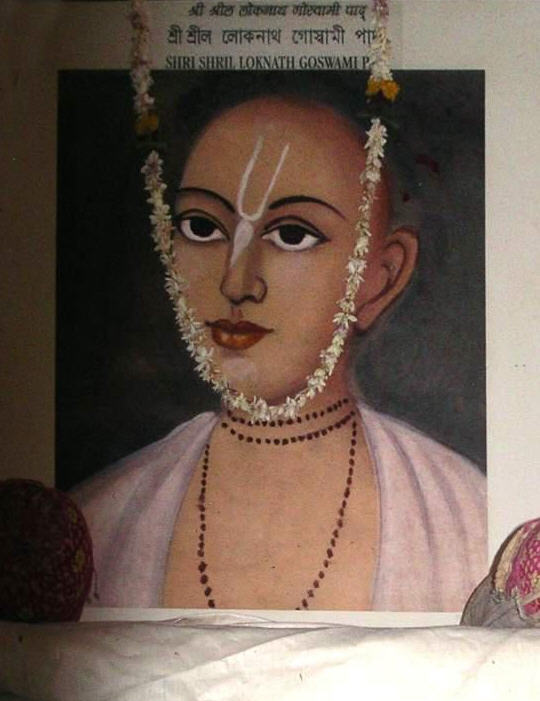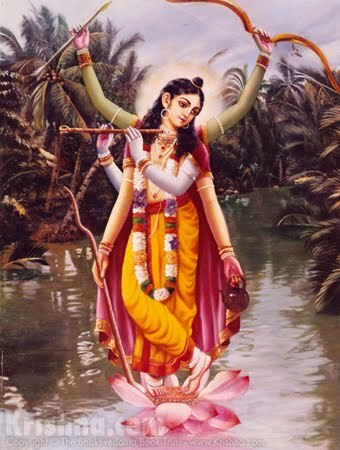
श्री दामोदर पण्डित
वह भक्त जिनकी झिड़की को महाप्रभु ने शुद्ध प्रेम कहा
अन्य नाम दामोदर पण्डित, दामोदर पण्डित, दामोदर पण्डित
“आप पूर्णतः स्वतंत्र भगवान् हैं। चूँकि सब कुछ आपको ज्ञात है, अतः आप ही जानते हैं कि क्या उचित है और क्या अनुचित। मैं तो केवल एक तुच्छ जीव हूँ, आपको दिशा देने की मुझमें भला क्या सामर्थ्य है?”
दामोदर पण्डित का श्री चैतन्य महाप्रभु को दिया गया उत्तर, जब महाप्रभु ने हँसी में कहा था कि वे राजा प्रतापरुद्र से केवल दामोदर की अनुमति मिलने पर ही भेंट करेंगे (चैतन्य-चरितामृत, मध्य-लीला 12.26-27)
श्री दामोदर पण्डित जगन्नाथ पुरी में श्री चैतन्य महाप्रभु के निजी सहयोगियों में सबसे कठोर और सबसे विश्वस्त भक्तों में से एक थे। वे भगवान् के अपने आचरण को लेकर इतने सख्त थे कि एक बार उन्होंने महाप्रभु को उनके सामने ही खुलकर झिड़क दिया। महाप्रभु इससे नाराज़ नहीं हुए। बल्कि उसी झिड़की के सीधे पुरस्कार के रूप में उन्होंने अपना घर-परिवार दामोदर को सौंपा और उन्हें नवद्वीप में अपनी माता की देखभाल के लिए भेज दिया। श्री चैतन्य-चरितामृत उन्हें महाप्रभु के जीवन-रूपी वृक्ष से निकली अनेक "शाखाओं" में दसवीं शाखा बताती है। उनके लिए दिया गया एकमात्र श्लोक बाकी भक्तों के बारे में कही गई बातों से बिल्कुल अलग है। उसमें साफ कहा गया है कि भगवान् के प्रति उनका प्रेम इतना प्रचण्ड था कि वह वाक्य-दण्ड के रूप में, अर्थात् शब्दों से दी गई झिड़की के रूप में, स्वयं भगवान् पर बरस पड़ा।
| विषय | विवरण |
|---|---|
| युग | चैतन्य महाप्रभु के समकालीन, सोलहवीं शताब्दी का आरम्भ |
| उल्लेख | चैतन्य वृक्ष की दसवीं शाखा (चैतन्य-चरितामृत, आदि-लीला 10.31-32) |
| छोटे भाई | शंकर पण्डित, जिन्हें भगवान् का अपना "चरण-तकिया" कहा जाता था |
| सबसे प्रसिद्ध प्रसंग | एक विधवा ब्राह्मणी के पुत्र के प्रति स्नेह को लेकर स्वयं श्री चैतन्य महाप्रभु को झिड़का; पुरस्कार में नवद्वीप भेजे गए |
| भक्तों में भूमिका | पुरी में और बाद में नवद्वीप में भगवान् के भक्तों के बीच शिष्टाचार और अनुशासन बनाए रखा |
| पहचान | शैव्या, व्रज की उग्र स्वभाव वाली गोपी; देवी सरस्वती ने भी उनमें प्रवेश किया (गौर-गणोद्देश-दीपिका 159; चैतन्य-चरितामृत आदि 10.32 तात्पर्य) |
| जन्म और तिरोभाव | दर्ज नहीं |
कठोरता के लिए विख्यात एक शाखा #
चैतन्य-चरितामृत की आदि-लीला के दसवें अध्याय में कृष्णदास कविराज गोस्वामी एक-एक श्लोक में उन भक्तों के नाम गिनाते हैं, जो नदिया और पुरी में श्री चैतन्य महाप्रभु के चारों ओर एकत्र हुए थे। वे इन भक्तों का वर्णन एक वृक्ष के रूप में करते हैं, जिसका एक तना है और अनेक शाखाएँ और उपशाखाएँ हैं। इस तरह भगवान् के सबसे साधारण अनुयायी का नाम भी शास्त्र की किसी न किसी पंक्ति में सुरक्षित रह जाता है। दामोदर पण्डित इस वृक्ष की दसवीं शाखा हैं। उनके श्लोक में वचन दिया गया है कि उनकी प्रसिद्धि के पीछे की "झिड़की की घटना" आगे विस्तार से बताई जाएगी। कृष्णदास कविराज यह वचन बहुत बाद में, अन्त्य-लीला में, पूरा करते हैं।
उनके छोटे भाई शंकर पण्डित थे। महाप्रभु शंकर से खुलकर प्रेम करते थे। दामोदर के प्रति वे जो संकोच रखते थे, वह शंकर के प्रति नहीं था। शंकर रात में भगवान् के अपने कक्ष में रहते थे। कभी-कभी महाप्रभु के चरण उनके शरीर पर टिके रहते थे। इसलिए स्नेह से उन्हें प्रभु-पादोपधान, अर्थात् "भगवान् का चरण-तकिया" कहा जाने लगा। जब महाप्रभु ने शंकर को औपचारिक रूप से उनके बड़े भाई की देखभाल में सौंपा, तब उन्होंने स्वयं यह अन्तर समझाया। दामोदर के प्रति उनके प्रेम में विस्मय और आदर मिला हुआ था। लेकिन शंकर के प्रति उनका प्रेम शुद्ध और खुला था, उसमें कोई संकोच नहीं था। शंकर को किसी रक्षक की आवश्यकता थी, और इसीलिए उनका स्थान दामोदर के पास था। दामोदर ने यह दायित्व स्वीकार किया और उस दिन से अपने छोटे भाई को भी किसी बड़े जैसा आदर देने लगे। गौर-गणोद्देश-दीपिका एक परम्परागत ग्रन्थ है, जो महाप्रभु के सहयोगियों की पहचान कृष्ण की व्रज-लीला के पात्रों से कराता है। इसमें दामोदर पण्डित को गोपी शैव्या बताया गया है, जो व्रज में भी इसी तीखे स्वभाव के लिए जानी जाती हैं। इस ग्रन्थ में यह भी बताया गया है कि देवी सरस्वती विशेष प्रयोजनों के लिए कभी-कभी दामोदर पण्डित में प्रवेश करती थीं।
श्रील कवि कर्णपुर की गौर-गणोद्देश-दीपिका का यह श्लोक (159) इस प्रकार है:
शैब्या यासीद्व्रजे चण्डी स दामोदरपण्डितः
कुतश्चित्कार्यतो देवी प्राविशत्तं सरस्वती ॥
"व्रज में जो उग्र स्वभाव वाली शैव्या गोपी थीं, वे श्री चैतन्य महाप्रभु की लीला में दामोदर पण्डित के रूप में प्रकट हुईं। देवी सरस्वती ने भी दामोदर पण्डित के शरीर में प्रवेश किया, इसलिए वे इन दोनों का संयुक्त अवतार हैं।" (गौर-गणोद्देश-दीपिका 159)
श्रील प्रभुपाद भी चैतन्य-चरितामृत आदि 10.32 के तात्पर्य में उन्हें उनके व्रज के नाम से स्मरण करते हैं: "दामोदर पण्डित, जो व्रज-धाम में पहले शैव्या के नाम से जाने जाते थे, भगवान चैतन्य के सन्देश शचीमाता तक ले जाते थे..."
भगवान् को प्रसन्न करने वाली झिड़की #
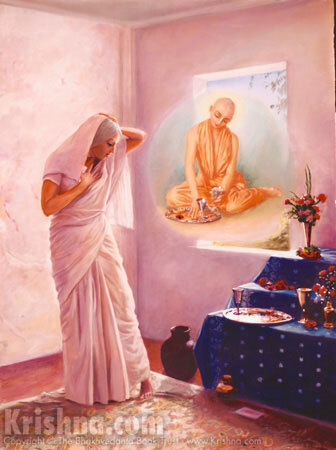
चैतन्य-चरितामृत जिस प्रसंग पर बार-बार लौटती है, वह जगन्नाथ पुरी में घटा। वहाँ एक विधवा ब्राह्मणी का किशोर पुत्र प्रतिदिन महाप्रभु के पास आने लगा था। वह उनके साथ बैठकर देर तक स्नेह भरी बातें करता था। दामोदर पण्डित ने उस बालक से एक से अधिक बार वहाँ न आने के लिए कहा, पर इसका कोई असर नहीं हुआ। बालक वहीं जाता है जहाँ उसे प्रेम मिलता है, और महाप्रभु स्पष्ट रूप से उससे स्नेह करते थे। एक दिन दामोदर और सहन नहीं कर पाए और सीधे महाप्रभु से बोले। उन्होंने कहा कि लोग पहले से ही कानाफूसी करने लगे हैं कि एक सुंदर युवा सन्न्यासी एक सुंदर युवा विधवा के पुत्र के इतने निकट क्यों है। इससे लोगों को शिक्षा देने का भगवान् का अपना अधिकार ही खतरे में पड़ रहा है। महाप्रभु ने उनकी पूरी बात सुनी। फिर बुरा मानने के बजाय उन्होंने इसे शुद्ध प्रेम की एक लहर कहा। उन्होंने कहा कि उनके सहयोगियों में दामोदर जैसा घनिष्ठ मित्र कोई नहीं है। इसके बाद उन्होंने दामोदर को अपनी माता शची के घर की रखवाली के लिए नवद्वीप भेज दिया। उन्होंने साफ कहा कि इस पद के लिए दामोदर जितना निष्पक्ष कोई और नहीं है। यह पूरा वार्तालाप शब्दशः जिस झिड़की से प्रभु प्रसन्न हुए नामक लेख में बताया गया है। वहाँ यह भी बताया गया है कि महाप्रभु ने दामोदर से अपनी माता को गुप्त रूप से क्या संदेश देने के लिए कहा।
भक्तों के आचरण के रक्षक #
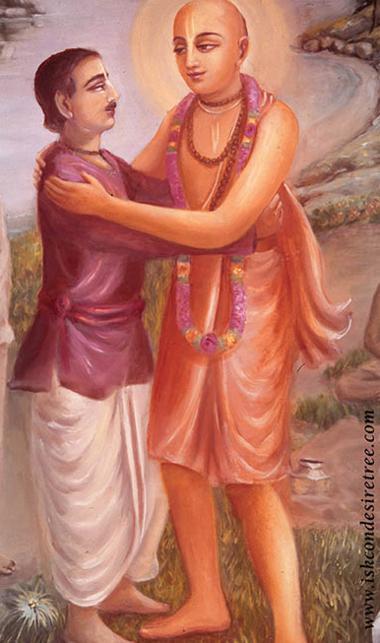
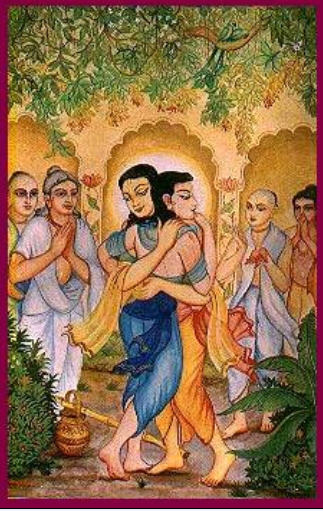
दामोदर की तीखी वाणी केवल महाप्रभु के लिए नहीं थी। भक्तों के बीच अपना स्थान बना लेने के बाद, पहले पुरी में और फिर नवद्वीप में, वे हर उस व्यक्ति को टोक देते थे जिसका आचरण उनके मानक से कम पड़ता था, चाहे वह कितना ही वरिष्ठ क्यों न हो। वे सबको इसी मानक पर परखते थे, स्वयं महाप्रभु को भी। जब भगवान् दक्षिण भारत की तीर्थयात्रा पर निकले, तो उन्होंने नित्यानन्द प्रभु और अन्य भक्तों से कहा कि वे उनके साथ नहीं आ सकते। उन्होंने इसका कारण बड़े स्नेह से बताया। वे स्वयं सन्न्यासी थे और दामोदर केवल ब्रह्मचारी, फिर भी दामोदर उन्हें शिक्षा देने के लिए मानो हाथ में छड़ी लिए रहते थे। इसलिए महाप्रभु उनके सामने खुलकर व्यवहार नहीं कर पाते थे। वर्षों बाद, जब राजा प्रतापरुद्र ने भेंट के लिए बहुत विनती की, तब भी महाप्रभु ने दामोदर का ही नाम लिया। उन्होंने दामोदर को ऐसा अधिकारी बताया, जिनकी बात वे टाल नहीं सकते थे। उन्होंने कहा कि वे राजा से तभी मिलेंगे, जब प्रतापरुद्र की प्रार्थना को पहले दामोदर स्वयं उचित ठहरा दें। यह प्रसंग भक्तों के आचरण के रक्षक में बताया गया है। वहाँ दक्षिण भारत से महाप्रभु के लौटने पर उनके स्वागत में दामोदर के आनंद भरे आलिंगन का वर्णन भी है।
अंतिम वर्ष और स्मृति #
दामोदर पण्डित को स्वरूप दामोदर गोस्वामी न समझ लें। स्वरूप दामोदर गोस्वामी पुरी में महाप्रभु के निजी सचिव थे। वे बिल्कुल अलग व्यक्ति थे, और दोनों में केवल दामोदर नाम ही समान है। चैतन्य-चरितामृत इन दोनों को सावधानी से अलग रखती है, और इन्हें कभी एक नहीं समझना चाहिए। नवद्वीप भेजे जाने के बाद दामोदर पण्डित वर्षों तक वहाँ अपने पद पर रहे। वे शची माता के घर की और वहाँ के भक्तों के आचरण की देखरेख करते रहे। नरहरि चक्रवर्ती के भक्ति-रत्नाकर में लिखा है कि कई वर्षों बाद जब नरोत्तम दास ठाकुर नवद्वीप पहुँचे, तो उन्होंने दामोदर पण्डित को खोजकर उनके चरणों में प्रणाम किया। उन्होंने ऐसा केवल इसलिए किया, क्योंकि दामोदर भगवान् के प्रत्यक्ष सहयोगी रहे थे। इससे पता चलता है कि तब तक दामोदर की प्रतिष्ठा कितनी दूर तक फैल चुकी थी। कोई भी उपलब्ध स्रोत उनके जन्म या तिरोभाव का वर्ष नहीं बताता। उनके भाई शंकर के अलावा उनके परिवार के बारे में भी कोई जानकारी नहीं मिलती। इसके बजाय जो बचा है, वह पूरे चैतन्य-चरितामृत की सबसे विशिष्ट और सबसे अधिक उद्धृत कथाओं में से एक है। जैसा कृष्णदास कविराज कहते हैं, यह कथा इस बात का प्रमाण है कि एक झिड़की भी शुद्ध प्रेम का रूप हो सकती है।
शास्त्र प्रमाण
ऊपर पाठ में उद्धृत:
- Verse 159 Gaura-ganoddesha-dipika
अन्य शास्त्र प्रमाण:
dāmodara-paṇḍita śākhā premete pracaṇḍa
prabhura upare yeṅho kaila vākya-daṇḍa
शब्दार्थ
dāmodara-paṇḍita: Dāmodara Paṇḍita; śākhā: another branch (the tenth branch); premete: in affection; pracaṇḍa: very advanced; prabhura: the Lord; upare: upon; yeṅho: he who; kaila: did; vākya-daṇḍa: chastisement by speaking.
दामोदर पण्डित, चैतन्य वृक्ष की दसवीं शाखा, भगवान् चैतन्य के प्रति प्रेम में इतने उन्नत थे कि उन्होंने एक बार बिना किसी संकोच के भगवान् को कठोर शब्दों में झिड़क दिया।
वह श्लोक जो पहली बार दामोदर पण्डित को चैतन्य वृक्ष की शाखाओं में गिनाता है और उनके सबसे विशिष्ट गुण को नाम देता है: इतना प्रबल प्रेम कि वह भगवान् को ही खुलकर झिड़कने का रूप ले लेता है।
daṇḍa-kathā kahiba āge vistāra kariyā
daṇḍe tuṣṭa prabhu tāṅre pāṭhāilā nadīyā
शब्दार्थ
daṇḍa-kathā: the narration of such chastisement; kahiba: I shall speak; āge: ahead; vistāra kariyā: making a detailed description; daṇḍe tuṣṭa prabhu: the Lord is very much satisfied by the chastisement; tāṅre: him; pāṭhāilā: sent back; nadīyā: Nadia (a district in Bengal).
चैतन्य-चरितामृत में आगे मैं इस झिड़की की घटना का विस्तार से वर्णन करूँगा। इस झिड़की से अत्यंत संतुष्ट होकर भगवान् ने दामोदर पण्डित को नवद्वीप भेज दिया।
तात्पर्य से: भाष्य का अंश: "दामोदर पण्डित, जो पहले व्रज-धाम में शैव्या के नाम से जाने जाते थे, भगवान् चैतन्य से साचीमाता तक संदेश ले जाया करते थे, और रथ-यात्रा के अवसर पर वे साचीमाता से भगवान् चैतन्य महाप्रभु तक संदेश ले जाते थे।"
कृष्णदास कविराज का अपना वचन कि झिड़की की पूरी कथा आगे बताई जाएगी; यह वचन बाद में अन्त्य-लीला 3 में पूरा हुआ। भाष्य अलग से इस बात की पुष्टि भी करता है कि दामोदर व्रज-लीला में शैव्या थे, और यह भी कि वे लगातार महाप्रभु और शची माता के बीच संदेश पहुँचाते थे।
तीसरे अध्याय में हरिदास ठाकुर की प्रबल महिमा का वर्णन है। उसी अध्याय में यह भी बताया गया है कि दामोदर पण्डित ने श्री चैतन्य महाप्रभु से किस प्रकार आलोचना के शब्द कहे।
कृष्णदास कविराज का अपना अध्याय-दर-अध्याय सारांश, जो पुष्टि करता है कि दामोदर पण्डित की झिड़की वाली कथा हरिदास ठाकुर की महिमा के साथ अन्त्य-लीला के तीसरे अध्याय में है।
āmi kon kṣudra-jīva, tomāke vidhi diba?
āpani milibe tāṅre, tāhāo dekhiba
शब्दार्थ
āmi: I; kon: some; kṣudra-jīva: insignificant living entity; tomāke: unto You; vidhi diba: shall give direction; āpani: personally; milibe: You will meet; tāṅre: him; tāhāo: that also; dekhiba: I shall see.
"मैं तो केवल एक तुच्छ जीव हूँ, तो आपको दिशा देने की मुझमें भला क्या सामर्थ्य है? आप अपनी ही इच्छा से राजा से भेंट करेंगे। मैं यह देख लूँगा।"
राजा प्रतापरुद्र वाले प्रश्न पर दामोदर पण्डित के उत्तर का अगला भाग। इसी भाग से वह कथन पूरा होता है, जिसे यहाँ मुख्य उद्धरण के रूप में दिया गया है (चैतन्य-चरितामृत, मध्य-लीला 12.26-27)।
- Sri Chaitanya-charitamrita, Adi-lila, Chapter 10 (verses 31-32)
- Sri Chaitanya-charitamrita, Antya-lila, Chapter 3 ("The Glories of Srila Haridasa Thakura")
- Sri Chaitanya-charitamrita, Antya-lila, Chapter 20 (summary verses)
- Sri Chaitanya-charitamrita, Madhya-lila, Chapter 7
- Sri Chaitanya-charitamrita, Madhya-lila, Chapter 9
- Sri Chaitanya-charitamrita, Madhya-lila, Chapter 11
- Sri Chaitanya-charitamrita, Madhya-lila, Chapter 12
- Damodar Pandit (Gaudiya History biography)
अक्सर पूछे जाने वाले प्रश्न
श्री दामोदर पण्डित का जन्म कब हुआ था?
श्री दामोदर पण्डित का प्राकट्य दर्ज नहीं में, अभिलिखित नहीं में हुआ।
श्री दामोदर पण्डित का तिरोभाव कब और कहाँ हुआ?
श्री दामोदर पण्डित का तिरोभाव दर्ज नहीं, अभिलिखित नहीं में हुआ।
श्री दामोदर पण्डित की प्रमुख लीलाएँ कौन-सी हैं?
यहाँ इन लीलाओं पर पृष्ठ उपलब्ध हैं: भक्तों के आचरण के रक्षक, जिस झिड़की से प्रभु प्रसन्न हुए।