चैतन्य-चरितामृत में दामोदर पण्डित जिस प्रसंग के लिए सबसे अधिक जाने जाते हैं, उससे बहुत पहले ही दामोदर पण्डित ऐसे एकमात्र सहयोगी बन चुके थे, जिनकी नाराज़गी को श्री चैतन्य महाप्रभु सचमुच गम्भीरता से लेते थे। चैतन्य-चरितामृत की मध्य-लीला में भगवान् की पूरे भारत में तीर्थयात्रा के वर्षों का वर्णन है। उसमें बार-बार दामोदर का उल्लेख आता है। वहाँ वे केवल पास खड़े किसी दर्शक की तरह नहीं, बल्कि एक प्रकार की अंतरात्मा की तरह दिखाई देते हैं। स्वयं भगवान् ने भी खुलकर उनके बारे में ऐसा ही कहा।
भगवान् के अकेले यात्रा करने का कारण #
जब महाप्रभु दक्षिण भारत की तीर्थयात्रा के लिए पुरी से निकलने की तैयारी कर रहे थे, तब नित्यानन्द प्रभु और अन्य भक्तों ने उनके साथ चलने की प्रार्थना की। भगवान् ने मना कर दिया। उन्होंने इसका जो कारण बताया, वह आश्चर्यजनक रूप से खुला था। वे सन्न्यासी थे, और दामोदर केवल ब्रह्मचारी थे, यानी औपचारिक पद में उनसे छोटे। फिर भी दामोदर उन्हें शिक्षा देने के लिए मानो हाथ में छड़ी लिए रहते थे। महाप्रभु ने कहा कि दामोदर की दृष्टि में वे सामाजिक शिष्टाचार के विषय में अभी नौसिखिए थे, और दामोदर को उनका स्वतंत्र स्वभाव पसंद नहीं था। महाप्रभु ने आगे कहा कि दामोदर जैसे भक्त कृष्ण की कृपा में इतने उन्नत हो चुके थे कि उन्हें अब इस बात की परवाह नहीं थी कि संसार क्या सोचता है। इसलिए वे महाप्रभु को ऐसे कामों के लिए भी प्रेरित कर सकते थे, जो एक सन्न्यासी को नहीं करने चाहिए। लेकिन महाप्रभु अपनी प्रतिज्ञाओं से बँधे थे। उनके पास नियमों का कड़ाई से पालन करने के सिवा कोई रास्ता नहीं था। इसलिए उन्हें ऐसे साथियों के बिना यात्रा करनी थी, जो उन्हें नियम निभाते देखकर केवल दुखी होते। भगवान् का स्वयं किसी भक्त के बारे में ऐसा कहना एक अद्भुत बात है। उनका आशय यह था कि दामोदर की उपस्थिति मात्र से वे स्वयं को सामान्य से अधिक कठोर मानक पर रखते थे।

मार्ग की ओर दौड़ पड़े #
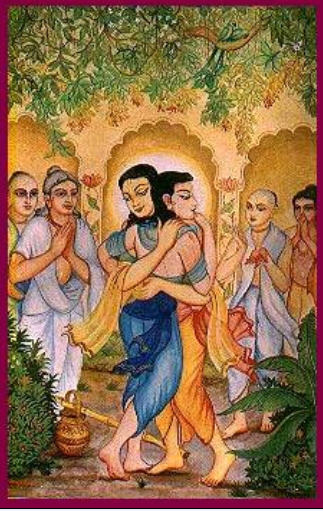
अपनी लम्बी यात्रा के बाद जब महाप्रभु अन्त में पुरी की ओर लौटे, तो उन्होंने आलालनाथ से अपने सेवक कृष्णदास के द्वारा आगे संदेश भेजा। विरह में प्रतीक्षा कर रहे भक्त स्वयं को रोक न सके। नित्यानन्द प्रभु सबसे पहले उठ खड़े हुए। वे अपने आनंद में इतने अधीर थे कि किसी की प्रतीक्षा न कर सके। जगदानन्द पण्डित, दामोदर पण्डित और मुकुन्द दत्त उनके पीछे नाचते हुए मार्ग पर चल पड़े। गोपीनाथ आचार्य भी उसी आनंद में उनके पीछे-पीछे गए। जब वे अन्त में मार्ग पर भगवान् से मिले, तो भगवान् ने एक-एक करके सबको गले लगा लिया। भगवान् भी उसी प्रेम-भाव से भरे थे, जिसने भक्तों को दौड़ाकर वहाँ तक पहुँचाया था। दामोदर को प्रायः महाप्रभु के मण्डल में ऐसे व्यक्ति के रूप में दिखाया जाता है, जो इतने कठोर हैं कि भावनाओं में नहीं बहते। लेकिन यहाँ उन्हें सबके साथ नाचते हुए स्मरण किया जाता है। वे भी उसी विरह-वेदना से भरे हुए थे।
शंकर की देखभाल का भार #
भगवान् के लौटने के कुछ समय बाद महाप्रभु ने औपचारिक रूप से तय किया कि दामोदर के छोटे भाई शंकर पण्डित कहाँ रहेंगे। शंकर की ओर देखते हुए उन्होंने दामोदर से कहा कि दामोदर के प्रति उनके प्रेम में विस्मय और आदर का भाव मिला हुआ है। लेकिन शंकर के प्रति उनका प्रेम शुद्ध और सीधा है, उसमें कुछ भी रोका हुआ नहीं है। उन्होंने कहा कि इसी कारण शंकर को दामोदर की देखरेख में रहना चाहिए। दामोदर के सिवा कोई और शंकर को भगवान् की उपस्थिति में असावधान होने से नहीं रोक सकता था। दामोदर ने सरल-सा उत्तर दिया। उन्होंने कहा कि शंकर आयु में उनसे छोटे हैं, फिर भी भगवान् की कृपा से वे उस दिन से शंकर को अपने बड़े की भाँति मानेंगे। यह एक छोटा-सा वार्तालाप है। लेकिन इसमें वही विश्वास दूसरी दिशा में भी बहता दिखाई देता है। महाप्रभु दामोदर की कठोरता पर केवल स्वयं को सुधारने के लिए ही नहीं, बल्कि अपने सबसे निकट के भक्तों की रक्षा के लिए भी भरोसा करते थे।
वह राजा जिससे महाप्रभु उनके बिना नहीं मिलते #
इस विश्वास का सबसे स्पष्ट उदाहरण उड़ीसा के राजा प्रतापरुद्र के प्रसंग में मिलता है। राजा महाप्रभु से केवल एक बार मिलने के लिए भी बहुत व्याकुल थे। उन्होंने यहाँ तक कह दिया कि यदि उन्हें फिर मना किया गया, तो वे राजसिंहासन छोड़कर भिक्षुक बन जाएँगे। राजा की भक्ति देखकर भक्तों का हृदय पिघल गया और वे भगवान् से मान जाने का आग्रह करने लगे। उत्तर में महाप्रभु ने वह एकमात्र शर्त बताई, जिसे वे छोड़ने को तैयार नहीं थे। उन्होंने कहा कि राजा से मिलने पर लोग उनकी आलोचना करेंगे, और इस आलोचना की उन्हें कोई चिंता नहीं है। लेकिन दामोदर भी उनकी आलोचना करेंगे, और यह जोखिम वे नहीं उठाना चाहते। महाप्रभु ने कहा कि वे प्रतापरुद्र से तभी मिलेंगे, जब स्वयं दामोदर इसकी अनुमति दें। दामोदर का उत्तर भी उतना ही सीधा था। उन्होंने महाप्रभु को पूर्ण रूप से स्वतंत्र भगवान् कहा। उन्होंने कहा कि उनके जैसे तुच्छ जीव को भगवान् को यह बताने का कोई अधिकार नहीं है कि वे क्या करें और क्या न करें। उन्होंने यह भी कहा कि कोई कुछ भी कहे, अन्त में राजा के प्रति भगवान् का अपना स्नेह ही इस बात का निर्णय करेगा। आगे चलकर उनकी यह बात सही निकली। चैतन्य-चरितामृत में ऐसे थोड़े ही स्थान हैं, जहाँ दामोदर आलोचक के रूप में नहीं, बल्कि भगवान् का तत्त्व समझाने वाले के रूप में बोलते हैं। यहाँ वे भगवान् की उसी स्वतंत्रता का वर्णन करते हैं, जिसकी रक्षा में उन्होंने अपना पूरा जीवन बिताया।
इन चारों प्रसंगों को साथ पढ़ने पर समझ आता है कि चैतन्य-चरितामृत दामोदर के प्रेम को प्रचण्ड, अर्थात् अत्यंत प्रबल, क्यों कहती है। उनका प्रेम इतना प्रबल था कि उसका प्रभाव इन बातों पर भी पड़ा: भगवान् कैसे यात्रा करें, मार्ग पर किसे गले लगाएँ, दामोदर के अपने छोटे भाई कहाँ रहें, और वे किससे मिलें या न मिलें। उस प्रेम की सबसे सीधी परीक्षा और उसका सबसे अनपेक्षित पुरस्कार अलग से "जिस झिड़की से प्रभु प्रसन्न हुए" नामक लेख में बताया गया है।
