विवाह के तुरन्त बाद वैराग्य #
उपलब्ध द्वितीयक गौड़ीय स्रोतों के अनुसार धनञ्जय पण्डित एक सम्पन्न पिता के पुत्र थे, हालाँकि अलग-अलग स्रोत पिता का नाम अलग-अलग बताते हैं। अभी युवावस्था में ही उनका विवाह हरिप्रिया नाम की एक स्त्री से हुआ। (उनके जन्म और माता-पिता के दो अलग-अलग विवरणों के लिए धनञ्जय पण्डित का मुख्य पृष्ठ देखें; इनमें से किसी की भी जाँच किसी मूल ग्रन्थ से नहीं हो सकी।) इसके बाद जो हुआ, उस पर दोनों विवरण सहमत हैं। धनञ्जय विवाहित जीवन में नहीं बसे। वे लगभग तुरन्त ही तीर्थयात्रा पर निकल पड़े, और उनके पिता ने उन्हें यात्रा के लिए धन दिया।
उन्होंने वह धन अपने पास नहीं रखा। परम्परा के अनुसार वे पूरी राशि श्री चैतन्य महाप्रभु के पास ले गए और उसे दान कर दिया। इसके बाद उन्होंने हाथ में केवल एक कमण्डलु, यानी एक साधारण भिक्षा-पात्र, लेकर अपनी यात्रा आगे बढ़ाई। वैष्णव-वन्दना परम्परा का बाद का एक भक्ति-पद आज भी उन्हें इसी रूप में याद करता है। वह उन्हें विलासी वैरागी, अर्थात् एक आनन्दमय वैरागी कहकर उनकी प्रशंसा करता है, जिन्होंने अपना सब कुछ प्रभु को दे दिया और केवल एक पात्र लेकर चल पड़े: "मैं उस विलासी वैरागी, पण्डित धनञ्जय को प्रणाम करता हूँ, जिसने प्रभु को सब कुछ देकर हाथ में केवल एक पात्र उठाया" (वैष्णव-वन्दना, धनञ्जय पण्डित पर श्लोक)। उपलब्ध स्रोतों से यह तय नहीं होता कि यह पद किसने और कब लिखा। इसलिए इसे यहाँ किसी तिथि वाले ऐतिहासिक अभिलेख के रूप में नहीं, बल्कि भक्ति-भरी श्रद्धांजलि के रूप में लिया गया है। फिर भी यह उस वर्णन से पूरी तरह मेल खाता है, जो स्वयं कृष्णदास कविराज गोस्वामी ने श्री चैतन्य-चरितामृत की एक पंक्ति में धनञ्जय के बारे में दिया है: अत्यन्त विरक्त, अर्थात् "अत्यन्त वैरागी"।
तुलसी देवी को नित्य प्रणाम #
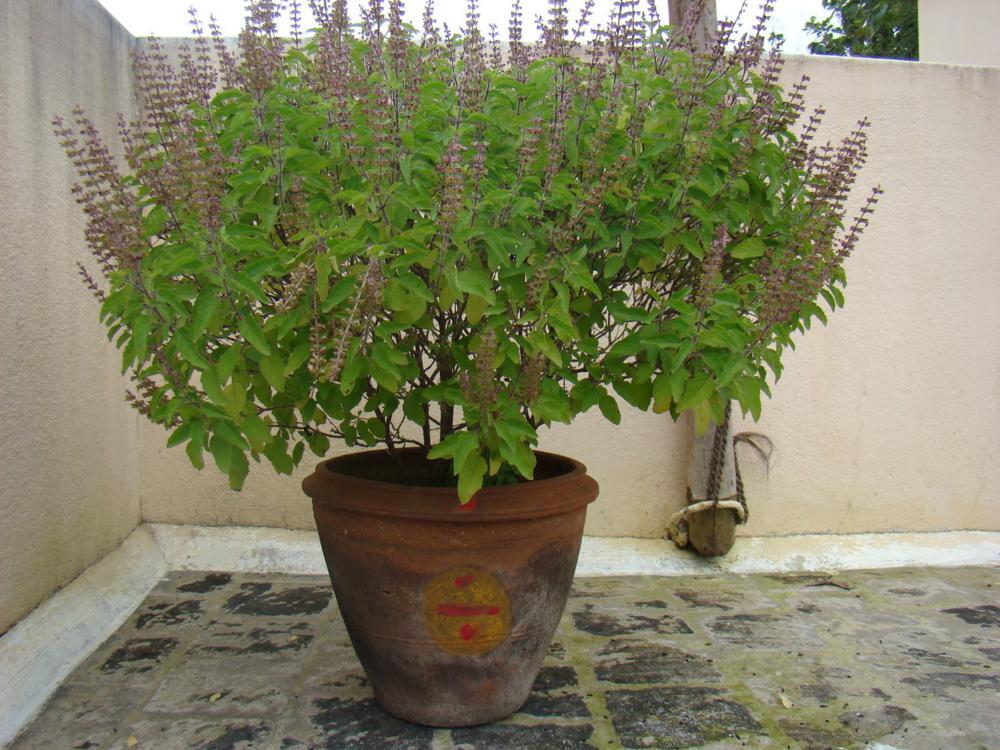
यही वैराग्य एक छोटे, रोज़ के रूप में भी याद किया जाता है। कहा जाता है कि धनञ्जय पण्डित हर दिन बिना चूके तीन बार, सुबह, दोपहर और शाम, तुलसी देवी को साष्टांग प्रणाम करते थे। गौड़ीय स्मृति ने इस सरल साधना को उनके विवाह-दिवस के वैराग्य की बड़ी कथा के साथ सँभालकर रखा है। यह एक छोटा विवरण है, लेकिन इससे कुछ पता चलता है। जो व्यक्ति एक ही क्षण में पिता का धन दान कर सकता था, वही अपने रोज़ के जीवन में विनम्रता का एक शान्त काम हर दिन दोहराता भी था। इस प्रकार की तुलसी-सेवा आज भी सामान्य रूप से गौड़ीय वैष्णव साधना का केन्द्र है। तुलसी के प्रति धनञ्जय की भक्ति उनकी उन थोड़ी-सी व्यक्तिगत, रोज़ की आदतों में से एक है, जो दर्ज मिलती हैं।
चैतन्य-भागवत का एक वर्णन #
गौड़ीय स्मृति में धनञ्जय पण्डित के बारे में एक छोटी पंक्ति भी सुरक्षित है। कहा जाता है कि यह वृन्दावन दास ठाकुर के चैतन्य-भागवत से ली गई है। लेकिन जिन दो द्वितीयक स्रोतों का उपयोग किया गया है, वे इस बात पर भी सहमत नहीं हैं कि यह पंक्ति उस ग्रन्थ में कहाँ आती है। एक स्रोत इसे अन्त्य-खण्ड 5.733 बताता है और इसका अनुवाद इस प्रकार करता है: "धनञ्जय पण्डित एक अत्यन्त दुर्लभ आत्मा थे। नित्यानन्द प्रभु सदा उनके हृदय में विद्यमान रहते थे।" दूसरा स्रोत इसे 3.5.773 के रूप में उद्धृत करता है और इसका अनुवाद इस प्रकार देता है: "धनञ्जय पण्डित एक असाधारण रूप से महान वैष्णव थे। नित्यानन्द ने उनके हृदय में स्थायी निवास बना लिया था।" वेदाबेस.आईओ पर चैतन्य-भागवत का कोई अलग खोजने योग्य पाठ उपलब्ध नहीं है। इसलिए इनमें से किसी भी उद्धरण की जाँच किसी मूल संस्करण से नहीं हो सकी। दोनों पाठ मुख्य बात पर सहमत हैं कि धनञ्जय के हृदय में नित्यानन्द प्रभु की उपस्थिति पूर्ण और स्थायी थी। इसलिए इतनी बात यहाँ विश्वास के साथ दोहराई गई है। ठीक अध्याय और श्लोक-संख्या का प्रश्न खुला छोड़ दिया गया है।
नवद्वीप में संकीर्तन #
उनका वैराग्य उन्हें बंगाल से पूरी तरह दूर ले जाए, इससे पहले धनञ्जय पण्डित को कुछ समय तक नवद्वीप में नित्यानन्द प्रभु के अपने संकीर्तन में भाग लेते हुए याद किया जाता है। यह वही सार्वजनिक कीर्तन और नृत्य था, जो श्री चैतन्य महाप्रभु के आरम्भिक सार्वजनिक आन्दोलन की पहचान बना। स्रोतों में इस बात पर मतभेद है कि यह समय उनके विवाह, उनकी तीर्थयात्रा और वृन्दावन के लिए उनके अन्तिम प्रस्थान के साथ ठीक किस क्रम में आता है। एक विवरण के अनुसार नवद्वीप के संकीर्तन में समय बिताने के बाद वे शीतलग्राम लौटे, और फिर दोबारा तीर्थयात्रा पर निकले। उस बाद की यात्रा की पूरी कथा में सञ्चार-पञ्चार नाम के गाँव में उनका रहना और वृन्दावन की ओर दो अलग यात्राएँ शामिल हैं। यह उनकी कथा का एक अलग अध्याय है, जो शीतलग्राम के विग्रह में बताया गया है।
अभिलेख पर एक ईमानदार टिप्पणी #
पूरे विश्वास के साथ बहुत थोड़ी बात ही कही जा सकती है। स्वयं चैतन्य-चरितामृत केवल इतनी पुष्टि करता है कि धनञ्जय पण्डित वैरागी और भक्त थे। उसमें विवाह-दिवस की कथा बिल्कुल नहीं है। भिक्षा-पात्र की कथा, तुलसी देवी को रोज़ का प्रणाम, और यहाँ तक कि उनकी यात्राओं का ठीक क्रम भी, सब कुछ पूरी तरह बाद के द्वितीयक संकलनों से आता है। यह अन्तर यहाँ धुँधला करने के बजाय साफ-साफ बताया गया है। अन्त में, जो छोटा विवरण अपने स्रोतों के बारे में ईमानदार हो, वही एक सच्चे वैरागी भक्त के लिए अधिक उचित श्रद्धांजलि है।
