रघुपति उपाध्याय अपने पद सुनाते रहे और साथ ही महाप्रभु के प्रेम-आवेश के लक्षण देखते रहे: शरीर का काँपना, धैर्य खो देना और आँसू। इसके बाद वे मन-ही-मन अपने एक निष्कर्ष पर पहुँचे। कृष्णदास कविराज गोस्वामी इसे एक ही सीधी पंक्ति में दर्ज करते हैं: "मनुष्य नहे, इंहो कृष्ण", अर्थात् वे मनुष्य नहीं हैं, वे स्वयं कृष्ण हैं। महाप्रभु ने रघुपति उपाध्याय के सामने इस निष्कर्ष को कभी सीधे स्वीकार या अस्वीकार नहीं किया। ग्रंथ केवल इतना बताता है कि रघुपति उपाध्याय ने जो स्वयं देखा, उसी के आधार पर अपने मन में यह निश्चय कर लिया।
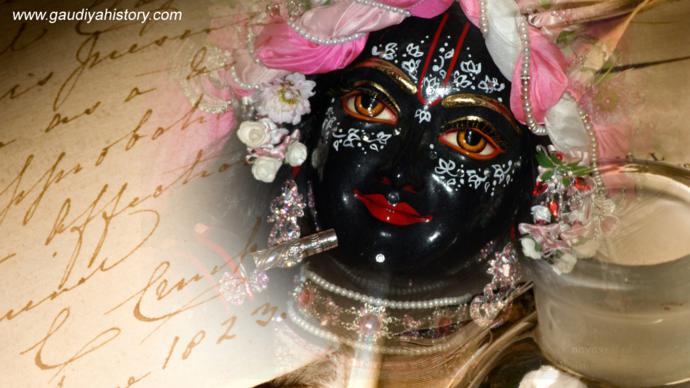
इसके बाद महाप्रभु ने उनसे प्रश्न पूछने शुरू किए। उन्होंने रघुपति उपाध्याय से एक के बाद एक चार प्रश्न पूछे। उस युग का कोई भी वैष्णव धर्मशास्त्री इन प्रश्नों को तुरंत पहचान लेता। कृष्ण के अनंत रूपों में से कौन-सा रूप सर्वोपरि है? उनके धामों में से कौन-सा धाम सबसे श्रेष्ठ है? उनके जीवन की कौन-सी आयु ध्यान के लिए सबसे उत्तम है? और कौन-सा भक्ति-भाव (रस) सबसे ऊँचा है? रघुपति उपाध्याय ने हर प्रश्न का उत्तर एक ही संस्कृत वाक्यांश में दिया: श्यामम् एव परं रूपम्, अर्थात् "श्यामसुन्दर का रूप ही सर्वोपरि है"; पुरी मधु-पुरी वरा, अर्थात् "मथुरा नगरियों में सर्वश्रेष्ठ है"; वयः कैशोरकं ध्येयम्, अर्थात् "किशोर अवस्था ही ध्यान के योग्य आयु है"; और आद्य एव परो रसः, अर्थात् "मूल रस, अर्थात् माधुर्य रस, ही सर्वोच्च रस है"। पहले उत्तर पर अपनी टीका में श्रील प्रभुपाद समझाते हैं कि कृष्ण के किसी अन्य रूप के बजाय श्यामसुन्दर को ही सर्वोपरि क्यों कहा गया। इसके लिए वे ब्रह्म-संहिता के दो श्लोकों का सहारा लेते हैं। उनमें वह प्रसिद्ध वर्णन भी है, जिसमें भक्त उस रूप को "हृदय में" देखते हैं और उनके नेत्र "प्रेम रूपी अंजन" से रंजित होते हैं। वे श्रीमद्भागवतम् की इस घोषणा का भी सहारा लेते हैं कि "कृष्ण ही आदि भगवान् हैं"। कृष्ण ही वह स्रोत हैं, जिनसे बाकी सभी रूपों और अवतारों का विस्तार होता है। इससे कई वर्ष पहले जगन्नाथ पुरी में महाप्रभु ने इन्हीं चार प्रश्नों पर रामानन्द राय के साथ रात भर लंबी बातचीत की थी। कृष्णदास कविराज गोस्वामी ने श्री चैतन्य-चरितामृत में दूसरी जगह उस संवाद का कहीं अधिक विस्तार से वर्णन किया है। यहाँ अडैला में, एक ऐसे विद्वान ने, जिनसे महाप्रभु उसी संध्या पहली बार मिले थे, बिना किसी हिचकिचाहट के इन्हीं चार प्रश्नों का उत्तर चार पंक्तियों में दे दिया।
महाप्रभु का उत्तर सीधे दर्ज है: "आपने निश्चय ही उत्तम कोटि के निष्कर्ष दिए हैं।" कृष्णदास कविराज गोस्वामी के अनुसार, इसके बाद उन्होंने "काँपती हुई वाणी में" वह पूरा चार-पंक्ति का श्लोक सुनाया, जो रघुपति उपाध्याय के सभी उत्तरों को एक ही संस्कृत श्लोक में समेटता है। बाद में रूप गोस्वामी ने इसी श्लोक को पद्यावली में पद संख्या 82 के रूप में रखा। भाव से अभिभूत होकर महाप्रभु ने प्रेम के आवेश में रघुपति उपाध्याय का आलिंगन किया। रघुपति उपाध्याय भी अपनी ओर से "प्रेम में अभिभूत" होकर नृत्य करने लगे।
महाप्रभु और रघुपति उपाध्याय को साथ नृत्य करते देखकर वल्लभ भट्टाचार्य विस्मय से चकित रह गए। वे अपने पुत्रों को आगे लाए और उनसे महाप्रभु के चरणों में गिरकर प्रणाम करवाया। लेकिन श्रील प्रभुपाद अपनी टीका में यहाँ तिथियों से जुड़ी एक छोटी-सी समस्या की ओर ध्यान दिलाते हैं। टीका में दोनों पुत्रों के नाम गोपीनाथ और विट्ठलेश्वर बताए गए हैं। टीका यह भी कहती है कि जब महाप्रभु 1512 या 1513 में प्रयाग आए थे, तब विट्ठलेश्वर का जन्म नहीं हुआ था। यह बात श्लोक के "दो पुत्रों" से कैसे मेल खाती है, यह प्रभुपाद नहीं समझाते। वे केवल इसकी ओर ध्यान दिलाते हैं और पाठक को ग्रंथ में दूसरी जगह देखने को कहते हैं। फिर भी, महाप्रभु के आने की बात पूरे अडैला में फैल गई। गाँव के लोग केवल उनके दर्शन करने आए। कृष्णदास कविराज गोस्वामी लिखते हैं कि उस दर्शन मात्र से वे कृष्ण के भक्त बन गए। स्थानीय ब्राह्मण महाप्रभु को अपने-अपने घर बुलाने के लिए पंक्ति में खड़े हो गए। लेकिन स्वयं वल्लभ भट्टाचार्य ने वे निमंत्रण स्वीकार नहीं किए, ताकि वे अपने इस अनपेक्षित अतिथि को कुछ और समय अपने पास रख सकें।
रघुपति उपाध्याय का नाम इसके बाद श्री चैतन्य-चरितामृत में कहीं और नहीं आता। परम्परा ने उनके विषय में जो कुछ सुरक्षित रखा, वह ठीक यही है: एक आशीर्वाद जो उन्हें मिला, दो पद जिन्होंने महाप्रभु का धैर्य तोड़ दिया, चार प्रश्न जिनका उत्तर बिना रुके दिया गया, और वह नृत्य जो उन्होंने उस भगवान् के साथ किया जिन्हें उन्होंने, अपनी ही समझ से, अभी-अभी पहचाना था।
prema dekhi': seeing His ecstatic love; upādhyāyera: of Raghupati Upādhyāya; haila camatkāra: there was wonder; manuṣya nahe: not a human being; iṅho kṛṣṇa: He is Lord Kṛṣṇa Himself; karila nirdhāra: made this assessment.
जब रघुपति उपाध्याय ने श्री चैतन्य महाप्रभु के प्रेमोन्माद के लक्षण देखे, तो उन्होंने यह निश्चय किया कि भगवान् मनुष्य नहीं बल्कि स्वयं कृष्ण हैं।
महाप्रभु कौन हैं, इस विषय में रघुपति उपाध्याय का अपना निजी निष्कर्ष, जो उन्होंने केवल महाप्रभु के प्रेम-आवेश के लक्षण देखकर निकाला।
śyāmam eva paraṁ rūpaṁ
purī madhu-purī varā
vayaḥ kaiśorakaṁ dhyeyam
ādya eva paro rasaḥ
शब्दार्थ
śyāmam: the form of Śyāmasundara; eva param rūpam: is certainly the supreme form; purī madhu-purī varā: the city of Mathura is the best abode; vayaḥ kaiśorakam dhyeyam: the age of fresh youth is to be meditated on; ādyaḥ eva paraḥ rasaḥ: the original mellow, conjugal love, is certainly the supreme rasa.
श्यामसुन्दर का रूप ही सर्वोपरि रूप है, मथुरा नगरी सर्वोपरि धाम है, कृष्ण की किशोर अवस्था का सदैव ध्यान करना चाहिए, और माधुर्य रस ही सर्वोपरि रस है।
तात्पर्य से: टीका अंश: "यह श्लोक पद्यावली (82) में पाया जाता है।"
वह संयुक्त श्लोक, जिसे महाप्रभु ने स्वयं काँपती वाणी में सुनाया; इसमें रघुपति उपाध्याय के चारों एक-पंक्ति के उत्तर एक ही संस्कृत श्लोक में समेटे गए हैं।
dekhi' vallabha-bhaṭṭa mane camatkāra haila
dui putra āni' prabhura caraṇe pāḍila
शब्दार्थ
dekhi': seeing; vallabha-bhaṭṭa: Vallabha Bhaṭṭācārya; mane camatkāra haila: was struck with wonder; dui putra āni': bringing his two sons; prabhura caraṇe pāḍila: made them fall at the Lord's feet.
वल्लभ भट्टाचार्य श्री चैतन्य महाप्रभु और रघुपति उपाध्याय को नृत्य करते देखकर विस्मय से चकित रह गए। उन्होंने अपने दो पुत्रों को भी आगे लाकर भगवान् के चरण-कमलों में गिरा दिया।
तात्पर्य से: टीका अंश: "जब श्री चैतन्य महाप्रभु ने सन् 1434 अथवा 1435 शक सम्वत् (सन् 1512 अथवा 1513 ईस्वी) में प्रयाग की यात्रा की, तब विट्ठलेश्वर का जन्म अभी नहीं हुआ था।"
यह श्लोक अडैला की भेंट की अनुमानित तिथि (सन् 1512-1513) तय करता है। साथ ही, इसमें वल्लभ भट्टाचार्य के 'दो पुत्रों' को लेकर तिथियों की वह पहेली दर्ज है, जिसकी ओर स्वयं प्रभुपाद ध्यान दिलाते हैं।
prema: of love; añjana: with the salve; churita: tinged; bhakti: of devotion; vilocanena: with the eye; santaḥ: the pure devotees; sadā: always; eva: indeed; hṛdayeṣu: in their hearts; vilokayanti: see; yam: whom; śyāma: dark blue; sundaram: beautiful; acintya: inconceivable; guṇa: with attributes; svarūpam: whose nature is endowed; govindam: Govinda; ādi-puruṣam: the original person; tam: Him; aham: I; bhajāmi: worship.
मैं गोविन्द की, उस आदि भगवान् की, उपासना करता हूँ, जो श्यामसुन्दर हैं, अचिन्त्य और असंख्य गुणों से युक्त साक्षात् कृष्ण हैं, जिन्हें शुद्ध भक्त प्रेम रूपी अंजन से रंजित अपने भक्ति-नेत्रों से अपने हृदय में सदैव देखते रहते हैं।
तात्पर्य से: टीका अंश: "कृष्ण का श्यामसुन्दर रूप उनका अचिन्त्य, युगपत् व्यक्तिगत और निर्विशेष प्रतीत होने वाला परस्पर-विरोधी रूप है। सच्चे भक्त उस रूप को भक्ति-समाधि के प्रभाव में अपने शुद्ध हृदयों में देखते हैं।"
ब्रह्म-संहिता का एक सत्यापित श्लोक, जो रघुपति उपाध्याय के इस उत्तर का समर्थन करता है कि श्यामसुन्दर ही कृष्ण का सर्वोपरि रूप है। श्रील प्रभुपाद अपनी टीका में इसी प्रसंग पर इसका उल्लेख करते हैं।
ete: all these; ca: and; aṁśa: plenary portions; kalāḥ: portions of the plenary portions; puṁsaḥ: of the Supreme; kṛṣṇaḥ: Lord Krishna; tu: but; bhagavān: the Personality of Godhead; svayam: in person; indra-ari: the enemies of Indra; vyākulam: disturbed; lokam: all the planets; mṛḍayanti: gives protection; yuge yuge: in different ages.
उपर्युक्त सभी अवतार भगवान् के या तो पूर्ण अंश हैं या पूर्ण अंशों के अंश हैं, परन्तु भगवान् श्री कृष्ण स्वयं आदि भगवान् हैं। ये सभी अवतार जब भी नास्तिकों द्वारा उत्पन्न उपद्रव होता है, तब विभिन्न लोकों में प्रकट होते हैं। भगवान् आस्तिकों की रक्षा के लिए अवतरित होते हैं।
श्रीमद्भागवतम् की वह घोषणा, जो कृष्ण को सभी अवतारों का मूल स्रोत बताती है। इसी शास्त्रीय आधार पर श्रील प्रभुपाद अपनी टीका में समझाते हैं कि रघुपति उपाध्याय के उत्तर में कृष्ण के अपने रूप को उनके सभी विस्तारों से ऊपर क्यों बताया गया।
हमारी सम्पादकीय टीम हरे कृष्ण मूवमेंट, कोटा के प्रशिक्षित भक्तों एवं शोधकर्ताओं से बनी है, जो इसी गुरु-परम्परा का प्रतिदिन पालन करते हैं। प्रत्येक जीवनी सावधानीपूर्वक शोध और शास्त्रों के विरुद्ध तथ्य-जाँच के बाद लिखी जाती है।
समीक्षक
मंदिर एवं शास्त्रीय शोध टीम
तथ्यात्मक शुद्धता तथा वैष्णव दर्शन एवं श्रील प्रभुपाद की शिक्षाओं के साथ संगति सुनिश्चित करने हेतु प्रत्येक जीवनी की हमारे वरिष्ठ भक्तों एवं शास्त्रीय शोधकर्ताओं द्वारा विस्तृत समीक्षा की जाती है।