श्रील रघुपति उपाध्याय
जिनके पदों ने महाप्रभु का धैर्य पिघला दिया
अन्य नाम रघुपति उपाध्याय, तिरुहित के रघुपति उपाध्याय
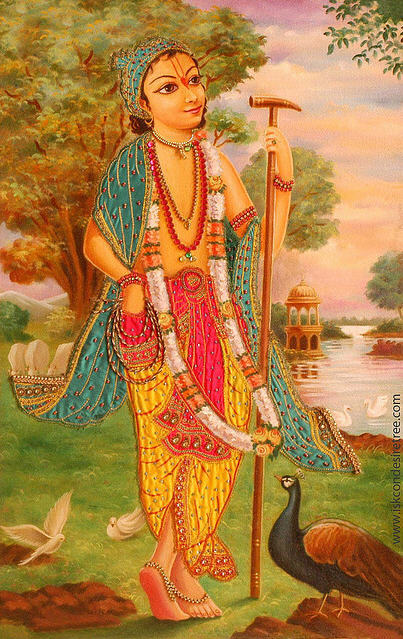
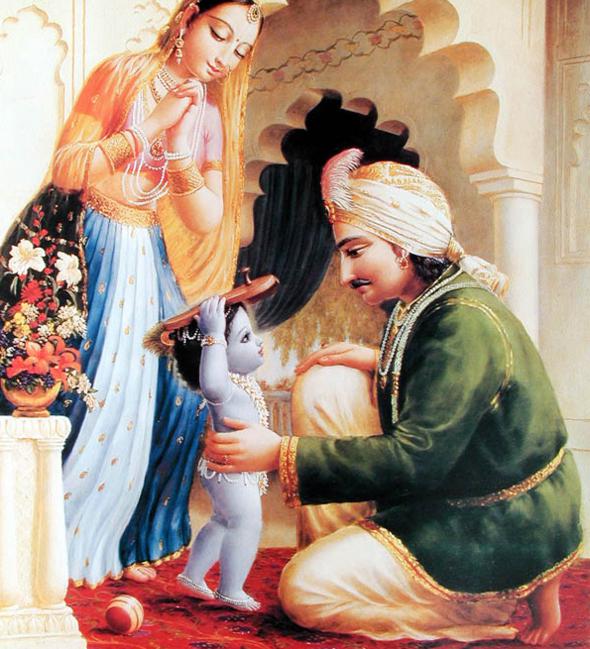
“जो लोग भौतिक अस्तित्व से भयभीत हैं, वे वैदिक साहित्य की उपासना करते हैं। कुछ लोग स्मृति, अर्थात् वैदिक साहित्य के सहायक ग्रंथों की उपासना करते हैं, और अन्य महाभारत की। जहाँ तक मेरी बात है, मैं कृष्ण के पिता महाराज नन्द की उपासना करता हूँ, जिनके आँगन में स्वयं परम सत्य, भगवान्, खेल रहे हैं।”
प्रयाग के निकट अडैला में श्री चैतन्य महाप्रभु को सुनाया गया, लगभग सन् 1512-1513; श्री चैतन्य-चरितामृत, मध्य-लीला 19.96 में दर्ज, और बाद में श्री रूप गोस्वामी की पद्यावली में पद संख्या 126 के रूप में संकलित।
रघुपति उपाध्याय उत्तरी बिहार के मिथिला क्षेत्र में स्थित तिरहुत के एक वैष्णव विद्वान और कवि थे। आज उन्हें मुख्य रूप से एक संध्या के लिए याद किया जाता है, जिसका बहुत सजीव वर्णन मिलता है। उस संध्या वे प्रयाग के निकट वल्लभ भट्टाचार्य के घर गए। वहाँ कृष्ण पर रचे उनके अपने संस्कृत पदों ने श्री चैतन्य महाप्रभु को प्रेम के ऐसे गहरे आवेश में डुबो दिया, जिसे रोका नहीं जा सकता था। कृष्णदास कविराज गोस्वामी ने श्री चैतन्य-चरितामृत में इस भेंट का वर्णन लगभग बीस पूरे पदों में किया है। बाद में श्री रूप गोस्वामी ने रघुपति उपाध्याय के तीन पदों को अपने संकलन पद्यावली में सुरक्षित रखा। पद्यावली भक्ति-रस से भरे संस्कृत काव्य का संग्रह है। इस एक प्रसंग और उनके गुरु का नाम बताने वाले एक वाक्य के अलावा, उपलब्ध स्रोतों में उनके जीवन के बारे में लगभग कुछ भी नहीं मिलता।
| विवरण | जानकारी |
|---|---|
| निवास | तिरहुत (तिरभुक्ति), मिथिला क्षेत्र, उत्तरी बिहार |
| परिचय | ब्राह्मण विद्वान, कवि और गृहस्थ वैष्णव |
| गुरु | माधवेन्द्र पुरी के शिष्य, श्री चैतन्य-भागवत की गौड़ीय-भाष्य टीका के अनुसार |
| मुख्य स्रोत | श्री चैतन्य-चरितामृत, मध्य-लीला 19.92-110; श्री चैतन्य-भागवत, आदि-खण्ड 2.31 |
| साहित्यिक विरासत | श्री रूप गोस्वामी की पद्यावली में सुरक्षित तीन संस्कृत पद (पद संख्या 82, 99 और 126) |
| जन्म / तिरोभाव | किसी भी स्रोत में अंकित नहीं |
तिरहुत से माधवेन्द्र पुरी के शिष्य #
संस्कृत में तिरहुत को तिरभुक्ति कहा जाता है। आज यह क्षेत्र उत्तरी बिहार के कई ज़िलों में फैला हुआ है, जिनमें दरभंगा, मुज़फ़्फ़रपुर, चंपारण और सारण शामिल हैं। श्री चैतन्य-चरितामृत रघुपति उपाध्याय के मूल स्थान के बारे में बहुत कम बताता है। उसमें केवल इतना कहा गया है कि वे "तिरुहित प्रदेश" से आए थे। वहाँ उन्हें पण्डित, एक "महान वैष्णव" और महाशय, अर्थात् एक सम्माननीय सज्जन, कहा गया है। इससे अधिक जानकारी देने वाला एक वाक्य श्री चैतन्य-भागवत की गौड़ीय-भाष्य टीका में मिलता है। यह टीका भक्तिसिद्धान्त सरस्वती ठाकुर ने लिखी थी। वृन्दावन दास ठाकुर के एक पद में महाप्रभु के भक्तों के गृह-ज़िलों के नाम गिनाए गए हैं। उसी पद की टीका में गौड़ीय-भाष्य तिरहुत को दो भक्तों का जन्मस्थान बताता है, रघुपति उपाध्याय और परमानन्द पुरी। टीका स्पष्ट कहती है: "वे दोनों श्रील माधवेन्द्र पुरीपाद के शिष्य और श्रीमन् महाप्रभु के अत्यंत घनिष्ठ सहयोगी थे।" यही एकमात्र वाक्य है जो रघुपति उपाध्याय के गुरु का नाम बताता है। इसके अनुसार दीक्षा के सम्बन्ध से वे उसी आध्यात्मिक परिवार में आते हैं, जिसमें ईश्वर पुरी थे। ईश्वर पुरी महाप्रभु के अपने दीक्षा-गुरु थे। माधवेन्द्र पुरी के अधिकांश प्रसिद्ध शिष्यों ने सन्न्यास लिया था, लेकिन कोई भी स्रोत रघुपति उपाध्याय के सन्न्यास लेने का उल्लेख नहीं करता। हर विवरण में वे एक गृहस्थ विद्वान ही रहे, सन्न्यासी नहीं।
अडैला की एक संध्या #
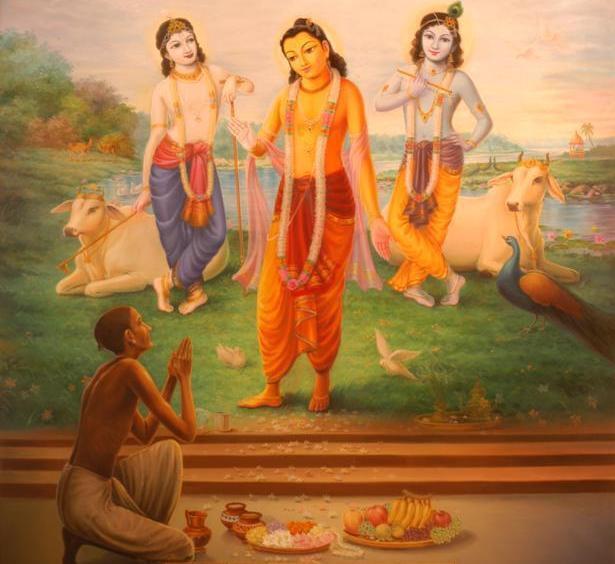
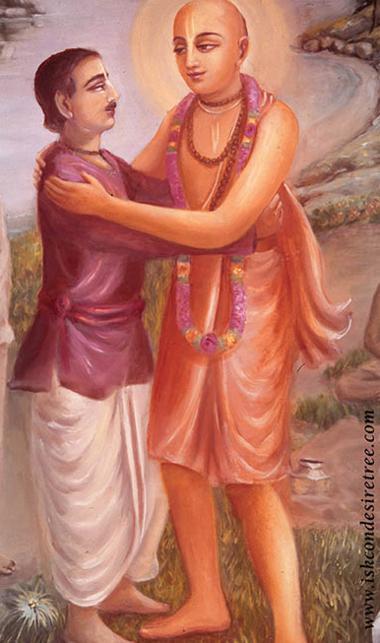
रघुपति उपाध्याय और महाप्रभु की केवल एक भेंट का विस्तृत वर्णन मिलता है। यह भेंट प्रयाग (वर्तमान इलाहाबाद) के निकट अडैला गाँव में हुई। उस समय महाप्रभु पहली बार वृन्दावन की ओर यात्रा कर रहे थे। यह संभवतः सन् 1512 या 1513 की बात है। महाप्रभु वल्लभ भट्टाचार्य के अतिथि के रूप में ठहरे हुए थे। इसी प्रवास में उन्होंने रूप गोस्वामी को एकांत में भक्ति का पहला उपदेश दिया था। तभी रघुपति उपाध्याय वहाँ पहुँचे और उन्होंने प्रणाम किया। उनसे कृष्ण के विषय में कुछ कहने का अनुरोध किया गया। पहले उन्होंने सहज भाव से दो पद सुनाए, जिन्होंने महाप्रभु को प्रेम में डुबो दिया। फिर उस विद्वान ने मन-ही-मन यह निष्कर्ष निकाला कि उनके सामने खड़े व्यक्ति साक्षात् कृष्ण ही हैं। अंत में भगवान के परम रूप, धाम, आयु और भाव पर चार प्रश्नों का एक तेज़ प्रश्नोत्तर हुआ। यह सब दो लीला-पृष्ठों पर पूरे विस्तार से बताया गया है: अडैला में आगमन और रघुपति ने भगवान को क्या सिखाया।
पद्यावली में सुरक्षित पद #
रघुपति उपाध्याय की कोई स्वतंत्र रचना उनके नाम से आज उपलब्ध नहीं है। उनकी लेखनी से जो कुछ बचा है, वह कुछ अलग-अलग संस्कृत पद हैं, जो उन्होंने उस संध्या अडैला में सुनाए थे। बाद में श्री रूप गोस्वामी ने इन्हें अनेक अन्य वैष्णव कवियों के पदों के साथ पद्यावली में संकलित किया। कृष्णदास कविराज गोस्वामी ने इनमें से तीन पद चैतन्य-चरितामृत में सीधे उद्धृत किए हैं। केवल इसी कारण ये पद पद्यावली की पांडुलिपियों के बाहर भी बचे रह पाए। इन तीनों में सबसे प्रसिद्ध पद शास्त्र के प्रमाण को भी एक ओर रख देता है और कृष्ण के बचपन के एक ही दृश्य की ओर मुड़ जाता है: "जो लोग भौतिक अस्तित्व से भयभीत हैं, वे वैदिक साहित्य की उपासना करते हैं... जहाँ तक मेरी बात है, मैं कृष्ण के पिता महाराज नन्द की उपासना करता हूँ, जिनके आँगन में स्वयं परम सत्य, भगवान् की परम पूर्ण अभिव्यक्ति, खेल रहे हैं।" दूसरा पद कृष्ण को "यमुना नदी के तट पर झाड़ियों में गोपियों का पीछा करते हुए" दिखाता है। तीसरा पद उपासना की एक पूरी शिक्षा को, यानी रूप, धाम, आयु और भाव को, एक ही चार-पंक्ति के संस्कृत श्लोक में समेट देता है। इस श्लोक पर लीला-पृष्ठों में विचार किया गया है।
स्रोत क्या नहीं बताते #
कोई भी उपलब्ध स्रोत रघुपति उपाध्याय के जन्म-वर्ष, उनके तिरोभाव के वर्ष या स्थान, या अडैला की भेंट के समय उनकी आयु के बारे में कुछ नहीं बताता। श्री गौर-गणोद्देश-दीपिका कवि कर्णपुर की परम्परागत सूची है। इसमें महाप्रभु के अनेक पार्षदों की पहचान कृष्ण की वृन्दावन-लीला की किसी भूमिका से की गई है। लेकिन ऐसा लगता है कि इसमें रघुपति उपाध्याय का कोई उल्लेख नहीं है। इसके विपरीत, उदाहरण के लिए, रामानन्द राय और मुरारि गुप्त दोनों की ऐसी पहचान इसी ग्रंथ में दूसरे स्थानों पर दी गई है। क्या रघुपति उपाध्याय उस संध्या के बाद फिर कभी महाप्रभु से मिले, उन्होंने अपना शेष जीवन कैसे बिताया, या वे कब इस संसार से विदा हुए, यह किसी भी उपलब्ध स्रोत में दर्ज नहीं है। जो कुछ बचा है, वह है एक संध्या, तीन पद, और उनके गुरु का नाम बताने वाला एक वाक्य।
शास्त्र प्रमाण
कारो जन्म नवद्वीपे, कारो चाटिग्रामे
केह राढे, ओढ्र-देशे, श्रीहट्टे, पश्चिमे ॥ ३१ ॥
kāro janma navadvīpe, kāro cāṭigrāme
keha rāḍhe, oḍhra-deśe, śrīhaṭṭe, paścime
शब्दार्थ
kāro janma: someone's birth; navadvīpe: in Navadvīpa; kāro: someone's; cāṭigrāme: in Chattagrama; keha: someone; rāḍhe: in Radha-desha; oḍhra-deśe: in Orissa; śrīhaṭṭe: in Shrihatta; paścime: in the west.
भगवान के कुछ भक्त नवद्वीप में जन्मे, कुछ चटगाँव में, कुछ राढ़ में, कुछ उड़ीसा में, कुछ श्रीहट्ट में, और कुछ पश्चिम में, अर्थात् तिरहुत में।
तात्पर्य से: गौड़ीय-भाष्य अंश (भक्तिसिद्धान्त सरस्वती ठाकुर): "श्रीपाद परमानन्द पुरी और श्री रघुपति उपाध्याय इसी स्थान (तिरहुत) में प्रकट हुए। वे दोनों श्रील माधवेन्द्र पुरीपाद के शिष्य और श्रीमन् महाप्रभु के अत्यंत घनिष्ठ सहयोगी थे।"
यही एकमात्र प्राप्त स्रोत है जो रघुपति उपाध्याय के गुरु (माधवेन्द्र पुरी) का नाम बताता है और उनके गृह-ज़िले को उसके संस्कृत नाम, तिरभुक्ति (तिरहुत), से पहचानता है।
- Sri Chaitanya-charitamrita, Madhya-lila 19.92-110 (verse, translation and purport)
- Sri Chaitanya-bhagavata, Adi-khanda 2.31, with Gaudiya-bhasya commentary of Bhaktisiddhanta Sarasvati Thakura (trans. Bhumipati Dasa, 2008)
- Raghupati Upadhyaya - biography, Gaudiya History (ISKCON Desire Tree)
- Sri Raghupati Upadhyaya - Shyam Das Baba (associates of Mahaprabhu)
अक्सर पूछे जाने वाले प्रश्न
श्रील रघुपति उपाध्याय का जन्म कब हुआ था?
श्रील रघुपति उपाध्याय का प्राकट्य उपलब्ध स्रोतों में अंकित नहीं है में, तिरहुत (तिरभुक्ति), मिथिला क्षेत्र, उत्तरी बिहार में हुआ।
श्रील रघुपति उपाध्याय के गुरु कौन थे?
श्रील रघुपति उपाध्याय के गुरु श्रील माधवेन्द्र पुरी थे।
श्रील रघुपति उपाध्याय का तिरोभाव कब और कहाँ हुआ?
श्रील रघुपति उपाध्याय का तिरोभाव उपलब्ध स्रोतों में अंकित नहीं है, उपलब्ध स्रोतों में अंकित नहीं है में हुआ।
श्रील रघुपति उपाध्याय की प्रमुख लीलाएँ कौन-सी हैं?
यहाँ इन लीलाओं पर पृष्ठ उपलब्ध हैं: अडैला में आगमन, रघुपति ने भगवान को क्या सिखाया।