जब तक चैतन्य महाप्रभु के परिवार को पता चला कि विश्वरूप का वास्तव में क्या हुआ, तब तक चैतन्य वह विद्यार्थी बालक नहीं रहे थे जिन्हें कभी एक दर्शन में ले जाया गया था। वे 1510 में स्वयं सन्न्यास ले चुके थे और बंगाल छोड़ चुके थे। कुछ समय वे जगन्नाथ पुरी में रहे, और फिर दक्षिण भारत के तीर्थ-स्थानों की एक लम्बी यात्रा पर निकल पड़े। इसी यात्रा में, आज के महाराष्ट्र में भीमा नदी के तट पर बसे तीर्थ-नगर पण्ढरपुर में, यह समाचार अन्त में उन तक पहुँचा।
एक अप्रत्याशित गुरुभाई #
चैतन्य महाप्रभु को समाचार मिला कि श्री रंग पुरी उस नगर में एक ब्राह्मण के घर ठहरे हुए हैं। रंग पुरी श्री माधवेन्द्र पुरी के शिष्य थे। इस प्रकार वे चैतन्य के अपने दीक्षा-गुरु ईश्वर पुरी के गुरुभाई थे। चैतन्य तुरन्त उनसे मिलने गए। जैसे ही उन्होंने रंग पुरी को देखा, वे भाव-विह्वल होकर भूमि पर साष्टांग गिर पड़े। वे रो रहे थे, काँप रहे थे, और उनके शरीर पर दिव्य भाव के सभी बाहरी लक्षण दिखाई दे रहे थे। एक अपरिचित से ऐसा अभिवादन पाकर रंग पुरी चकित रह गए। उन्होंने चैतन्य से उठने को कहा और बोले कि जिसमें ऐसा प्रेम हो, वह निश्चय ही माधवेन्द्र पुरी से जुड़ा होगा। दोनों ने एक-दूसरे को गले लगाया, और दोनों की आँखों में आँसू थे। स्वयं को सम्भालने के बाद वे बैठ गए और पाँच से सात दिनों तक लगातार कृष्ण-कथा करते रहे।
कदली-पुष्प की तरकारी #
बातचीत में रंग पुरी ने पूछा कि चैतन्य का जन्म कहाँ हुआ था। उत्तर में नवद्वीप का नाम सुनकर उनके मन में पुरानी यादें उमड़ आईं। वर्षों पहले वे एक बार माधवेन्द्र पुरी के साथ नवद्वीप गए थे, और उन्होंने स्वयं जगन्नाथ मिश्र के घर पर भोजन किया था। उन्हें बड़े स्नेह से कदली-पुष्प (केले के फूल) की एक विशेष तरकारी याद आई। यह तरकारी चैतन्य की माता शची देवी ने वहाँ आए सन्न्यासियों के लिए बनाई थी। उन्हें स्वयं शची देवी भी याद आईं, उनकी भक्ति और उनका मातृ-स्नेह, "ठीक जगत् की माता के समान।" चैतन्य-चरितामृत ऐसे छोटे, मानवीय विवरणों से भरा है। यहाँ दशकों बाद याद किया गया एक साधारण भोजन, दो सन्न्यासियों की गहरी आध्यात्मिक भेंट को एक साधारण बंगाली रसोई से जोड़ देता है।
शंकरारण्य का समाचार #
तब रंग पुरी ने अपना एक समाचार सुनाया। उन्हें याद आया कि नवद्वीप के उस घर के "योग्य पुत्रों" में से एक ने बहुत कम आयु में स्वयं सन्न्यास ग्रहण किया था और शंकरारण्य नाम धारण किया था। उन्होंने चैतन्य से स्पष्ट कहा कि वही सन्न्यासी शंकरारण्य यहीं पण्ढरपुर में सिद्धि को प्राप्त हुए थे (मध्य-लीला 9.299-300)। सम्भव है कि रंग पुरी को स्वयं भी पता न हो कि वे चैतन्य को क्या बता रहे हैं। चैतन्य के उत्तर ने इस बात की पुष्टि कर दी: "अपने पूर्वाश्रम में, शंकरारण्य मेरे भाई थे, और जगन्नाथ मिश्र मेरे पिता थे" (मध्य-लीला 9.301)। विश्वरूप को घर छोड़कर भ्रमणशील सन्न्यासी बने वर्षों बीत चुके थे। उस विचित्र दर्शन को भी वर्षों बीत चुके थे, जिसमें एक क्षण के लिए उनकी वाणी फिर से उनके भाई के जीवन में आई थी। अब एक अपरिचित व्यक्ति की एक तरकारी की स्नेह भरी याद से चैतन्य महाप्रभु को पता चला कि उनके भाई ठीक उसी स्थान पर, जहाँ वे इस समय खड़े थे, पहले ही यह संसार छोड़ चुके थे।
विट्ठल के मन्दिर में ग्यारह दिन #
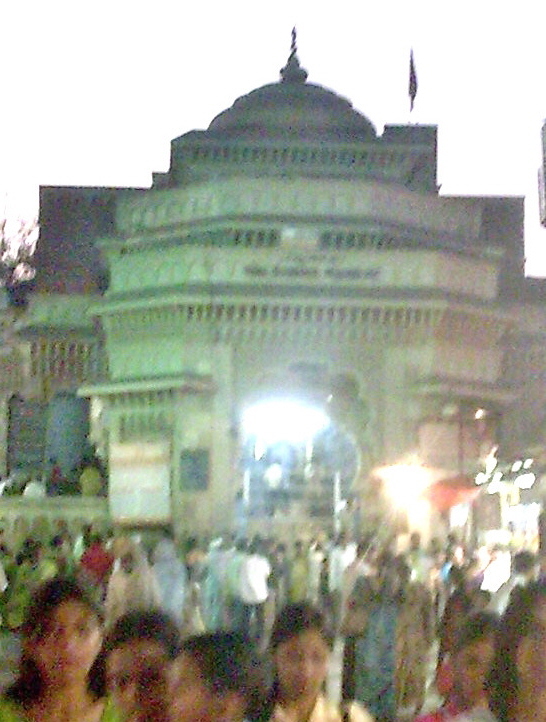
चैतन्य कुल ग्यारह दिन पण्ढरपुर में रहे। रंग पुरी फिर द्वारका के लिए चल पड़े, और उसके बाद चैतन्य चार दिन और वहाँ रुके। इन दिनों में उन्होंने भीमा नदी में स्नान किया और विट्ठल के मन्दिर के दर्शन किए। विट्ठल पण्ढरपुर में पूजे जाने वाले कृष्ण के स्थानीय स्वरूप हैं। इसके बाद चैतन्य ने दक्षिण की ओर अपनी यात्रा आगे बढ़ाई। चैतन्य-चरितामृत और बाद की गौड़ीय परम्परा, दोनों ही वहाँ हुए विश्वरूप के तिरोभाव का वर्णन उन्हीं शब्दों में करते हैं, जिनसे अन्य स्थानों पर उनकी पहचान बताई गई है। यह केवल मृत्यु नहीं थी। यह एक वापसी थी: संकर्षण के एक अवतार का उसी स्रोत में लौट जाना, जिससे वे वास्तव में कभी अलग नहीं थे। पूरे चैतन्य-चरितामृत में विश्वरूप केवल कुछ ही पंक्तियों में आते हैं। लेकिन वे सचमुच वह भाई थे जिन्हें चैतन्य महाप्रभु ने याद करना कभी नहीं छोड़ा।
