गया से लौटकर #
जब श्री चैतन्य महाप्रभु गया में दीक्षा लेकर नवद्वीप लौटे, तब वे सबसे पहले अपने घर नहीं गए। चैतन्य-चरितामृत के तात्पर्य की परम्परा के अनुसार, वे शुक्लाम्बर ब्रह्मचारी के घर गए, क्योंकि वे उनसे भगवान कृष्ण की लीलाओं के बारे में सुनना चाहते थे (आदि 10.38)। पूरे वृत्तान्त में यह सबसे ध्यान खींचने वाली बातों में से एक है। नवद्वीप में नए-नए दीक्षित भगवान किसी के भी पास जा सकते थे। लेकिन उन्होंने उस व्यक्ति का घर चुना, जिसके पास एक भिक्षा-झोली के अलावा कुछ भी नहीं था। श्री चैतन्य-भागवत कुछ ही समय बाद उसी घर का एक और विस्तृत दृश्य बताता है। वह दृश्य, और उसके बाद हुआ एक भोजन, आगे बताया गया है।
गदाधर का छिपकर सुनना #
श्रीमान् पण्डित ने गंगा तट पर यह समाचार फैलाया कि उस रात महाप्रभु शुक्लाम्बर ब्रह्मचारी के घर अपने भक्तों से मिलेंगे। यह सुनकर गदाधर पण्डित दूसरों से पहले वहाँ पहुँच गए और भीतर छिप गए। वे चाहते थे कि किसी की नज़र में आए बिना वे कृष्ण-लीला के बारे में महाप्रभु की बातें सुन सकें। उन्हें अधिक देर छिपना नहीं पड़ा। भगवान के घनिष्ठ साथी एक-एक करके आने लगे। उनमें सदाशिव, मुरारि गुप्त, श्रीमान् पण्डित और स्वयं शुक्लाम्बर ब्रह्मचारी थे, जो इस सभा के मेज़बान थे। फिर विश्वम्भर उनके बीच प्रकट हुए। सन्न्यास लेने से पहले महाप्रभु इसी नाम से जाने जाते थे (चैतन्य-भागवत, मध्य-खण्ड, अध्याय 1)। इसके बाद ऐसी भाव-विभोर अवस्था प्रकट हुई, जिसका वर्णन करने के लिए वहाँ मौजूद बहुत कम लोगों के पास शब्द थे। श्रीवास ठाकुर और दूसरे साक्षियों ने बाद में बताया कि उस रात भगवान के शरीर में जो भाव-परिवर्तन दिखे, वैसे उन्होंने पहले कभी नहीं देखे थे। और गदाधर पण्डित के छिपने की जगह ही घर में भगवान के सबसे निकट की जगह निकली।
यहाँ जिन सदाशिव का नाम आया है, वे सदाशिव पण्डित हैं। उनकी अपनी जीवनी में भी रात की इस सभा का वर्णन है, जिसमें शुक्लाम्बर, श्रीमान् पण्डित और मुरारि गुप्त उपस्थित थे।
एक भोजन जिसे बनाने से वे डरे #
कुछ समय बाद महाप्रभु ने शुक्लाम्बर ब्रह्मचारी से कहा कि वे उनके घर पूरा भोजन करना चाहते हैं। यह सुनकर शुक्लाम्बर प्रसन्न कम और भयभीत अधिक हुए। वे तो जीवन चलाने के लिए चावल की भिक्षा माँगते थे। वे भगवान के सामने परोसने योग्य क्या बना सकते थे? महाप्रभु ने फिर कहा कि यह सचमुच उनकी इच्छा है। इसलिए शुक्लाम्बर ने दूसरे भक्तों से सलाह ली। भक्तों ने उन्हें बताया कि यदि वे चावल को हाथ से छुए बिना भोजन पकाएँ, तो यह कठिनाई हल हो जाएगी। नियत दिन उन्होंने स्नान किया, वस्त्र पहने, चूल्हा जलाया और उबलने के लिए पानी रखा। फिर अपने हाथों से अन्न को छुए बिना उन्होंने चावल के साथ केले के तने का गूदा डाला। पूरे समय वे कृष्ण के नामों का कीर्तन करते रहे: जय कृष्ण गोपाल, गोविन्द, वनमाली (चैतन्य-भागवत, मध्य-खण्ड, अध्याय 26)। परम्परा के अनुसार, जब भोजन पक रहा था, तब स्वयं लक्ष्मी देवी ने अपनी दृष्टि से उस पात्र को आशीर्वाद दिया।
उनके जीवन का सर्वोत्तम भोजन #
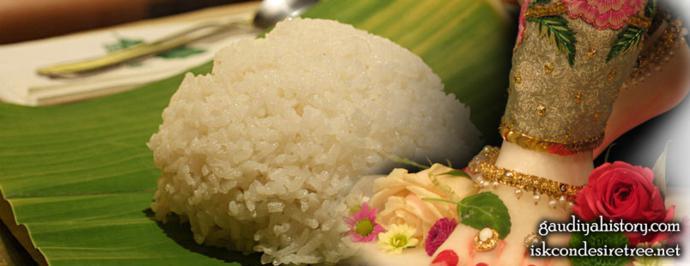
जब महाप्रभु अपने साथियों के साथ पहुँचे, तब उन्होंने पहले तैयार चावल और सब्जी अपने हाथ से भगवान विष्णु को अर्पित की, जैसा किसी भी भोजन से पहले करना उचित है। फिर वे बैठकर भोजन करने लगे। यह भोजन एक भिखारी के माँगे हुए चावल से बना था, जिसे केवल केले के तने के गूदे के साथ उबाला गया था। भोजन के बाद उन्होंने जो कहा, उसे चैतन्य-भागवत ऐसे शब्दों में दर्ज करता है, जो तब से इस कथा के साथ जुड़े हुए हैं: उन्होंने कहा कि अपने पूरे जीवन में उन्होंने ऐसा स्वादिष्ट भोजन कभी नहीं खाया (मध्य-खण्ड, अध्याय 26)। वहाँ उपस्थित भक्त यह देखकर रो पड़े। वे भोजन के कारण नहीं रोए। वे इसलिए रोए, क्योंकि भगवान की प्रसन्नता से पता चलता था कि वे एक निर्धन भक्त के प्रेम को कितना मूल्यवान मानते हैं।
धन जो धनवान भी न खरीद सकें #
चैतन्य-भागवत इस प्रसंग को अपनी शिक्षा बताकर समाप्त करता है, और हम उसे यहाँ सीधे शब्दों में कहते हैं। कोई भी धन, ऊँचा जन्म या विद्वत्ता वह नहीं खरीद सकती थी, जो शुक्लाम्बर ब्रह्मचारी को उस दिन मिला। इसका कारण यह है कि भगवान की कृपा केवल भक्ति का उत्तर देती है, इस बात का नहीं कि किसके पास क्या है। भिक्षा-झोली का चावल में भी यही शिक्षा मिलती है। महाप्रभु ने एक बार शुक्लाम्बर की झोली से सीधे कच्चा चावल छीन लिया था। बाद में उन्होंने शुक्लाम्बर के पकाए भोजन को अपने जीवन के हर दूसरे भोजन से अधिक सराहा। अन्त में ये दोनों एक ही भेंट थीं, जिसे एक ही निर्धन भक्त ने दिया और भगवान ने दोनों बार एक ही भाव से स्वीकार किया। इन प्रसंगों और उनके घर पर पहले हुई सभा के अलावा, शुक्लाम्बर ब्रह्मचारी के जीवन के बारे में कुछ भी नहीं बचा है। इनसे पहले या बाद का उनका जीवन हमें ज्ञात नहीं है। स्रोतों में केवल ये भोजन सुरक्षित हैं। परम्परा ने केवल इन भोजनों को, या कहें उनके भीतर छिपे प्रेम को, सुरक्षित रखने योग्य समझा।
