An Unusual Omission #
When Raghunatha Bhatta Goswami arrived at Jagannatha Puri after his long walk from Varanasi, he brought with him not only his own devotion but also the company of Ramadasa Vishvasa. This was the kayastha secretary who had carried his baggage the entire way and chanted Rama's holy name without pause. Chaitanya-charitamrita has already told its readers much about Ramadasa. He had scriptural learning. He had renounced his home and his government post. And he humbly served a brahmana, even though his own standing as a respected and learned gentleman might have suggested that others should serve him instead. So a reader might expect Sri Chaitanya Mahaprabhu to receive him warmly. Instead, Krishnadasa Kaviraja Goswami records something surprising: "When Ramadasa Vishvasa met Sri Chaitanya Mahaprabhu, the Lord did not show him any special mercy, although this was their first meeting."
What Mahaprabhu Alone Could See #
Chaitanya-charitamrita does not leave this unexplained. "Within his heart," the text says, "Ramadasa Vishvasa was an impersonalist who desired to merge into the existence of the Lord, and he was very proud of his learning. Since Sri Chaitanya Mahaprabhu is the omniscient Supreme Personality of Godhead, He can understand the heart of everyone, and thus He knew all these things." This is a striking claim to make about a man who, only a few verses earlier, is described as a great devotee and worshiper of Ramachandra. Bhaktivinoda Thakura's own remark on the passage, recorded in Srila Prabhupada's purport, makes the point even clearer. Anyone who desires to merge into the Lord's existence cannot, strictly speaking, be called a pure Vaishnava. Yet because Ramadasa was a genuine devotee of Lord Ramachandra, in the eyes of the world around him he was "almost a Vaishnava." In that era, the purport adds, hardly anyone could really tell a pure Vaishnava from one whose devotion was still mixed with a desire for impersonal liberation. Mahaprabhu could, and His silence toward Ramadasa was itself His judgment.
A Life Made of Poetics, Not Complaint #
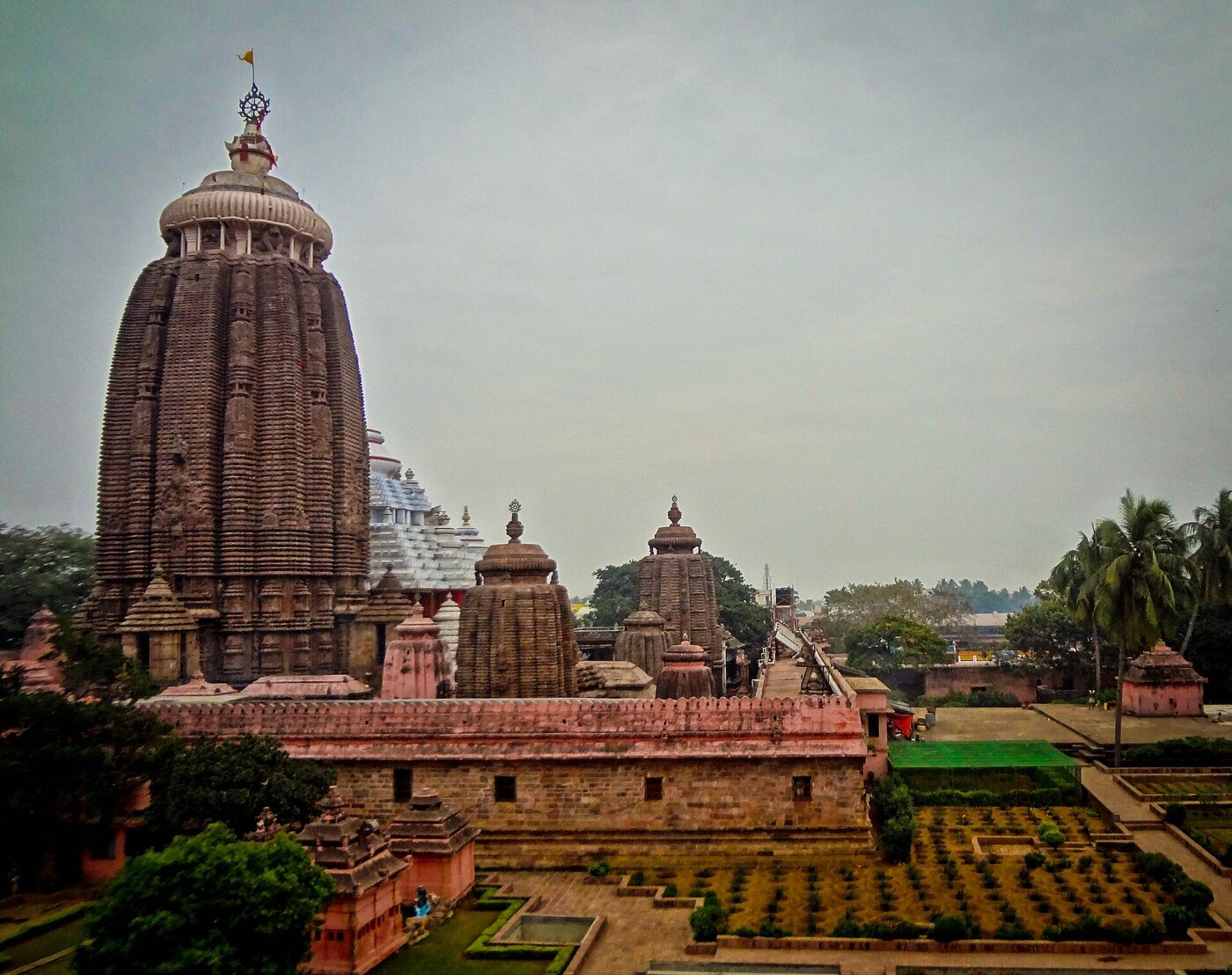
Chaitanya-charitamrita records no protest from Ramadasa, no visible disappointment and no dramatic change afterward. He simply settled at Nilachala. There he took up teaching Kavya-prakasha, the same Sanskrit poetics text he had taught before. He taught it to the Pattanayaka family, the descendants of Bhavananda Raya. This was the same noble household that produced Ramananda Raya. In its own quiet way, this was a continuation of the life he had been living all along. He was a scholar-devotee who earned his living and his place in society through learning. He chanted Rama's name and served where dharma seemed to call for it. But he never again appears in Chaitanya-charitamrita's account of Mahaprabhu's inner circle.
Eight Months, Then a Departure #
Raghunatha Bhatta, meanwhile, remained with Mahaprabhu for eight months. Then he was sent home to Varanasi with instructions that would shape the rest of his own life. Among them was a direct command never to marry. At exactly this point, Ramadasa's story and Raghunatha's go separate ways. Of the two, one man received an order that would in time lead him to Vrindavana, where he himself is counted as one of the Six Goswamis. The other went on teaching poetry a short distance away at Nilachala. His name is kept in Chaitanya-charitamrita for one journey and one judgment, and nothing more.
What the Record Leaves Unanswered #
Chaitanya-charitamrita gives no sign of whether Ramadasa's inner desire for impersonal merging ever changed. It also does not say whether he continued to consider himself Raghunatha's well-wisher after this, or how long he lived at Puri afterward. No date of birth or disappearance survives for him in any available source. Instead of a tidy ending, the text leaves something more useful. It is an honest record that outward learning, renunciation, and even genuine devotion to one of the Lord's own forms are not enough on their own. They do not guarantee the kind of mercy that Sri Chaitanya Mahaprabhu kept for those who have no desire except pure service.
