Ramadasa Vishvasa
The Kayastha Companion of Raghunatha Bhatta Goswami
The complete life, on one page: The main biography and every pastime page, in order, in one place
Introduction
Chapter 1
The Kayastha Who Called Himself a Shudra
A learned government secretary insists on carrying a young brahmana's baggage across Bengal, over the brahmana's own repeated protests.
Leaving Varanasi #
Raghunatha Bhattacharya, later known as Raghunatha Bhatta Goswami, had just finished his education in Varanasi when he gave up all his other duties and set out to see Sri Chaitanya Mahaprabhu again. Chaitanya-charitamrita describes the departure almost bluntly: he simply left, taking only a servant to carry his baggage, and took the road through Bengal toward Jagannatha Puri.
A Traveler Going the Same Way #
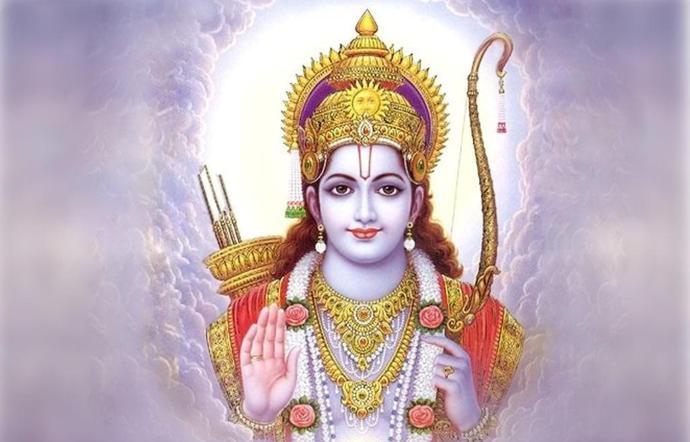
Somewhere along that road, Raghunatha crossed paths with another traveler making the same journey for the same reason. Chaitanya-charitamrita introduces him carefully. He was Ramadasa Vishvasa, a man of the kayastha caste and one of the king's own secretaries in the government accounting department. The text calls him vishvasa-khanara kayastha. Srila Prabhupada's purport explains this as the standard title for a clerk or secretary serving kings and governors of that era. Despite his worldly post, Chaitanya-charitamrita says, he was "very learned in all the revealed scriptures." He was a teacher of Kavya-prakasha, the classical Sanskrit text on poetics. He was also known as a great devotee and worshiper of Lord Ramachandra. Like Raghunatha, he had renounced his household to see Lord Jagannatha. The text says that he chanted Rama's holy name twenty-four hours a day as he walked.
An Uncomfortable Offer of Service #
On learning that his fellow traveler was a brahmana, Ramadasa did something that visibly unsettled Raghunatha: he took Raghunatha's baggage onto his own head and began carrying it, and went further still, massaging his legs at rest stops along the way. Raghunatha, a young man clearly aware of how much learning and social standing Ramadasa actually possessed, tried repeatedly to stop him. "You are a respectable gentleman, a learned scholar and a great devotee," he said. "Please do not try to serve me. Just come with me in a happy mood."
"I Am a Shudra, a Fallen Soul" #
Ramadasa's reply, kept almost word for word in Chaitanya-charitamrita, shows most clearly how he understood his own place in the world: "I am a shudra, a fallen soul! To serve a brahmana is my duty and my own religious principle. Do not be hesitant. I am your servant, and when I serve you my heart becomes jubilant." Whatever his caste as a kayastha meant for his social rank, he insisted on seeing the relationship in terms of dharma, not status. For him, service to a brahmana was closer to worship than to duty. Raghunatha, for his part, kept objecting. Chaitanya-charitamrita notes that he felt real hesitation (sankucita mana) at accepting service from a man so clearly his equal or better in learning. Ramadasa carried the baggage anyway, all the way to Jagannatha Puri, chanting Rama's holy name the entire distance. Chaitanya-charitamrita records that the two men filled the miles with talk about scripture as they walked. This was a natural exchange between a young Sanskrit scholar who had just finished his studies at Varanasi and an older one who taught Kavya-prakasha for a living. But neither of them yet knew how differently Sri Chaitanya Mahaprabhu would receive each of them at the end of the journey.
Arriving at Nilachala #
Traveling together in this way, the two men reached Jagannatha Puri. There Raghunatha went at once to Sri Chaitanya Mahaprabhu's feet, and Chaitanya-charitamrita says he was received "in great delight." Raghunatha then introduced his unusual traveling companion to Mahaprabhu Himself. The reception the two men received turned out to be very different. What happened, and why, is told in No Special Mercy at Nilachala.
Scriptural evidence for this chapter (3)
pathe tāre mililā viśvāsa-rāmadāsa
viśvāsa-khānāra kāyastha teṅho rājāra viśvāsa
Word for word
pathe tāre mililā: he met him on the path; viśvāsa-rāmadāsa: Ramadasa Vishvasa; viśvāsa-khānāra kāyastha: belonging to the kayastha class of the governmental accounting department; teṅho rājāra viśvāsa: he was a secretary to the king.
In Bengal he met Ramadasa Vishvasa, who belonged to the kayastha caste. He was one of the king's secretaries.
From the purport: Purport excerpt: "Kayasthas were usually secretaries to kings, governors or other important persons."
Establishes Ramadasa's caste and government post, and that Vishvasa is his professional title rather than a family name.
sarva-śāstre pravīṇa, kāvya-prakāśa-adhyāpaka
parama-vaiṣṇava, raghunātha-upāsaka
Word for word
sarva-śāstre pravīṇa: very learned in all revealed scriptures; kāvya-prakāśa-adhyāpaka: a teacher of Kavya-prakasha; parama-vaiṣṇava: a highly advanced devotee; raghunātha-upāsaka: a worshiper of Lord Ramachandra.
Ramadasa Vishvasa was very learned in all the revealed scriptures. He was a teacher of the famous book Kavya-prakasha and was known as an advanced devotee and worshiper of Raghunatha [Lord Ramachandra].
From the purport: Purport excerpt: "Anyone who desires to merge into the existence of the Lord cannot be a pure Vaishnava... [but] because Ramadasa Vishvasa was a great devotee of Lord Ramacandra, he was almost a Vaishnava" (Bhaktivinoda Thakura, quoted by Srila Prabhupada).
Sets up the exact tension the later verses resolve: outward Vaishnava standing versus an inward impersonalist leaning invisible to everyone but Mahaprabhu.
rāmadāsa kahe, — "āmi śūdra adhama!
'brāhmaṇera sevā', — ei mora nija-dharma
Word for word
rāmadāsa kahe: Ramadasa said; āmi śūdra adhama: I am a fallen shudra; brāhmaṇera sevā: service to a brahmana; ei mora nija-dharma: this is my own religious duty.
Ramadasa replied, "I am a shudra, a fallen soul. To serve a brahmana is my duty and religious principle.
The exchange used as this acharya's pull-quote, showing how Ramadasa understood his own service to Raghunatha Bhatta.
Chapter 2
No Special Mercy at Nilachala
Despite his learning and renunciation, Ramadasa Vishvasa receives no special favor from Sri Chaitanya Mahaprabhu - for a reason the Lord alone could see.
An Unusual Omission #
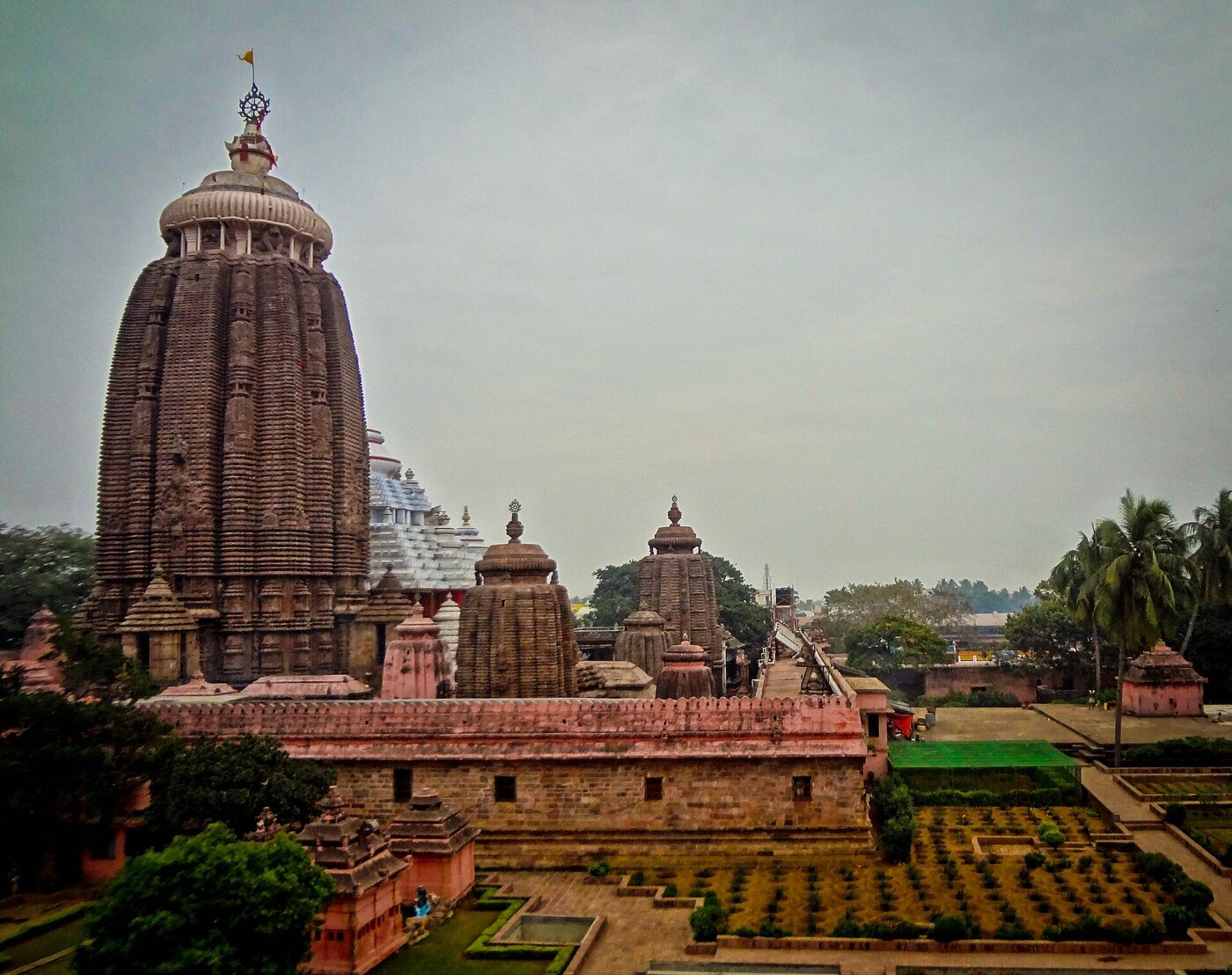
When Raghunatha Bhatta Goswami arrived at Jagannatha Puri after his long walk from Varanasi, he brought with him not only his own devotion but also the company of Ramadasa Vishvasa. This was the kayastha secretary who had carried his baggage the entire way and chanted Rama's holy name without pause. Chaitanya-charitamrita has already told its readers much about Ramadasa. He had scriptural learning. He had renounced his home and his government post. And he humbly served a brahmana, even though his own standing as a respected and learned gentleman might have suggested that others should serve him instead. So a reader might expect Sri Chaitanya Mahaprabhu to receive him warmly. Instead, Krishnadasa Kaviraja Goswami records something surprising: "When Ramadasa Vishvasa met Sri Chaitanya Mahaprabhu, the Lord did not show him any special mercy, although this was their first meeting."
What Mahaprabhu Alone Could See #
Chaitanya-charitamrita does not leave this unexplained. "Within his heart," the text says, "Ramadasa Vishvasa was an impersonalist who desired to merge into the existence of the Lord, and he was very proud of his learning. Since Sri Chaitanya Mahaprabhu is the omniscient Supreme Personality of Godhead, He can understand the heart of everyone, and thus He knew all these things." This is a striking claim to make about a man who, only a few verses earlier, is described as a great devotee and worshiper of Ramachandra. Bhaktivinoda Thakura's own remark on the passage, recorded in Srila Prabhupada's purport, makes the point even clearer. Anyone who desires to merge into the Lord's existence cannot, strictly speaking, be called a pure Vaishnava. Yet because Ramadasa was a genuine devotee of Lord Ramachandra, in the eyes of the world around him he was "almost a Vaishnava." In that era, the purport adds, hardly anyone could really tell a pure Vaishnava from one whose devotion was still mixed with a desire for impersonal liberation. Mahaprabhu could, and His silence toward Ramadasa was itself His judgment.
A Life Made of Poetics, Not Complaint #
Chaitanya-charitamrita records no protest from Ramadasa, no visible disappointment and no dramatic change afterward. He simply settled at Nilachala. There he took up teaching Kavya-prakasha, the same Sanskrit poetics text he had taught before. He taught it to the Pattanayaka family, the descendants of Bhavananda Raya. This was the same noble household that produced Ramananda Raya. In its own quiet way, this was a continuation of the life he had been living all along. He was a scholar-devotee who earned his living and his place in society through learning. He chanted Rama's name and served where dharma seemed to call for it. But he never again appears in Chaitanya-charitamrita's account of Mahaprabhu's inner circle.
Eight Months, Then a Departure #
Raghunatha Bhatta, meanwhile, remained with Mahaprabhu for eight months. Then he was sent home to Varanasi with instructions that would shape the rest of his own life. Among them was a direct command never to marry. At exactly this point, Ramadasa's story and Raghunatha's go separate ways. Of the two, one man received an order that would in time lead him to Vrindavana, where he himself is counted as one of the Six Goswamis. The other went on teaching poetry a short distance away at Nilachala. His name is kept in Chaitanya-charitamrita for one journey and one judgment, and nothing more.
What the Record Leaves Unanswered #
Chaitanya-charitamrita gives no sign of whether Ramadasa's inner desire for impersonal merging ever changed. It also does not say whether he continued to consider himself Raghunatha's well-wisher after this, or how long he lived at Puri afterward. No date of birth or disappearance survives for him in any available source. Instead of a tidy ending, the text leaves something more useful. It is an honest record that outward learning, renunciation, and even genuine devotion to one of the Lord's own forms are not enough on their own. They do not guarantee the kind of mercy that Sri Chaitanya Mahaprabhu kept for those who have no desire except pure service.
Scriptural evidence for this chapter (4)
Quoted in the text above:
- Antya 13.109 Sri Chaitanya-charitamrita
Further verses:
antare mumukṣu teṅho, vidyā-garvavān
sarva-citta-jñātā prabhu — sarvajña bhagavān
Word for word
antare mumukṣu teṅho: within his heart he desired liberation (merging); vidyā-garvavān: proud of his learning; sarva-citta-jñātā prabhu: the Lord who knows the heart of everyone; sarvajña bhagavān: the omniscient Supreme Personality of Godhead.
Within his heart, Ramadasa Vishvasa was an impersonalist who desired to merge into the existence of the Lord, and he was very proud of his learning. Since Sri Chaitanya Mahaprabhu is the omniscient Supreme Personality of Godhead, He can understand the heart of everyone, and thus He knew all these things.
The text's own explanation for the previous verse, naming the impersonalist desire and pride that Mahaprabhu alone could perceive.
rāmadāsa kailā tabe nīlācale vāsa
paṭṭanāyaka-goṣṭhīke paḍāya 'kāvya-prakāśa'
Word for word
rāmadāsa kailā tabe nīlācale vāsa: Ramadasa then took up residence at Jagannatha Puri; paṭṭanāyaka-goṣṭhīke paḍāya kāvya-prakāśa: teaches Kavya-prakasha to the Pattanayaka family.
Ramadasa Vishvasa then took up residence in Jagannatha Puri and taught the Kavya-prakasha to the Pattanayaka family [the descendants of Bhavananda Raya].
The only detail Chaitanya-charitamrita gives of Ramadasa's later life, and the source for his connection to Ramananda Raya's family.
kleśo 'dhikataras teṣām
avyaktāsakta-cetasām
avyaktā hi gatir duḥkhaṁ
dehavadbhir avāpyate
Word for word
kleśaḥ: trouble; adhikataraḥ: very much; teṣām: of them; avyakta: to the unmanifested; āsakta: attached; cetasām: of those whose minds; avyaktā: toward the unmanifested; hi: certainly; gatiḥ: progress; duḥkham: with trouble; deha-vadbhiḥ: by the embodied; avāpyate: is achieved.
For those whose minds are attached to the unmanifested, impersonal feature of the Supreme, advancement is very troublesome. To make progress in that discipline is always difficult for those who are embodied.
From the purport: Purport excerpt: "The process of jnana-yoga, although ultimately bringing one to the same goal, is very troublesome, whereas the path of bhakti-yoga...is easier and is natural for the embodied soul."
Supports the account of Ramadasa's impersonalist leaning: the Gita itself describes the path he was inwardly drawn toward as unusually difficult for an embodied soul, in contrast to the bhakti he outwardly practiced.
Closing
A Servant Met on the Road to Puri #
When Raghunatha Bhatta Goswami left Varanasi for Jagannatha Puri after finishing his education, he met a fellow traveler on the road through Bengal. This was a government secretary of the kayastha caste named Ramadasa. Sri Chaitanya-charitamrita calls him Ramadasa Vishvasa. "Vishvasa" was not a family name but his actual government title, meaning roughly "confidential secretary." Ramadasa insisted on carrying Raghunatha's baggage himself, all the way to Nilachala. The words he used to explain this have come down to us almost exactly as he spoke them. This page brings together what Chaitanya-charitamrita records about him, in more detail than the short mention of him on Raghunatha Bhatta Goswami's own page.
| Detail | Description |
|---|---|
| Caste and occupation | Kayastha; secretary in a royal government administration |
| Learning | A scholar of scripture and a teacher of the Sanskrit poetics text Kavya-prakasha |
| Devotion | A lifelong worshiper and chanter of the holy name of Lord Ramachandra |
| Met on the road with | Raghunatha Bhatta Goswami, traveling from Varanasi to Jagannatha Puri |
| Primary source | Sri Chaitanya-charitamrita, Antya-lila, Chapter Thirteen (verses 89-112) |
| Later life | Settled at Jagannatha Puri, teaching Kavya-prakasha to the Pattanayaka family |
Three Devotees Named Ramadasa #
Sri Chaitanya-charitamrita names at least three separate devotees called Ramadasa. Two of them were brahmanas of the far south and devotees of Lord Ramachandra, met during Mahaprabhu's own South India tour. They are remembered here as Ramadasa Brahmana and Ramadasa Vipra. Neither of them shares this Ramadasa's caste, work or region. Ramadasa Vishvasa is clearly described as a kayastha, a government secretary and a Bengali. He was met years later and hundreds of miles away, in a completely different chapter of Chaitanya-charitamrita. A fourth figure with a similar name, Minaketana Ramadasa, was Nityananda Prabhu's own ecstatic servant and appears on Krishnadasa Kaviraja Goswami's page. He too is unrelated. "Ramadasa," meaning servant of Rama, was simply a common name among devotees of that generation. Here "Vishvasa" (sometimes spelled Bishvas or Visvasa) marks the government post he held, not a family line. This is also why some later retellings drop it and refer to him more loosely as a brahmana or vipra. But Chaitanya-charitamrita itself is clear and consistent: this Ramadasa is a kayastha, not a brahmana. His story belongs to Raghunatha Bhatta Goswami's Antya-lila years at Puri, not to the earlier South India tour.
A Government Secretary Among the Kayasthas #
Sri Chaitanya-charitamrita is exact about Ramadasa's social standing. He belonged to the kayastha caste and worked as a secretary in the government accounting department. Srila Prabhupada's purport notes that the kayasthas were a class of professional administrators who worked in the offices of kings and governors throughout Bengal at the time. Even with this worldly post, the text calls him learned in all revealed scriptures. He was also a teacher of Kavya-prakasha, the famous Sanskrit textbook on poetics by Mammata Bhatta. This was a real scholarly achievement for a working government clerk. Chaitanya-charitamrita adds that he was a great devotee and worshiper of Ramachandra. As he set out, like Raghunatha, to see Lord Jagannatha, he renounced everything and chanted Rama's holy name twenty-four hours a day.
A Teacher's Later Life at Puri #
Ramadasa did not return to Bengal. Chaitanya-charitamrita's own summary of his life is brief but specific. He settled at Nilachala and spent his remaining years teaching Kavya-prakasha to the Pattanayaka family. They were the descendants of Bhavananda Raya, the same noble household from which Ramananda Raya himself came. It is one of the small, concrete details that Chaitanya-charitamrita preserves about ordinary devotional life around Mahaprabhu at Puri. Here was a scholar-devotee who was denied nothing outwardly. He quietly made his teaching of poetics to a great local family both his living and his religious practice.
What the Record Leaves Unanswered #
Chaitanya-charitamrita does not say whether Ramadasa ever left behind the leaning toward impersonalism that Mahaprabhu saw in him. It also does not record his birth, his disappearance, or any further meeting with Mahaprabhu after Raghunatha Bhatta's own eight months at Puri came to an end. Among some devotees he later came to be seen as an early example of a Vaishnava who fell short of a Vaishnava's full surrender. This view rests entirely on this one, unusually frank verse of Krishnadasa Kaviraja Goswami. The tradition has kept this passage because it shows that outward learning and renunciation, on their own, were never enough to satisfy Mahaprabhu's own standard of devotion.
