Pānī-ghāṭa (Vṛndāvana)
पानी-घाट (वृन्दावन) Hindi name proposed
Also called Pāṇī-ghāṭa
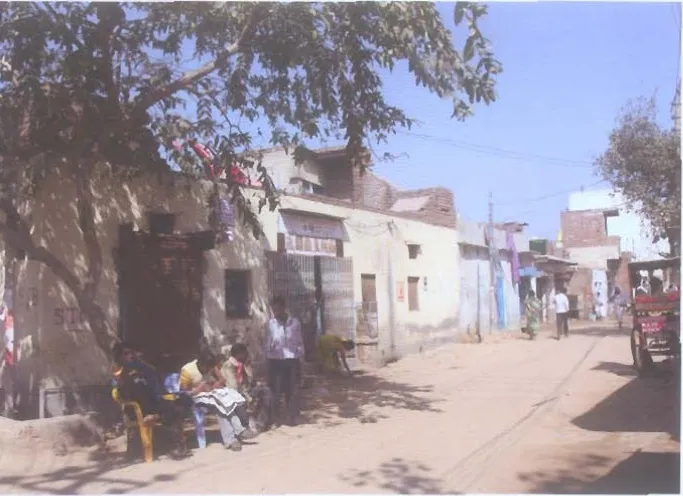
- What it is
- Pānī-ghāṭa is a place on the Yamunā at Vṛndāvana, which Śrī Vraja-maṇḍala Parikramā (2007) places in the forest of Gahvaravana.
- Visiting
- Śrī Vraja-maṇḍala Parikramā (2007) puts Ādi-badrī-ghāṭa a little south of Pānī-ghāṭa.
In short
Pānī-ghāṭa is a place on the Yamunā at Vṛndāvana, which Śrī Vraja-maṇḍala Parikramā (2007) places in the forest of Gahvaravana. According to the local tradition recorded in the guidebooks (Śrī Vraja-maṇḍala Parikramā, 2007, The Color Guide to Vṛndāvana, 2000, and others), from here the gopīs crossed the river to feed the sage Durvāsā in his āśrama on the far bank.[1 +4] The Gopāla-tāpanī Upaniṣad and the Garga-saṁhitā tell that crossing in two different ways, and neither names the ghāṭa.[6 +1] The oldest text found that names Pānī-ghāṭa is the Bengali Bhaktamāla of Kṛṣṇadāsa Bābājī (1905), which counts it among the places of Vṛndāvana but tells no pastime there.[8] The guidebooks also differ on where the ghāṭa is.[8]
Key facts
| Kind | ghāṭa |
|---|---|
| Region · area | Vṛndāvana |
| Also part of | Gahvaravana (Vṛndāvana), Yamunā |
Divine pastimes
The gopīs cross the Yamunā
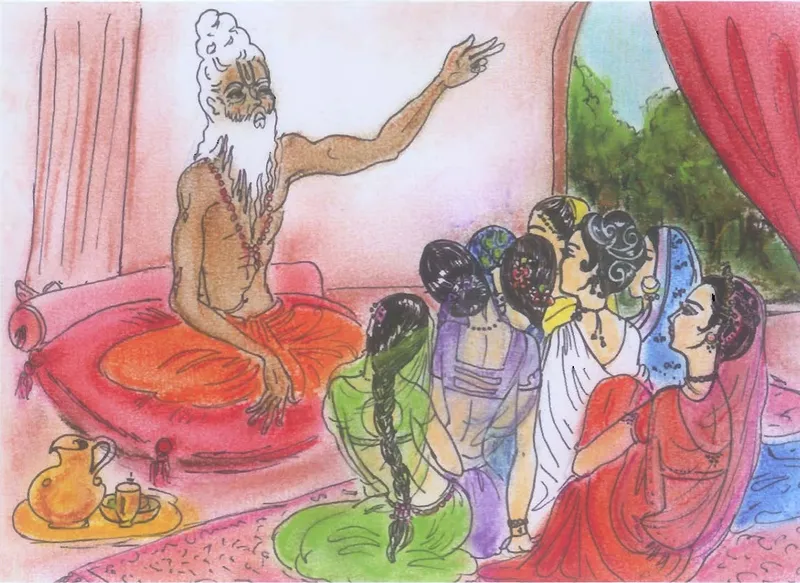
Śrīmad-Bhāgavatam does not tell this pastime. The Gopāla-tāpanī Upaniṣad tells it as follows (summarised here, not translated). One morning Kṛṣṇa told the women of Vraja to give alms to the brāhmaṇa Durvāsā. When they asked how they would cross the Yamunā, He told them to say that Kṛṣṇa is a brahmacārī, a celibate, and the river would give them a path. They crossed, bowed to the sage in his āśrama and gave him the best foods made of milk and ghee. To go back, he told them to remember him, "Durvāsana", and the river again gave them a path.[3 +5]
Then the best of the gopīs, Gāndharvī, asked him how Kṛṣṇa could be a brahmacārī and how Durvāsā could be a sage. Durvāsā answered that he, the self, does not enjoy what the senses take in, and that Kṛṣṇa, free from birth and old age, who dwells among the cows and protects the cowherds, is their lord.[3 +5] Śrīla Jīva Gosvāmī quotes these words of Durvāsā in his comments on the rāsa chapters of the Bhāgavatam, without naming a place.[6 +1] Explaining Kṛṣṇa's words to the gopīs at the start of the rāsa dance, Śrīla Viśvanātha Cakravartī Ṭhākura cites the same Upaniṣad, "kṛṣṇo brahmacārī":[6 +1]
Because you are all very chaste and I am a brahmacārī, as confirmed by the words kṛṣṇo brahmacārī in the śruti [Gopāla-tāpanī Upaniṣad], there should be no fault in our being in the same place. Nonetheless, the mind can never be trusted — neither yours nor My own.
Translation: Śrīla Prabhupāda's disciples (BBT)The Garga-saṁhitā tells it differently. Durvāsā, Kṛṣṇa's guru, has come to Bhāṇḍīravana. The gopīs take fifty-six kinds of food to the river and repeat the words Kṛṣṇa taught them; the Yamunā at once gives them a path, Durvāsā eats everything, and afterwards Kṛṣṇa Himself explains the riddle (summarised here, not translated).[7 +4]
तथा मध्ये दीर्घनदी यमुना प्रतिबन्धिका । कथं तत्तरणं नावं ऋते देव भविष्यति ॥ 20 ॥ श्रीभगवानुवाच - अवश्यमेव गन्तव्यं भवतीभिर्यदा प्रियाः । यमुनामेत्य चैतद्वै वक्तव्यं मार्गहेतवे ॥ 21 ॥ यदि कृष्णो बालयतिः सर्वदोषविवर्जितः । तर्हि नो देहि मार्गं वै कालिन्दि सरितां वरे ॥ 22 ॥ इत्युक्ते वचने कृष्णा मार्गं वो दास्यति स्वतः । सुखेन तेन व्रजत यूयं सर्वा व्रजांगनाः ॥ 23 ॥
tathā madhye dīrghanadī yamunā pratibandhikā
kathaṁ tattaraṇaṁ nāvaṁ ṛte deva bhaviṣyati
20
śrībhagavānuvāca - avaśyameva gantavyaṁ bhavatībhiryadā priyāḥ
yamunāmetya caitadvai vaktavyaṁ mārgahetave
21
yadi kṛṣṇo bālayatiḥ sarvadoṣavivarjitaḥ
tarhi no dehi mārgaṁ vai kālindi saritāṁ vare
22
ityukte vacane kṛṣṇā mārgaṁ vo dāsyati svataḥ
sukhena tena vrajata yūyaṁ sarvā vrajāṁganāḥ || 23 ||
Rādhā and Durvāsā
Śrīla Rūpa Gosvāmī names Rādhā "she who satisfied Durvāsā with food" and "Gāndharvā, known from the śruti". Śrīla Baladeva Vidyābhūṣaṇa explains these names by the story of the Gopāla-tāpanī, in which, he says, it was Rādhā who gave Durvāsā food and asked him about Kṛṣṇa.[20 +1] In his Gopāla-campū Śrīla Jīva Gosvāmī speaks of the dishes cooked by Rādhā and Her friends as those that Durvāsā once tasted (summarised here, not translated).[6 +1]
The Caitanya-caritāmṛta says that Rādhārāṇī received from Durvāsā Muni the blessing that whatever She cooks is sweeter than nectar. It gives no place or occasion for the blessing; two guidebooks connect it with this crossing, and other sources place it elsewhere (see below).[23] Read more: The gopīs cross the Yamunā to feed Durvāsā →
দুর্বাসার ঠাঞি তেঁহো পাঞাছেন বর ।
অমৃত হইতে পাক তাঁর অধিক মধুর ॥ ১১৬ ॥
durvāsāra ṭhāñi teṅho pāñāchena vara
amṛta ha-ite pāka tāṅra adhika madhura
Śrīmatī Rādhārāṇī received from Durvāsā Muni the benediction that whatever She cooked would be sweeter than nectar. That is the special feature of Her cooking.
Translation: Śrīla A.C. Bhaktivedanta Swami PrabhupādaTraditional accounts
The Bengali Bhaktamāla (1905), describing the holy places of Vṛndāvana, ends its round of the riverside places with Rādhā-bāga …
The Bengali Bhaktamāla (1905), describing the holy places of Vṛndāvana, ends its round of the riverside places with Rādhā-bāga and, "to the east, at a distance", Pānī-ghāṭa, before it turns to the temples inside the town. It tells no pastime there.[8]
Visiting today
Śrī Vraja-maṇḍala Parikramā (2007) puts Ādi-badrī-ghāṭa a little south of Pānī-ghāṭa. Vṛndāvana, the Playground of God (2010) shows Pānī-ghāṭa as a village street of low whitewashed buildings under a large tree, with no river in view. No guide describes a bathing place today.[12 +1]
Location
| Where it is | in Gahvaravana; map label[25] |
|---|
Nearby places
Ādi-badrī-ghāṭa · Durvāsā Āśrama (near Pānī-gaon) · Yamunā
Pictures
1 pictures
Where the sources differ
Accounts differ Where 'Pānī-ghāṭa', the place connected with the gopīs' crossing to Durvāsā, is: a village across the Yamunā from Vṛndāvana, or a ghāṭa of Vṛndāvana town.
- Śrī Vraja-maṇḍala Parikramā (2007), Māṭavana chapterPānī-gaon, 'also known as Pānī-ghāṭa', is a village of Māṭavana on the Yamunā bank, two miles south of Māna-sarovara and a quarter of a mile south-east of Vṛndāvana, across the river; Durvāsā's hermitage was near it; 'that place where the gopīs crossed the Yamunā is called Pānī-gaon or Pānī-ghāṭa'.
- Śrī Vraja-maṇḍala Parikramā (2007), Vṛndāvana chapter'The famous Pānī-ghāṭa' lies in Gahvaravana, one of Vṛndāvana's own forests; the gopīs crossed the Yamunā on foot from this ghāṭa; it is listed among Vṛndāvana's ghāṭas.
- Vṛndāvana, the Playground of God (2010), The Color Guide to Vṛndāvana (2000), the undated parikramā notes VṛndāvanaPāṇī-ghāṭa / Pani Ghāṭa is a ghāṭa of Vṛndāvana, where the gopīs came down to the Yamunā; Durvāsā's āśrama was on the other side.
- the Bengali Bhaktamāla of Kṛṣṇadāsa Bābājī (1905), 26th mālāIn its round of the places of Vṛndāvana, a Pāṇi-ghāṭa lies east of (or after) Rādhā-bāga, at a distance; no bank is named.
How the gopīs crossed to Durvāsā and back.
Accounts differ Details of the gopīs' crossing to Durvāsā.
- Gopāla-tāpanī Upaniṣad, Uttara (opening)Kṛṣṇa sends them; they say Kṛṣṇa is a brahmacārī and the river becomes fordable; they give milk and ghee foods; they return by remembering 'Durvāsana' (not explained in the text; Vṛndāvana, the Playground of God (2010): a sage who eats only dūrvā grass); Gāndharvī asks the riddle and Durvāsā explains it.
- Garga-saṁhitā, Mādhurya-khaṇḍa 1.12-53Durvāsā, Kṛṣṇa's guru, is at Bhāṇḍīravana; at night the gopīs say 'if Kṛṣṇa is a faultless child-celibate (bāla-yati), give us a path' and the Yamunā at once gives a path; they bring fifty-six pots of food, which Durvāsā eats; they return with 'if Durvāsā lives only on dūrvā-grass juice …'; later at the rāsa Kṛṣṇa explains the riddle.
- Śrī Vraja-maṇḍala Parikramā (2007)In the monsoon flood no boatman would cross; Kṛṣṇa tells them to say 'If Kṛṣṇa has not seen the face of any woman …'; they walk across; Durvāsā tells them to say 'If Durvāsā has not eaten any cooked food during his whole life …'; afterwards Kṛṣṇa explains the mystery; elsewhere they feed Durvāsā fifty-six kinds of preparations.
- Vṛndāvana, the Playground of God (2010)Follows the Upaniṣad, but the Yamunā 'parted' to let them cross both ways.
The wording of these accounts is our summary of the sources, not a published translation.
Accounts differ Where and on what occasion Durvāsā gave Rādhā the boon on Her cooking (and why Yaśodā has Her cook for Kṛṣṇa).
- The Color Guide to Vṛndāvana (2000) and the the undated parikramā notes VṛndāvanaAfter the gopīs crossed the Yamunā at Pānī-ghāṭa and fed him, Durvāsā blessed them and gave Rādhārāṇī the boon that whatever She cooks will taste like nectar and give a long life without disease; for this reason Yaśodā asked Her to cook for Kṛṣṇa every day.
- Śrī Vraja-maṇḍala Parikramā (2007), citing the Padma PurāṇaDurvāsā Ṛṣi gave Śrīmatī Rādhikā the boon near Nārada-kuṇḍa at Jāvaṭa; whoever ate what She cooked would become immortal, invincible and greatly valiant.
- Bhakti-ratnākara, Fifth Wave (1912 ed. p. 233)At Nārada-kuṇḍa in Yāvaṭa a sage (muni), not named, gave Rādhikā a boon, and She became amṛta-hastā.
- Padma Purāṇa, Pātāla-khaṇḍa 83.31–33; Śrīla Rūpa Gosvāmī, Lalita-mādhava Act 1; Śrīla Kṛṣṇadāsa Kavirāja, Govinda-līlāmṛta 3.14; Śrīla Raghunātha dāsa Gosvāmī, Viśākhānandābhidha-stotra 24Durvāsā gave Rādhā the boon (Her food sweet as nectar and giving long life to the eater), and for this reason Yaśodā calls Her to cook for Kṛṣṇa; no place or occasion is given.
More on this place
The gopīs cross the Yamunā to feed Durvāsā
References
25 references
- Śrī Vraja-maṇḍala Parikramā (2007), PDF p. 342
- Śrī Vraja-maṇḍala Parikramā (2007), PDF p. 343
- Vṛndāvana, the Playground of God (2010), Bhakti Caitanya Svāmī, PDF p. 234
- The Color Guide to Vṛndāvana (2000), Written and Photographed by Rājaśekhara dāsa Brahmacārī, PDF p. 151
- the undated parikramā notes Vṛndāvana, ¶289
- Gopāla-tāpanī Upaniṣad, Uttara-tāpanī, opening section (the gopīs and Durvāsā, going)
- Garga-saṁhitā, Mādhurya-khaṇḍa (4) 1.24–26, Sanskrit Wikisource
- Śrī Śrī Bhaktamāla grantha of Kṛṣṇadāsa, verse description of Vṛndāvana's holy places near the end of the book, right column, printed p. 349
- Gopāla-tāpanī Upaniṣad, Uttara-tāpanī, opening section (the return and Gāndharvī's question)
- Gopāla-tāpanī Upaniṣad, Uttara-tāpanī, Durvāsā's answer about Kṛṣṇa (end)
- Vṛndāvana, the Playground of God (2010), Bhakti Caitanya Svāmī, PDF p. 235
- Vṛndāvana, the Playground of God (2010), Bhakti Caitanya Svāmī, PDF p. 236
- Śrīla Jīva Gosvāmī: commentary Kṛṣṇa-sandarbha 178 as labelled in the Grantha Mandira text (part 4/4), printed under ŚB 10.33.37
- Śrīla Viśvanātha Cakravartī Ṭhākura: commentary on ŚB 10.29.19
- Śrīla Viśvanātha Cakravartī Ṭhākura: commentary on ŚB 10.29.19
- Garga-saṁhitā, Mādhurya-khaṇḍa (4) 1.20–23, Sanskrit Wikisource
- Garga-saṁhitā, Mādhurya-khaṇḍa (4) 1.36–39, Sanskrit Wikisource
- Garga-saṁhitā, Mādhurya-khaṇḍa (4) 1.43–44, Sanskrit Wikisource
- Garga-saṁhitā, Mādhurya-khaṇḍa (4) 1.52–53, Sanskrit Wikisource
- Prema-sudhā-satra 15
Show all 25 references
- Śrīla Rūpa Gosvāmī, Stava-mālā, Grantha Mandira text part 17 (Prema-sudhā-satra), ṭīkā after v.15, after the edition of Bhakti Saranga Goswami and Purushottam Das, Vrindavan, 1959
- Gopāla-campū, Pūrva-campū, pūraṇa 2, ¶[50]
- Śrīla Kṛṣṇadāsa Kavirāja Gosvāmī, Śrī Caitanya-caritāmṛta, Antya-līlā 6.116, online edition · vedabase.io
- Śrī Vraja-maṇḍala Parikramā (2007), PDF p. 344
- Śrī Vraja-maṇḍala Parikramā (2007), p. 658-659