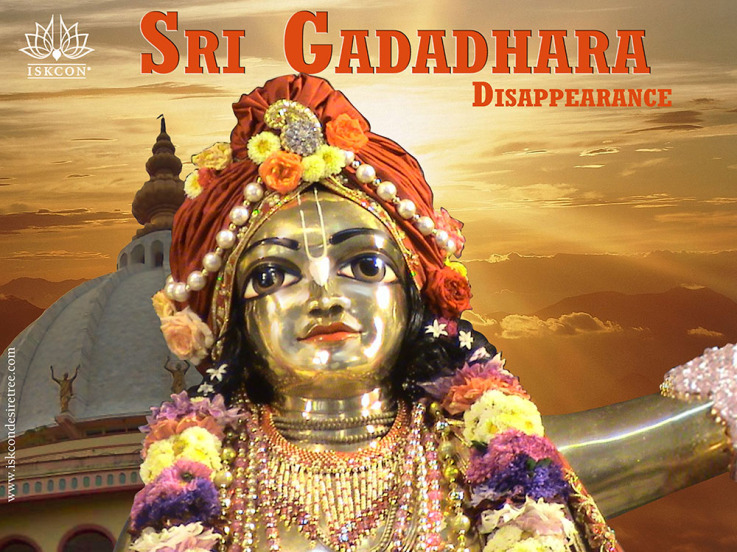
समय के साथ बंगाल में नित्यानन्द प्रभु का संकीर्तन अभियान एक शान्त और अधिक स्थिर चरण में पहुँच गया। गदाधर दास का अपना जीवन भी इसी तरह बदला। वे रास्तों पर घूमने के बजाय एक स्थायी घर में रहने लगे। सक्रिय प्रचार के बाद वे ऐसे मन्दिरों की स्थापना में लगे, जो उनके बाद भी शताब्दियों तक बने रहने वाले थे।
कटवा से एंडियाडाहा तक #
गदाधर दास का पहला स्थायी घर कटवा था। यह वही नगर है, जहाँ स्वयं चैतन्य महाप्रभु ने केशव भारती से सन्न्यास लिया था। वहाँ उन्होंने श्री गौरसुन्दर का एक मन्दिर स्थापित किया। समय के साथ उन्होंने एक शिष्य भी स्वीकार किया, यदुनन्दन चक्रवर्ती। उपलब्ध स्रोतों में उनके केवल इसी शिष्य का नाम दर्ज है। कुछ विवरण यह भी कहते हैं कि उन्होंने कुछ समय तक नवद्वीप में शची माता और विष्णुप्रिया देवी, अर्थात् महाप्रभु की माता और पत्नी, की सेवा की। यह उन दोनों के तिरोभाव से पहले की बात है। लेकिन यह विवरण केवल एक ही स्रोत पर आधारित है, इसलिए इसे सावधानी से पढ़ना चाहिए।
अन्त में गदाधर दास एक बार फिर आगे बढ़े, इस बार एंडियाडाहा-ग्राम की ओर। गंगा-तट पर बसा यह गाँव कलकत्ता से लगभग आठ-दस मील दूर है। यही उनका अन्तिम और सबसे अधिक याद किया जाने वाला घर बना। वहाँ उन्होंने आराधना के लिए बाल गोपाल के विग्रह की स्थापना की। श्री चैतन्य-चरितामृत भक्ति-रत्नाकर को उद्धृत करते हुए यह पूरा क्रम साफ-साफ बताता है: पहले नवद्वीप, फिर महाप्रभु के तिरोभाव के बाद कटवा, और फिर एंडियाडाहा, जहाँ गदाधर दास ने अपना अन्तिम निवास बनाया। उनके जीवन के इस स्थिर, बाद के भाग की बात करते समय स्रोत प्रायः एक सम्मानसूचक उपाधि जोड़ते हैं। वे उन्हें केवल गदाधर दास नहीं, बल्कि गदाधर दास ठाकुर कहते हैं। उपाधि का यह बदलाव उनके जीवन के बदलाव को दिखाता है। अब वे एक घूमते रहने वाले प्रचारक नहीं थे, जो नित्यानन्द प्रभु के साथ एक स्थान से दूसरे स्थान जाते हों। अब वे एक स्थापित स्थानीय आचार्य बन गए थे, एक गृहस्थ, जिन्होंने मन्दिर की स्थापना की थी, और जिन्हें एंडियाडाहा के लोग सीधे जानते रहे होंगे।
कार्तिक में उनका तिरोभाव #
गदाधर दास का तिरोभाव कार्तिक-शुक्ल-अष्टमी को, अर्थात् कार्तिक मास के शुक्ल पक्ष की अष्टमी तिथि को हुआ। उपलब्ध स्रोतों में इसका कोई वर्ष नहीं मिलता, और न ही उनके जन्म का कोई वर्ष मिलता है। उनका जीवन वैसे तो बहुत अच्छी तरह दर्ज है, लेकिन यह उसमें एक वास्तविक कमी है। हम इस कमी को यहाँ बता रहे हैं और इसे किसी अनुमान से नहीं भर रहे हैं।
वह मन्दिर जो उनके बाद भी बना रहा #
गदाधर दास के तिरोभाव के बाद एंडियाडाहा में जो हुआ, वह अपने ढंग से उनके जीवन की किसी भी घटना जितना ही उल्लेखनीय है। वहाँ उनकी समाधि पहले सत्योगी वैष्णव नाम के एक वैष्णव समुदाय की देखरेख में रही। बाद में वह कालना के सिद्ध भगवान दास बाबाजी के निर्देशन में आई। बाद के गौड़ीय वैष्णव इतिहास में यह ढंग बार-बार दिखाई देता है। किसी भक्त की समाधि एक जीवित मन्दिर का बीज बन जाती है, और बाबाजियों तथा उनके अनुयायियों की एक परम्परा पीढ़ियों तक उसकी देखभाल करती है। पाठक इसे गौर किशोर दास बाबाजी जैसे आचार्यों की समाधि-परम्पराओं में भी पहचान सकेंगे। एंडियाडाहा में सिद्ध भगवान दास बाबाजी के आदेश पर मधुसूदन मल्लिक ने बंगाली सन् 1256 (लगभग उन्नीसवीं शताब्दी का मध्य) में उस स्थान पर एक छोटा मठ बनवाया। वे कलकत्ता के नारिकेलडांगा के प्रसिद्ध मल्लिक परिवार के सदस्य थे। उन्होंने वहाँ राधाकान्त नाम के विग्रह की आराधना की व्यवस्था भी की। उनके पुत्र बलाईचन्द्र मल्लिक ने इससे भी आगे कार्य किया। बंगाली सन् 1312 (लगभग बीसवीं शताब्दी का आरम्भ) में उन्होंने पहले से मौजूद विग्रहों के साथ गौर-नित्यानन्द के विग्रह भी स्थापित किए। तब से आज तक एंडियाडाहा की उसी वेदी पर गौर-नित्यानन्द और राधा-कृष्ण, दोनों साथ-साथ विराजमान हैं।
गदाधर पण्डित के साथ भ्रम आज भी क्यों महत्त्वपूर्ण है #
जैसा इन पृष्ठों के आरम्भ में कहा गया था, गदाधर दास गदाधर पण्डित नहीं हैं। दोनों एक ही पीढ़ी में रहे, दोनों ने एक ही प्रभु की सेवा की, और दोनों का पहला नाम एक ही है। लेकिन परम्परा सावधानी रखती है कि दोनों को कभी एक न समझा जाए। गदाधर पण्डित पंच-तत्त्व में स्वयं राधारानी हैं। गदाधर दास राधारानी के शरीर की द्युति हैं। उन्होंने चैतन्य महाप्रभु और नित्यानन्द प्रभु, दोनों की सेवा की, और अपने बाद के वर्ष गंगा-तट पर शान्ति से एक मन्दिर बनाने में बिताए। श्रील प्रभुपाद की अपनी चैतन्य-चरितामृत टीकाएँ इस अन्तर को ठीक-ठीक बनाए रखती हैं, और साथ ही दोनों की कथाएँ समान श्रद्धा से कहती हैं। यहाँ भी यही सावधानी रखी गई है। एंडियाडाहा आने से पहले महाप्रभु के साथ उनके वर्षों के लिए देखें नवद्वीप और पुरी में महाप्रभु के सहचर। बंगाल के प्रचार-वर्षों और काज़ी की कथा के लिए देखें नित्यानन्द के प्रमुख सहायक और काज़ी।
