हर वर्ष श्रील शिवानन्द सेन बंगाल के भक्तों को जगन्नाथ पुरी की लम्बी पैदल यात्रा पर ले जाते थे। वे उनके ठहरने की व्यवस्था करते थे और मार्ग में हर चुंगी स्वयं चुकाते थे। एक वर्ष उन्हें एक चुंगी-चौकी पर रुकना पड़ा, जबकि बाकी मण्डली आगे बढ़ गई। इसलिए वे समय पर ठहरने की व्यवस्था नहीं कर सके। नित्यानन्द प्रभु भूखे थे और इस अव्यवस्था से अप्रसन्न थे। उन्होंने शिवानन्द को भला-बुरा कहा, और जब शिवानन्द पहुँचे, तो उन्होंने क्रोध में उन्हें लात मार दी। श्री चैतन्य-चरितामृत में उस तीर्थयात्रा के वर्णन का यह सबसे प्रसिद्ध प्रसंगों में से एक है। लेकिन इस घटना का पास खड़े एक बालक पर क्या प्रभाव पड़ा, यह कम ही बताया जाता है। यह बालक शिवानन्द सेन से बहुत स्नेह करता था। वह उनका भांजा श्रीकान्त था।
मामा पर प्रहार, भांजे का आहत होना #
शिवानन्द सेन ने स्वयं इस लात को परम कृपा मानकर स्वीकार किया। उन्होंने नित्यानन्द प्रभु के चरण छुए और कुछ ही क्षणों में एक ग्वाले के घर में प्रभु के ठहरने की व्यवस्था कर दी। बाद में उन्होंने नित्यानन्द प्रभु से सीधे कहा कि प्रभु से दण्ड पाना ही उनके पूरे जीवन की सफलता है (अन्त्य 12.24-30)। परन्तु "शिवानन्द सेन का भांजा, बहन का पुत्र श्रीकान्त, आहत हो गया, और उसने अपने मामा की अनुपस्थिति में इस विषय में टिप्पणी की" (अन्त्य 12.34)। पास में जो भी थे, उनसे उन्होंने साफ शब्दों में कहा: "मेरे मामा श्री चैतन्य महाप्रभु के एक सुविख्यात सहयोगी हैं, फिर भी नित्यानन्द प्रभु उन्हें लात मारकर अपनी श्रेष्ठता जताते हैं" (अन्त्य 12.35)।
यह एक बहुत मानवीय पंक्ति है। युवा श्रीकान्त अभी यह नहीं समझ पाए थे कि ऐसी डाँट निकटता का चिह्न होती है। उनके मामा ने इसमें कृपा देखी, लेकिन श्रीकान्त ने इसमें केवल अपमान देखा। चैतन्य-चरितामृत इस बात को न तो नरम बनाती है, न उनकी ओर से क्षमा माँगती है। वह केवल इतना लिखती है कि "यह कहकर, श्रीकान्त, जो केवल एक बालक था, मण्डली छोड़कर अकेला ही श्री चैतन्य महाप्रभु के निवास की ओर चल पड़ा" (अन्त्य 12.36)। वे पूरी तीर्थयात्री मण्डली से आगे अकेले चले गए। वे उन लोगों के साथ नहीं रुके, जिनकी भक्ति के बारे में उन्होंने अभी-अभी मन ही मन राय बना ली थी।
यात्रा के वस्त्रों में ही पहुँचे #
जब श्रीकान्त पुरी में प्रभु के निवास पर पहुँचे, तब भी वे यात्रा के वस्त्रों में ही थे। उन्होंने वह कमीज़ और कोट (पेटांगी) पहन रखा था, जो यात्री पहनते थे। विग्रह के पास जाते समय या दण्डवत् प्रणाम करते समय ऐसे वस्त्र पहनना वर्जित था। प्रभु के निजी सेवक गोविन्द ने यह तुरन्त देख लिया: "मेरे प्रिय श्रीकान्त, पहले यह वस्त्र उतार दो" (अन्त्य 12.37)। श्रीकान्त कुछ उत्तर दे पाते, इससे पहले ही श्री चैतन्य महाप्रभु ने स्वयं उनका पक्ष लिया: "उसे मत रोको। श्रीकान्त को जो अच्छा लगे वह करने दो, क्योंकि वह दुखी मन से यहाँ आया है" (अन्त्य 12.38)। यह प्रभु के अपने स्वभाव का एक छोटा लेकिन स्पष्ट उदाहरण है। किसी ने उन्हें नहीं बताया था कि कुछ गलत हुआ है, फिर भी उन्होंने बालक के मन की दशा पहचान ली। और उस क्षण उन्होंने नियम पर जोर देने के बजाय कोमलता को चुना।
सबका नाम लिया, एक बात छोड़कर #
जब श्रीकान्त शान्त होकर बैठ गए, तब श्री चैतन्य महाप्रभु ने "श्रीकान्त से सभी वैष्णवों के विषय में पूछा, और उस बालक ने प्रभु को एक-एक करके उनके नाम बताए" (अन्त्य 12.39)। यह एक साधारण, बल्कि सुखद बातचीत थी, जिसमें एक बालक प्रभु को घर का समाचार दे रहा था। परन्तु प्रभु की पहले कही बात, "वह दुखी मन से आया है", श्रीकान्त के मन में बनी रही: "जब श्रीकान्त सेन ने प्रभु को यह कहते सुना कि वह दुखी है, तो वह समझ गया कि प्रभु सर्वज्ञ हैं" (अन्त्य 12.40)। श्रीकान्त समझ गए कि श्री चैतन्य महाप्रभु बिना बताए ही सब कुछ जानते हैं। तब उन्होंने स्वयं एक निर्णय लिया: "इसलिए वैष्णवों का वर्णन करते समय, उसने नित्यानन्द द्वारा शिवानन्द सेन को लात मारे जाने का उल्लेख नहीं किया" (अन्त्य 12.41)।
यही एक बात न कहना इस प्रसंग का वास्तविक मोड़ है। श्रीकान्त वही बालक थे, जो विरोध में मण्डली छोड़कर चले आए थे। नित्यानन्द प्रभु के किए में उन्हें केवल चोट और अपमान दिखाई दिया था। अब श्री चैतन्य महाप्रभु के चरणों में पहुँचकर उन्होंने ठीक उसी बात पर मौन रहना चुना, जिसने उन्हें दुखी किया था। किसी ने उनसे चुप रहने को नहीं कहा था। लेकिन वे प्रभु के सामने थे, और वे समझ गए थे कि प्रभु सब कुछ जानते हैं। इसलिए अब उनकी शिकायत उन्हें छोटी लगने लगी। इसके कुछ ही समय बाद बाकी भक्त भी वहाँ पहुँच गए, जिनमें शिवानन्द सेन भी थे। प्रभु ने बारी-बारी से सबका स्वागत किया। तीर्थयात्रा वैसे ही चलती रही, जैसे हमेशा चलती थी। इस घटना को कभी शब्दों में सुलझाया नहीं गया। उसे बस मन में स्वीकार करके छोड़ दिया गया, जैसे एक स्नेह भरे परिवार में कई छोटी-छोटी अनबनें होती हैं और बीत जाती हैं।
साथ में पढ़ें #
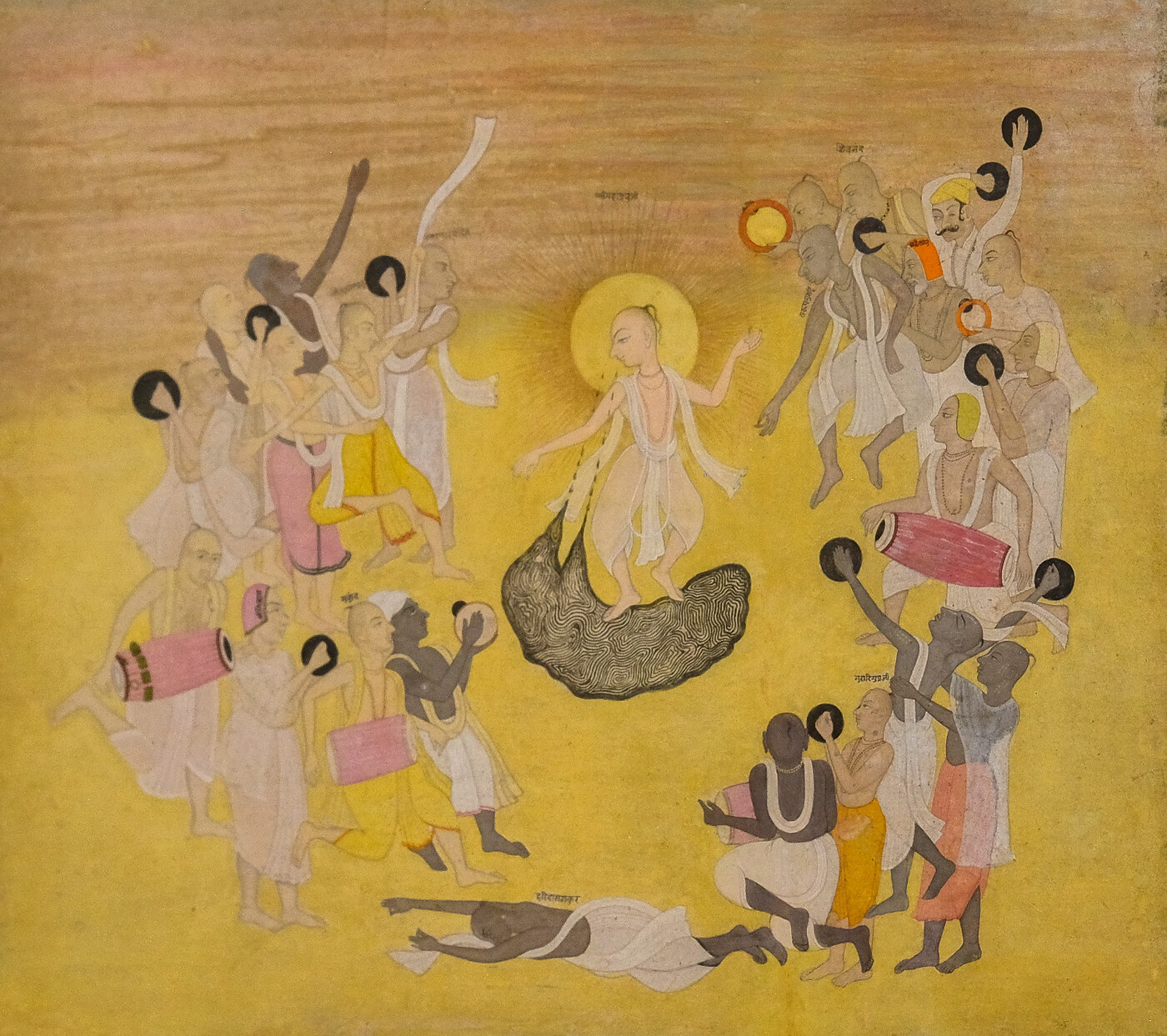
इस प्रसंग से पहले श्रीकान्त कीर्तन में एक भूमिका निभाते थे। वे रथयात्रा में मुकुन्द दत्त की मण्डली में गाते थे, और हरिदास ठाकुर उनके आगे नृत्य करते थे। यह कथा कीर्तन-मण्डली में एक भांजे का स्थान में दी गई है।
