जगन्नाथ पुरी के मार्ग पर आहत अभिमान के उस एक क्षण के कारण प्रसिद्ध होने से बहुत पहले, श्रीकान्त उन दो-तीन सौ भक्तों में से केवल एक थे, जो हर वर्ष बंगाल से पैदल चलकर रथयात्रा के समय श्री चैतन्य महाप्रभु के दर्शन करने जाते थे। श्री चैतन्य-चरितामृत में उन वर्षों के बारे में दो बातें सुरक्षित हैं: वे किस परिवार से थे, और पुरी पहुँचकर वे क्या करते थे।
शिवानन्द के परिवार की एक उपशाखा #
श्री चैतन्य-चरितामृत की आदि-लीला का दसवाँ अध्याय एक विस्तृत रूपक पर आधारित है। इसमें प्रभु के आन्दोलन को एक विशाल वृक्ष के रूप में दिखाया गया है। इस वृक्ष की नाम वाली शाखाएँ और उपशाखाएँ इसके फल को दूर-दूर तक ले जाती हैं। श्रीकान्त वहाँ इसी वृक्ष की एक टहनी के रूप में आते हैं, जो सीधे उनके मामा से जुड़ी है: "श्रीवल्लभ सेन और श्रीकान्त सेन भी शिवानन्द सेन की उपशाखाएँ थीं, क्योंकि वे न केवल उनके भांजे थे, अपितु श्री चैतन्य महाप्रभु के अनन्य भक्त भी थे" (आदि 10.63)। श्रील शिवानन्द सेन वह गृहस्थ भक्त थे, जिन पर हर वर्ष बंगाल के भक्तों को पुरी ले जाने का उत्तरदायित्व था। वे ठहरने की व्यवस्था करते थे, चुंगी और नाविकों का भाड़ा चुकाते थे, और दो सौ या उससे अधिक तीर्थयात्रियों के भोजन का प्रबन्ध करते हुए यात्रा को आगे बढ़ाते रहते थे। श्रीकान्त और उनके चचेरे भाई श्रीवल्लभ इसी सुव्यवस्थित सेवा के वातावरण में बड़े हुए। सम्भवतः इसी कारण जहाँ भी इन दोनों में से किसी का उल्लेख आता है, वहाँ दोनों का नाम साथ-साथ लिया जाता है।
कृष्णदास कविराज गोस्वामी ने इस अध्याय में इतने छोटे-छोटे भक्तों के नाम केवल शोभा के लिए नहीं लिखे। उनका यह निर्णय उस बात को दिखाता है, जिसे परम्परा गम्भीरता से मानती है। परम्परा के अनुसार भक्ति को प्रसिद्धि से नहीं मापा जाता। परम्परा यह भी मानती है कि यदि भक्ति सच्ची हो, तो एक गृहस्थ भक्त का भांजा भी उसी अभिलेख में स्थान पाने योग्य है, जिसमें किसी प्रसिद्ध गोस्वामी का नाम है। कवि कर्णपुर की गौर-गणोद्देश-दीपिका एक अलग ग्रन्थ है, जिसमें इन सभी सहयोगियों की कृष्ण-लीला वाली पहचान दी गई है। यह ग्रन्थ इस सूची में श्रीकान्त के स्थान के बारे में एक और बात जोड़ता है। यह उन्हें व्रज की गोपी कात्यायनी-देवी बताता है, जो इस जीवन में शिवानन्द सेन के अपने ही परिवार में प्रकट हुईं।
मुकुन्द की मण्डली में एक प्रत्युत्तर-गायक #
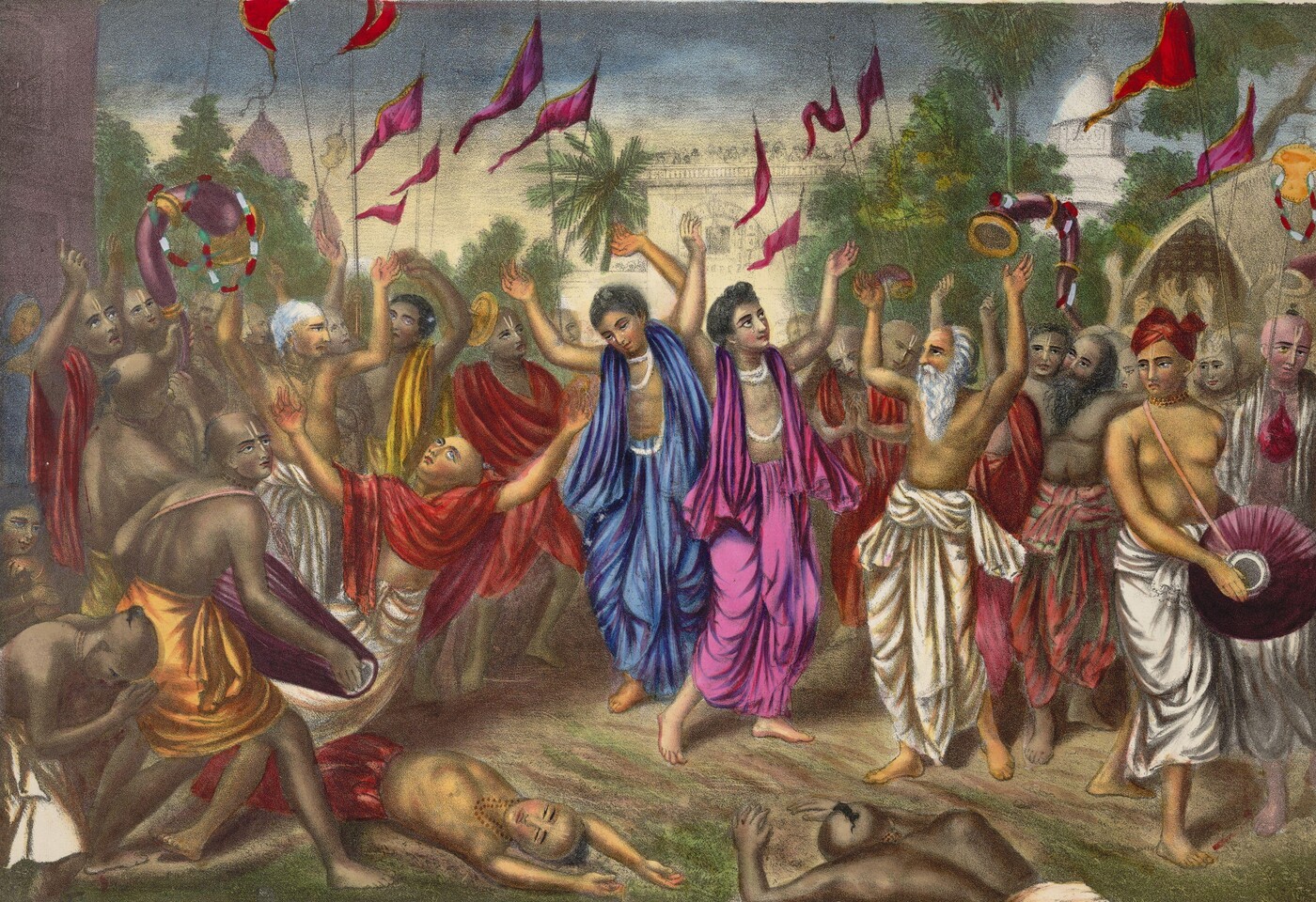
ग्रन्थ में श्रीकान्त को दी गई एकमात्र ठोस भूमिका स्वयं रथयात्रा के उत्सव से जुड़ी है। उत्सव में भगवान जगन्नाथ के रथ के आगे चलने वाली शोभायात्रा के लिए एकत्र भक्तों को कई कीर्तन-मण्डलियों में बाँटा गया था। श्री चैतन्य-चरितामृत में लिखा है: "दो अन्य व्यक्ति, श्रीकान्त और वल्लभ सेन, प्रत्युत्तर-गायक के रूप में सम्मिलित हुए। इस मण्डली में वयोवृद्ध हरिदास ठाकुर नर्तक थे" (मध्य 13.41)। श्रील प्रभुपाद के तात्पर्य में इस मण्डली के सभी सदस्यों के नाम दिए गए हैं। श्रील मुकुन्द दत्त मुख्य गायक के रूप में इसका नेतृत्व करते थे। वासुदेव, गोपीनाथ, मुरारि, श्रीकान्त और वल्लभ सेन प्रत्युत्तर-गायक थे, जो उनकी पंक्तियों को दोहराते थे। वयोवृद्ध हरिदास ठाकुर इन सबके आगे नृत्य करते थे। वे किसी भी रथयात्रा में उपस्थित सबसे महान भक्तों में से एक थे।
उत्सव के इस स्तर पर कीर्तन की योजना सोच-समझकर बनाई जाती थी। हर मण्डली का अपना मुख्य गायक, अपने प्रत्युत्तर-गायक और अपना नर्तक होता था। ये स्थान यों ही नहीं दिए जाते थे। इनके कारण श्रीकान्त जैसे कनिष्ठ भक्त आन्दोलन के कुछ सबसे वरिष्ठ भक्तों के साथ एक ही मण्डली में गाते थे। इस मण्डली में हरिदास ठाकुर नृत्य करते थे, और इसके मुख्य गायक निपुण मुकुन्द दत्त थे। इसलिए यहाँ धुन को दोहराने वाला "प्रत्युत्तर-गायक" होना स्वयं विश्वास का चिह्न था। युवा स्वरों को प्रभु के अपने संकीर्तन में स्थान दिया गया। उन्हें भीड़ के किनारे खड़े होकर केवल देखते रहने के लिए नहीं छोड़ा गया।
कीर्तन के वे वर्ष हमें क्या नहीं बताते #
ग्रन्थ में कहीं नहीं बताया गया कि श्रीकान्त लगातार कितने वर्षों तक इस मण्डली में गाते रहे, जब यह सेवा शुरू हुई तब उनकी आयु कितनी थी, या जिस बालक ने मण्डली छोड़ दी में बताई गई घटनाओं के बाद उनके गायन का क्या हुआ। सामान्य रूप से श्री चैतन्य-चरितामृत केवल जीवनी लिखने के लिए जीवनी नहीं लिखती। यह किसी एक उत्सव में किसी भक्त की भूमिका बताती है और फिर कई दशकों के बारे में कुछ नहीं कहती। इसका कारण यह है कि इसका उद्देश्य जहाँ भी भक्ति दिखाई दे, उसे लिखना है। किसी जीवन को आरम्भ से अन्त तक पूरा बताना इसका उद्देश्य नहीं है। श्रीकान्त के कीर्तन-वर्षों के बारे में दोनों पद्य ठीक इसी प्रकार का अभिलेख हैं। जो एक बात महत्त्वपूर्ण थी, उसके बारे में वे बिल्कुल सटीक हैं (मण्डली में उनका स्थान, और वह मण्डली किसकी थी)। लेकिन आज का पाठक जो कुछ और जानना चाहेगा, उन सब बातों पर वे मौन हैं।
ये दोनों पद्य मिलकर पुरी के मार्ग की घटना से पहले के श्रीकान्त का एक स्थिर और शान्त चित्र देते हैं। वे एक सुव्यवस्थित परिवार के भांजे थे। उत्सव के कीर्तन में उन्हें वास्तविक भूमिका दी गई थी। वे श्री चैतन्य महाप्रभु के कुछ सबसे विश्वसनीय सहयोगियों के निकट रहते थे। यह सब उस घटना से कई वर्ष पहले की बात है, जिसके कारण कृष्णदास कविराज गोस्वामी ने तीसरी बार रुककर उनका नाम लिखा। यह चित्र आगे की घटना को समझने में सहायता करता है। श्रीकान्त एक ऐसे बालक थे, जो भक्तों के बीच अपने स्थान को लेकर इतने आश्वस्त थे कि जब उनके मामा पर प्रहार हुआ, तो उन्हें लगा कि कुछ गलत हुआ है, और उन्होंने यह बात खुलकर कह भी दी।