हालिसहर के विद्वान #
गौड़ीय वैष्णव अभिधान के अनुसार, भगवान आचार्य का प्राकट्य श्री धाम नवद्वीप में हुआ, लेकिन उनका पालन-पोषण बंगाल के 24 परगना ज़िले के हालिसहर में हुआ। उनके पिता शतानन्द खान एक धनी व्यक्ति थे, जो पूरी तरह सांसारिक कामों में डूबे रहते थे। वे वैसे ही गृहस्थ थे, जिन्हें चैतन्य-चरितामृत अन्यत्र केवल "सांसारिक" कहता है। भगवान आचार्य ने उल्टा मार्ग अपनाया। उन्होंने न्याय, अर्थात् तर्क और युक्ति के शास्त्र, का इतनी गम्भीरता से अध्ययन किया कि उन्हें न्यायाचार्य की उपाधि मिली। यह उपाधि बताती है कि वे एक प्रशिक्षित तार्किक थे। इसका अर्थ यह नहीं कि वे किसी मन्दिर के पद पर थे या पुरोहित का काम करते थे। उनके बारे में बाकी जो कुछ भी दर्ज है, वह इस बात से आता है कि वे वास्तव में कैसे जिए, किसी पद से नहीं।
दो घर, एक हृदय #
उनमें वैराग्य इतनी जल्दी दिखाई देने लगा कि उनके पिता ने उसे सामान्य ढंग से रोकने का प्रयास किया। उन्होंने नवद्वीप के मधुसूदन घटक की पुत्री से भगवान आचार्य का विवाह करवा दिया। लेकिन यह उपाय अधिक समय तक काम नहीं आया। श्री चैतन्य महाप्रभु ने सन्न्यास ग्रहण किया, और उनकी असाधारण उपस्थिति की चर्चा पूरे बंगाल में फैल गई। तब भगवान आचार्य उनके पास रहने के लिए पुरी गए। लेकिन स्वयं प्रभु ने उन्हें फिर से घर भेज दिया। वे किसी विवाहित पुरुष को उस गृहस्थी को यूँ ही छोड़ने नहीं देते थे, जिसकी जिम्मेदारी वह पहले ही ले चुका हो। यह छोटी लेकिन अर्थपूर्ण बात है। जो भक्त उनके लिए सब कुछ त्यागने को उत्सुक था, उससे भी महाप्रभु ने पहले वह साधारण कर्तव्य निभाने पर बल दिया, जिसे वह पहले ही स्वीकार कर चुका था।
बंगाल लौटने के बाद उनके दो पुत्र हुए, रघुनाथ और रामनाथ। लेकिन पुरी की ओर उनका खिंचाव कभी कम नहीं हुआ। समय के साथ भगवान आचार्य ने अपनी पत्नी और पुत्रों को अपने साले और अपने शिष्यों की देखभाल में सौंप दिया, संन्यास स्वीकार किया, और सदा के लिए जगन्नाथ पुरी लौट आए। चैतन्य-चरितामृत इनमें से किसी घटना की तिथि नहीं देता। लेकिन वह दिखाता है कि यही संघर्ष दो बार हुआ, और उसके बाद ही वे अन्त में प्रभु के पास स्थिर जीवन बिताने लगे।
पुरुषोत्तम में रसोइया और मेज़बान #
जब भक्तों को यह समाचार मिला कि महाप्रभु दक्षिण भारत की अपनी लम्बी यात्रा के बाद पुरी लौट आए हैं, तो वे उन्हें फिर से देखने के लिए दौड़ पड़े। चैतन्य-चरितामृत उनमें भगवान आचार्य का नाम भी लेता है। वे रामभद्र आचार्य के साथ आए और "सभी अन्य उत्तरदायित्वों को त्यागकर" सदा के लिए वहीं रह गए (मध्य-लीला 10.184)। उस समय से कृष्णदास कविराज गोस्वामी उन्हें उन भक्तों में गिनते हैं, जो जगन्नाथ पुरी में सदा रहते थे। वे उन्हें "एक सज्जन, एक विद्वान पण्डित" बताते हैं, जिनका प्रभु के साथ सम्बन्ध एक गोप-सखा जैसा था। यह शुद्ध सख्य भाव की मित्रता थी, दूर से पूजा करने वाले भक्त का विस्मय नहीं (अन्त्य-लीला 2.84-85)।
यह मित्रता सबसे अधिक भोजन में दिखाई देती थी। भगवान आचार्य अपने हाथों से तरह-तरह की सब्ज़ियाँ बनाते और स्वयं ही उन्हें महाप्रभु को परोसते थे। कभी-कभी वे सेवक के हाथ भोजन भेजने के बजाय प्रभु को अपने ही घर भोजन के लिए बुलाते थे (अन्त्य-लीला 2.86-87)। उस समुदाय में यह कोई छोटा सम्मान नहीं था, जहाँ सैकड़ों भक्त प्रभु के व्यक्तिगत ध्यान के लिए तरसते थे। चैतन्य-चरितामृत बताता है कि यदि महाप्रभु किसी दिन किसी दूसरे भक्त का निमंत्रण पहले ही स्वीकार कर चुके होते, तब भी वे उसे छोड़ देते, जब गदाधर पण्डित, सार्वभौम भट्टाचार्य या भगवान आचार्य उनसे अपने यहाँ आने का आग्रह करते (अन्त्य-लीला 8.90-91)। यह एक छोटा-सा श्लोक है। लेकिन यह भगवान आचार्य को, जो किसी बड़े पद के बिना केवल एक बंगाली तार्किक थे, पुरी के सबसे वरिष्ठ वैष्णव विद्वान और प्रभु के सबसे प्रिय बचपन के मित्र की संगति में रखता है।
लंगड़े, फिर भी अनुसरण करने वाले #
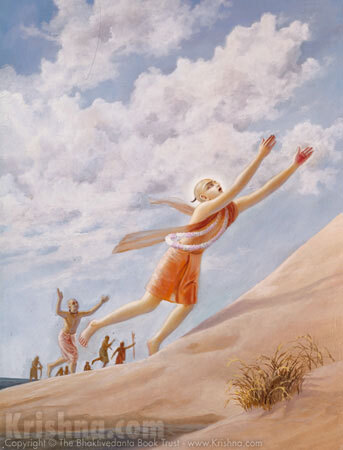
एक संध्या पुरी के समुद्र-तट के पास जगन्नाथ-वल्लभ नामक उद्यान में महाप्रभु कृष्ण-विरह के गहरे भाव में डूब गए। तट पर बालू के लम्बे टीलों को देखकर उन्होंने उन्हें वृन्दावन की पवित्र पहाड़ी गोवर्धन समझ लिया और उनकी ओर दौड़ पड़े। जल तक पहुँचकर वे समुद्र को ही यमुना नदी समझकर उसमें आगे बढ़ते चले गए। उनके आसपास के भक्त तुरन्त उनके पीछे दौड़ पड़े। उन्हें डर था कि प्रभु लहरों में और आगे चले जाएँगे और उनकी आँखों से ओझल हो जाएँगे। परमानन्द पुरी और ब्रह्मानन्द भारती जल्दी ही तट तक पहुँच गए। वे जहाँ तक हो सका, प्रभु की गति के साथ चलते रहे। भगवान आचार्य ऐसा नहीं कर सके। चैतन्य-चरितामृत यह बात बिना किसी सजावट के सीधे कहता है: "भगवान आचार्य, जो लंगड़े थे, उनके पीछे बहुत धीरे-धीरे चले" (अन्त्य-लीला 14.90)।
यह एक ही छोटा-सा श्लोक है, लेकिन बाद के गौड़ीय लेखकों ने स्पष्ट रूप से इसे याद रखने योग्य समझा। उस श्लोक में शब्द "खञ्ज" है, जिसका अर्थ है लंगड़ा, और गौर-गणोद्देश-दीपिका (श्लोक 74) भी उन्हें खञ्ज कहती है। बाद के स्रोतों में यह शब्द उनके नाम के साथ सदा के लिए जुड़ गया। ये स्रोत उनके पुत्र को "रघुनाथ आचार्य, खञ्ज भगवान आचार्य के पुत्र" कहते हैं। उनके बारे में बताई गई बाकी बातों को याद करें: भोजन बनाना, आतिथ्य करना, और भोजन का वह सम्मान जो केवल दो अन्य भक्तों को मिला था। इन सबके साथ रखकर देखें, तो तेज़ चलने वाले लोगों के पीछे बालू पर लँगड़ाते हुए चलने का यह चित्र वह बात कहता है, जो अधिक प्रशंसा वाले श्लोक नहीं कहते। जो शरीर प्रभु के साथ चल नहीं सका, वह अन्त में उन थोड़े-से भक्तों में गिने जाने में कोई बाधा नहीं बना, जिन पर प्रभु सबसे अधिक विश्वास करते थे।
