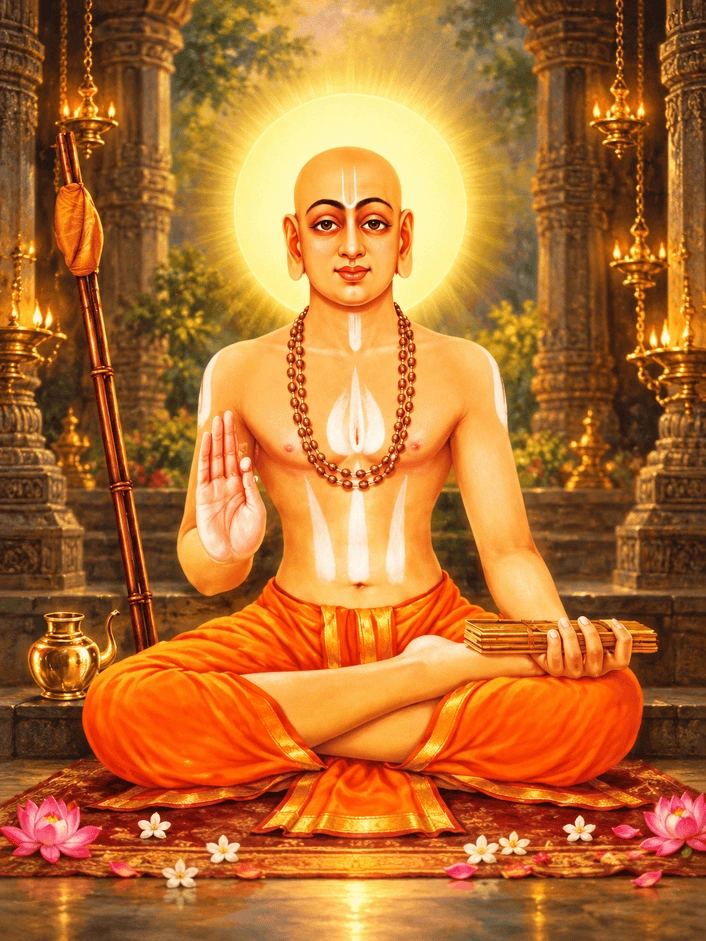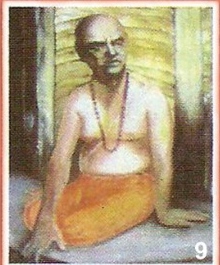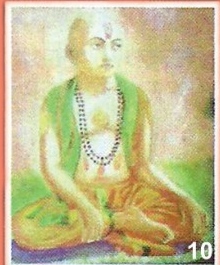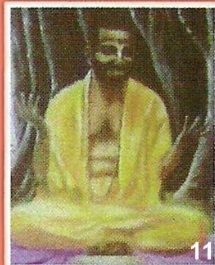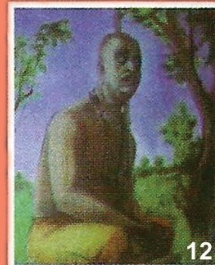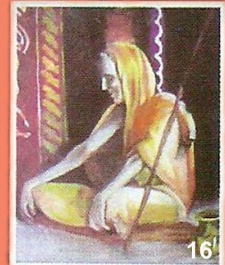
Sri Purushottama Tirtha
The Matha Head Who Vanished Into a Cave at Abburu
Also known as Purusottama Tirtha, Srinivasacharya (pre-sannyasa name), Madi Swami, Huli Swami, Guhe Swami (local names given him at Abburu)
Sri Purushottama Tirtha is one of the better recorded names in this section of six names in the Gaudiya guru-parampara list. But the records come almost entirely from the Dvaita Vedanta side, not the Gaudiya side. He was a real head of the succession of monks founded by Madhvacharya's disciples. This line later became known as the Vyasaraja Matha. The matha he headed still keeps his memory alive today. It does this not in Bengal or at Vrindavana, but in a cave near Channapatna in Karnataka. That is over a thousand kilometers from where Sri Chaitanya Mahaprabhu's own pastimes took place.
| Detail | Description |
|---|---|
| Pre-sannyasa name | Srinivasacharya (per the Vyasaraja Matha's own succession record) |
| Guru | Jayadhvaja Tirtha, called Jayadharma in the Gaudiya parampara list |
| Ordained | Tenth pontiff of the succession later called the Vyasaraja Matha, at Puri Jagannatha Kshetra |
| Seat | Channapatna / Abburu, on the Kanva river, Karnataka |
| Disciple and successor | Brahmanya Tirtha (born Narasimha, ordained under that name) |
| Tradition holds | He did not die but disappeared into tapasya at Purushottama Guha, a cave near Abburu |
| Local names | Madi Swami, Huli Swami ("Tiger Swami"), Guhe Swami ("Cave Swami") |
Ordained At Puri, Settled At Abburu #
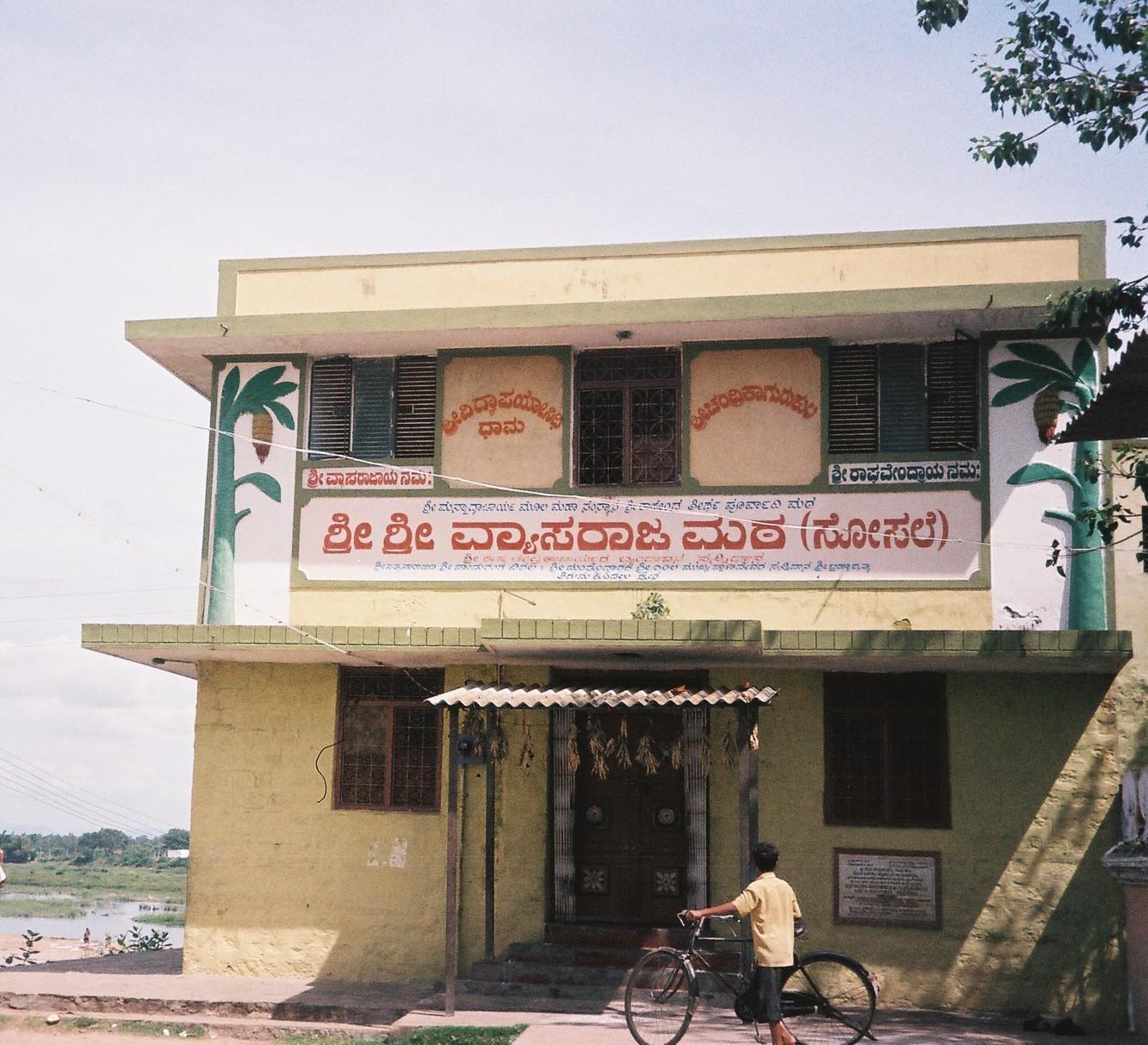
According to the succession record kept by the Vyasaraja Matha itself, the man later known as Puruṣottama Tīrtha was originally named Śrīnivāsācārya. His guru, Jayadhvaja Tirtha, the same person the Gaudiya parampara list calls Jayadharma, appointed him as the tenth head of the spiritual lineage. His initiation into the order is said to have taken place at Purī, in Jagannātha Kṣetra. The Vyāsarāja Maṭha tradition says that his new name was connected with this sacred place: Puri is also known in scripture as Purushottama Kshetra, "the field of Purushottama," and the name given him at initiation was chosen as a standing reminder of where it happened. Sent south afterward, he settled at Channapatna, near an old Narasimha shrine on the Kanva river at a place called Abburu, where sage Kanva is said to have once performed penance himself. There he is remembered for establishing worship of a form of Narasimha still known locally as Kambada Narasimha of Abburu Doddi.
A Life Given To A Cave #
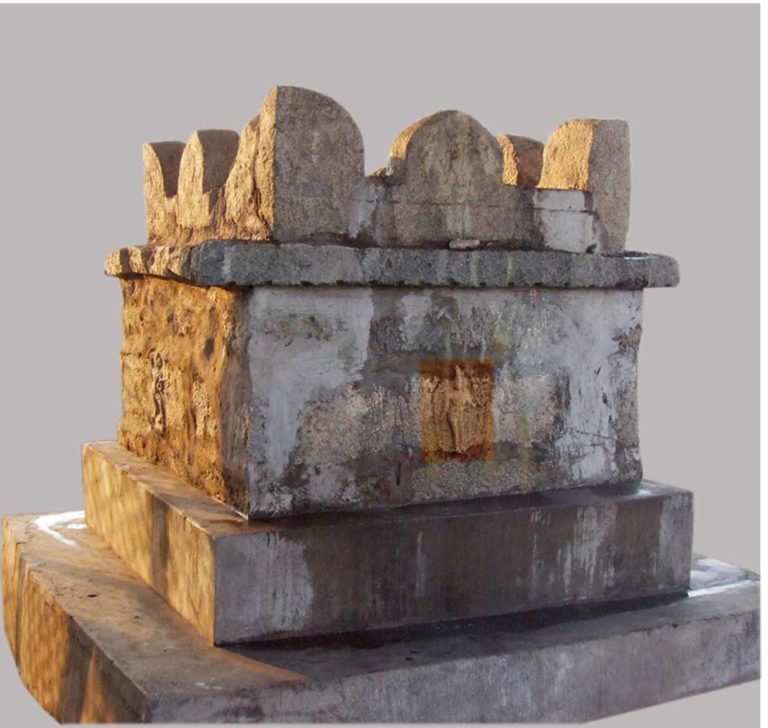
Where some of his predecessors are remembered chiefly for travel and public debate, the story of Puruṣottama Tīrtha turns to his spiritual life. Tradition says he never went out begging for alms, and that each day after temple worship he walked to a nearby cave to sit in meditation on Madhvacharya's own Brahma-sutra-bhashya, the founding commentary of the whole Dvaita school. That cave is still called Purushottama Guha today. Villagers of the area are said to have given him the informal names Madi Swami, Huli Swami ("Tiger Swami"), and Guhe Swami ("Cave Swami"). These names describe his simple and peaceful life of austerity in one place, unlike some other Madhva leaders who travelled widely.
Ordaining Brahmanya Tirtha #
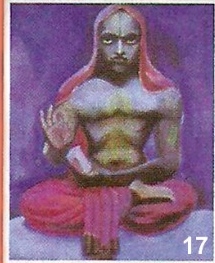
Late in his time as head, Purushottama Tirtha initiated a young disciple named Narasimha and made him his successor. He gave him the name Brahmanya Tirtha and handed him charge of the matha's affairs. He then returned to his cave at Abburu. Tradition says that he did not pass away in any ordinary sense, but disappeared from human view. It is said locally that this was the first such disappearance in the line since Madhvacharya's own. From Brahmanya Tirtha the succession continued to the famous Vyasa Tirtha (Vyasaraja). Vyasa Tirtha's dates are known much more clearly from independent historical research than those of the earlier teachers. This gives us a useful point of reference, but it also shows a real problem with the dates. Puruṣottama Tīrtha's period as head of the maṭha is given as 1400-1416. But this does not fit easily with other accounts. They place Brahmaṇya Tīrtha's period around 1460-1467, and Vyāsa Tīrtha's well-documented life around 1447-1539. Whatever the exact years, the matha's own tradition consistently records the same order of succession: Jayadhvaja Tirtha, then Purushottama Tirtha, then Brahmanya Tirtha, then Vyasa Tirtha.
His Place In The Gaudiya Guru-Parampara #
Madhvacharya's own page already notes, from Srila Prabhupada's own purport to Chaitanya-charitamrita, that the Madhva sampradaya's own succession lists, kept separately, do not fully confirm the Gaudiya guru-parampara list. For Purushottama Tirtha, though, the two records agree unusually well. Srila Bhaktisiddhanta Sarasvati Thakura's own Sri Guru-parampara prayer names him directly: "jayadharma-dasye khyati, sri purusottama-jati, ta ha'te brahmanya-tirtha suri". It means: Purushottama Tirtha gained fame in the service of Jayadharma, and from him came the learned Brahmanya Tirtha. Srila Prabhupada's purport to Chaitanya-charitamrita, Madhya 9.245, independently lists the same order: "Rajendra Tirtha... Vijayadhvaja; Purushottama; Subrahmanya; and Vyasa Raya." This is the same order of guru and disciple that the Vyasaraja Matha's own records keep. So this is a real point of agreement, supported by both records, not only a claim handed down within one tradition. One point should be kept in mind: Gauḍīya literature also mentions another, unrelated "Śrī Puruṣottama Tīrtha." The Gaura-gaṇoddeśa-dīpikā names him as one of nine sannyāsīs who are said to have personally accompanied Śrī Caitanya Mahāprabhu. See the Jagannātha Tīrtha page for more details about that list. This Dvaita leader lived several generations before the birth of Śrī Caitanya Mahāprabhu in 1486, so the two cannot be the same person. Purushottama Tirtha should also not be confused with Purushottama Dasa Thakura, a Bengali disciple of Nityananda Prabhu from a completely different generation and lineage. The wider question of how the Gaudiya parampara list relates to the Madhva sampradaya's own records is discussed at length on Madhavendra Puri's page, in the pastime Life in the Madhva Sampradaya.
- Sri Purushottama Tirtha - Sri Vyasaraja Matha (official succession record)
- Shri Brahmanya Teertharu, Shri Vyasaraja Math, Sosale
- I WRITE FOR ME: Sri Brahmanya Tirtharu
- madhwa yati: Brahmanya Teertharu, 1467, Abbur Matha, Vyasaraja Mutt
- Vijayadhvaj Tirtha (Jayadharma Tirtha) - Gaudiya History (ISKCON Desire Tree)
- Jagannatha Tirtha - Gaudiya History (ISKCON Desire Tree)
- Sri Chaitanya-charitamrita, Madhya-lila 9.245, purport
- Sri Guru-parampara, by Srila Bhaktisiddhanta Sarasvati Thakura
Disciples
Frequently asked
When was Sri Purushottama Tirtha born?
Sri Purushottama Tirtha appeared Not recorded; the Vyasaraja Matha's own succession record gives his pre-sannyasa name as Srinivasacharya but no birth year or place in Not recorded in the sources we found.
Who was the guru of Sri Purushottama Tirtha?
The spiritual master of Sri Purushottama Tirtha was Srila Vijayadhvaja Tirtha.
When and where did Sri Purushottama Tirtha disappear?
Sri Purushottama Tirtha disappeared Tradition holds that he did not die but withdrew into a cave for tapasya, and that he remains alive in a hidden sense. The Vyasaraja Matha's own published succession list says he headed the matha from 1400-1416. This date does not fit easily with other sources for the succession that follows. They place Brahmanya Tirtha's time as head around 1460-1467, and Vyasa Tirtha's own well-recorded life at roughly 1447-1539. at Purushottama Guha, a cave near Abburu (Doddamallur), on the banks of the Kanva river close to Channapatna, Karnataka.
What are the main pastimes of Sri Purushottama Tirtha?
The pastimes covered here include: Ordained at Puri, Vanished at Abburu, Place in the Gaudiya Guru-Parampara.