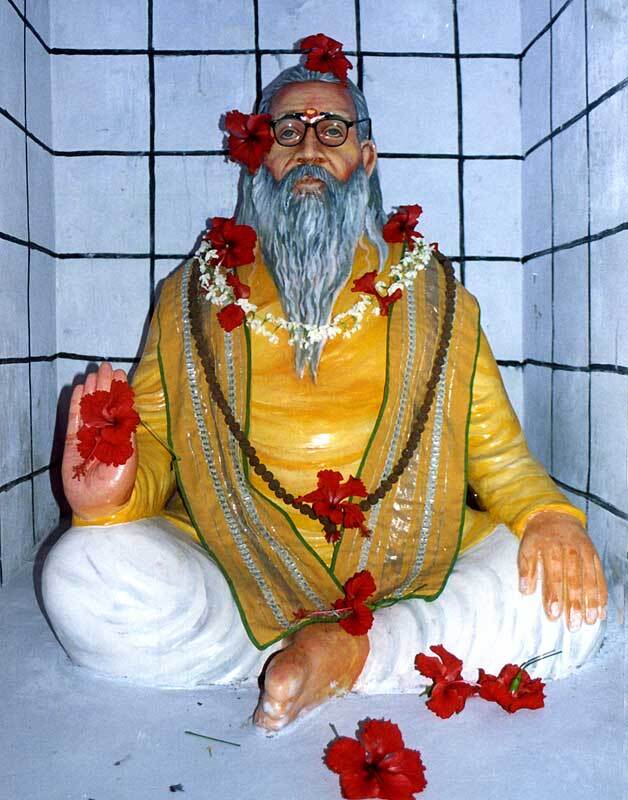
वैदिक परम्परा के अनुसार आरम्भ में ज्ञान पवित्र ध्वनि के एक ही, अविभाजित रूप में आगे बढ़ता था। इसे स्मृति में रखा जाता था, और यह अलग-अलग ग्रन्थों में बँटे बिना गुरु से शिष्य तक पहुँचता था। श्रीमद्भागवतम् बताता है कि व्यासदेव ने जिस संसार में जन्म लिया था, उसे देखकर वे समझ गए कि यह व्यवस्था अब आगे नहीं चल सकती। उन्होंने देखा कि कलियुग के लोगों की आयु पहले के लोगों से कम होगी, उनकी स्मरण-शक्ति दुर्बल होगी, और अनुशासन के साथ अध्ययन करने की उनकी क्षमता भी कम होगी। यदि वेद एक ही अखण्ड रूप में बना रहता, तो उसका अध्ययन आरम्भ करने के लिए भी पूरे जीवन उसे ठीक-ठीक याद करना पड़ता। तब वह लोगों की पहुँच से बिल्कुल बाहर हो जाता।
चार विभाजन, चार शिष्य #
इसलिए व्यासदेव ने वेद का विभाजन किया। श्रीमद्भागवतम् इसका परिणाम सीधे बताता है: "वेदों के चार विभागों में विभाजित हो जाने के पश्चात, पैल ऋषि ऋग्वेद के आचार्य बने, जैमिनि सामवेद के आचार्य बने, तथा वैशम्पायन अकेले यजुर्वेद द्वारा प्रतिष्ठित हुए" (श्रीमद्भागवतम् 1.4.21)। चौथे शिष्य सुमन्तु मुनि को अथर्ववेद मिला। पाँचवें शिष्य रोमहर्षण को कोई वेद नहीं, बल्कि इतिहास की कथाएँ और पुराण सुरक्षित रखने के लिए सौंपे गए। श्रीमद्भागवतम् स्वयं इस साहित्य को "पाँचवाँ वेद" कहता है, क्योंकि इसमें वह प्रामाणिक इतिहास और ब्रह्माण्ड का ज्ञान है, जिसका वर्णन चारों मूल वेद स्वयं नहीं करते। ग्रन्थ आगे बताता है कि इन पाँचों में से हर एक ने जो प्राप्त किया था, उसे आगे अपने शिष्यों और प्रशिष्यों को सौंपा। पीढ़ी-दर-पीढ़ी, शाखाओं के रूप में ज्ञान के इस प्रकार आगे बढ़ने को शाखा कहा जाता है। इसी से वेदों के वे अनेक पाठ और सम्प्रदाय बने, जिनका अध्ययन वैदिक विद्वान आज भी करते हैं। विष्णु पुराण यही कथा संक्षेप में बताता है: "उन्होंने लोगों की क्षमता के अनुरूप वेद को चतुर्विध बनाया"। इससे असली उद्देश्य स्पष्ट हो जाता है। व्यासदेव वेद को लोगों की ग्रहण करने की क्षमता के अनुसार ढाल रहे थे। वे उसे केवल सरल बनाने के लिए सरल नहीं कर रहे थे।
दया, समझौता नहीं #
इस विभाजन को कोई अवनति समझ लेना आसान है, मानो निम्न युग के लिए एक निम्न वेद बना दिया गया हो। लेकिन श्रीमद्भागवतम् इसे ठीक उल्टे रूप में प्रस्तुत करता है। वह इसे सोच-समझकर की गई करुणा का कार्य बताता है: "इस प्रकार अज्ञानी जनसमूह के प्रति अत्यन्त दयालु महर्षि व्यासदेव ने वेदों का सम्पादन इस प्रकार किया कि उन्हें कम बुद्धि वाले मनुष्य भी आत्मसात् कर सकें" (श्रीमद्भागवतम् 1.4.24)। मूल ज्ञान में कुछ भी कम नहीं हुआ। केवल उसे प्रस्तुत करने का ढंग बदला, ताकि वह उन लोगों तक पहुँच सके, जिनके लिए वह था।
चार ही क्यों, और यही शिष्य क्यों #
परम्परा की अपनी समझ के अनुसार, ठीक चार विभाग बनाना भी संयोग नहीं था। चारों वेदों में से हर वेद का वैदिक यज्ञ में एक अलग काम है। ऋग्वेद में देवताओं का आवाहन करने वाले मन्त्र हैं। यजुर्वेद में वे यज्ञ-सूत्र हैं, जो यज्ञ के समय वास्तव में बोले जाते हैं। सामवेद में वह संगीतमय गान है, जो यज्ञ के साथ गाया जाता है। अथर्ववेद में चिकित्सा से लेकर गृहस्थ के अनुष्ठानों तक का व्यावहारिक ज्ञान है, जो यज्ञ के बाहर भी वैदिक जीवन को सहारा देता है। वेद को इन्हीं कामों के आधार पर बाँटा गया, इसलिए व्यासदेव के चारों प्रमुख शिष्य, पैल, जैमिनि, वैशम्पायन और सुमन्तु, एक-एक पूरे भाग के विशेषज्ञ बन सके। हर शिष्य अपने भाग में पूरी तरह निपुण होकर उसे आगे सौंप सकता था। किसी को भी पूरे अविभाजित वेद को सँभालने का प्रयास नहीं करना पड़ा। इस व्यवस्था से चार अलग-अलग, असम्बद्ध शास्त्र नहीं बने। इससे एक ही परम्परा के भीतर, जो अब भी एकजुट थी, अध्ययन के चार क्षेत्र बने। अब हर क्षेत्र इतना छोटा था कि एक समर्पित शिष्य सचमुच उसमें निपुण होकर उसे आगे सौंप सके।
शाखाओं के भीतर शाखाएँ #
श्रीमद्भागवतम् यह भी स्पष्ट रूप से बताता है कि कथा इन चार शिष्यों के साथ समाप्त नहीं हुई। "इन सभी विद्वान आचार्यों ने, बदले में, अपने को सौंपे गए वेदों को अपने अनेक शिष्यों, प्रशिष्यों तथा प्रप्रशिष्यों को प्रदान किया, और इस प्रकार वेदानुयायियों की सम्बन्धित शाखाएँ अस्तित्व में आईं" (श्रीमद्भागवतम् 1.4.23)। इसी कारण बाद के वैदिक विद्वान हर वेद के भीतर एक ही निश्चित पाठ की नहीं, बल्कि अनेक शाखाओं की बात करते हैं। व्यासदेव ने जो विभाजन आरम्भ किया था, वह उनके बाद पीढ़ियों तक और आगे शाखाओं में फैलता रहा। जो मौखिक परम्परा विशाल देश में अनेक अलग-अलग आचार्यों को सौंपी गई हो, उसमें ठीक ऐसा ही होना स्वाभाविक है। इसी तर्क को एक कदम आगे ले जाने पर यह भी समझ आता है कि व्यासदेव चार वेदों पर ही क्यों नहीं रुके। विभाजन के बाद भी कई वर्गों के लोगों के लिए वैदिक अध्ययन औपचारिक रूप से बन्द ही रहा: स्त्रियाँ, श्रमिक, और वे लोग जो द्विज कुलों में जन्मे थे, लेकिन जिन्होंने परम्परागत संस्कार-प्रशिक्षण नहीं पाया था। इन लोगों के लिए व्यासदेव ने एक बिल्कुल अलग प्रकार के साहित्य को अपनाया: स्तोत्रों और नियमों के बजाय इतिहास और कथाएँ। यह निर्णय, और इससे बने विशाल ग्रन्थ, महाभारत और पुराणों का संकलन पर बताए गए हैं। फिर भी व्यासदेव ने बाद में स्वयं स्वीकार किया कि वेदों पर किया गया यह सावधान परिश्रम भी उनके पास देने के लिए सबसे गहरी बात नहीं थी। यही अनुभूति व्यासदेव का विषाद का विषय है।
