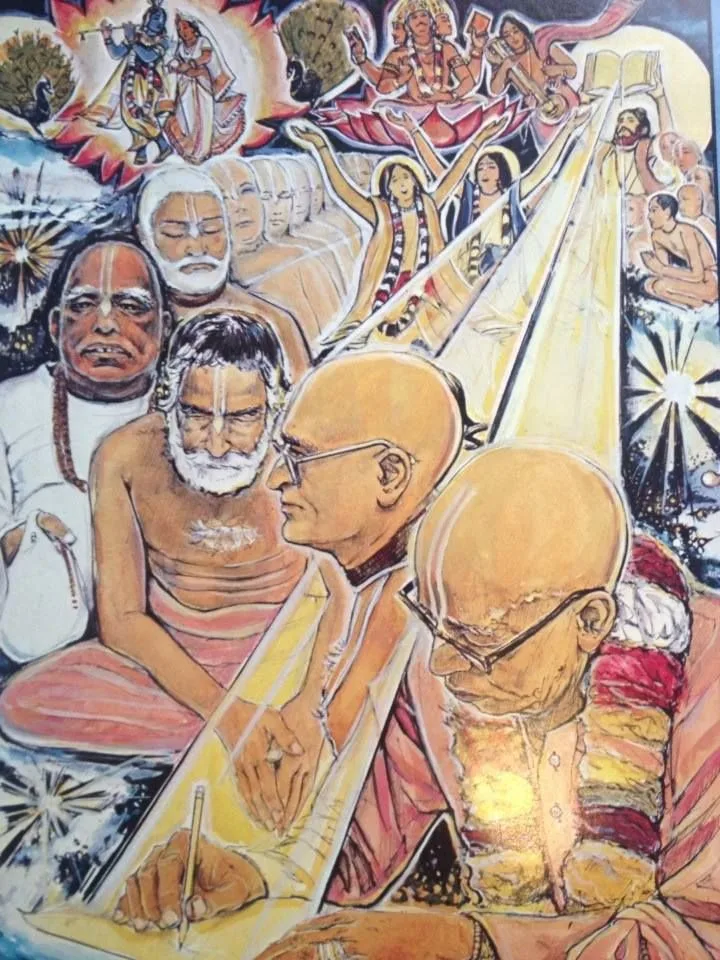
आज व्यास-पूजा समारोह में भाग लेने वाले अधिकतर लोग उस ऋषि के बारे में नहीं सोच रहे होते, जो कलियुग के आरम्भ में हुए थे। वे अपने गुरु को उनके प्राकट्य दिवस पर सम्मान दे रहे होते हैं। इस मन्दिर में ये गुरु श्रील प्रभुपाद हैं। फिर भी यह नाम कोई संयोग या केवल उपमा नहीं है। यह कृष्ण-द्वैपायन व्यास तक जाने वाली एक सीधी कड़ी है, जो आज भी जीवित है। श्रील प्रभुपाद ने एक से अधिक अवसरों पर अपने शब्दों में इसका कारण समझाया।
व्यासासन नामक आसन #
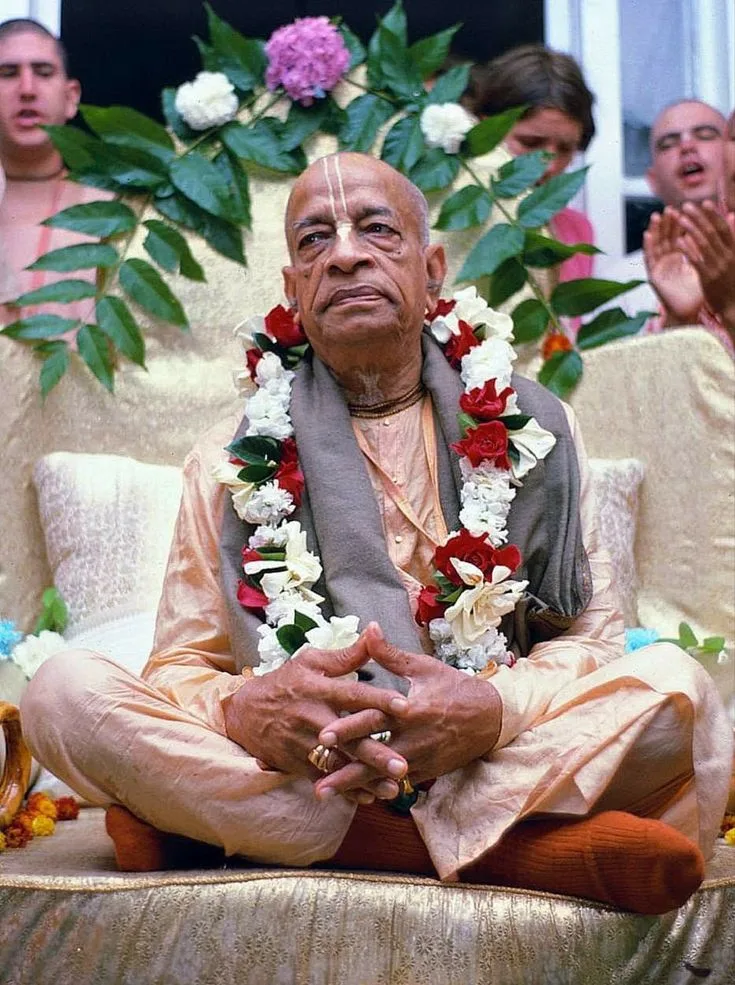
गौड़ीय वैष्णव मन्दिरों में जब गुरु को औपचारिक रूप से सम्मान दिया जाता है, तब उन्हें एक ऊँचे आसन पर बिठाया जाता है। इस आसन को व्यासासन, अर्थात् "व्यास का आसन" कहते हैं। श्रील प्रभुपाद ने 1976 में हैदराबाद में एक व्यास-पूजा समारोह में बोलते हुए अपने श्रोताओं को यह शब्द सीधे समझाया: "यह आसन जहाँ उन्होंने मुझे बिठाया है, इसे व्यासासन कहा जाता है। गुरु व्यासदेव के प्रतिनिधि हैं। आप सबने व्यासदेव, वेद-व्यास, का नाम सुना है। अतः जो कोई भी महान आचार्य व्यासदेव का प्रतिनिधित्व करता है, उसे व्यासासन पर बैठने की अनुमति है। अतः व्यास-पूजा... गुरु व्यासदेव के प्रतिनिधि हैं, इसीलिए उनका जन्म-दिवसोत्सव व्यास-पूजा के रूप में स्वीकार किया जाता है" (श्री व्यास-पूजा प्रवचन, हैदराबाद, 19 अगस्त 1976)। इसका कारण केवल प्रतीकात्मक नहीं, बल्कि सीधा है। एक प्रामाणिक गुरु वही वैदिक ज्ञान आगे देते हैं, जिसे सबसे पहले व्यासदेव ने व्यवस्थित करके आगे सौंपा था। गुरु-परम्परा, अर्थात् शिष्य-परम्परा, को एक अखण्ड श्रृंखला माना जाता है, जिसमें यही ज्ञान गुरु से शिष्य तक पहुँचता है। यह श्रृंखला स्वयं व्यासदेव तक, और उनसे पहले नारद मुनि और भगवान ब्रह्मा तक जाती है।
गुरु के जन्मदिन की पूजा #
प्रभुपाद ने 1974 में बम्बई में एक प्रातःकालीन भ्रमण के दौरान एक अनौपचारिक बातचीत में यही बात और भी सरल ढंग से कही। डॉ. पटेल ने कहा, "व्यास तो कुलनाम है।" प्रभुपाद का उत्तर छोटा था, जैसे उनके उत्तर प्रायः होते थे: "नहीं, व्यास, व्यासदेव... गुरु को व्यास कहा जाता है। यह उसमें से एक है... किन्तु मूल व्यास एक ही है। जैसे हम। हम गुरु के जन्मदिन को व्यास-पूजा दिवस के रूप में पूजते हैं, क्योंकि गुरु व्यास के प्रतिनिधि हैं" (प्रातःकालीन भ्रमण, बम्बई, 6 मई 1974)। ये शब्द महत्त्वपूर्ण हैं। मूल व्यास एक ही हैं, कृष्ण-द्वैपायन। लेकिन गुरु-परम्परा में बाद के हर गुरु को उनके कार्य के कारण उसी उपाधि से सम्मानित किया जाता है। हर गुरु वैदिक ज्ञान को आगे देने का वही कार्य करते हैं, जो मूल व्यास ने किया था।
एक वार्षिक प्रथा, जो आज भी मनाई जाती है #
व्यवहार में इसका अर्थ यह है कि गौड़ीय वैष्णव गुरु-परम्परा के हर आचार्य का, स्वयं श्रील प्रभुपाद सहित, प्राकट्य दिवस हर वर्ष उनकी व्यास-पूजा के रूप में मनाया जाता है। यह उन उत्सवों से अलग है, जो पूरी परम्परा में पंचांग के अनुसार एक साथ मनाए जाते हैं। परम्परा के अनुसार, इस अवसर पर शिष्य लिखित अर्पण तैयार करते हैं। उनमें वे कृतज्ञता प्रकट करते हैं और पाई हुई शिक्षा के प्रति अपनी प्रतिबद्धता को फिर से दोहराते हैं। इस्कॉन ने आन्दोलन के आरम्भिक वर्षों से ही यह प्रथा प्रकाशित रूप में जारी रखी है। हरे कृष्ण मूवमेंट कोटा और इस मन्दिर के लिए श्रील प्रभुपाद वर्तमान युग के आचार्य हैं और हर भक्त के दीक्षा-गुरु हैं। दीक्षा आज भी उसी व्यवस्था से होती है, जिसे उन्होंने 9 जुलाई 1977 के पत्र में स्वीकृति दी थी। इस व्यवस्था में ऋत्विक, अर्थात् "आचार्य के प्रतिनिधि", उनकी ओर से नए भक्तों को दीक्षा देते हैं। पत्र साफ कहता है: "नव-दीक्षित भक्त परम पूज्य ए.सी. भक्तिवेदान्त स्वामी प्रभुपाद के शिष्य हैं।" इसका पूरा विवरण अन्तिम दिन और तिरोभाव पृष्ठ पर दिया गया है। इसलिए यहाँ मनाई जाने वाली व्यास-पूजा श्रील प्रभुपाद की ही व्यास-पूजा है। हर वर्ष उनके प्राकट्य दिवस पर उनके शिष्य मन्दिरों और घरों में उन्हें सम्मान देने के लिए एकत्र होते हैं। इनमें वे भक्त भी हैं जिन्हें उन्होंने स्वयं दीक्षा दी, और वे भी जिन्हें 1977 से उनकी ओर से दीक्षा मिली है। यही सिद्धान्त उस श्रृंखला के हर आचार्य पर लागू होता है, जो उनके माध्यम से पीछे तक जाती है।
प्रभुपाद की बातचीत के रिकॉर्ड दिखाते हैं कि उनके लिए यह केवल शिष्टाचार का कोई किताबी नियम नहीं था। वे चाहते थे कि शिष्य इसे वास्तव में समझें, केवल विधि पूरी न करें। 1976 में दिल्ली में एक प्रातःकालीन भ्रमण के दौरान उनके सचिवों ने विग्रह की "व्यास-पूजा पोशाक" की चर्चा की। प्रभुपाद ने तुरन्त उनसे पूछा, "वह क्या है? तुम जानते हो?" सचिवों ने केवल वस्त्र की बात की थी, और कोई उत्तर आने से पहले ही रिकॉर्डिंग समाप्त हो जाती है। यह बातचीत एक उपयोगी स्मरण है। किसी उत्सव का बाहरी रूप, जैसे आसन, अर्पण और पुष्प, उसके पीछे के कारण के बिना अपने आप में बहुत कम अर्थ रखता है। प्रभुपाद ने वह कारण साफ शब्दों में बताया था: वहाँ बैठे व्यक्ति व्यासदेव के प्रतिनिधि हैं, व्यासदेव का स्थान लेने वाले या उनके बराबर नहीं। वे एक निश्चित शिक्षा-परम्परा को आगे बढ़ाते हैं, जिसे पीछे तक खोजा जा सकता है। वे अपने किसी स्वतन्त्र अधिकार का दावा नहीं करते।
एक पद, जो आगे सौंपा जाता है #
व्यासदेव के अपने जन्म के विवरण में बताया गया है कि वैष्णव ब्रह्माण्ड-विज्ञान पहले से ही "व्यास" को एक ऐसा पद मानता है, जो हर युग में नए सिरे से भरा जाता है। वर्तमान चक्र में अट्ठाईस व्यास प्रकट होते हैं, और स्वयं कृष्ण-द्वैपायन अट्ठाईसवें व्यास हैं। इस पूरे विषय के लिए कृष्ण-द्वैपायन का जन्म देखें। व्यास-पूजा इसी विचार को साधारण भक्ति-जीवन में, कहीं छोटे और अधिक व्यक्तिगत स्तर पर, ले आती है। इसका अर्थ यह नहीं कि हर गुरु शाब्दिक रूप से व्यासदेव ही हैं। इसका अर्थ यह है कि हर गुरु अपने शिष्यों के लिए ठीक वही करते हैं, जो व्यासदेव ने संसार के लिए किया। वे वैदिक ज्ञान को श्रद्धा से ग्रहण करते हैं और उसे बिना बदले आगे सौंपते हैं। अन्त में, व्यास-पूजा एक प्राचीन ऋषि को उस परम्परा से जोड़ती है, जो आज भी इस वेबसाइट से जुड़े मन्दिर में सक्रिय रूप से निभाई जाती है। यह वेबसाइट ऐसे जितने सम्बन्ध दिखा सकती है, उनमें यह सम्बन्ध सबसे स्पष्ट और ठोस सम्बन्धों में से एक है।
