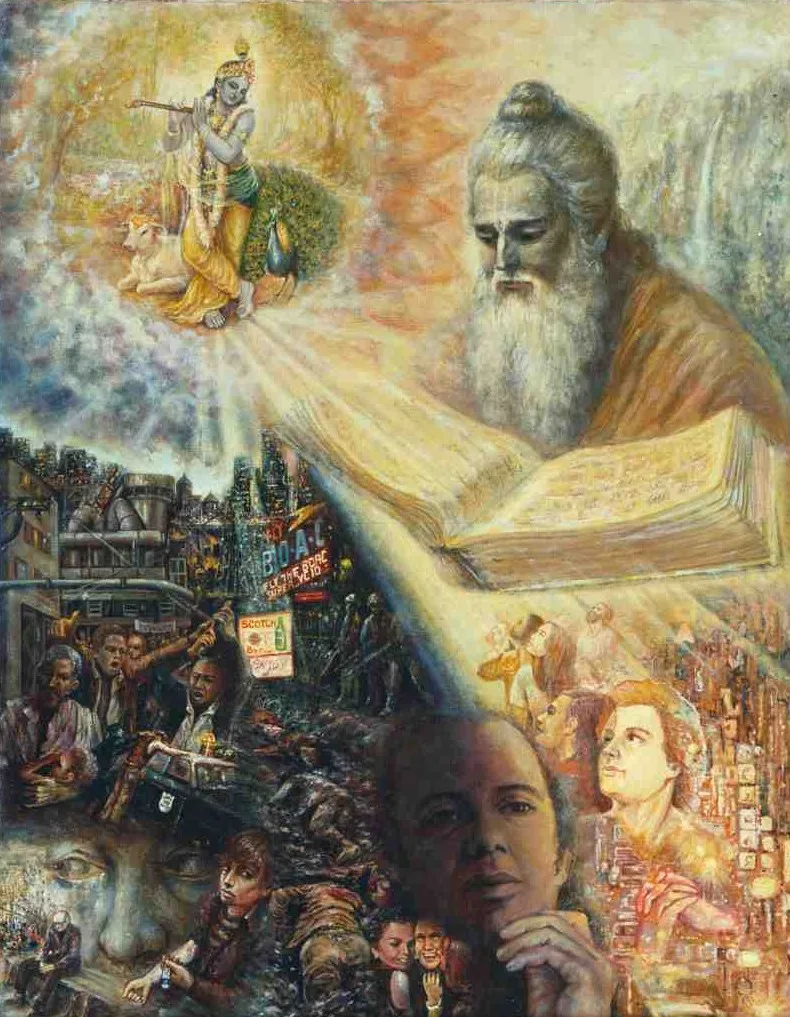
वेदों, महाभारत और पुराणों के बाद व्यासदेव ने लेखन की एक ऐसी शैली अपनाई, जो उनकी पहले की सभी रचनाओं से अलग थी। यह सूत्र की शैली थी। सूत्र बहुत छोटा वाक्य होता है, जिसमें बहुत अधिक अर्थ भरा होता है। उसे पूरा का पूरा कण्ठस्थ किया जाता है, और फिर गुरु बोलकर उसका अर्थ समझाते हैं। इस प्रकार जो ग्रन्थ बना, उसे वेदान्त-सूत्र या ब्रह्म-सूत्र कहते हैं। यह क्रम से समझाता है कि उपनिषद ब्रह्म के स्वरूप, संसार की उत्पत्ति, और आत्मा तथा परमात्मा के सम्बन्ध के बारे में क्या सिखाते हैं। स्वयं कृष्ण भगवद्गीता में इस ग्रन्थ का सीधा उल्लेख करते हैं। वे ज्ञान के उस परम लक्ष्य का वर्णन करते हैं, जो "निश्चय ही ब्रह्म-सूत्र अथवा वेदान्त-सूत्र में कार्य-कारण सम्बन्धी सम्पूर्ण युक्ति सहित समझाया गया है" (भगवद्गीता 13.5)।
हर सम्प्रदाय को अपना भाष्य क्यों चाहिए #
सूत्र इतने छोटे होते हैं कि कभी-कभी एक सूत्र में केवल दो या तीन संस्कृत शब्द होते हैं। इसलिए वे अकेले पूरा अर्थ नहीं दे सकते। उन्हें एक भाष्य की आवश्यकता होती है। भाष्य गद्य में लिखी पूरी टीका होती है, जो बताती है कि हर छोटी पंक्ति का वास्तविक अर्थ क्या है। वेदान्त-दर्शन के बाद के विकास में इस बात की बड़ी भूमिका रही। परम्परा के अनुसार, वेदान्त का कोई सम्प्रदाय इन्हीं सूत्रों पर अपना भाष्य लिखकर एक स्वतन्त्र दर्शन के रूप में मान्यता पाता था। शंकराचार्य का अद्वैत उनके ब्रह्म-सूत्र-भाष्य पर आधारित है। रामानुजाचार्य का विशिष्टाद्वैत उनके श्री-भाष्य पर आधारित है। और मध्वाचार्य का द्वैत उनके अपने पूर्ण-प्रज्ञ-भाष्य पर आधारित है, जिसे श्रील प्रभुपाद ने "उनकी सबसे महान रचना" कहा। भक्ति-परम्परा तो यहाँ तक मानती है कि व्यासदेव ने स्वयं इस कार्य के एक अंश को देखा और परखा था। कहा जाता है कि मध्वाचार्य दो बार बदरिकाश्रम गए। पहली बार उन्होंने अपना अधूरा गीता-भाष्य व्यासदेव के सामने रखा और उनकी स्वीकृति पाई। दूसरी बार उन्हें व्यासदेव से अष्टमूर्ति नामक शालग्राम-शिला मिली। इस भेंट को यहाँ ठीक वैसे ही बताया गया है, जैसे मध्वाचार्य के अपने पृष्ठ पर बताया गया है: एक श्रद्धापूर्ण परम्परा के रूप में, ऐसे इतिहास के रूप में नहीं जिसकी जाँच की जा सके।
वह अन्तराल जिसे गौड़ीय सम्प्रदाय को भरना पड़ा #
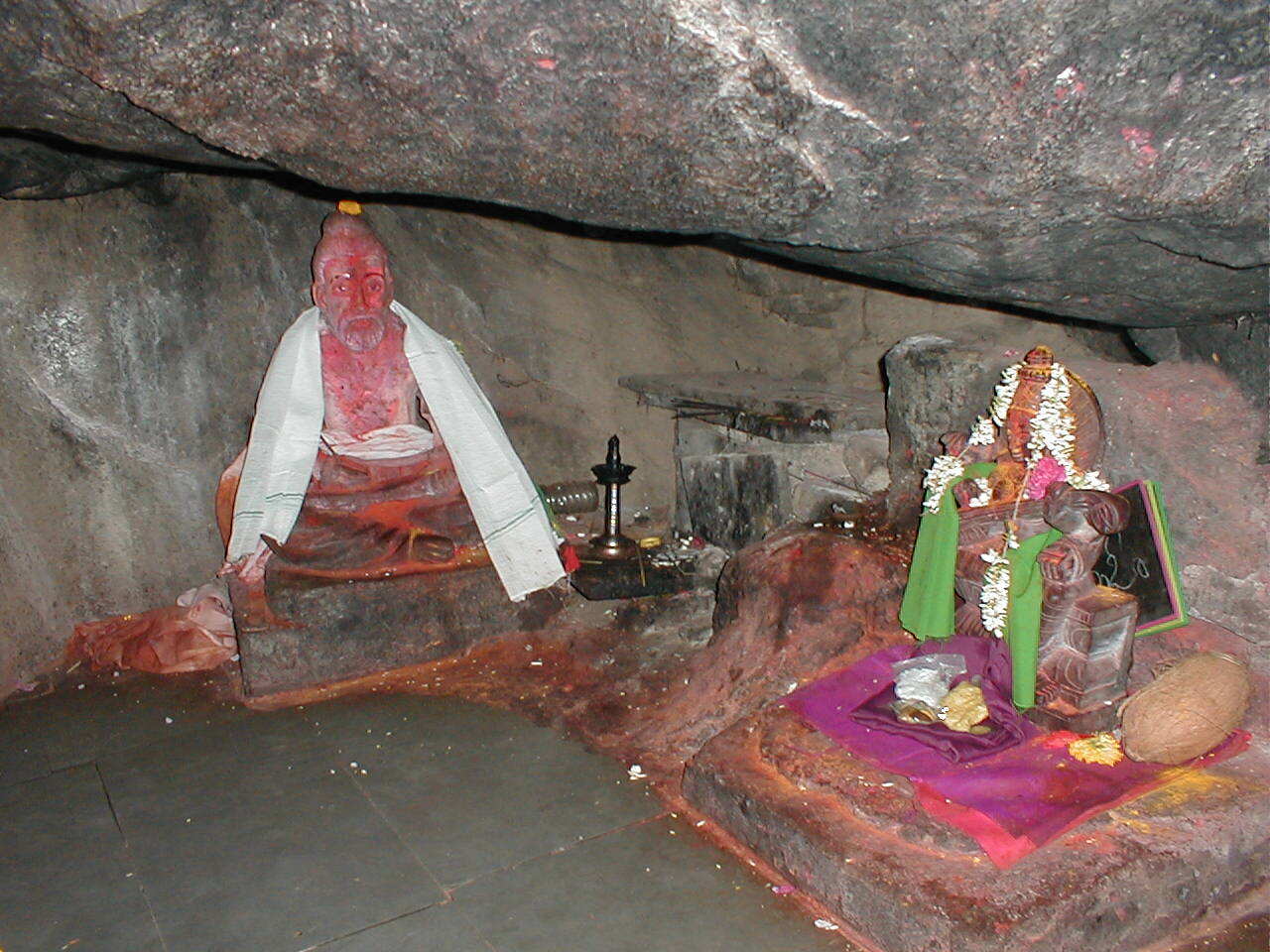
शताब्दियों बाद श्री चैतन्य महाप्रभु की अपनी परम्परा के सामने भी यही आवश्यकता आई। लम्बे समय तक उसके पास ऐसा कोई भाष्य था ही नहीं। चैतन्य महाप्रभु की अपनी पीढ़ी से लेकर जीव गोस्वामी तक, हर गौड़ीय आचार्य ने वैष्णव सिद्धान्त पर बहुत कुछ लिखा था। लेकिन किसी ने भी अपना औपचारिक वेदान्त-सूत्र-भाष्य नहीं लिखा था। जयपुर के राजदरबार में विरोधी वेदान्त सम्प्रदायों ने इसी कमी को आधार बनाकर गौड़ीय सम्प्रदाय की मान्यता को चुनौती दी। अन्त में अठारहवीं शताब्दी के आरम्भ में, श्री चैतन्य महाप्रभु के समय के बहुत बाद, बलदेव विद्याभूषण ने वह कमी पूरी की। उन्होंने गोविन्द-भाष्य प्रस्तुत किया। इस प्रकार उन्होंने वही प्राचीन आवश्यकता पूरी की, जो आरम्भ में स्वयं व्यासदेव के छोटे सूत्रों से उत्पन्न हुई थी।
भागवतम्, व्यास द्वारा स्वयं पर लिखी अपनी ही टीका #
गौड़ीय वैष्णव सिद्धान्त इन सब बातों में एक और आश्चर्यजनक बात जोड़ता है। व्यासदेव को किसी दूसरे के भाष्य की आवश्यकता ही नहीं थी। बाद में उन्होंने स्वयं ही अन्तिम भाष्य लिख दिया, यद्यपि उन्होंने उसे भाष्य नहीं कहा। एक श्लोक में वर्णन है कि व्यासदेव ने पूरा हुआ भागवतम् अपने पुत्र को सिखाया। उस श्लोक के तात्पर्य में श्रील प्रभुपाद यह बात स्पष्ट और दृढ़ शब्दों में कहते हैं: "श्रीमद्भागवतम् उसी लेखक द्वारा रचित ब्रह्म-सूत्रों पर स्वाभाविक टीका है" (श्रीमद्भागवतम् 1.7.8 का तात्पर्य)। श्री चैतन्य-चरितामृत में गरुड़ पुराण का एक श्लोक उद्धृत है, जो इस बात से बहुत मिलता-जुलता है। वह लगभग यही बात दूसरे ढंग से कहता है: "वेदान्त-सूत्र का अर्थ श्रीमद्भागवतम् में विद्यमान है। महाभारत का सम्पूर्ण तात्पर्य भी वहाँ है... श्रीमद्भागवतम् सर्वोच्च पुराण है, तथा इसे भगवान ने स्वयं व्यासदेव के अवतार में संकलित किया" (श्री चैतन्य-चरितामृत, मध्य 25.143-144)। इस समझ के अनुसार, जिन ऋषि ने परम्परा का सबसे कठिन वेदान्त-ग्रन्थ छोटे-छोटे सूत्रों में लिखा था, उन्होंने अपने जीवन के अन्त में उसे फिर से समझाया। इस बार उन्होंने तर्क के बजाय कथा और भक्ति के माध्यम से समझाया। उस अन्तिम रचना का, और उस आश्चर्यजनक असन्तोष का जिसने उन्हें यह रचना लिखने की प्रेरणा दी, वर्णन व्यासदेव का विषाद तथा नारद का उपदेश और श्रीमद्भागवतम् की रचना में है।
कर्तृत्व पर एक ईमानदार टिप्पणी #
प्राचीन भारत का अध्ययन करने वाले आधुनिक विद्वान कुछ वास्तविक प्रश्न उठाते हैं, जिनका उत्तर अभी तक नहीं मिला है। वे पूछते हैं कि क्या महाभारत, अठारह पुराणों और वेदान्त-सूत्र जैसी विशाल रचनाओं का श्रेय सचमुच एक ही ऐतिहासिक लेखक को दिया जा सकता है, जिसने इन्हें एक ही जीवन में लिखा हो। अनेक विद्वान "व्यास" को कुछ हद तक एक पारम्परिक नाम मानते हैं। उनके अनुसार यह नाम शताब्दियों तक धीरे-धीरे हुए लेखन और सम्पादन को दिया गया। गौड़ीय वैष्णव परम्परा प्रमाणों को इस दृष्टि से नहीं देखती। वह व्यासदेव को एक ही, शक्ति-सम्पन्न अवतार मानती है, जिनका कार्य असाधारण रूप से लम्बे जीवन तक चलता रहा। यह पृष्ठ दोनों मतों को सामने रखता है और इस मतभेद को सुलझाने का प्रयास नहीं करता। इस पूरे इतिहास में हम किसी वास्तविक विवाद में चुपचाप एक पक्ष चुनने के बजाय उसे स्पष्ट रूप से बताते हैं।
