Asi-kuṇḍa
असि-कुण्ड Hindi name proposed
Also called Askuṇḍā-ghāṭa
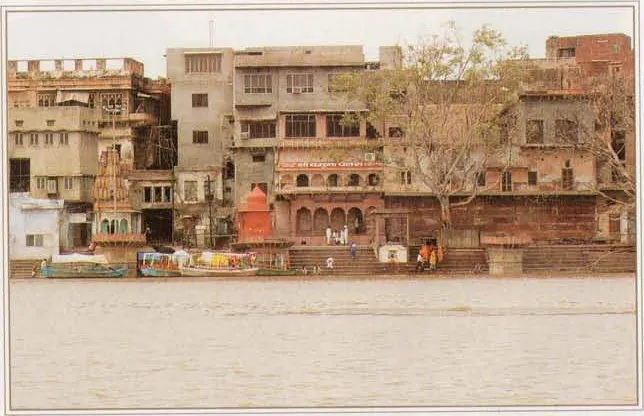
- What it is
- Asi-kuṇḍa, the "sword pond", is a bathing place on the Yamunā in Mathurā, near Viśrāma-ghāṭa; today it is also called Askuṇḍa-ghāṭa.
- Visiting
- Śrī Vraja-maṇḍala Parikramā (2007) calls the place Asi-kuṇḍa or Askuṇḍa-ghāṭa, near Viśrāma-ghāṭa, with Nava-tīrtha to its north, and prints a photograph of the ghāṭa.
In short
Asi-kuṇḍa, the "sword pond", is a bathing place on the Yamunā in Mathurā, near Viśrāma-ghāṭa; today it is also called Askuṇḍa-ghāṭa.[1 +3] The Varāha Purāṇa tells how Lord Varāha made the kuṇḍa with the tip of His sword, and calls it the greatest of Mathurā's tīrthas, the holy bathing places: one who bathes here and sees four images of the Lord gains the fruit of all of them.[5 +6] Śrīla Rūpa Gosvāmī quotes these verses, and Śrīla Prabhupāda names Asi-kuṇḍa among the twenty-four ghāṭas where Śrī Caitanya Mahāprabhu bathed.[10 +4]
Key facts
| Kind | ghāṭa |
|---|---|
| Region · area | Mathurā |
| Also part of | Yamunā |
| Ācāryas | Śrīla Śrīnivāsa Ācārya, Śrīla Rāghava Paṇḍita Gosvāmī of Govardhana, Śrīla Rūpa Gosvāmī, Śrīla Narottama dāsa Ṭhākura, Śrī Caitanya Mahāprabhu |
Why it is glorified
In the Varāha Purāṇa the Earth asks Lord Varāha about the tīrtha called Asi-kuṇḍa.
How the kuṇḍa got its name
In the Varāha Purāṇa the Earth asks Lord Varāha about the tīrtha called Asi-kuṇḍa. He tells how King Vimati set out to spend the rainy season in Mathurā, and how the tīrthas of Mathurā, afraid of this sinful king, fled to Him. He came to Mathurā for the good of all the tīrthas, killed the king with His divine sword (asi), and, lifting the earth with the sword's tip, made a great kuṇḍa, which was therefore called Asi-kuṇḍa (summarised here, not translated).[5]
The four images
The same chapter says that four golden images stand at the tīrtha called Varāha in Mathurā: Varāha, Nārāyaṇa, Vāmana and, fourth, Rāghava (Rāma). One who bathes in Asi-kuṇḍa and sees these four has, as it were, circled the earth to the four oceans, and gains the fruit of all of Mathurā's tīrthas. Of all those tīrthas Asi-kuṇḍa is the greatest, and the count of the tīrthas south and north begins from it.[6 +5]
तत्र कृत्वा च हैरण्या मूर्त्तयश्च चतुर्विधाः ।। तीर्थे वराहसंज्ञे तु मथुरायां व्यवस्थिताः ॥ 24 ॥ सुदृढाः सुदृशः सुभ्रू यः पश्यति स मुच्यते ।। एका वराहसंज्ञा च तथा नारायणस्य च ॥ 25 ॥ वामनस्य तृतीया वै चतुर्थी राघवस्य च ।। एताश्चतस्रो यः पश्येत्स्नात्वा कुण्डेऽसिसंज्ञिते ॥ 26 ॥ चतुःसागरपर्यन्ता क्रान्ता तेन धरा ध्रुवम् ।। तीर्थानां माथुराणां च सर्वेषां फलमश्नुते ॥ 27 ॥ तत्र सर्वेषु तीर्थेषु असिकुण्डं महत्तरम् ।। या संख्या कथिता पूर्वं तीर्थानां दक्षिणोत्तरे
tatra kṛtvā ca hairaṇyā mūrttayaśca caturvidhāḥ
tīrthe varāhasaṁjñe tu mathurāyāṁ vyavasthitāḥ
24
sudṛḍhāḥ sudṛśaḥ subhrū yaḥ paśyati sa mucyate
ekā varāhasaṁjñā ca tathā nārāyaṇasya ca
25
vāmanasya tṛtīyā vai caturthī rāghavasya ca
etāścatasro yaḥ paśyetsnātvā kuṇḍe'sisaṁjñite
26
catuḥsāgaraparyantā krāntā tena dharā dhruvam
tīrthānāṁ māthurāṇāṁ ca sarveṣāṁ phalamaśnute
27
tatra sarveṣu tīrtheṣu asikuṇḍaṁ mahattaram
yā saṁkhyā kathitā pūrvaṁ tīrthānāṁ dakṣiṇottare
Śrīla Rūpa Gosvāmī gives these verses in his Mathurā-māhātmya with Lāṅgalī, Balarāma who carries the plough, as the fourth image. He also names Asi-kuṇḍa as the point north of which the northern tīrthas begin, counts it among the tīrthas worth a hundred times Kurukṣetra for bathing at an eclipse, and lists it among the great tīrthas of Mathurā (summarised here, not translated).[10 +3]
In the Purāṇas
The Padma Purāṇa places this tīrtha beside Viśrānti, the resting place now called Viśrāma-ghāṭa:[1 +1]
ततोऽहं मथुरां प्राप्तो यत्र विश्रांतिसंज्ञकम् तीर्थं तत्सन्निधौ पुण्यमसिकुंडाख्यमुत्तमम् । कृष्णगंगा ध्रुवाक्रूर केशिकालीयतीर्थभृत्
tato'haṁ mathurāṁ prāpto yatra viśrāṁtisaṁjñakam tīrthaṁ tatsannidhau puṇyamasikuṁḍākhyamuttamam
kṛṣṇagaṁgā dhruvākrūra keśikālīyatīrthabhṛt
The Nārada Purāṇa names Asi-kuṇḍa as the first tīrtha north of Viśrānti and says that one who bathes there reaches the abode of Viṣṇu; north of it, it names Nava-tīrtha (summarised here, not translated).[17] Among the thousand names of the Yamunā in the Garga-saṁhitā, one is asikuṇḍa-gatā, present at Asi-kuṇḍa.[18]
The Gosvāmīs and ācāryas
According to the Bhakti-ratnākara, Śrīla Rāghava Paṇḍita Gosvāmī of Govardhana showed this tīrtha to Śrīla Śrīnivāsa Ācārya on their tour of Mathurā, with Śrīla Narottama dāsa Ṭhākura. He told him that the Purāṇas reveal great fruit in bathing here, named the four images as Varāha, Nārāyaṇī, Lāṅgalī and Vāmana, and showed him Nava-tīrtha to the north (summarised here, not translated).[10 +3]
এই অসিকুণ্ডতীর্থ দেখ শ্রীনিবাস । এথা স্নানে বহু ফল পুরাণে প্রকাশ ॥ শ্রীবরাহ নারায়ণী লাঙ্গলী বামনে । কুণ্ডে স্নান করিয়ে দেখয়ে চারি জনে ॥ সাগর পর্য্যন্ত তীর্থ যত মথুরায় । সে সকল পরিক্রমা ফল মিলে তায় ॥ তথাহি আদিবারাহে ॥ একা বরাহসংজ্ঞাচ তথা নারায়ণী পরা । বামনাচ তৃতীয়া বৈ চতুর্থী লাঙ্গলী শুভা ॥ এতাশ্চতস্রো যঃ পশ্যেৎ স্নাত্বা কুণ্ডেঽসিসংজ্ঞকে । চতুঃসাগরপর্য্যন্তা ক্রান্তা তেন ধরা ধ্রুবং ॥ তীর্থানাং মথুরাণাঞ্চ সর্ব্বেষাং ফলমশ্নুতে ॥
ei asikuṇḍatīrtha dekha śrīnibāsa
ethā snāne bahu phala purāṇe prakāśa
śrībarāha nārāẏaṇī lāṅgalī bāmane
kuṇḍe snāna kariẏe dekhaẏe cāri jane
sāgara paryyanta tīrtha yata mathurāẏa
se sakala parikramā phala mile tāẏa
tathāhi ādibārāhe
ekā barāhasaṁjñāca tathā nārāẏaṇī parā
bāmanāca tṛtīẏā bai caturthī lāṅgalī śubhā
etāścatasro yaḥ paśyet snātbā kuṇḍe'sisaṁjñake
catuḥsāgaraparyyantā krāntā tena dharā dhrubaṁ
tīrthānāṁ mathurāṇāñca sarbbeṣāṁ phalamaśnute ||
Śrīla Prabhupāda
The Caitanya-caritāmṛta says that Śrī Caitanya Mahāprabhu bathed in the twenty-four ghāṭas along the Yamunā at Mathurā, without …
The Caitanya-caritāmṛta says that Śrī Caitanya Mahāprabhu bathed in the twenty-four ghāṭas along the Yamunā at Mathurā, without naming them. In his purport Śrīla Prabhupāda lists them, and Asi-kuṇḍa is the sixteenth; he gives the same list in a purport of the Fourth Canto of Śrīmad-Bhāgavatam. Other lists do not count Asi-kuṇḍa among the twenty-four (see below).[15 +2] Read more: The twenty-four ghāṭas of Mathurā →
Names this place“The twenty-four ghats (bathing places) along the Yamunā are (1) Avimukta, (2) Adhirūḍha, (3) Guhya-tīrtha, … (11) Mokṣa-tīrtha, (12) Bodha-tīrtha, (13) Gokarṇa, (14) Kṛṣṇa-gaṅgā, (15) Vaikuṇṭha, (16) Asi-kuṇḍa, … (24) Daśāśvamedha.”
Śrīla Prabhupāda, Śrī Caitanya-caritāmṛta, Madhya-līlā 17.190, purport · vedabase.io
Visiting today
Śrī Vraja-maṇḍala Parikramā (2007) calls the place Asi-kuṇḍa or Askuṇḍa-ghāṭa, near Viśrāma-ghāṭa, with Nava-tīrtha to its north, and prints a photograph of the ghāṭa. On the last stretch of Mathurā's ten-mile parikramā, it says, Asi-kuṇḍa and Maṇikarṇikā-ghāṭa come just before Viśrāma-ghāṭa. Its present state has not been checked.[2 +2] According to the same book, a bath here destroys every sin of body, mind and words; no older text found so far has those words, so the claim is not certain.[2]
Location
| Where it is | 'near Viśrāma-ghāṭa'; Nava-tīrtha lies north of it[29] |
|---|
Nearby places
Viśrāma-ghāṭa · Nava-tīrtha · Maṇikarṇikā-ghāṭa (Mathurā)
Where the sources differ
The sources differ on whether Asi-kuṇḍa is one of Mathurā's twenty-four ghāṭas; their accounts are set out on the page of Viśrāma-ghāṭa.[7 +4]
Accounts differ The fourth of the four images seen after bathing in Asi-kuṇḍa.
- Varāha Purāṇa 166.25-26Varāha, Nārāyaṇa, Vāmana and 'rāghavasya' (Rāma) as fourth.
- Bhakti-ratnākara, pp. 179-180 (quoting Ādi-varāha)Varāha, Nārāyaṇī, Vāmanā and 'লাঙ্গলী শুভা' (Lāṅgalī, the plough-bearer) as fourth.
- Śrīla Rūpa Gosvāmī, Mathurā-māhātmya v.278 (Ādi-varāha)Lists the four images as the one called Varāha, Nārāyaṇī, Vāmanā and, fourth, Lāṅgalī.
How the verse on Nava-tīrtha reads, north of Asi-kuṇḍa or of Śiva-kuṇḍa, is told differently; the accounts are set side by side on the page of Nava-tīrtha.[12 +3]
More on this place
The twenty-four ghāṭas of Mathurā
References
29 references
- Padma Purāṇa, Uttara-khaṇḍa 6.208.40-41, Sanskrit Wikisource
- Śrī Vraja-maṇḍala Parikramā (2007), PDF p. 40
- Śrī Vraja-maṇḍala Parikramā (2007), PDF p. 53
- Śrī Vraja-maṇḍala Parikramā (2007), PDF p. 31
- Varāha Purāṇa, 166.18-20 (the Earth's question is 166.1; chapter colophon 'asikuṇḍaprabhāvo nāma'), Sanskrit Wikisource
- Varāha Purāṇa, 166.24-28, Sanskrit Wikisource
- Varāha Purāṇa, 166.29-30, Sanskrit Wikisource
- Varāha Purāṇa, 174.6-7, Sanskrit Wikisource
- Varāha Purāṇa, 176.69-71, Sanskrit Wikisource
- Śrīla Rūpa Gosvāmī, Mathurā-māhātmya v.278-279, heading 'asi-kuṇḍasya'; index: ĀdivarāhaP
- Varāha Purāṇa, adhyāya 168, verses 14b–18a, Sanskrit Wikisource
- Śrīla Rūpa Gosvāmī, Mathurā-māhātmya v.262, in the Ādi-varāha series
- Śrīla Rūpa Gosvāmī, Mathurā-māhātmya v.438-439, quoting the Ādi-varāha Purāṇa ('tatraiva' after v.437 'ādi-vārāhe')
- Śrīla Rūpa Gosvāmī, Mathurā-māhātmya v.442-443, 'mathurā-mahā-tīrthāni'
- Śrīla Prabhupāda, Śrī Caitanya-caritāmṛta, Madhya-līlā 17.190, purport · vedabase.io
- Padma Purāṇa, Uttara-khaṇḍa 6.208.40-41, Sanskrit Wikisource
- Nārada Purāṇa, उत्तरार्धः/अध्यायः 79 v.79-35 to 79-36
- Garga-saṁhitā, Mādhurya-khaṇḍa (4) 19.37 (the thousand names of the Yamunā, Saubhari to Māndhātā), Sanskrit Wikisource
- Śrīla Narahari Cakravartī, Bhakti-ratnākara, Fifth Wave, 1912 ed. pp. 179-180, 2nd ed., 1912
- Śrīla Narahari Cakravartī, Bhakti-ratnākara, Fifth Wave, 1912 ed. p. 175, 2nd ed., 1912
Show all 29 references
- Śrīla Narahari Cakravartī, Bhakti-ratnākara, Fifth Wave, 1912 ed. p. 165, 2nd ed., 1912
- Śrīla Narahari Cakravartī, Bhakti-ratnākara, Fifth Wave, 1912 ed. pp. 179-180, 2nd ed., 1912
- Śrīla Kṛṣṇadāsa Kavirāja Gosvāmī, Śrī Caitanya-caritāmṛta, Madhya-līlā 17.190, online edition · vedabase.io
- Śrīla Prabhupāda, Śrīmad-Bhāgavatam, 4.8.42, purport · vedabase.io
- Śrī Vraja-maṇḍala Parikramā (2007), PDF p. 37
- Mathurá (1883), F. S. Growse, B.C.S., M.A. Oxon., C.I.E. (as the title page gives him, p. 144
- Varāha Purāṇa, 153.1, Sanskrit Wikisource
- Śrī Vraja-maṇḍala Parikramā (2007), PDF p. 59
- Śrī Vraja-maṇḍala Parikramā (2007), p. 54-55