The twenty-four ghāṭas of Mathurā
मथुरा के चौबीस घाट
In short
The twenty-four ghāṭas of Mathurā are bathing places with steps down to the Yamunā. The Caitanya-caritāmṛta says that Śrī Caitanya Mahāprabhu bathed there when He came to Mathurā. The Bhakti-ratnākara and Śrīla Rūpa Gosvāmī count twelve south and twelve north of Viśrāma-ghāṭa, along a half-moon of the river. Śrīla Prabhupāda gives his own list.[1–7]
On this page
At a glance
- Scripture: the Caitanya-caritāmṛta, Madhya-līlā 17.190, says that Śrī Caitanya bathed in the twenty-four ghāṭas while a brāhmaṇa showed Him the holy places.[1]
- The shape: Śrīla Rūpa Gosvāmī heads his list "the twenty-four Yamunā tīrthas situated in the half-moon". A tīrtha is a holy bathing place.[8]
- The centre: Viśrāma-ghāṭa is not counted. According to the Bhakti-ratnākara, twelve lie south of it and twelve north.[2–6]
- The source verses: most of the names and their glories come from the Varāha Purāṇa, one of the old scriptures called Purāṇas, which Śrīla Rūpa Gosvāmī quotes as the Ādi-varāha.[8–11]
- Śrīla Prabhupāda's list: twenty-four names from Avimukta to Daśāśvamedha, given twice in his purports (his explanations of the verses).[7, 12]
- The lists differ in some names, and on which side the second twelve lie. Both questions are set out below.[3, 6]
What are the twenty-four ghāṭas of Mathurā?
Śrī Caitanya Mahāprabhu came to Mathurā on His journey to Vraja. The brāhmaṇa who guided Him showed Him the holy places, and He bathed in the bathing places along the Yamunā. Śrīla Prabhupāda translates the verse:
যমুনার ‘চব্বিশ ঘাটে’ প্রভু কৈল স্নান ।
সেই বিপ্র প্রভুকে দেখায় তীর্থস্থান ॥ ১৯০ ॥
yamunāra ‘cabbiśa ghāṭe’ prabhu kaila snāna
sei vipra prabhuke dekhāya tīrtha-sthāna
Śrī Caitanya Mahāprabhu bathed in the twenty-four ghats along the banks of the Yamunā, and the brāhmaṇa showed Him all the places of pilgrimage.
Translation: Śrīla A.C. Bhaktivedanta Swami PrabhupādaThe verse gives the number but no names. Two Gauḍīya works (works of Śrī Caitanya's followers) name them. Śrīla Rūpa Gosvāmī's Mathurā-māhātmya opens a section with the heading "the twenty-four Yamunā tīrthas situated in the half-moon". It then quotes the verses on each, mainly from the Varāha Purāṇa (summarised here, not translated).[8] In the Bhakti-ratnākara of Śrīla Narahari Cakravartī Ṭhākura, Śrīla Rāghava Paṇḍita Gosvāmī shows them one by one to Śrīla Śrīnivāsa Ācārya and Śrīla Narottama dāsa Ṭhākura.[13, 14]
The half-moon is the bend of the river at the city. The Varāha Purāṇa itself speaks of the Ardhacandra, the half-moon, and of a special merit at the tīrtha (holy bathing place) called Viśrānti there.[4 +2]
Why is Viśrāma-ghāṭa in the middle?
Viśrāma-ghāṭa is the Viśrānti-tīrtha of the Purāṇas. Both series are counted from this point. The Varāha Purāṇa explains the name: Vāsudeva Janārdana, the lord of the world, takes rest (viśrānti) there, and so it is called Viśrānti.[17, 18] The same Purāṇa calls it holier than the holy and the best among Mathurā's countless tīrthas.[19]
Its rules for the circumambulation of Mathurā (walking round the holy city) begin with a bath at Viśrānti and end with a bath there.[20, 21] Śrīla Rūpa Gosvāmī and the Bhakti-ratnākara quote a verse from a Mathurā-khaṇḍa. It counts twenty-four tīrthas south and north of Viśrānti, without Viśrānti itself (summarised here, not translated).[3, 6]
According to the Bhakti-ratnākara, Kṛṣṇa rested at Viśrāma-ghāṭa after killing Kaṁsa.[22, 23] Read more: How Kṛṣṇa killed Kaṁsa in the wrestling arena → The same book says that it was also at Viśrāma-ghāṭa that Śrīla Śrīnivāsa Ācārya first heard that Śrīla Rūpa Gosvāmī and Śrīla Sanātana Gosvāmī had passed away.[22, 24] Read more: Śrīla Śrīnivāsa and Śrīla Narottama at Viśrāma-ghāṭa →
The twelve ghāṭas south of Viśrāma
In the Bhakti-ratnākara, Śrīla Rāghava Paṇḍita Gosvāmī shows these twelve. Then he says that they lie south of Viśrāma and that remembering them frees one from all sin.[14] The Varāha Purāṇa ends the series with a verse that calls them rare even for the gods. It says that bathing, charity, japa (chanting the holy name) and fire sacrifice there bring a thousand times the merit (summarised here, not translated).[9–11] The order below is the Bhakti-ratnākara's, with one line from the sources for each:
- Avimukta: in an Ādi-varāha verse, one who bathes there surely attains liberation.[25–29]
- Guhya-tīrtha, the secret tīrtha: the Varāha Purāṇa says that it frees one from all of saṁsāra, the cycle of birth and death.[30]
- Prayāga: hard to reach even for the gods, according to the Varāha Purāṇa.[31–33]
- Kanakhala: according to the Bhakti-ratnākara, bathing there gives the highest opulence.[33]
- Tinduka: the Varāha Purāṇa calls it a supremely secret holy field, and tells there the story of a barber named Tinduka.[28 +5]
- Sūrya-tīrtha: the Varāha Purāṇa says that Bali, son of Virocana, worshipped the sun-god here for a year.[39, 40]
- Vaṭasvāmī: the sun-god is known there as Vaṭasvāmī, according to a Saura Purāṇa verse quoted by Śrīla Rūpa Gosvāmī and the Bhakti-ratnākara.[29 +3]
- Dhruva-tīrtha: in the Varāha Purāṇa, the place where Dhruva performed the highest austerity.[29 +4]
- Ṛṣi-tīrtha: dear to Hari (Kṛṣṇa), according to a verse that Śrīla Rūpa Gosvāmī and the Bhakti-ratnākara quote from a Mathurā-khaṇḍa.[47, 48]
- Mokṣa-tīrtha: south of Ṛṣi-tīrtha. The Varāha Purāṇa says that bathing here alone gives liberation.[49]
- Koṭi-tīrtha, the southern one: according to the Varāha Purāṇa, bathing and charity here bring honour in the Lord's world.[50]
- Bodhi-tīrtha: the last of the twelve, according to the Bhakti-ratnākara and Śrīla Rūpa Gosvāmī's list.[1 +5]
The twelve ghāṭas north of Viśrāma
The second series begins north of Asi-kuṇḍa, a kuṇḍa (sacred pond) that the Padma Purāṇa places near Viśrānti.[51, 52] Śrīla Rūpa Gosvāmī's quotation opens it with these words: north of Asi-kuṇḍa is a tīrtha greater than which there has been and will be none (summarised here, not translated).[53] The Bhakti-ratnākara then shows these twelve:
- Nava-tīrtha: the Varāha Purāṇa says that no greater tīrtha has been or will be.[10 +2]
- Saṁyamana: known in the three worlds, according to the Varāha Purāṇa.[56–58]
- Dhārāpatana: one who bathes there rejoices in heaven, says the Varāha Purāṇa.[59, 60]
- Nāga-tīrtha: the Varāha Purāṇa calls it the best of the best of tīrthas.[60–62]
- Ghaṇṭā-bharaṇaka-tīrtha: it frees one from all sins, according to the Varāha Purāṇa.[60, 63]
- Brahma-tīrtha, called Brahmaloka in Śrīla Rūpa Gosvāmī's list.[8]
- Soma-tīrtha: in the Varāha Purāṇa, the place where Soma, the moon-god, sees the Lord.[64]
- Sarasvatī-patana: bathing there takes away all sins, the Varāha Purāṇa says.[65–67]
- Cakra-tīrtha: the Varāha Purāṇa gives it a chapter of its own and places it north of Mathurā.[68–70]
- Daśāśvamedha: always worshipped by the sages, according to the Varāha Purāṇa.[71]
- Vighna-rāja-tīrtha: the tīrtha of Gaṇeśa, holy and free of obstacles, says the Varāha Purāṇa.[72–74]
- Koṭi-tīrtha, the northern one: in the Varāha Purāṇa, bathing there gives the merit of a crore (ten million) of cows.[75]
So there are two Koṭi-tīrthas, one at the end of each series. The Varāha Purāṇa, Śrīla Rūpa Gosvāmī and the Bhakti-ratnākara all have one in the first series and one in the second.[50 +5] After the twenty-four, the Bhakti-ratnākara shows other tīrthas of Mathurā, beginning with Gokarṇa. In that account Gokarṇa is not one of the twenty-four.[6 +2]
Śrīla Prabhupāda's list
Śrīla Prabhupāda gives the twenty-four names twice. The first time is in his purport (explanation) to this verse of the Caitanya-caritāmṛta. The second is in his purport to the Bhāgavatam's verse on Dhruva's journey to Madhuvana, where he calls them the bathing places of the twelve forests.[7, 12]
Names this place“The twenty-four ghats (bathing places) along the Yamunā are (1) Avimukta, (2) Adhirūḍha, (3) Guhya-tīrtha, (4) Prayāga-tīrtha … (13) Gokarṇa … (24) Daśāśvamedha.”
Śrīla Prabhupāda, Śrī Caitanya-caritāmṛta, Madhya-līlā 17.190, purport · vedabase.io
His first twelve agree with the southern series, with Adhirūḍha in second place.[7 +2] From the thirteenth on, his list goes its own way: Gokarṇa comes thirteenth and Kṛṣṇa-gaṅgā fourteenth.[1 +3] Then come Vaikuṇṭha, Asi-kuṇḍa, the well Catuḥ-sāmudrika-kūpa, Akrūra-tīrtha, Yājñika-vipra-sthāna and Kubjā-kūpa. The list ends with Raṅga-sthala, Mañca-sthala, Mallayuddha-sthāna and Daśāśvamedha.[7 +3]
Some of these names belong to Kṛṣṇa's pastimes in the city. The Varāha Purāṇa places the well Catuḥsāmudrika in front of the god Svayambhu.[83] Śrīla Prabhupāda connects the word yājñika with the brāhmaṇas performing sacrifice in the Bhāgavatam's Tenth Canto.[84] Raṅga-sthala, Mañca-sthala and Mallayuddha-sthāna are named after the arena, the raised platform and the wrestling of Kaṁsa's festival, though he does not describe or locate them.[7 +2]
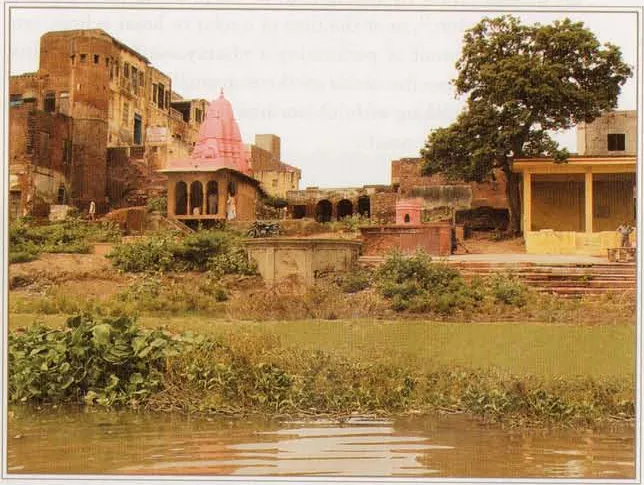
Of Dhruva-ghāṭa alone he adds a description. It is a place with many fruit and flower trees, known because Dhruva meditated and performed severe austerities there on a raised spot.[12, 81]
Did Śrī Caitanya bathe in all of them?
The Caitanya-caritāmṛta says that He bathed in the twenty-four ghāṭas, without naming them.[1] Before that it tells of His arrival. On seeing the city He fell to the ground in ecstatic love. He bathed at Viśrāma-ghāṭa, visited Kṛṣṇa's birthplace and the Deity Keśavajī, and chanted and danced there.[85–87]
The Bhakti-ratnākara adds the mood of the visit. Śrīla Rāghava Paṇḍita Gosvāmī tells Śrīla Śrīnivāsa Ācārya that Mahāprabhu bathed in the twenty-four ghāṭas with great joy, and was overwhelmed with love of God at each of them.[6] The book says that hundreds of thousands of people bathed with Him, and it calls His visit a wonderful pastime at Viśrāma-tīrtha.[1 +4]
Which ghāṭas does the 2007 guidebook list?
The guidebook Śrī Vraja-maṇḍala Parikramā (2007) lists the twenty-four by number, twelve on each side, with Dhruva-tīrtha eighth among the southern ones.[3 +3] It also calls Asi-kuṇḍa Askuṇḍa-ghāṭa, near Viśrāma-ghāṭa, with Nava-tīrtha to its north.[52 +2] It names a Sūrya-ghāṭa among the places of Mathurā, which matches the Sūrya-tīrtha of the southern series.[7, 92]
Where the sources differ
The lists agree on most names but not on all. They are set side by side here without choosing between them. Śrīla Prabhupāda counts Kubjā-kūpa among the twenty-four bathing places. The Bhakti-ratnākara and the 2007 guidebook do not, and the guidebook describes it as a well on the parikramā path (the pilgrims' walking route).[6 +4] The Varāha Purāṇa's own series, the Nārada Purāṇa's list and the Caitanya biographies of Śrīla Murāri Gupta and Śrīla Locana dāsa Ṭhākura give further variants, summarised in the card.
Accounts differ Which bathing places make up the Yamunā's twenty-four ghāṭas at Mathurā.
- Śrīla Prabhupāda, CC Madhya 17.190 purport and SB 4.8.42 purportAvimukta, Adhirūḍha, Guhya-tīrtha, Prayāga-tīrtha, Kanakhala, Tinduka, Sūrya-tīrtha, Vaṭa-svāmī, Dhruva-ghāṭa, Ṛṣi-tīrtha, Mokṣa-tīrtha, Bodha-tīrtha, Gokarṇa, Kṛṣṇa-gaṅgā, Vaikuṇṭha, Asi-kuṇḍa, Catuḥ-sāmudrika-kūpa, Akrūra-tīrtha, Yājñika-vipra-sthāna, Kubjā-kūpa, Raṅga-sthala, Mañca-sthala, Mallayuddha-sthāna, Daśāśvamedha; no Cakra-, Dhārāpatana- or Ghaṇṭābharaṇaka-tīrtha.
- Bhakti-ratnākara, Fifth Wave, printed pp. 171-178 (1912 ed.)Twelve south of Viśrānti (Avimukta, Guhya, Prayāga, Kanakhala, Tinduka, Sūrya, Vaṭasvāmī, Dhruva, Ṛṣi, Mokṣa, Koṭi, Bodhi) and twelve north (Nava, Saṁyamana, Dhārāpatana, Nāga, Ghaṇṭābharaṇa, Brahma, Soma, Sarasvatī-patana, Cakra, Daśāśvamedha, Vighnarāja, Koṭi); Gokarṇa-tīrtha follows as a further tīrtha ('mathurāte āra tīrtha', printed p. 179).
- Śrīla Rūpa Gosvāmī, Mathurā-māhātmya vv. 239-280 (verses quoted mainly from the Ādi-varāha)Under a heading on the twenty-four Yamunā tīrthas of the half-moon he quotes the Ādi-varāha series: Avimukta, Viśrānti, the secret (guhya) tīrtha, Prayāga, Kanakhala, Tinduka, Sūrya, Vaṭasvāmī, Dhruva, Ṛṣi, Mokṣa, Koṭi and Bodhi, closing these as twelve; then, north of Asi-kuṇḍa, Nara, Saṁyamana, Dhārāpatanaka, Nāga, Ghaṇṭābharaṇaka, Brahmaloka, Soma, Sarasvatī-patana, Cakra, Daśāśvamedha, Vighnarāja and Koṭi; and he adds that by the view of the Mathurā-khaṇḍa the twenty-four are counted without Viśrānti. Then he names the most famous tīrthas here: Gokarṇa, Kṛṣṇa-gaṅgā, Vaikuṇṭha, Asi-kuṇḍa and Catuḥsāmudrika (vv. 275-280).
- Śrī Vraja-maṇḍala Parikramā (2007) (printed p. 49)The same twenty-four names as the Bhakti-ratnākara (spelling 'Baṭa-svāmī', 'Dhārāpattana', 'Dasāśvamedha'); Gokarṇa-tīrtha is described after no. 24, Daṇḍī-/Bengālī-ghāṭa beside no. 5.
The wording of these accounts is our summary of the sources, not a published translation.
The sources also differ on which side of Viśrāma-ghāṭa the second twelve lie. The Bhakti-ratnākara and Śrīla Rūpa Gosvāmī put them north, beginning north of Asi-kuṇḍa. The 2007 guidebook says north on one page and south on another.
Accounts differ On which side of Viśrāma-ghāṭa the ghāṭas numbered 13-24 (Nava-tīrtha … Koṭi-tīrtha) lie.
- Śrī Vraja-maṇḍala Parikramā (2007) (printed p. 49)Nos. 1-12 lie on the Yamunā's southern side, nos. 13-24 'on her northern side'.
- Śrī Vraja-maṇḍala Parikramā (2007) (printed p. 54)'The twelve following ghāṭas (numbered 13 to 24) lie south of Viśrāma-ghāṭa.'
- Bhakti-ratnākara, printed pp. 175 and 178The series ending with Bodhi-tīrtha are the twelve tīrthas south of Viśrāma; Nava-tīrtha is north of Asi-kuṇḍa; twelve north and twelve south of Viśrānti.
- Śrīla Rūpa Gosvāmī, Mathurā-māhātmya vv. 261-262 and 274After the first twelve, the second series begins north of Asi-kuṇḍa (Nara-tīrtha); the Mathurā-khaṇḍa verse he quotes speaks of twenty-four tīrthas to the south and north of that tīrtha.
The wording of these accounts is our summary of the sources, not a published translation.
Places in this article
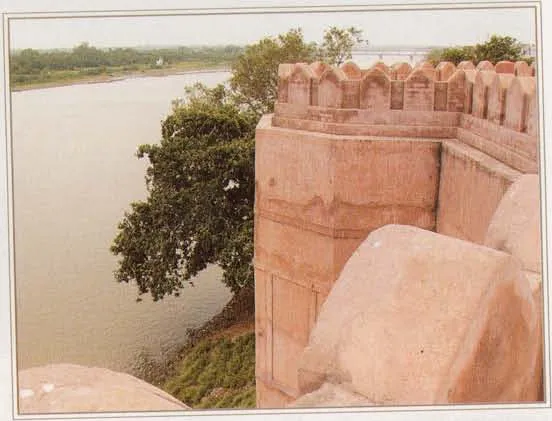
Mathurā
मथुराMathurā is the city on the Yamunā where Śrī Kṛṣṇa appeared from Devakī in the prison of King Kaṁsa.
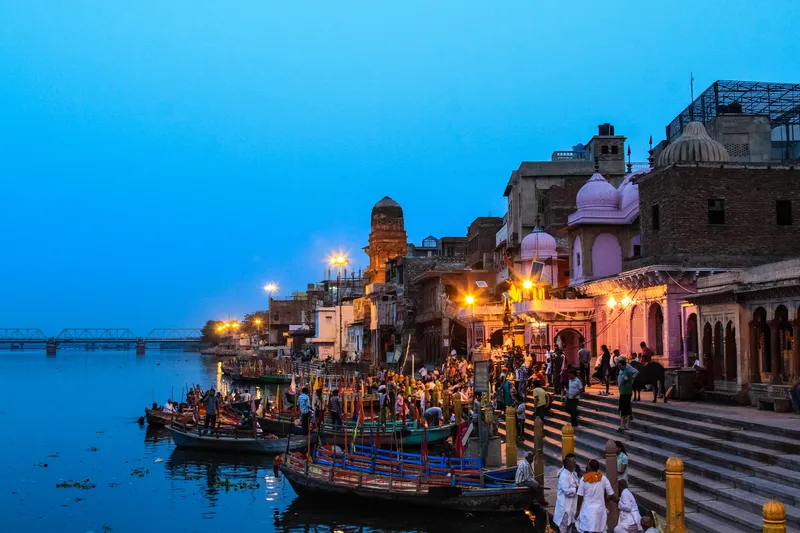
Viśrāma-ghāṭa
विश्राम-घाटViśrāma-ghāṭa is the bathing place on the Yamunā that the 2007 guidebook calls the principal ghāṭa of Mathurā.
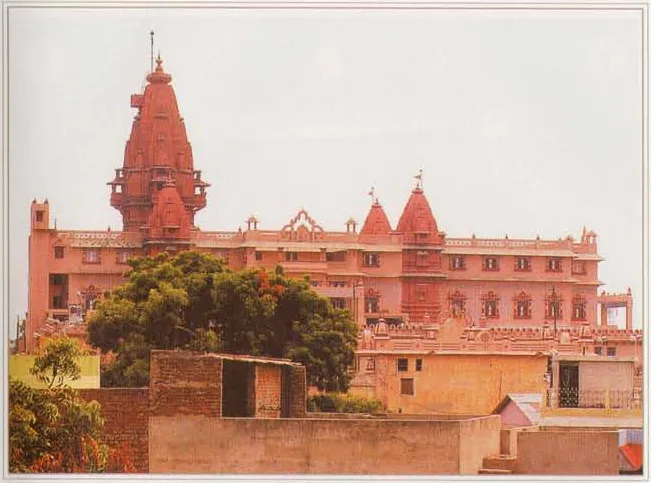
Kṛṣṇa Janma-sthāna
कृष्ण जन्म-स्थानThe Kṛṣṇa Janma-sthāna, also called Kaṭarā Keśavadeva, is honoured as the place where Śrī Kṛṣṇa appeared from Devakī in Kaṁsa's prison.
Avimukta-tīrtha
अविमुक्त-तीर्थAvimukta-tīrtha is a bathing place on the Yamunā at Mathurā, the first of the river's tīrthas (holy bathing places) in the Varāha Purāṇa, in Śrīla Rūpa Gosvāmī's Mathurā- …
Guhya-tīrtha
गुह्य-तीर्थGuhya-tīrtha, the "secret" tīrtha, is a bathing place on the Yamunā in Mathurā, near the start of the southern series of its ghāṭas.
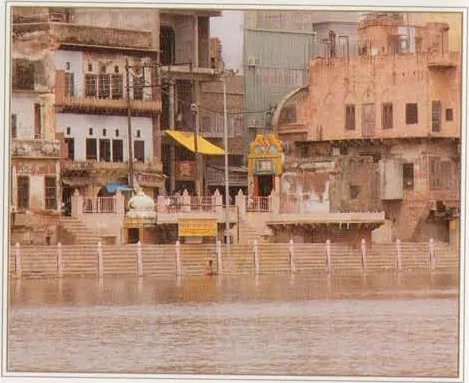
Prayāga-tīrtha (Mathurā)
प्रयाग-तीर्थ (मथुरा)Prayāga-tīrtha is a bathing place on the Yamunā at Mathurā, south of Viśrāma-ghāṭa.
Kankhala-tīrtha
कनखल-तीर्थKanakhala-tīrtha is one of the bathing places on the Yamunā at Mathurā, in the series of twelve tīrthas south of Viśrāma-ghāṭa, between Prayāga-tīrtha and Tinduka-tīrtha.
Tinduka-tīrtha
तिन्दुक-तीर्थTinduka-tīrtha is a bathing place on the Yamunā at Mathurā, the fifth of the twelve tīrthas (holy bathing places) south of Viśrāma-ghāṭa in the Bhakti-ratnākara, after Ka …
Sūrya-tīrtha (Mathurā)
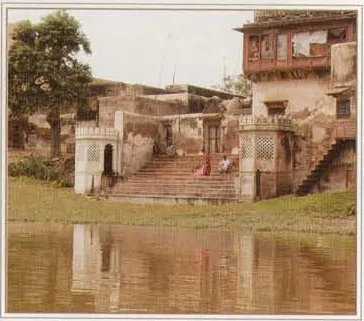
सूर्य-तीर्थ (मथुरा)Sūrya-tīrtha is a bathing place on the Yamunā at Mathurā, the sixth of the twelve tīrthas (holy bathing places) south of Viśrāma-ghāṭa in the Bhakti-ratnākara.
Vaṭa-svāmī-tīrtha
वट-स्वामी-तीर्थVaṭa-svāmī-tīrtha is a bathing place on the Yamunā at Mathurā.
Dhruva-tīrtha
ध्रुव-तीर्थDhruva-tīrtha, also called Dhruva-ghāṭa, is one of the twelve ghāṭas (bathing places) of Mathurā south of Viśrāma-ghāṭa, on the Yamunā.
Ṛṣi-tīrtha
ऋषि-तीर्थṚṣi-tīrtha, "the tīrtha of the sages", is one of the bathing places on the Yamunā at Mathurā, in the series of twelve south of Viśrāma-ghāṭa.
Mokṣa-tīrtha
मोक्ष-तीर्थMokṣa-tīrtha is one of the bathing places on the Yamunā at Mathurā, in the series of twelve tīrthas south of Viśrāma-ghāṭa, just south of Ṛṣi-tīrtha.
Koṭi-tīrtha (southern, no. 11)
कोटि-तीर्थ (दक्षिणी, क्रमांक 11)Mathurā has two bathing places on the Yamunā called Koṭi-tīrtha, one in each of the two series of twelve tīrthas.
Bodhi-tīrtha
बोधि-तीर्थBodhi-tīrtha is a bathing place on the Yamunā at Mathurā, the last of the twelve tīrthas (holy bathing places) south of Viśrāma-ghāṭa in Śrīla Rūpa Gosvāmī's Mathurā-māhā …
Asi-kuṇḍa
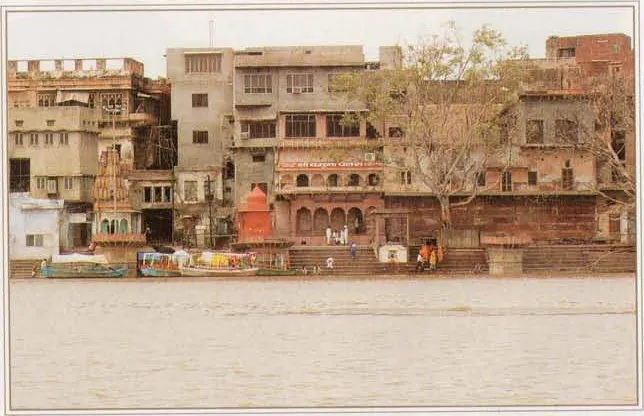
असि-कुण्डAsi-kuṇḍa, the "sword pond", is a bathing place on the Yamunā in Mathurā, near Viśrāma-ghāṭa; today it is also called Askuṇḍa-ghāṭa.
Nava-tīrtha
नव-तीर्थNava-tīrtha is a bathing place on the Yamunā at Mathurā.
Saṁyamana-tīrtha
संयमन-तीर्थSaṁyamana-tīrtha is a bathing place on the Yamunā at Mathurā.
Dhārāpatana-tīrtha
धारापतन-तीर्थDhārāpatana-tīrtha, also spelled Dhārāpattana, is one of the bathing places of Mathurā on the Yamunā.
Nāga-tīrtha
नाग-तीर्थNāga-tīrtha is a bathing place on the Yamunā at Mathurā, among the tīrthas north of Viśrāma-ghāṭa in the Bhakti-ratnākara's tour of the city.
Ghaṇṭā-bharaṇaka-tīrtha
घण्टा-भरणक-तीर्थGhaṇṭā-bharaṇaka-tīrtha, also called Ghaṇṭābharaṇa, is one of the bathing places of Mathurā on the Yamunā.
Brahma-tīrtha (Mathurā)
ब्रह्म-तीर्थ (मथुरा)Brahma-tīrtha is a bathing place on the Yamunā at Mathurā, among the tīrthas (holy bathing places) north of Viśrāma-ghāṭa that Śrīla Rāghava Paṇḍita Gosvāmī of Govardhana …
Soma-tīrtha
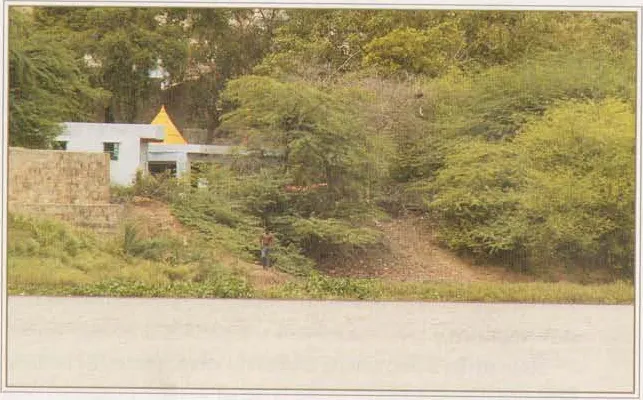
सोम-तीर्थSoma-tīrtha is a bathing place on the Yamunā at Mathurā, one of the twelve tīrthas (holy bathing places) that the Bhakti-ratnākara counts on the northern side of Viśrāma- …
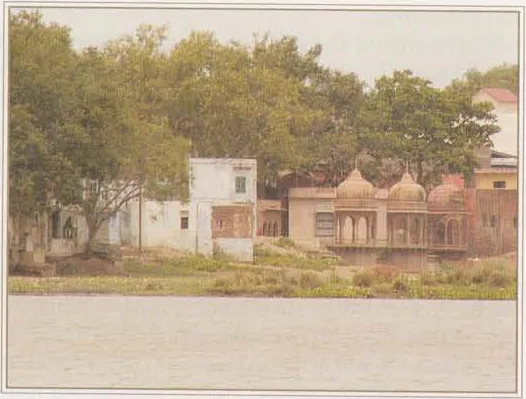
Sarasvatī-patana-tīrtha
सरस्वती-पतन-तीर्थSarasvatī-patana-tīrtha, the place where the river Sarasvatī "falls", is a bathing place on the Yamunā at Mathurā.
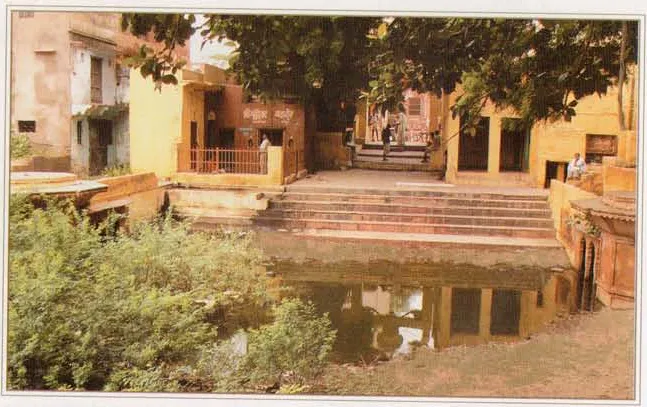
Cakra-tīrtha (Mathurā)
चक्र-तीर्थ (मथुरा)Cakra-tīrtha is a bathing place on the Yamunā at Mathurā, close to Ambarīṣa-ṭīlā.
Daśāśvamedha-tīrtha
दशाश्वमेध-तीर्थDaśāśvamedha-tīrtha is one of the bathing places of Mathurā on the bank of the Yamunā.
Vighna-rāja-tīrtha
विघ्न-राज-तीर्थVighna-rāja-tīrtha is a bathing place on the Yamunā at Mathurā, one of the twelve tīrthas (holy bathing places) that the Bhakti-ratnākara counts on the northern side of V …
Koṭi-tīrtha (northern, no. 24)
कोटि-तीर्थ (उत्तरी, क्रमांक 24)Mathurā has two bathing places on the Yamunā called Koṭi-tīrtha, one in each of the two series of twelve tīrthas.
Gokarṇa-tīrtha
गोकर्ण-तीर्थGokarṇa-tīrtha is a bathing place at the northern end of Mathurā, marked on the map of Śrī Vraja-maṇḍala Parikramā (2007) together with the Śiva temple Gokarṇa Mahādeva.
Adhirūḍha
अधिरूढ…atuḥ-sāmudrika-kūpa
...अतुः-सामुद्रिक-कूपYājñika-vipra-sthāna
याज्ञिक-विप्र-स्थानKubjā-kūpa
कुब्जा-कूपKubjā-kūpa, the well of Kubjā, is in Mathurā.
Raṅga-sthala
रंग-स्थलMañcha-sthala
मंच-स्थलMallayuddha-sthāna
मल्लयुद्ध-स्थानQuestions and answers
They are the bathing places on the Yamunā at Mathurā where Śrī Caitanya Mahāprabhu bathed, according to the Caitanya-caritāmṛta. The Bhakti-ratnākara and Śrīla Rūpa Gosvāmī count twelve south and twelve north of Viśrāma-ghāṭa.[1–6]
The Caitanya-caritāmṛta says that He bathed in the twenty-four ghāṭas. The Bhakti-ratnākara adds that He was overwhelmed with love of God at each of them.[1, 6]
Because the two series are counted from it: twenty-four tīrthas south and north of Viśrānti, without Viśrānti itself. The Varāha Purāṇa says that the Lord takes rest there, which gives it its name.[3 +3]
Mostly. The Bhakti-ratnākara and Śrīla Rūpa Gosvāmī give the same two series. Śrīla Prabhupāda's list keeps the first twelve and goes on with other names. The Purāṇas and the Caitanya biographies give further variants.[2 +7]
The guidebook Śrī Vraja-maṇḍala Parikramā (2007) lists all twenty-four by number on Mathurā's Yamunā bank.[3 +3]
It is the bend of the Yamunā at Mathurā along which the ghāṭas lie. The Varāha Purāṇa speaks of the half-moon at Viśrānti, and Śrīla Rūpa Gosvāmī calls the twenty-four the tīrthas situated in the half-moon.[4 +3]
Sources
- Śrīla Kṛṣṇadāsa Kavirāja Gosvāmī, Śrī Caitanya-caritāmṛta, Madhya-līlā 17.190, online edition · vedabase.io
- Śrīla Rūpa Gosvāmī, Mathurā-māhātmya v.239
- Śrīla Rūpa Gosvāmī, Mathurā-māhātmya, v.274 (Rūpa Gosvāmī's note on the Mathurā-khaṇḍa's count)
- Śrīla Narahari Cakravartī, Bhakti-ratnākara, Fifth Wave (pañcama taraṅga), 1912 ed. p. 171, 2nd ed., 1912
- Śrīla Narahari Cakravartī, Bhakti-ratnākara, Fifth Wave, printed p. 175 (1912 ed.), 2nd ed., 1912
- Śrīla Narahari Cakravartī, Bhakti-ratnākara, Fifth Wave (pañcama taraṅga), 1912 ed. p. 178, 2nd ed., 1912
- Śrīla Prabhupāda, Śrī Caitanya-caritāmṛta, Madhya-līlā 17.190, purport · vedabase.io
- Śrīla Rūpa Gosvāmī, Mathurā-māhātmya, v. 239, section heading
- Śrīla Rūpa Gosvāmī, Mathurā-māhātmya v.259-261, quoting the Ādi-varāha Purāṇa
- Śrīla Narahari Cakravartī, Bhakti-ratnākara, Fifth Wave, 1912 ed. p. 175, 2nd ed., 1912
- Varāha Purāṇa, 152.65-69, Sanskrit Wikisource
- Śrīla Prabhupāda, Śrīmad-Bhāgavatam, 4.8.42, purport · vedabase.io
- Śrīla Narahari Cakravartī, Bhakti-ratnākara, Fifth Wave (pañcama taraṅga), printed p. 165 (1912 ed.), 2nd ed., 1912
- Śrīla Narahari Cakravartī, Bhakti-ratnākara, Fifth Wave (pañcama taraṅga), 1912 ed. p. 175, 2nd ed., 1912
- Varāha Purāṇa, adhyāya 169, verses 15-18, Sanskrit Wikisource
- Śrī Vraja-maṇḍala Parikramā (2007), PDF p. 37
- Varāha Purāṇa, adhyāya 167, verses 23-25, Sanskrit Wikisource
- Varāha Purāṇa, adhyāya 167, verses 26-30, Sanskrit Wikisource
- Varāha Purāṇa, adhyāya 168, verses 13-15, Sanskrit Wikisource
- Varāha Purāṇa, adhyāya 160, verses 1-2, Sanskrit Wikisource
Show all 92 references
- Varāha Purāṇa, adhyāya 160, verses 62-65, Sanskrit Wikisource
- Śrīla Narahari Cakravartī, Bhakti-ratnākara, Fourth Wave (caturtha taraṅga), 1912 ed. p. 132, 2nd ed., 1912
- Śrīla Narahari Cakravartī, Bhakti-ratnākara, Fifth Wave (pañcama taraṅga), 1912 ed. p. 170, 2nd ed., 1912
- Prema-vilāsa, Fifth Vilāsa, publ. Yaśodālāl Tālukdār, Kolkata, Baṅgābda 1320 (c. 1913), p. 31, Kolkata, 1913
- Varāha Purāṇa, 152.31b-34a, Sanskrit Wikisource
- Śrīla Rūpa Gosvāmī, Mathurā-māhātmya v.239, quoting the Ādi-varāha Purāṇa
- Śrīla Narahari Cakravartī, Bhakti-ratnākara, Fifth Wave, 1912 ed. pp. 171-172, 2nd ed., 1912
- Śrī Vraja-maṇḍala Parikramā (2007), PDF p. 38
- Śrī Vraja-maṇḍala Parikramā (2007), PDF p. 58
- Varāha Purāṇa, adhyāya 152, 'mathurā-tīrtha-praśaṁsā', vv. 38-39, Sanskrit Wikisource
- Varāha Purāṇa, adhyāya 152, 'mathurā-tīrtha-praśaṁsā', vv. 39-41, Sanskrit Wikisource
- Śrīla Rūpa Gosvāmī, Mathurā-māhātmya vv. 242-244
- Śrīla Narahari Cakravartī, Bhakti-ratnākara, Fifth Wave (pañcama taraṅga), printed p. 172 (1912 ed.), 2nd ed., 1912
- Varāha Purāṇa, adhyāya 152 (colophon 'mathurā-tīrtha-praśaṁsā'), vv. 42-43, Sanskrit Wikisource
- Śrīla Rūpa Gosvāmī, Mathurā-māhātmya v.246, quoting the Ādi-varāha (the label 'ādi-vārāhe' stands before v.245)
- Śrīla Narahari Cakravartī, Bhakti-ratnākara, Fifth Wave, printed p. 172 (1912 ed.), 2nd ed., 1912
- Varāha Purāṇa, adhyāya 152, vv. 44-48, Sanskrit Wikisource
- Varāha Purāṇa, adhyāya 152, vv. 49-51 (first half of v. 51), Sanskrit Wikisource
- Varāha Purāṇa, 152.51b-55, Sanskrit Wikisource
- Varāha Purāṇa, adhyāya 152, vv. 56-58, Sanskrit Wikisource
- Śrīla Rūpa Gosvāmī, Mathurā-māhātmya vv. 249-250, quoting the Saura Purāṇa
- Śrīla Narahari Cakravartī, Bhakti-ratnākara, Fifth Wave, printed p. 173 (1912 ed.), 2nd ed., 1912
- Śrī Vraja-maṇḍala Parikramā (2007), PDF p. 39
- Varāha Purāṇa, adhyāya 152, verses 59-61, Sanskrit Wikisource
- Śrīla Narahari Cakravartī, Bhakti-ratnākara, Fifth Wave (pañcama taraṅga), printed p. 173 (1912 ed.), 2nd ed., 1912
- Śrīla Rūpa Gosvāmī, Mathurā-māhātmya, v.251-253 ('ādi-vārāhe'; v.253 'saura-purāṇe')
- Śrīla Rūpa Gosvāmī, Mathurā-māhātmya vv. 256-257, quoting the Ādi-varāha and the Skanda 'Mathurā-khaṇḍa'
- Śrīla Narahari Cakravartī, Bhakti-ratnākara, Fifth Wave, printed p. 174 (1912 ed.), 2nd ed., 1912
- Varāha Purāṇa, adhyāya 152, v. 64, Sanskrit Wikisource
- Varāha Purāṇa, adhyāya 152, vv. 65-67, Sanskrit Wikisource
- Padma Purāṇa, Uttara-khaṇḍa 6.208.40-41, Sanskrit Wikisource
- Śrī Vraja-maṇḍala Parikramā (2007), PDF p. 40
- Śrīla Rūpa Gosvāmī, Mathurā-māhātmya, vv. 261-262, quoting the Ādi-varāha
- Varāha Purāṇa, adhyāya 153, 'mathurā-tīrtha-māhātmya', vv. 1-3, Sanskrit Wikisource
- Śrīla Rūpa Gosvāmī, Mathurā-māhātmya v.262, in the Ādi-varāha series
- Varāha Purāṇa, adhyāya 153, vv. 3-4, Sanskrit Wikisource
- Śrīla Rūpa Gosvāmī, Mathurā-māhātmya v.263
- Śrīla Narahari Cakravartī, Bhakti-ratnākara, Fifth Wave (pañcama taraṅga), printed pp. 175-176 (1912 ed.), 2nd ed., 1912
- Varāha Purāṇa, adhyāya 154, vv. 12-15, Sanskrit Wikisource
- Śrīla Narahari Cakravartī, Bhakti-ratnākara, Fifth Wave (pañcama taraṅga), printed p. 176 (1912 ed.), 2nd ed., 1912
- Varāha Purāṇa, adhyāya 154, vv. 15-16, Sanskrit Wikisource
- Śrīla Rūpa Gosvāmī, Mathurā-māhātmya v.265
- Varāha Purāṇa, adhyāya 154, vv. 16-17, Sanskrit Wikisource
- Varāha Purāṇa, adhyāya 154 (opening 'atha yamunā-tīrtha-prabhāvaḥ'), vv. 20-22 (first half of v. 22), Sanskrit Wikisource
- Varāha Purāṇa, adhyāya 154, vv. 22-23, Sanskrit Wikisource
- Śrīla Rūpa Gosvāmī, Mathurā-māhātmya v.269
- Śrīla Narahari Cakravartī, Bhakti-ratnākara, Fifth Wave (pañcama taraṅga), printed p. 177 (1912 ed.), 2nd ed., 1912
- Varāha Purāṇa, adhyāya 162, 'cakra-tīrtha-prabhāva', v. 1, Sanskrit Wikisource
- Varāha Purāṇa, adhyāya 162, vv. 46-49, Sanskrit Wikisource
- Varāha Purāṇa, adhyāya 162, vv. 62-63, Sanskrit Wikisource
- Varāha Purāṇa, adhyāya 154, vv. 25-26, Sanskrit Wikisource
- Varāha Purāṇa, adhyāya 154, vv. 28 (second half)-31, Sanskrit Wikisource
- Śrīla Rūpa Gosvāmī, Mathurā-māhātmya v.272, quoting the Ādi-varāha (the label 'ādi-vārāhe' stands before v.259)
- Śrīla Narahari Cakravartī, Bhakti-ratnākara, Fifth Wave, printed p. 178 (1912 ed.), 2nd ed., 1912
- Varāha Purāṇa, adhyāya 154, vv. 32-33, Sanskrit Wikisource
- Śrīla Rūpa Gosvāmī, Mathurā-māhātmya v.259, quoting the Ādi-varāha
- Śrīla Rūpa Gosvāmī, Mathurā-māhātmya v.273, continuing the Ādi-varāha quotation (label at v.259)
- Śrīla Narahari Cakravartī, Bhakti-ratnākara, Fifth Wave (pañcama taraṅga), printed pp. 174-175 (1912 ed.), 2nd ed., 1912
- Śrīla Narahari Cakravartī, Bhakti-ratnākara, Fifth Wave (pañcama taraṅga), printed p. 178 (1912 ed.), 2nd ed., 1912
- Śrīla Narahari Cakravartī, Bhakti-ratnākara, Fifth Wave (pañcama taraṅga), printed p. 179 (1912 ed.), 2nd ed., 1912
- Śrīla Prabhupāda, Śrīmad-Bhāgavatam 4.8.42, purport (the list, as reprinted with numbers)
- Śrīla Prabhupāda, Śrī Caitanya-caritāmṛta, Madhya-līlā 17.190, translation · vedabase.io
- Varāha Purāṇa, adhyāya 158, vv.40-42, Sanskrit Wikisource
- Śrīla Prabhupāda, The Nectar of Devotion, Chapter 51 · vedabase.io
- Śrīla Kṛṣṇadāsa Kavirāja Gosvāmī, Śrī Caitanya-caritāmṛta, Madhya-līlā 17.155, online edition · vedabase.io
- Śrīla Kṛṣṇadāsa Kavirāja Gosvāmī, Śrī Caitanya-caritāmṛta, Madhya-līlā 17.156, online edition · vedabase.io
- Śrīla Kṛṣṇadāsa Kavirāja Gosvāmī, Śrī Caitanya-caritāmṛta, Madhya-līlā 17.157, online edition · vedabase.io
- Vṛndāvana-Dhāma Ki Jaya! (c. 1986), by Dhruva Mahārāja dāsa, PDF p. 19
- Śrīla Rūpa Gosvāmī, Mathurā-māhātmya, v.260-262 (end of the southern tīrthas and start of the northern ones)
- Śrī Vraja-maṇḍala Parikramā (2007), PDF p. 53
- Śrī Vraja-maṇḍala Parikramā (2007), PDF p. 31
- Śrī Vraja-maṇḍala Parikramā (2007), PDF p. 43
Further sources
- Śrī Caitanya-caritāmṛta, Madhya-līlā 17.190, translation and purport by Śrīla Prabhupāda; Śrīmad-Bhāgavatam 4.8.42, purport.
- Śrīla Rūpa Gosvāmī, Mathurā-māhātmya (Sanskrit), and the Varāha Purāṇa, Mathurā-māhātmya, chapters 152 to 154: summarised, not translated.
- Bhakti-ratnākara, Fifth Wave (1912 edition), summarised.
- Śrī Vraja-maṇḍala Parikramā (2007), for the names it gives on the bank.