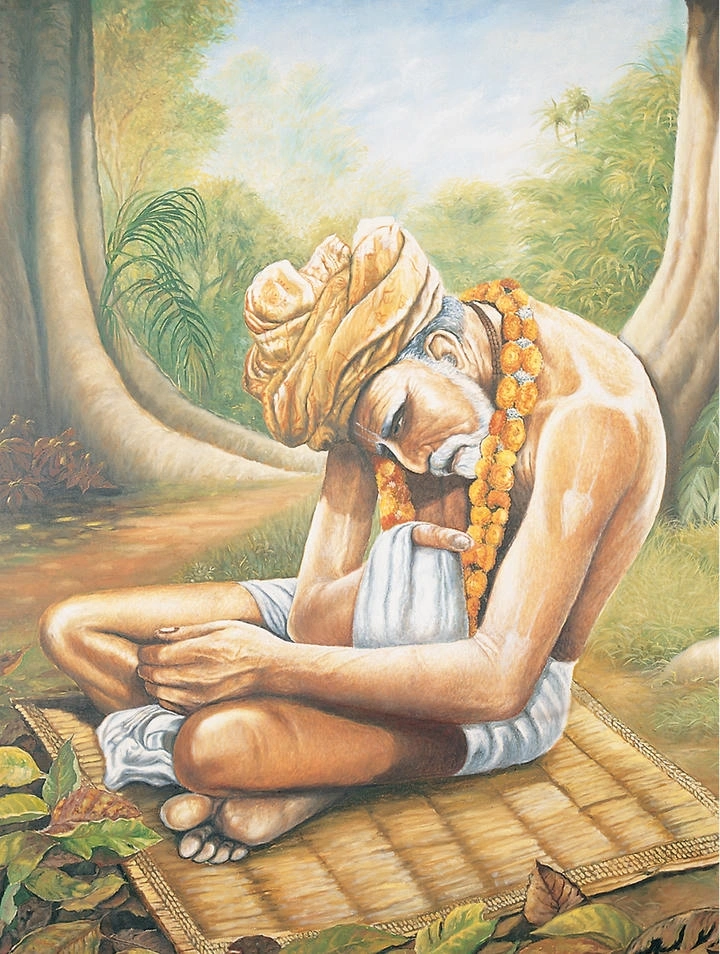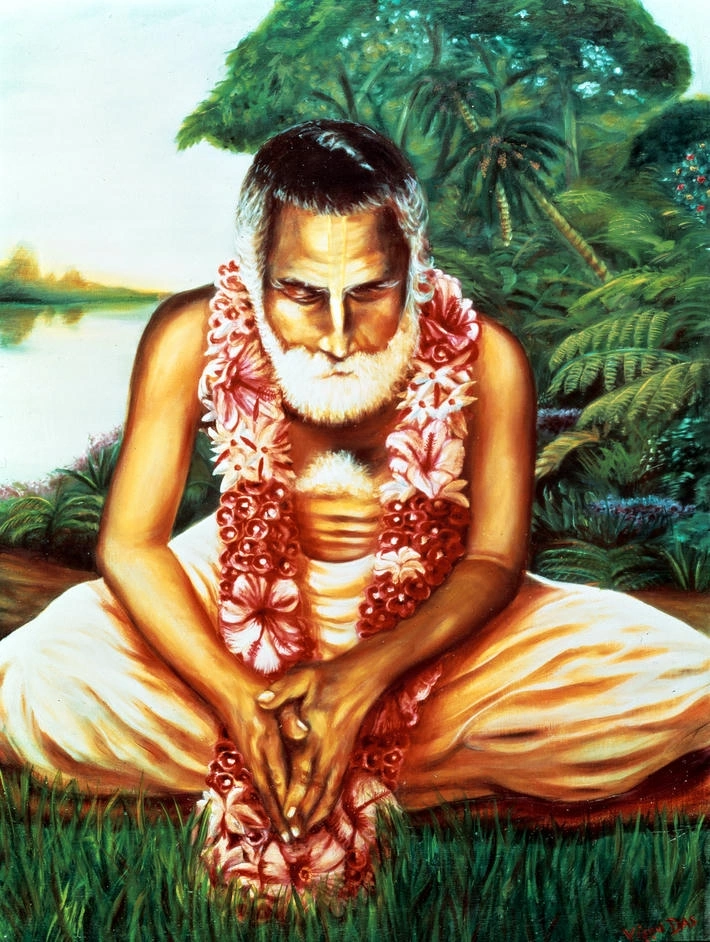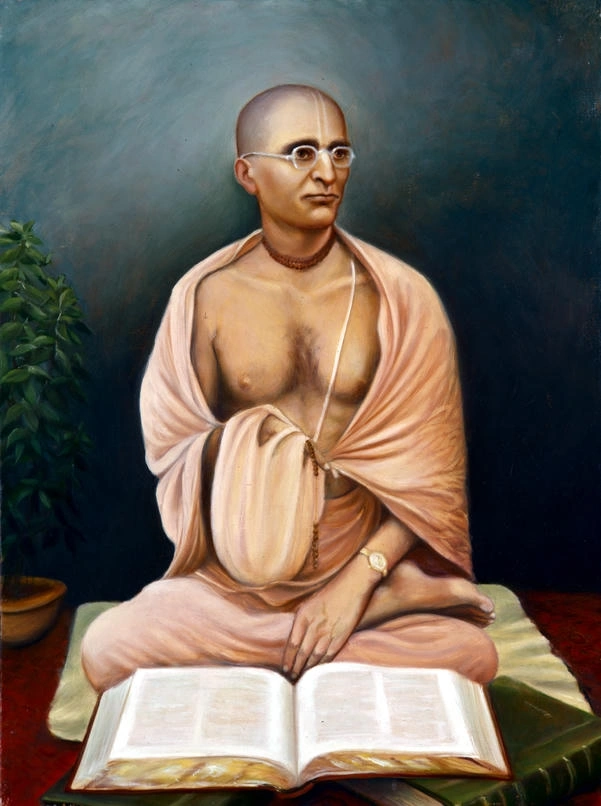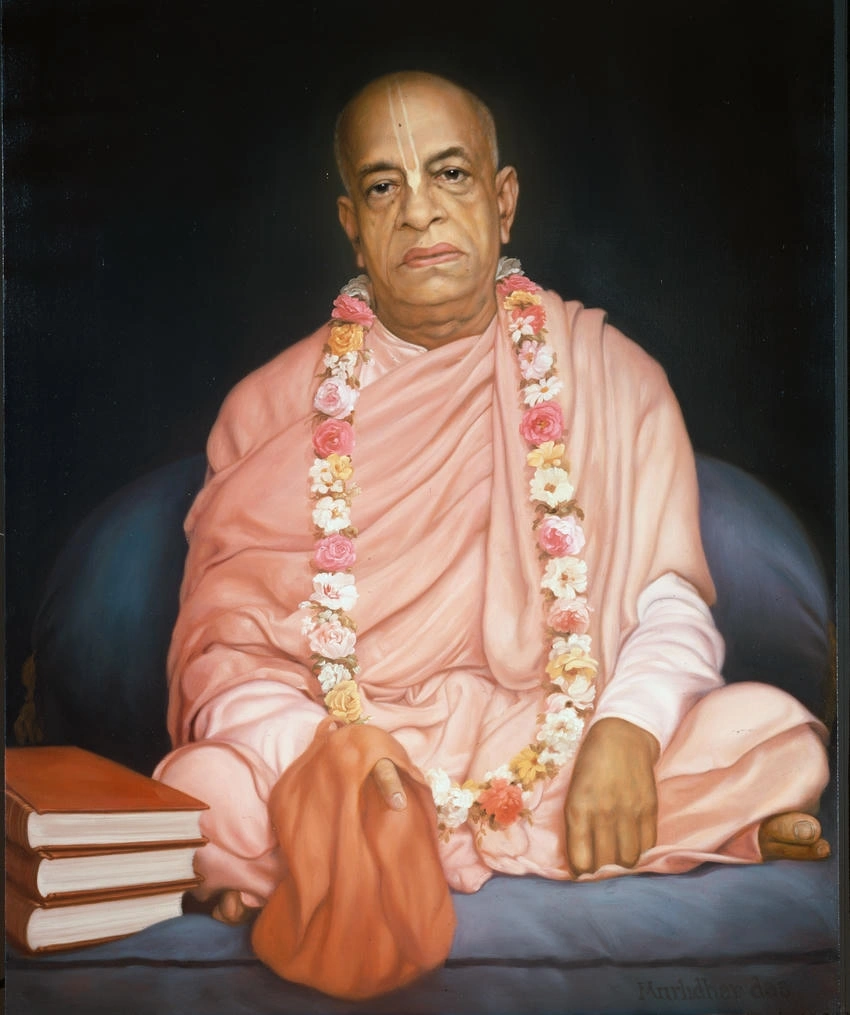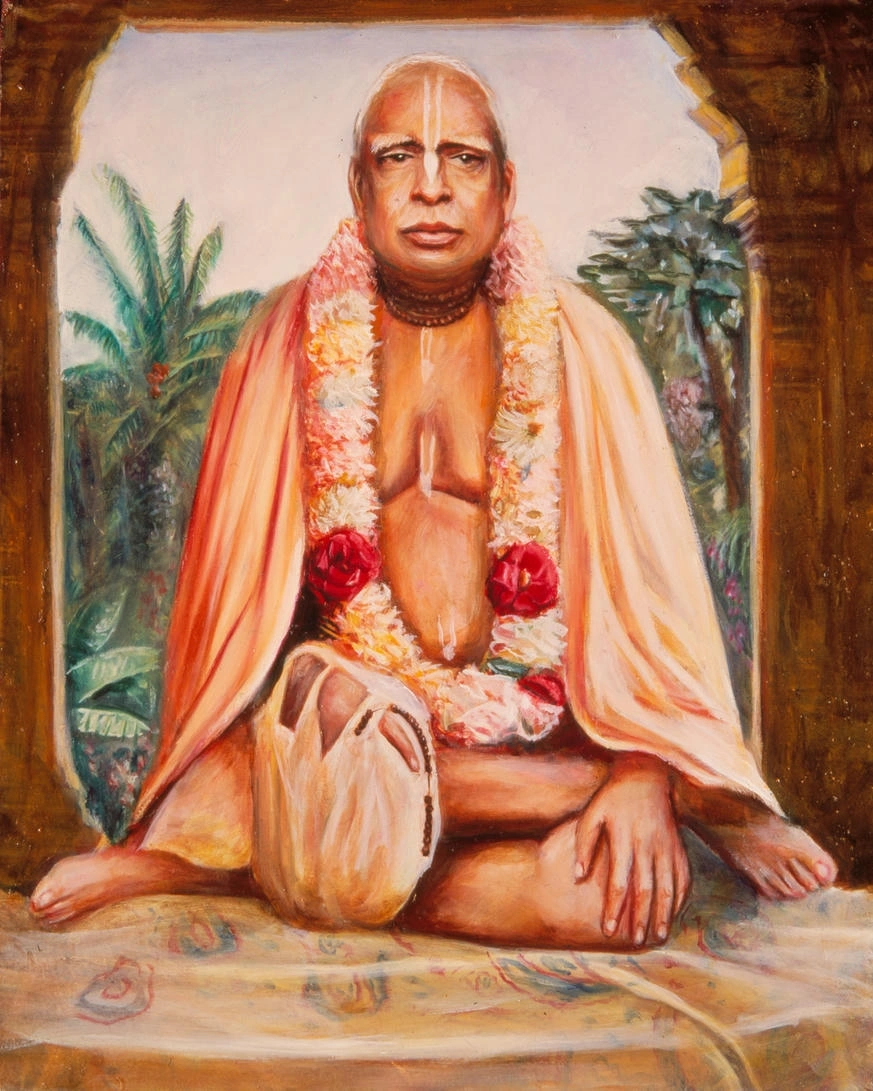
Srila Bhaktivinoda Thakura
The Seventh Goswami
Also known as Kedarnath Datta, Kedaranatha Datta
“I am eternally the servant of Krishna and I have now, by His grace, obtained service in the matter of publishing spiritual books.”
Srila Bhaktivinoda Thakura, Svalikhita-jivani (autobiography)
namo bhaktivinodāya sac-cid-ānanda-nāmine
gaura-śakti-svarūpāya rūpānuga-varāya te
"I offer my respectful obeisances unto Sri Saccidananda Bhaktivinoda Thakura, who is the personified transcendental energy of Sri Chaitanya Mahaprabhu. He is a devoted follower of Srila Rupa Gosvami and the Gosvamis who follow him."
Srila Bhaktivinoda Thakura (1838-1914) rescued this Gaudiya Vaishnava line from three centuries of decline. This line is the very teaching of Sri Chaitanya Mahaprabhu. He put it on a path that would carry it to the entire world within two generations. He was born Kedarnath Datta in the Bengali village of Ula. For most of his working life he served as a respected magistrate in British India's judicial service. Alongside that career he wrote more than one hundred books, essays and songs, and together they reconstructed Gaudiya Vaishnava theology for the modern age. Without Bhaktivinoda Thakura there would have been no Gaudiya Math for his son Bhaktisiddhanta Sarasvati Thakura to found. And without the Gaudiya Math there would have been no ISKCON for Srila Prabhupada to carry to the West. The guru-parampara page here traces that direct line.
Early Life and Education #
He was born Kedarnath Datta on 2 September 1838 at Ula (present-day Birnagar), Bengal. His parents were Ananda Chandra Datta and Jagat Mohini Devi, and the family belonged to the Datta kayastha lineage, which traced its own Vaishnava roots back to an associate of Nityananda Prabhu. Tragedy struck the family again and again: three brothers died, and then his father died of cholera too. His widowed mother was left to raise him in real hardship at her own father's house. Even so, he received an excellent education, first at village schools and then at Hindu College in Calcutta. There, in the lively years of the Bengal Renaissance, he mixed with the same circle of thinkers and writers as Ishwar Chandra Vidyasagar and Bankim Chandra Chattopadhyay. He read Western philosophy and comparative religion with the same seriousness he brought to Vaishnava scripture. The full account of his birth, family and education is told here.
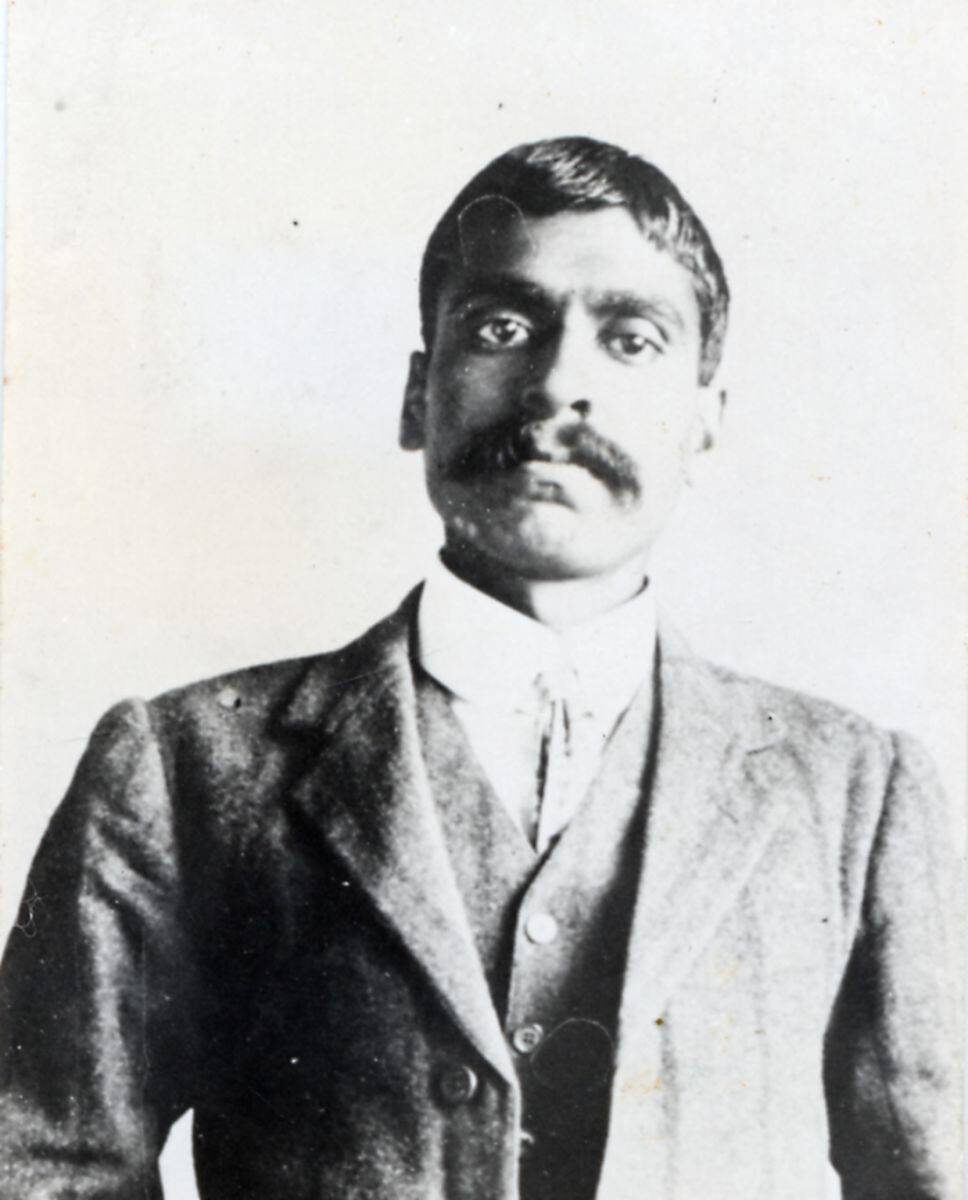
Career in the Judicial Service #
At eighteen he began teaching in rural Bengal and Orissa. In 1866 he entered the judicial service of the British Raj, and over nearly three decades he rose to the rank of District Magistrate before retiring in 1894. It was this government career, not a life as a monk, that took him to Jagannatha Puri. He served there as deputy magistrate from 1870 to 1875. This posting was very important. His devotional life deepened there, and there a strange, worn-out manuscript first came into his hands. His years in government service, including the Puri posting, are covered here.
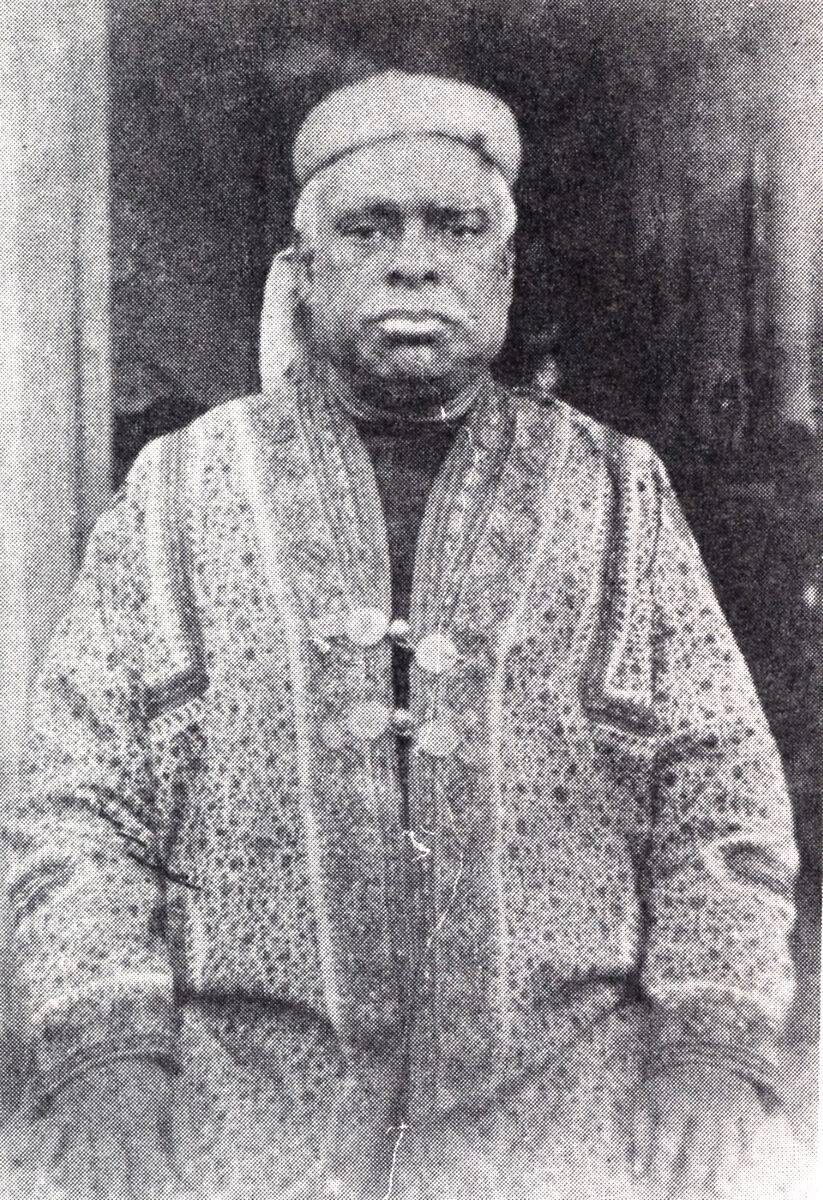
Reviving the Textual and Spiritual Tradition #
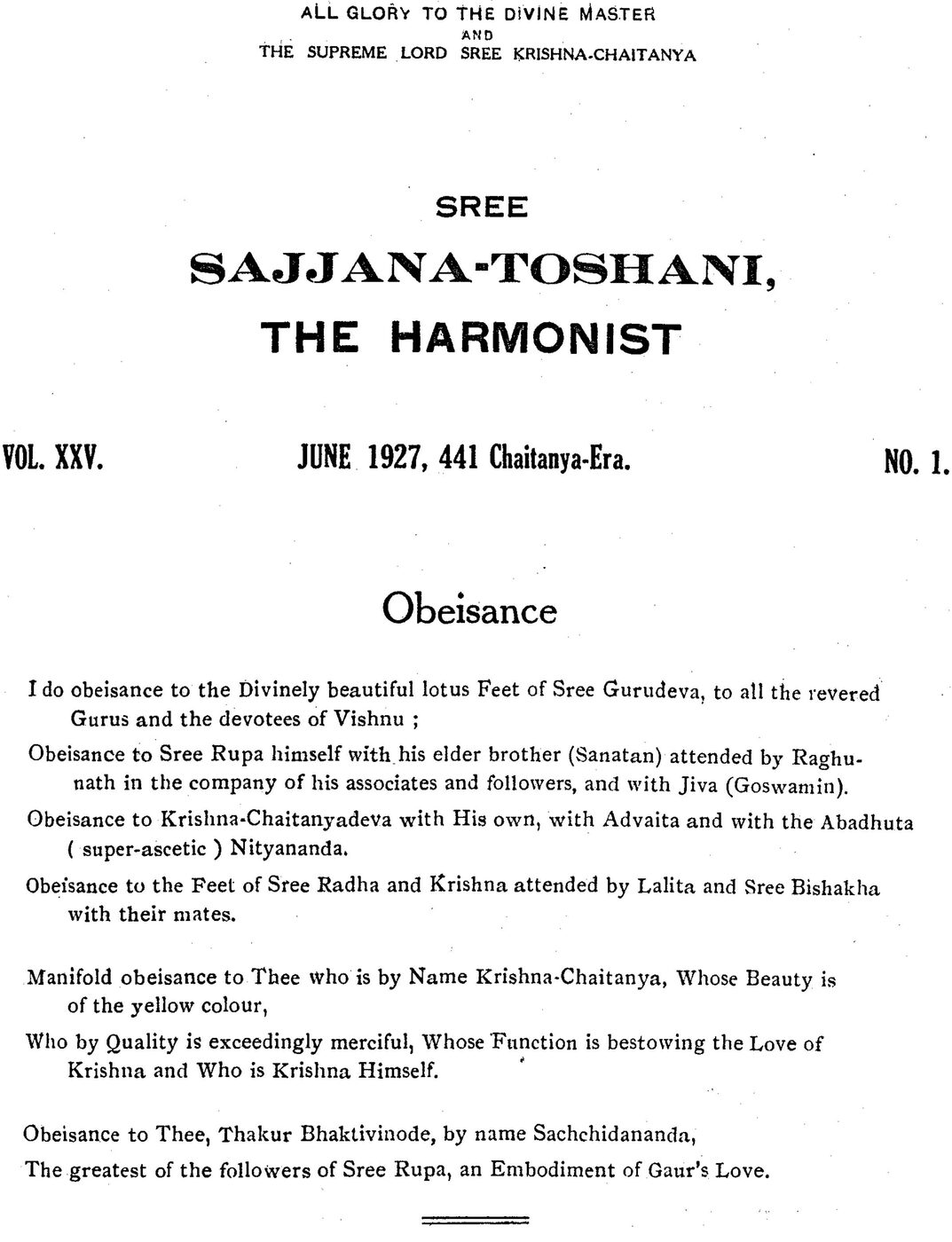
From the 1870s onward Bhaktivinoda Thakura began the great work of writing and publishing for which he is mainly remembered. He recovered, edited and printed rare Gaudiya Vaishnava manuscripts that had fallen out of use and become hard to find. He also wrote his own works of theology, biography and devotion, among them Krishna-samhita, Chaitanya-siksamrta, Jaiva Dharma and the song collection Saranagati. He wrote them in prose and verse, in a way meant to reach educated, Western-influenced Bengalis on their own terms. His major writings and the reasoning behind his approach are discussed here. He also used his magazine Sajjana-tosani for a related campaign, identifying and refuting the apasampradayas. These were thirteen sects that had gone away from the true teaching. From the outside they looked like Vaishnavism, but in his judgement they taught almost nothing that Chaitanya Mahaprabhu had actually taught.
Discovering Mayapur and the Nama-hatta #
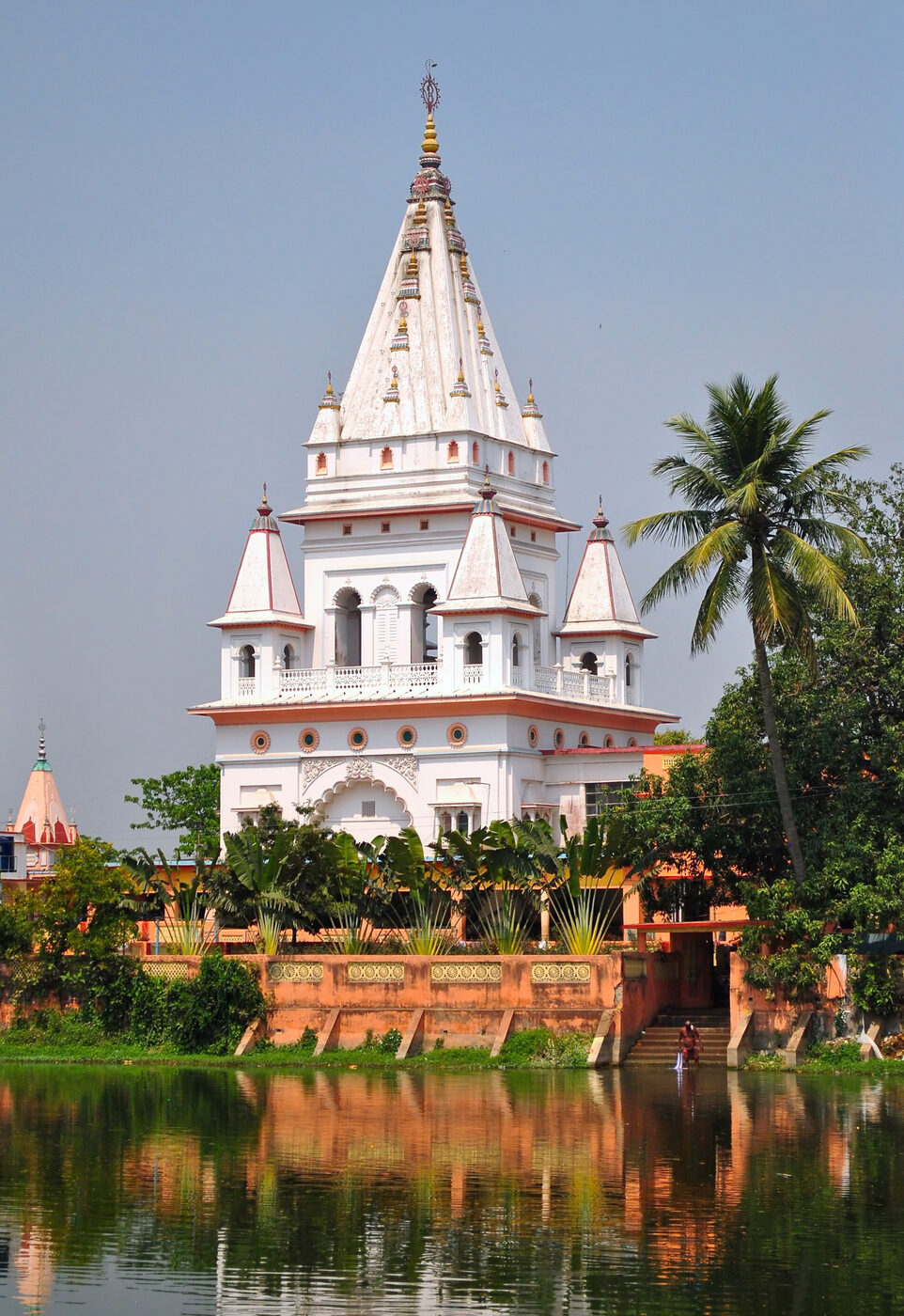
In 1887, acting on textual and local evidence, he identified a site at Mayapur as the birthplace of Sri Chaitanya Mahaprabhu. The claim is now accepted throughout the Gaudiya world, and it is the reason Mayapur is what it is today. He also organised the Nama-hatta, a "marketplace of the holy name," and sent preachers into the Bengali countryside to distribute Vaishnava literature and lead congregational chanting. This was done outside the control of any priestly families who claimed religious work as their right by birth. Both projects are described in detail here.
Family and Household Life #
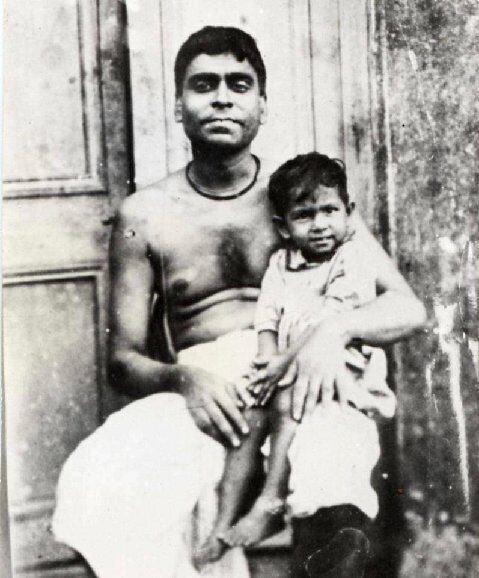
He married twice. As a boy, in the customary arranged marriage of his time, he married Shyamani Mitra; later he married Bhagavati Devi, with whom he raised a large family. Several of his children became important figures. The most important of them was Bimala Prasad, who would become Srila Bhaktisiddhanta Sarasvati Thakura. His household life and children are covered here.
Correspondence With the West and Final Years #
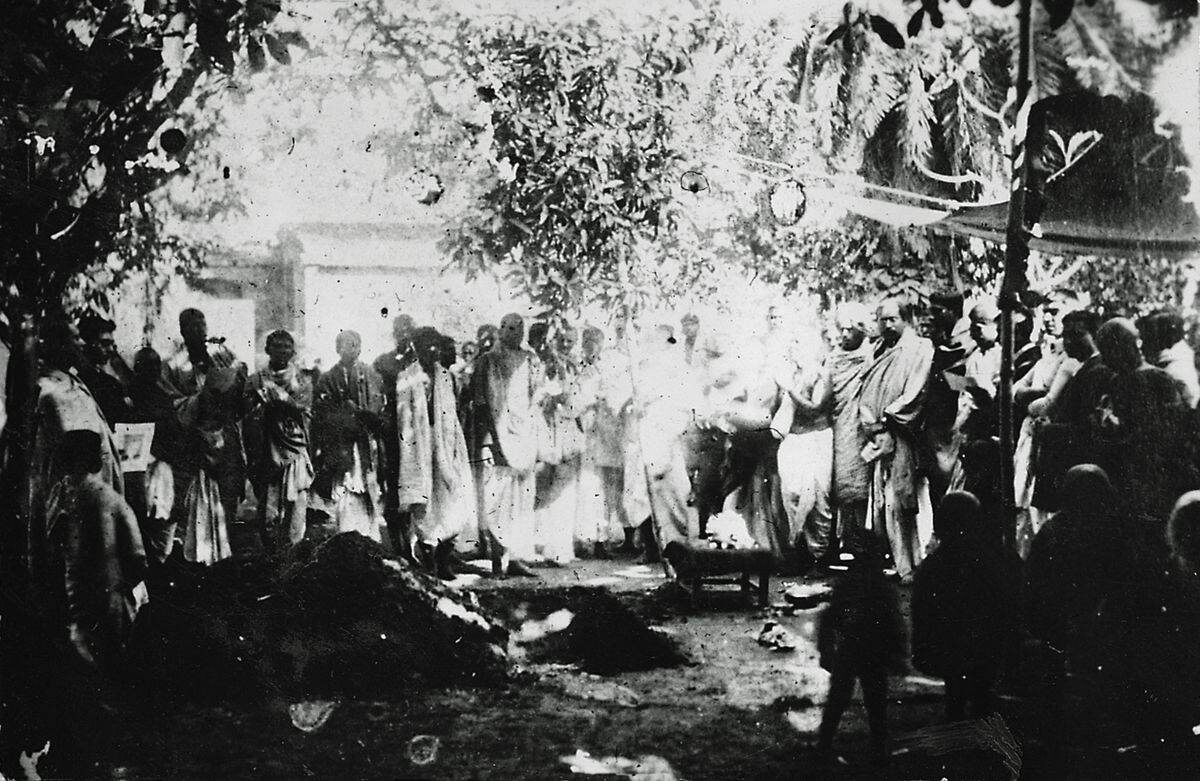
In his last years he corresponded with Western scholars and religious societies. He sent them copies of his books, hoping that Krishna consciousness would one day be preached beyond India, a hope that was realised only decades later. That outward-looking final period, and his disappearance in 1914, is told here.
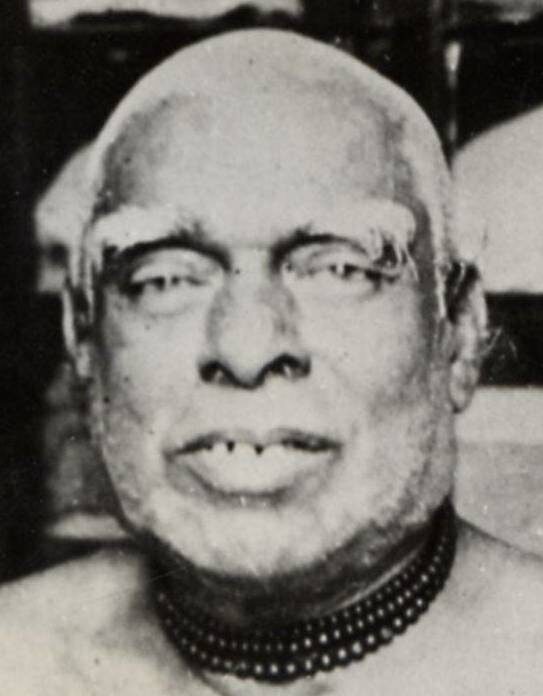
Gaudiya Vaishnavas honour him with the title "the seventh Goswami." This ranks him alongside the original Six Goswamis of Vrindavana, whom Sri Chaitanya Mahaprabhu personally appointed to write the philosophical foundation of the movement. Rupa Vilasa Dasa also used this title for his full-length biography of Bhaktivinoda Thakura. It is one of several sources this section draws upon.
Songs in the Vaishnava Song Book #
The Vaishnava Song Book here carries 283 songs attributed to Srila Bhaktivinoda Thakura. See the full author page here.
Frequently asked
When was Srila Bhaktivinoda Thakura born?
Srila Bhaktivinoda Thakura appeared 2 September 1838 in Ula (Birnagar), Nadia district, Bengal.
Who was the guru of Srila Bhaktivinoda Thakura?
The spiritual master of Srila Bhaktivinoda Thakura was Srila Jagannatha Dasa Babaji.
When and where did Srila Bhaktivinoda Thakura disappear?
Srila Bhaktivinoda Thakura disappeared 23 June 1914, at the age of 75 at Calcutta, Bengal.
What are the main pastimes of Srila Bhaktivinoda Thakura?
The pastimes covered here include: Birth and Early Life, The Magistrate and the Manuscript, Literary Works, Mayapur and the Nama-hatta, Opposing the Apasampradayas, Family and Household Life, Final Years and Disappearance.