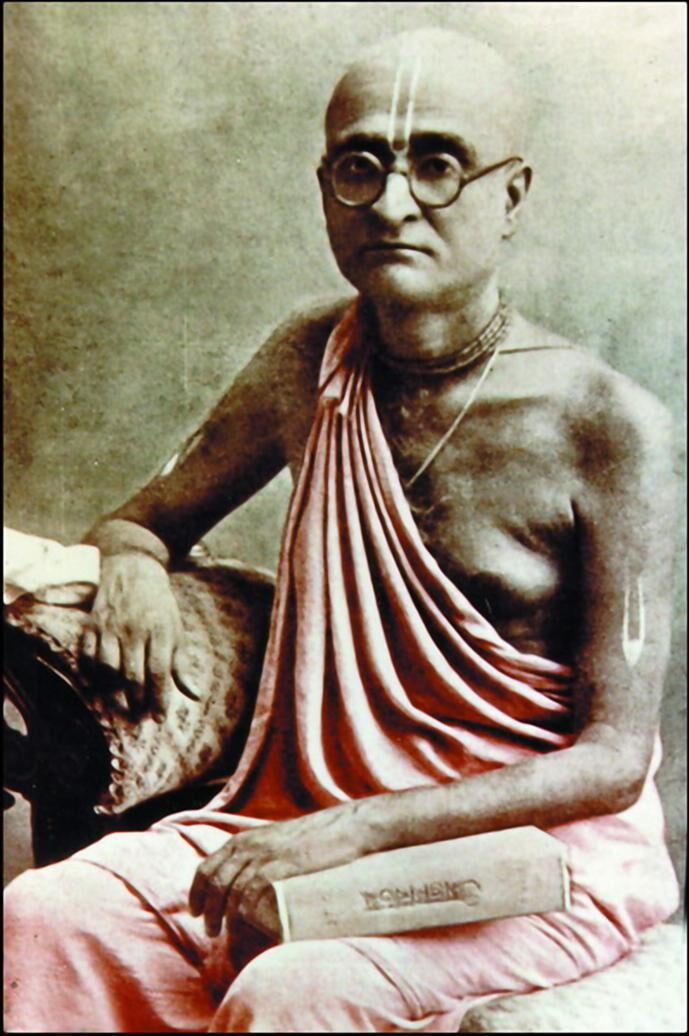
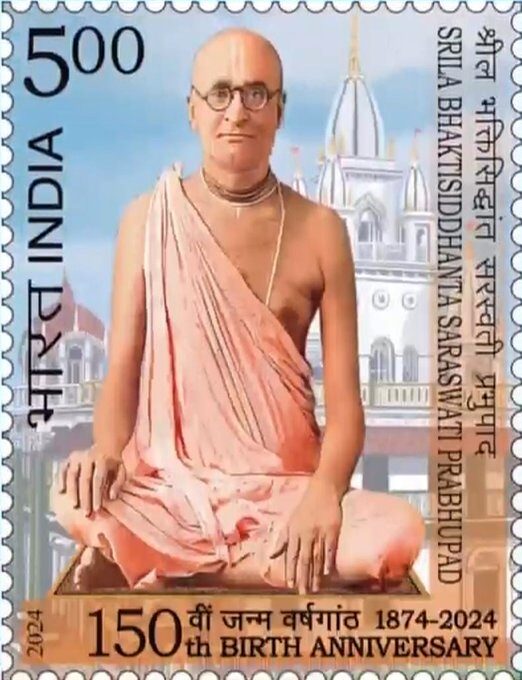
Srila Bhaktisiddhanta Sarasvati Thakura
Founder of the Gaudiya Math
Also known as Bimala Prasad Datta, Siddhanta Sarasvati, Varshabhanavi-devi-dayita Dasa
“Print. Print. Print.”
Srila Bhaktisiddhanta Sarasvati Thakura's characteristic instruction on preaching through the printed word
nama om vishnu-padaya krishna-preshthaya bhu-tale
shrimate bhaktisiddhanta-sarasvatiti namine
I offer my respectful obeisances unto His Divine Grace Bhaktisiddhanta Sarasvati, who is very dear to Lord Krishna, having taken shelter at his lotus feet.
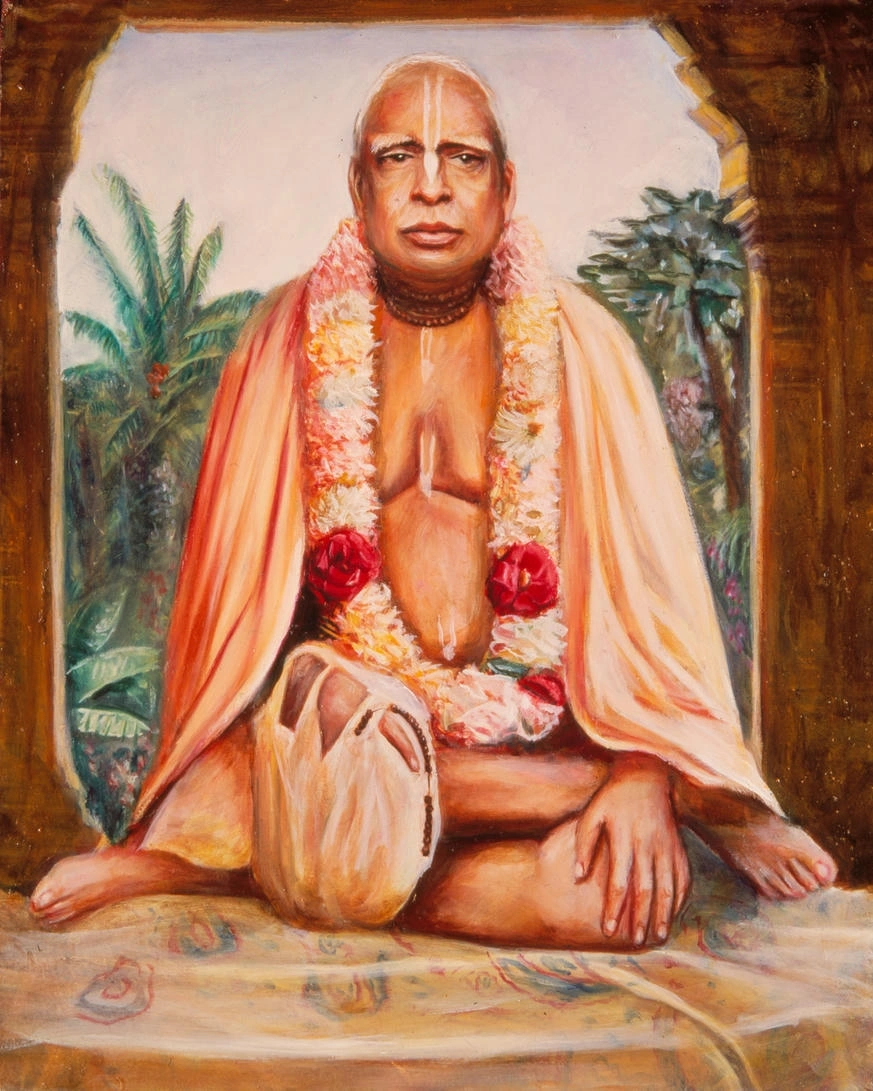
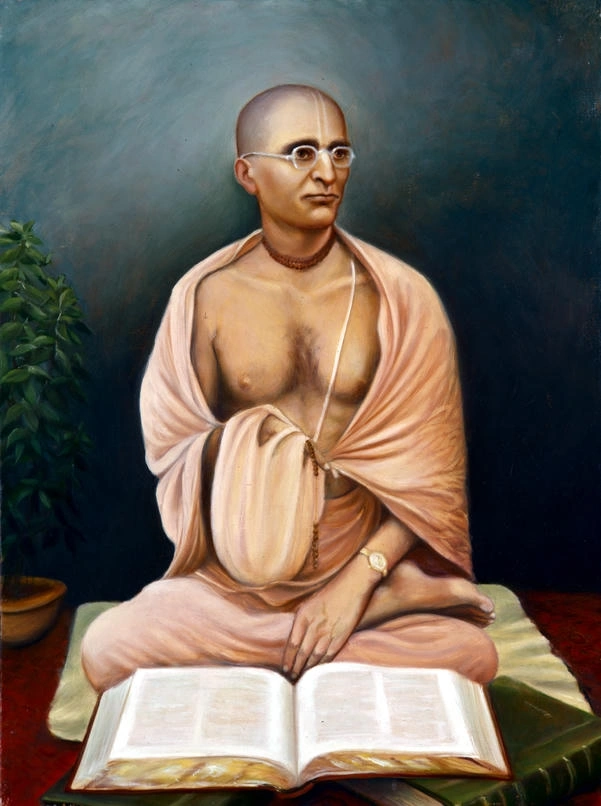
Srila Bhaktisiddhanta Sarasvati Thakura (1874-1937) is the founder of the Gaudiya Math and the direct spiritual master of Srila Prabhupada. Through this acharya, Bhaktivinoda Thakura's vision of a worldwide Krishna consciousness movement gained a real institution, a printing press, and a disciple able to carry it to America. He was born Bimala Prasad, the son of Bhaktivinoda Thakura. He joined his father's reforming vision with his own careful scholarship and strong discipline in organising. The entire history of ISKCON goes back to one instruction he gave, as Srila Prabhupada's own account of that meeting describes: "Why don't you take the message of Chaitanya Mahaprabhu and spread it in English?"
Birth and a Prodigious Childhood #
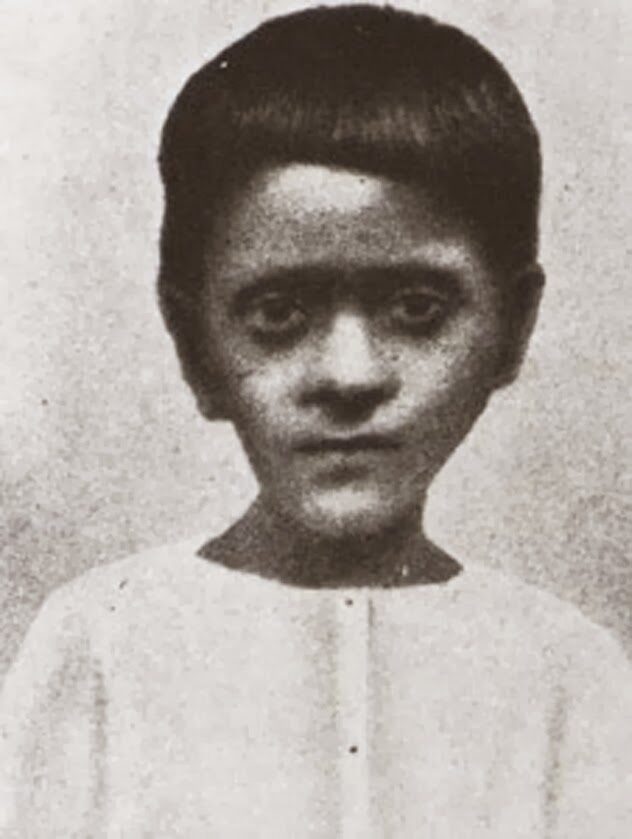
He was born Bimala Prasad at 3:30 in the afternoon of 6 February 1874 in Puri, near the Jagannatha temple, to Bhaktivinoda Thakura and his wife Bhagavati Devi. From an early age he had an extraordinary memory and a great ability to study. It is reported that as a young boy he could recite the entire Bhagavad-gita from memory. He also mastered Sanskrit grammar, astronomy and philosophy well ahead of his years. His birth and childhood are told in full here.
Education and Early Scholarship #
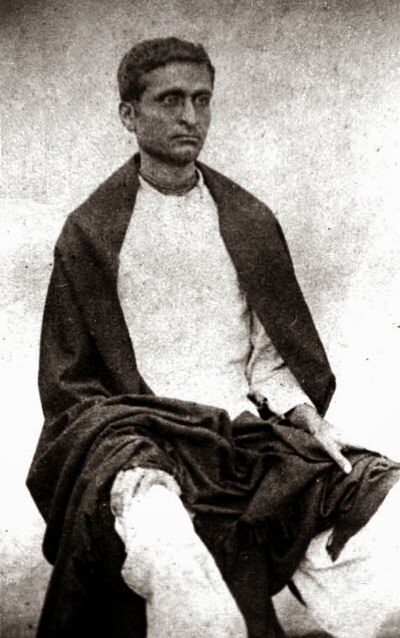
He studied at Sanskrit College in Calcutta and graduated in 1895. He knew traditional Indian learning as well as Western subjects. Because of this, the learned circles of Calcutta gave him the title "Siddhanta Sarasvati," meaning "the pinnacle of wisdom," while he was still a young man. His education and the origin of that title are covered here.
Initiation from Gaura Kishora Dasa Babaji #
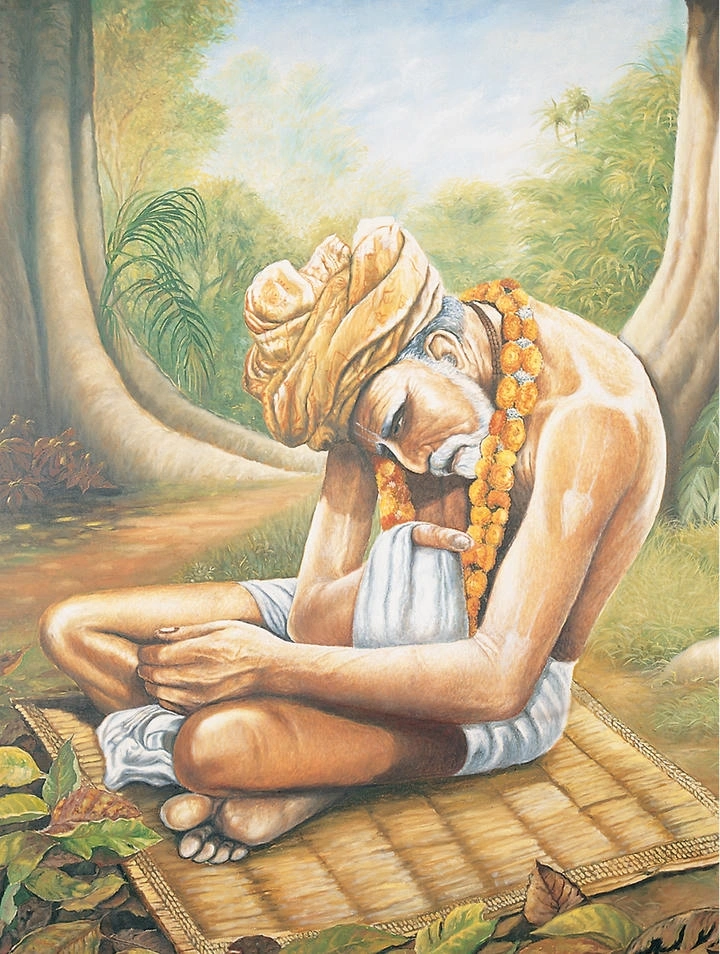
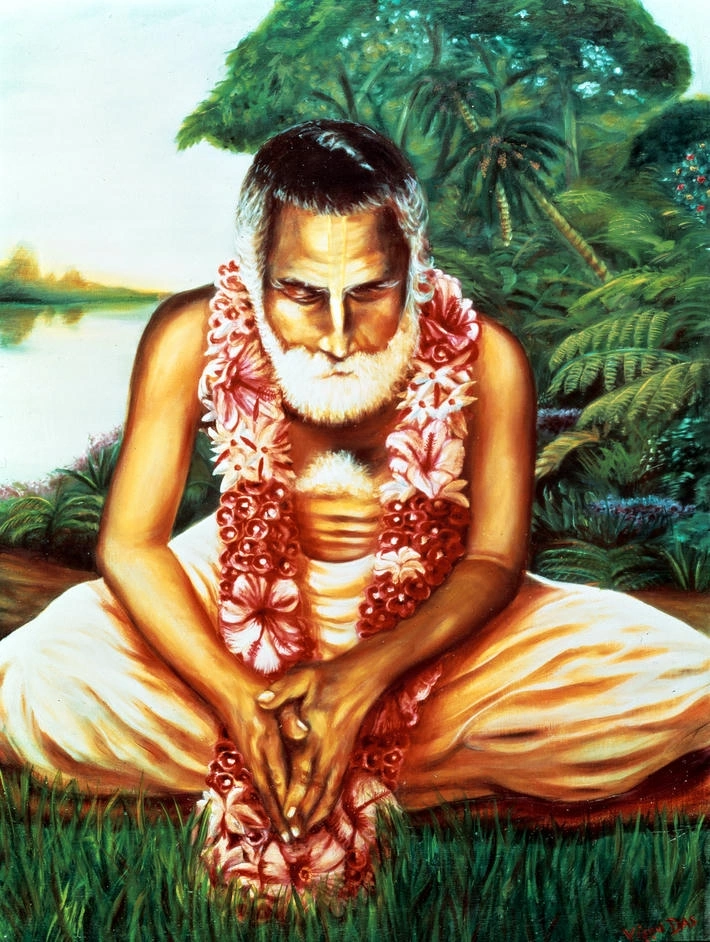
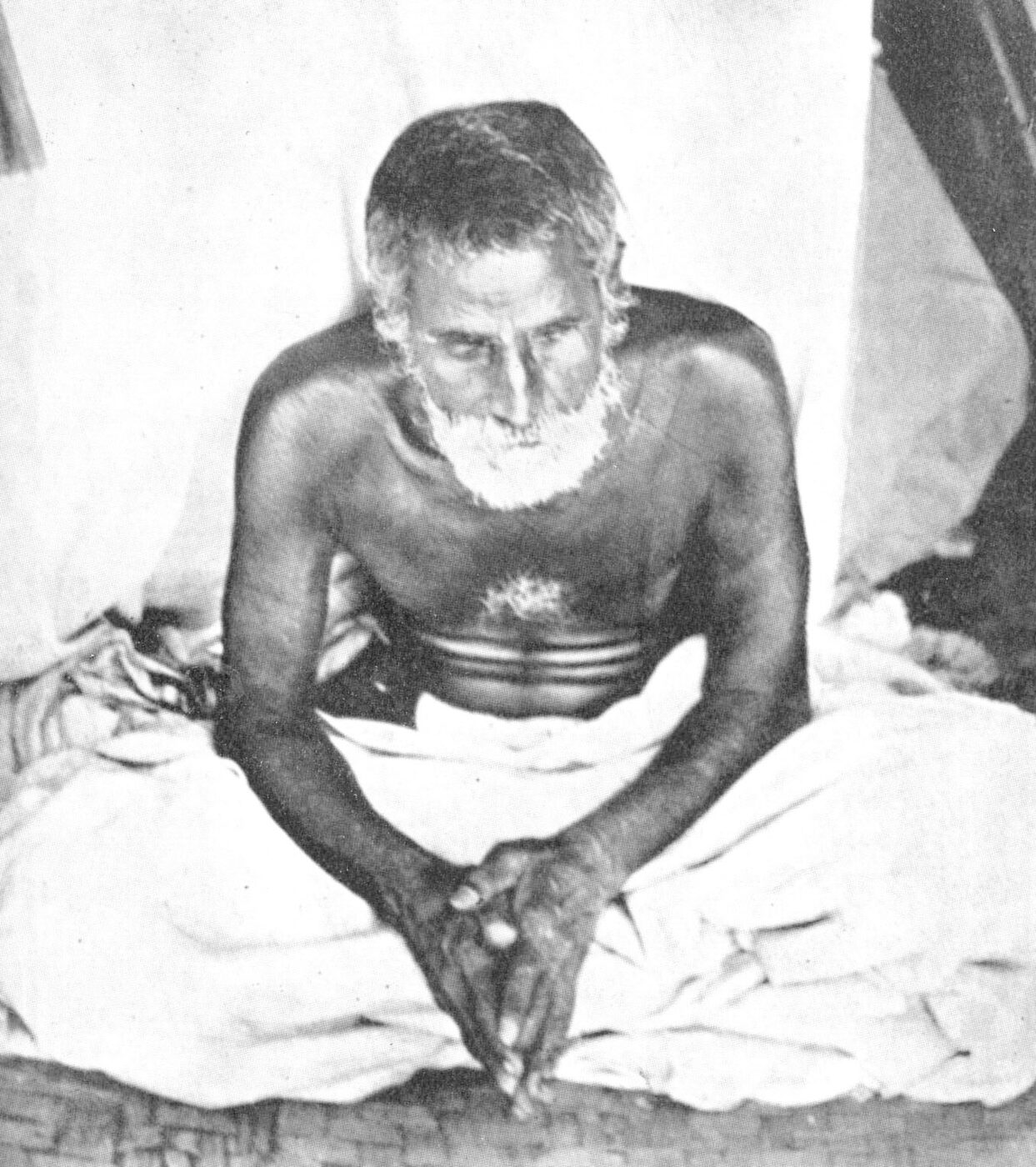
In 1900 he sought out the solitary renunciant Srila Gaura Kishora Dasa Babaji and received initiation from him. This decision startled the educated upper class of Calcutta. They could not understand why such an accomplished scholar would take initiation from a wandering babaji who seemed unable to read or write. The story of that initiation, and what it reveals about both men, is told here.
Founding the Gaudiya Math #
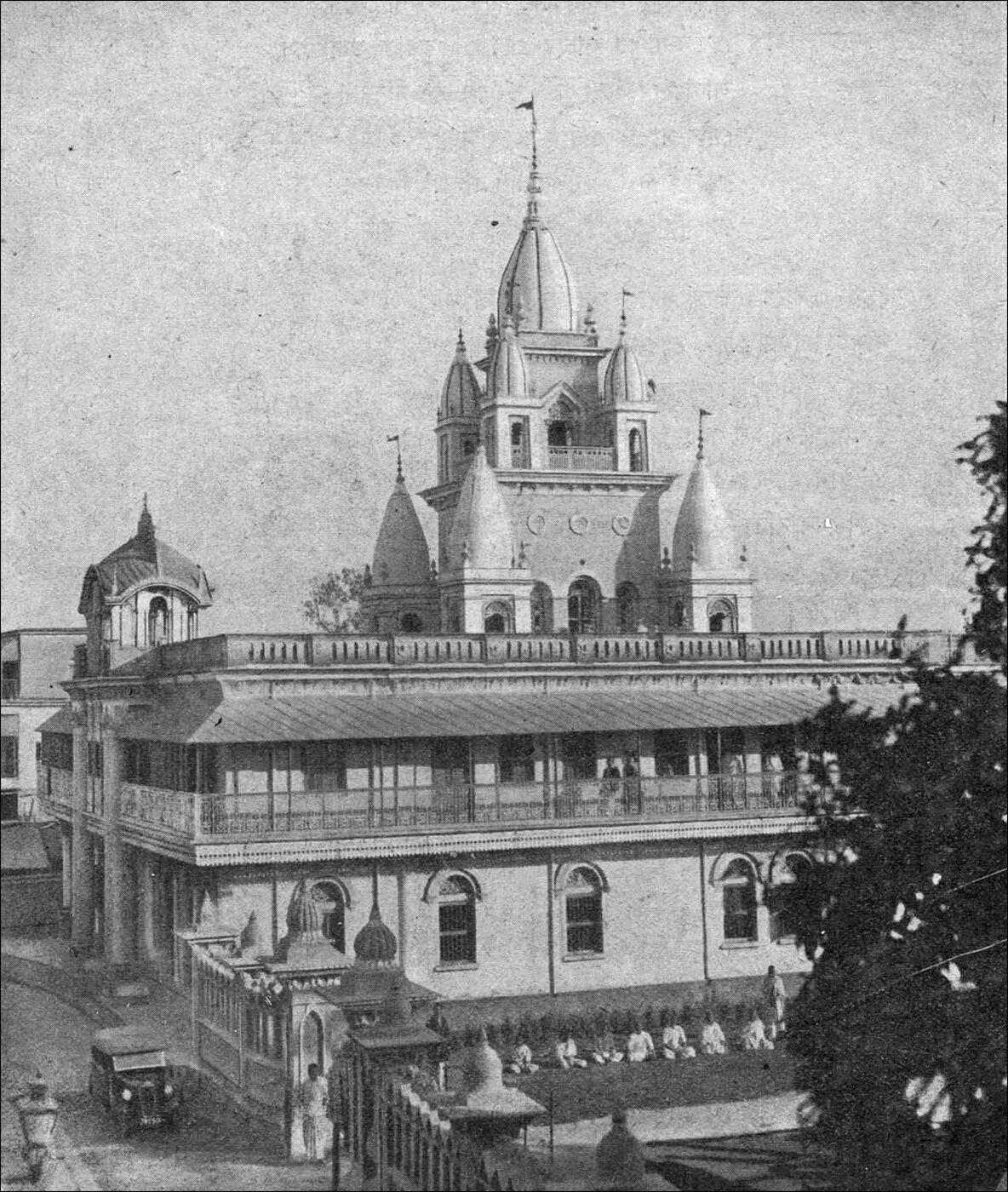
His father died in 1914, and his spiritual master in 1915. In 1918 Bhaktisiddhanta Sarasvati accepted the sannyasa order in an unusual way. He accepted it sitting before a photograph of his spiritual master, Gaura Kishora Dasa Babaji. He also founded the first centre of what would grow into the Gaudiya Math. In time, this institution had sixty-four branches across India and abroad. The founding and growth of the Gaudiya Math is described here.
The Printing Press as Preaching #
He was famous for the declaration that a printing press was a more effective mridanga (drum) for spreading the holy name than the instrument itself, and he built an extensive publishing operation to produce Vaishnava literature, journals and his own extensive commentaries. His approach to books and preaching through the printed word is covered here.
Confronting Caste and Deviation #
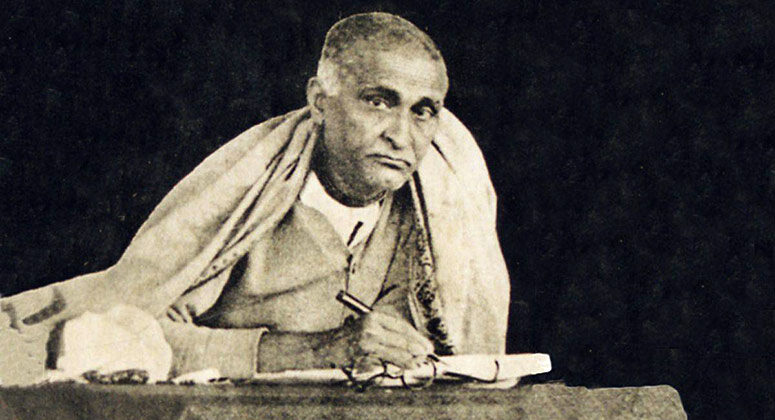
He spoke out strongly against caste-based discrimination among some brahmana communities. In his view, this discrimination was only pretending to have the authority of scripture. He was just as firm toward Gaudiya lineages that he judged had moved away from Chaitanya Mahaprabhu's original teaching. This more forceful side of his mission is discussed here.
Meeting the Young Abhay Charan De #
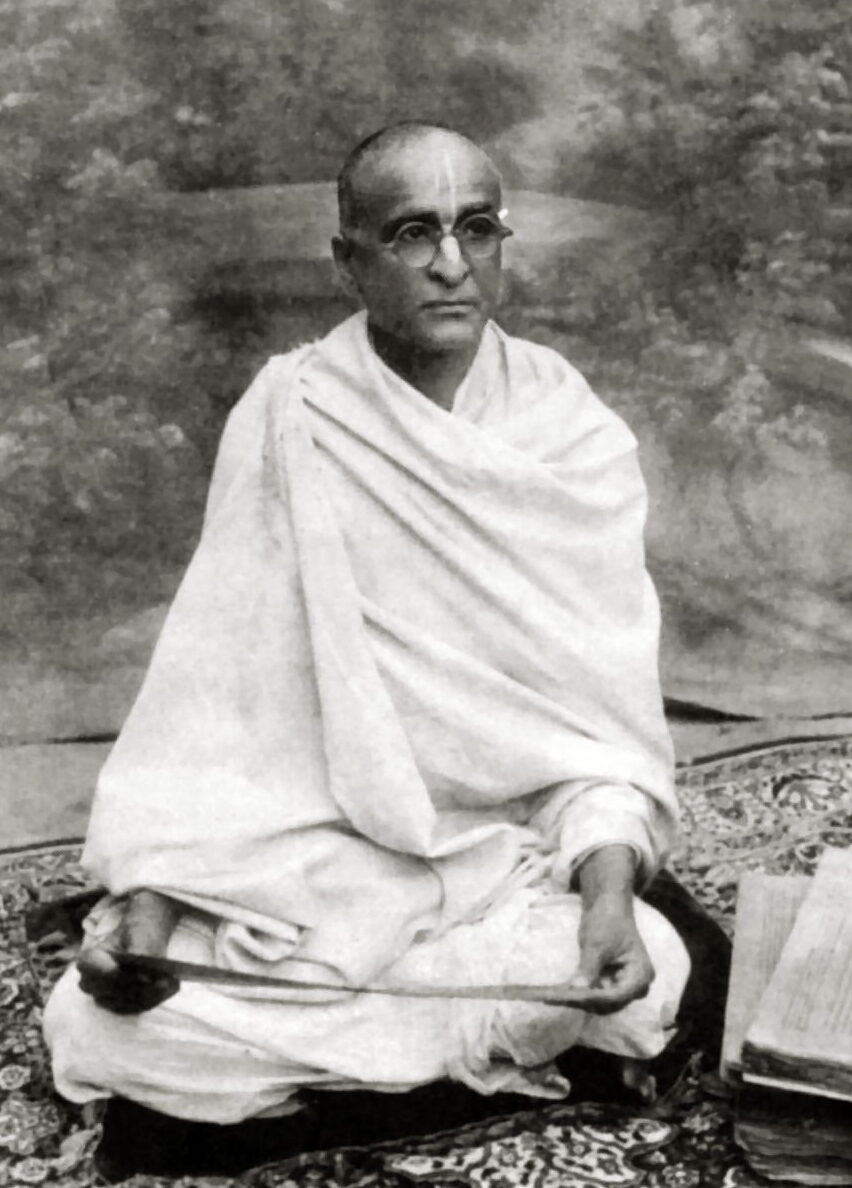
In 1922 a young Calcutta man named Abhay Charan De, then working as a manager at a pharmaceutical firm, was brought to meet him. That day Bhaktisiddhanta Sarasvati told him to take Chaitanya Mahaprabhu's message and preach it in English. This instruction set in motion everything that would become ISKCON four decades later. That meeting is described here from Bhaktisiddhanta Sarasvati's side. It adds to Srila Prabhupada's own account of the same event.
Final Years and Disappearance #
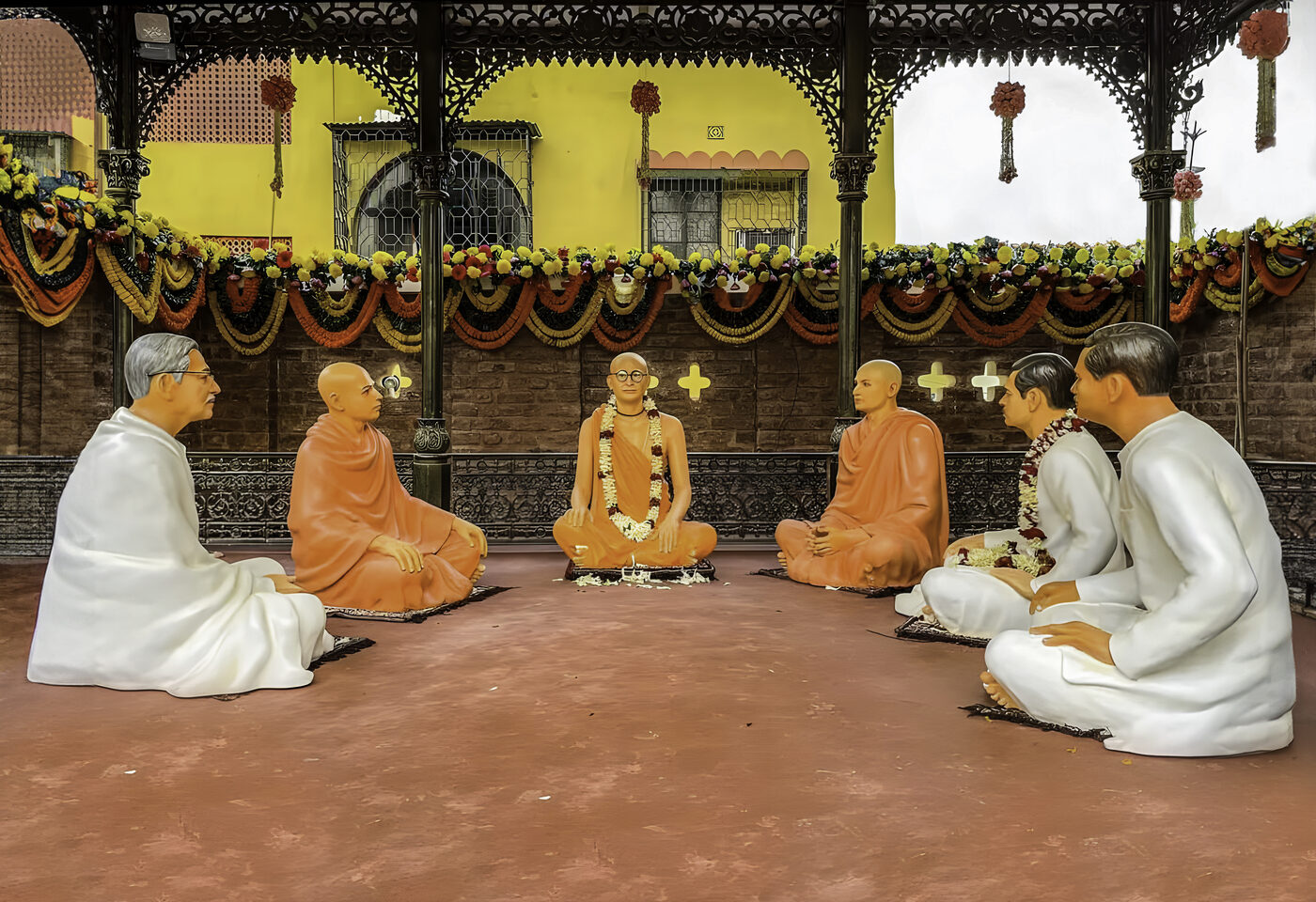
He disappeared from this world on 1 January 1937. Two weeks earlier he had written to Abhay Charan De, urging him to teach Gaudiya Vaishnavism in English. Srila Prabhupada kept this letter for the rest of his life. His final years and disappearance are told here.
Songs in the Vaishnava Song Book #
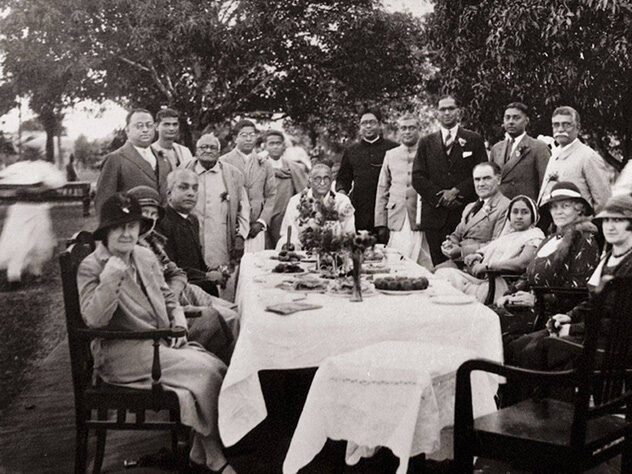
The Vaishnava Song Book carries 2 songs attributed to Srila Bhaktisiddhanta Sarasvati Thakura. See the full author page here.
Disciples
Frequently asked
When was Srila Bhaktisiddhanta Sarasvati Thakura born?
Srila Bhaktisiddhanta Sarasvati Thakura appeared 6 February 1874, 3:30 pm in Puri, Odisha.
Who was the guru of Srila Bhaktisiddhanta Sarasvati Thakura?
The spiritual master of Srila Bhaktisiddhanta Sarasvati Thakura was Srila Gaura Kishora Dasa Babaji.
When and where did Srila Bhaktisiddhanta Sarasvati Thakura disappear?
Srila Bhaktisiddhanta Sarasvati Thakura disappeared 1 January 1937, at the age of 62 at Calcutta, Bengal Presidency.
What are the main pastimes of Srila Bhaktisiddhanta Sarasvati Thakura?
The pastimes covered here include: Birth and a Prodigious Childhood, Education and the Title Siddhanta Sarasvati, Initiation from Gaura Kishora Dasa Babaji, Founding the Gaudiya Math, The Printing Press as Mridanga, Confronting Caste and Deviation, Meeting the Young Abhay Charan De, Final Years and Disappearance.