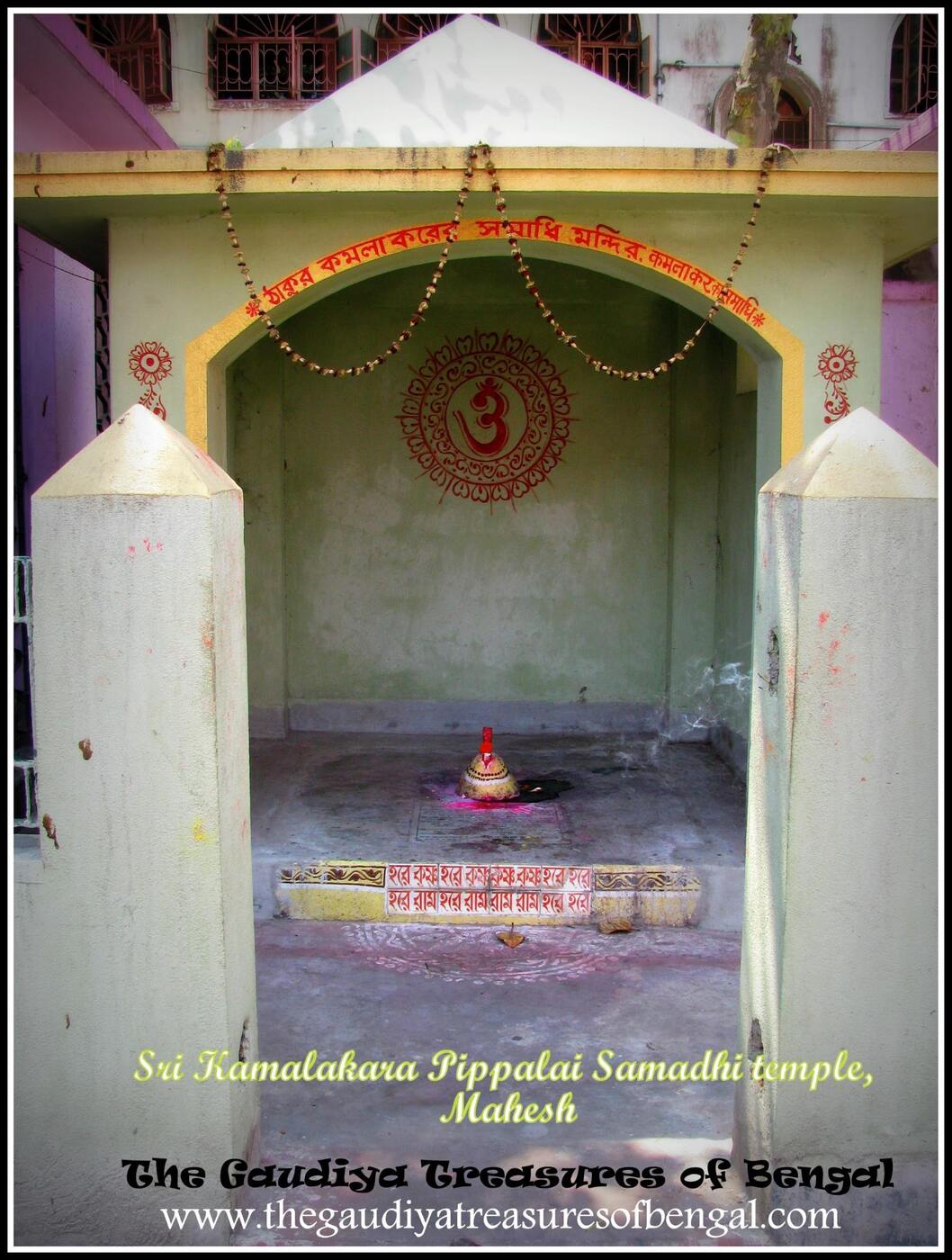
महेश में जगन्नाथ, बलराम और सुभद्रा की सेवा में स्थायी रूप से स्थिर हो जाने का यह अर्थ नहीं था कि कमलाकर पिप्पलाई श्री चैतन्य महाप्रभु और नित्यानन्द प्रभु के अनुयायियों के व्यापक समुदाय से अलग हो गए। वैष्णव इतिहास-ग्रन्थ उन्हें उस समुदाय के कई अत्यन्त महत्वपूर्ण सम्मेलनों में उपस्थित बताते हैं, और अन्ततः उनके अपने परिवार को सीधे नित्यानन्द प्रभु के परिवार से जोड़ते हैं।
पानिहाटी, खेतुरी और कटवा #
कमलाकर पिप्पलाई को पानिहाटी में हुए दण्ड-महोत्सव में उपस्थित बताया गया है। इस उत्सव में नित्यानन्द प्रभु के अपने आदेश पर रघुनाथ दास गोस्वामी ने वहाँ एकत्र वैष्णवों में चिड़वा और दही बाँटा था। यह एक प्रकार का आनन्दमय दण्ड था। यह प्रसंग पूरी गौड़ीय वैष्णव परम्परा के सबसे प्रिय प्रसंगों में से एक है। कमलाकर पिप्पलाई का नाम नरोत्तम दास ठाकुर द्वारा खेतुरी में आयोजित महान उत्सव में उपस्थित भक्तों में भी आता है। वे कटवा में हुए एक और उत्सव में भी थे, जो किसी भक्त के तिरोभाव-दिवस के उपलक्ष्य में आयोजित हुआ था। वैष्णव इतिहास खेतुरी के उत्सव को एक ऐतिहासिक सम्मेलन के रूप में याद करता है, जिसमें पूरे बंगाल से भक्त एक साथ आए थे। बाद के एक संकलन, विजय-खण्ड, के बारे में बताया जाता है कि उसमें लिखा है कि नित्यानन्द प्रभु ने किसी समय स्वयं पानिहाटी की देखभाल कमलाकर पिप्पलाई को सौंपी थी। यह दावा केवल इसी एक ग्रन्थ पर आधारित है, और किसी दूसरे स्रोत से इसकी जाँच नहीं की जा सकती। यह बात उस दण्ड-महोत्सव से अलग है, जिसमें वे वहाँ उपस्थित थे और जिसका विवरण अधिक अच्छी तरह दर्ज है।
गौड़ीय वैष्णव अभिधान के अनुसार, कमलाकर पिप्पलाई का नाम भक्ति-रत्नाकर में भी मिलता है। यह नरहरि चक्रवर्ती ठाकुर का लिखा एक विस्तृत इतिहास-ग्रन्थ है, जो चैतन्य महाप्रभु के बाद की पीढ़ी के वैष्णवों के बारे में है। इसके एक प्रसंग में उन्हें नित्यानन्द प्रभु की पत्नी जाह्नवा माता से जोड़ा गया है। गौड़ीय वैष्णव इतिहास के इस समय तक जाह्नवा माता पूरे भक्त-समुदाय को एक साथ जोड़ने वाली केन्द्रीय व्यक्ति बन चुकी थीं। वे बड़े-बड़े उत्सवों की अध्यक्षता करती थीं, और गृहस्थ तथा वैरागी, दोनों उनका आदर करते थे। स्पष्ट है कि कमलाकर पिप्पलाई उनके मण्डल का हिस्सा थे। इससे पता चलता है कि महेश में अपनी सेवा में स्थिर रहते हुए भी वे व्यापक आन्दोलन से जुड़े रहे।
नित्यानन्द प्रभु के अपने परिवार से विवाह-सम्बन्ध #
कमलाकर पिप्पलाई की एक पुत्री थीं, विद्युन्माला। उनके विवाह से ही कमलाकर पिप्पलाई का परिवार सदा के लिए नित्यानन्द प्रभु के अपने परिवार से जुड़ गया। लेकिन यह सब ठीक-ठीक कैसे हुआ, इस पर स्रोत आपस में पूरी तरह सहमत नहीं हैं। वैष्णवाचार-दर्पण के अनुसार विद्युन्माला का विवाह यदुनन्दन नामक एक विद्वान ब्राह्मण से हुआ। दूसरी ओर, गौड़ीय वैष्णव अभिधान में सुरक्षित नित्यानन्द-वंश-विस्तार के एक उद्धरण में उनके पति का नाम सुधामय चट्टोपाध्याय बताया गया है। वे महेश में रहने वाले विष्णु और वैष्णवों के एक भक्त उपासक थे। अगली पीढ़ी के बारे में दोनों परम्पराएँ सहमत हैं। इस विवाह से हुई एक पुत्री का विवाह नित्यानन्द प्रभु के अपने पुत्र वीरचन्द्र प्रभु से हुआ। लेकिन यहाँ भी उनके नाम पर स्रोत अलग-अलग हैं। महेश में पिप्पलाई परिवार की अपनी परम्परा उन्हें राधारानी कहती है। श्रील भक्तिसिद्धान्त सरस्वती ठाकुर के विवरण में उनका नाम नारायणी है। इस विवरण के अनुसार वे यदुनाथ आचार्य और विद्युन्माला की पुत्री थीं, जिन्हें उन दोनों ने गोद लिया था। कोई भी स्रोत इस अन्तर को सुलझाता नहीं है, इसलिए यहाँ किसी एक को चुनने के बजाय दोनों विवरण दिए गए हैं। दोनों जिस मुख्य तथ्य को मानते हैं, वह अपने आप में अच्छी तरह स्थापित है: कमलाकर पिप्पलाई की एक पौत्री का विवाह नित्यानन्द प्रभु के सीधे पारिवारिक वंश में हुआ।
कमलाकर के बाद के अधिकारी #
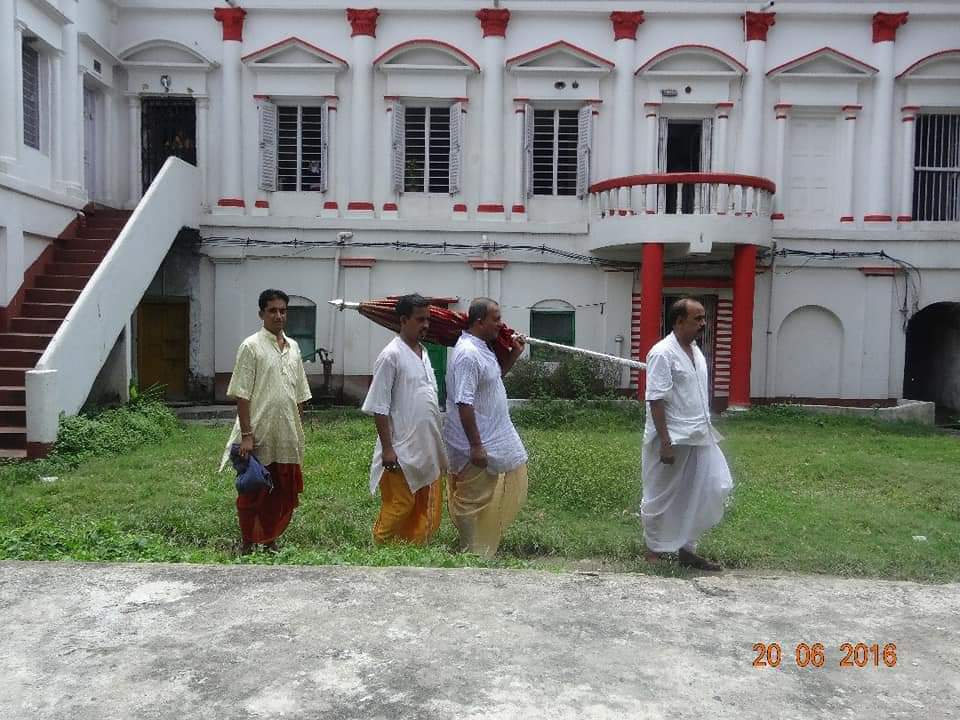
चैतन्य-चरितामृत पर लिखी अनुभाष्य महेश में कमलाकर पिप्पलाई के वंशजों का विवरण कई पीढ़ियों तक देती है: पुत्र चतुर्भुज; चतुर्भुज के दो पुत्र, नारायण और जगन्नाथ; नारायण के पुत्र जगदानन्द; और जगदानन्द के पुत्र राजीवलोचन। राजीवलोचन के जीवनकाल में धन की भारी कमी के कारण मन्दिर की सेवा संकट में पड़ गई। अनुभाष्य ठीक-ठीक बताती है कि यह संकट कैसे दूर हुआ। ढाका के नवाब शाह सुजा ने बंगाली वर्ष 1060 में 1,185 बीघा भूमि दान दी, जो लगभग चार सौ एकड़ के बराबर है। यह वर्ष ईसवी सन् 1653 के बराबर है। वह भूमि जगन्नाथ की सम्पत्ति थी, इसलिए उस पर बसे गाँव का नाम जगन्नाथपुर रखा गया। यह गाँव आज भी इसी नाम से जाना जाता है, और महेश मन्दिर से कुछ मील दूर है। कमलाकर पिप्पलाई का परिवार तभी से अधिकारी उपनाम धारण करता आ रहा है, जब उन्हें पहली बार ध्रुवानन्द से यह उपाधि मिली थी। उस परिवार के सदस्य आज भी महेश के विग्रहों के संरक्षक के रूप में सेवा करते हैं।
वृन्दावन को वापसी #
वैष्णवाचार-दर्पण के अनुसार, कमलाकर पिप्पलाई अपनी पुत्री का विवाह कराने के बाद अन्त में महेश छोड़कर वृन्दावन चले गए। वहीं उन्होंने अपना शेष जीवन बिताया। महेश में उनके वंशजों की परम्परा यह मानती है कि उनका तिरोभाव वहीं चैत्र शुक्ल त्रयोदशी को हुआ था, उस बंगाली वर्ष में जो ईसवी सन् 1563 के बराबर है। इस तिथि को पारिवारिक परम्परा ही मानना उचित है, क्योंकि उस परिवार की अपनी स्मृति के अलावा कोई स्वतंत्र स्रोत इसकी पुष्टि नहीं करता। लेकिन वे अपने पीछे क्या छोड़ गए, इसमें कोई विवाद नहीं है। महेश में एक मन्दिर शताब्दियों से खड़ा है। उसकी रथ यात्रा आज भी बंगाल के बड़े वार्षिक उत्सवों में से एक है। चार सौ वर्ष बाद भी उनका पारिवारिक वंश उसी उपाधि, अधिकारी, अर्थात् "सेवा के लिए अधिकार-प्राप्त व्यक्ति", के नाम से जाना जाता है। यह उपाधि उन्हें पहली बार एक मरणासन्न वैरागी के स्वप्न के द्वारा मिली थी। कमलाकर पिप्पलाई सुन्दरबन के एक ऐसे वैष्णव थे, जिन्होंने सेवा के अवसर के अलावा और कुछ नहीं माँगा।
