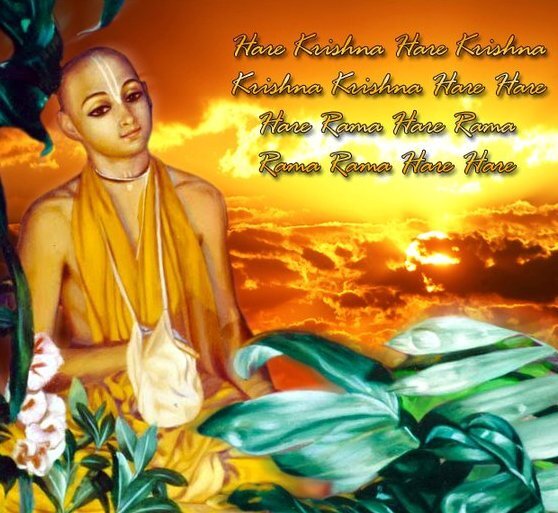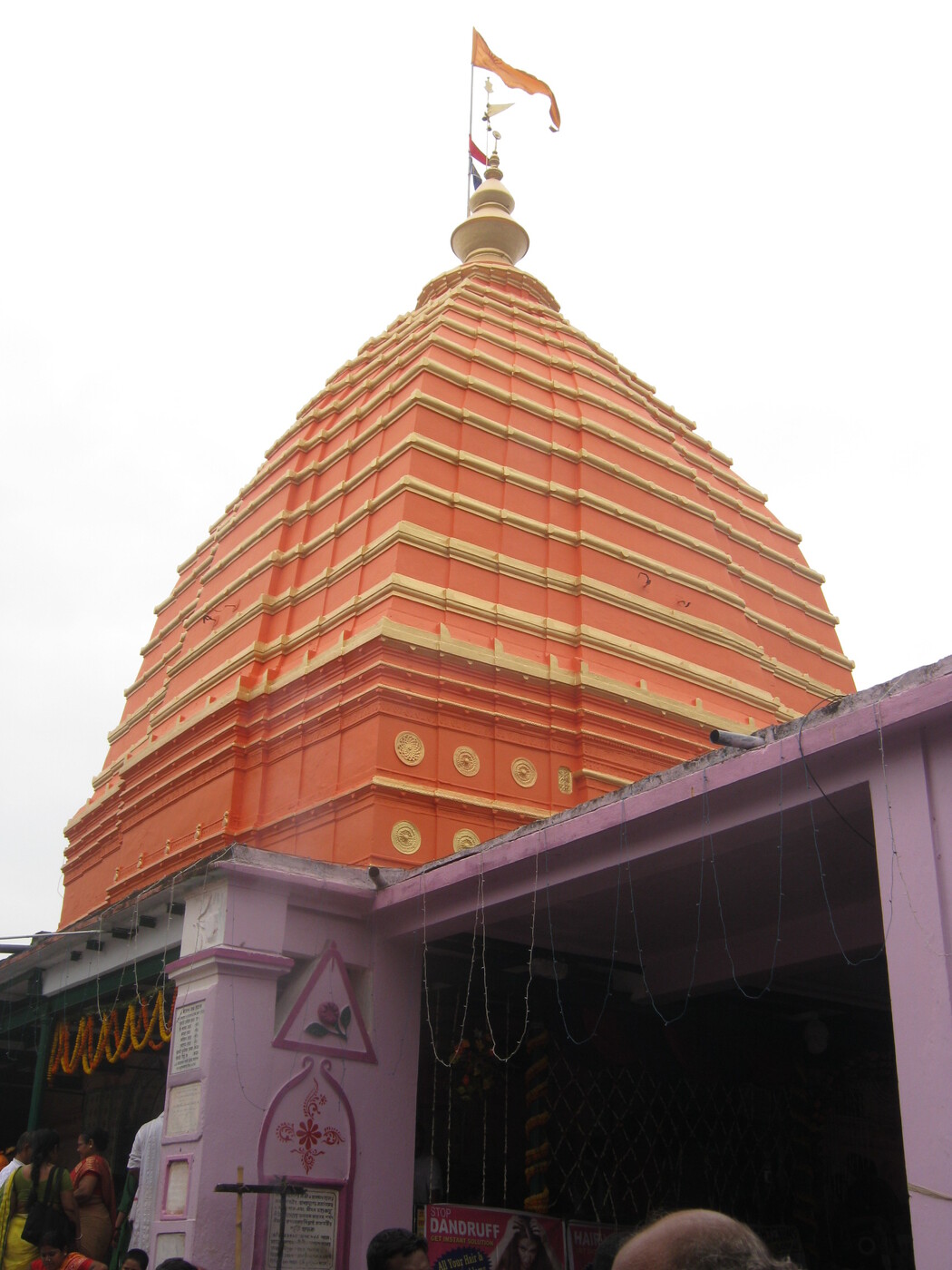
श्रील कमलाकर पिप्पलाई
श्री नित्यानन्द प्रभु के बारह गोपालों में से एक, महेश में विग्रह-सेवा के प्रवर्तक
अन्य नाम कमलाकर पिपिलाई, कमलाकर पिप्पलायी, महाबल (व्रज पहचान)
“कहा जाता है कि कमलाकर पिप्पलाई तीसरे गोपाल थे। उनका आचरण और भगवद्प्रेम असाधारण था, और इसी कारण वे सारे संसार में विख्यात हैं।”
श्री चैतन्य-चरितामृत, आदि-लीला 11.24, जिसमें कमलाकर पिप्पलाई को श्री नित्यानन्द प्रभु की शाखाओं में गिना गया है
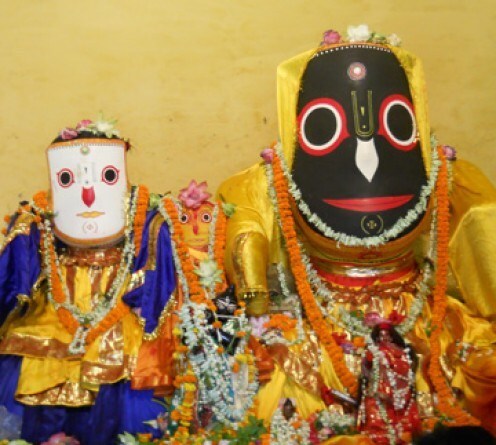
श्रील कमलाकर पिप्पलाई सोलहवीं शताब्दी के बंगाल में श्री नित्यानन्द प्रभु के निकट सहयोगियों में से एक थे। उन्हें उन बारह गोपालों में गिना जाता है, जो नित्यानन्द प्रभु के सबसे निकट के प्रचारक-मण्डल में थे। श्री चैतन्य-चरितामृत में उनका नाम सीधे लिया गया है और उनके विषय में कहा गया है: "उनका आचरण और भगवत्प्रेम असाधारण था, और इसीलिए वे सारे संसार में विख्यात हैं।" उन्हें यह ख्याति किसी लेखन या प्रचार से नहीं, बल्कि जीवन भर की एक ही सेवा से मिली। उन्होंने महेश में जगन्नाथ, बलदेव और सुभद्रा के विग्रहों की सेवा अपने हाथों में ली। महेश गंगा के तट पर बसा एक गाँव है, जो आज के पश्चिम बंगाल में श्रीरामपुर के पास है। उन्होंने यह सेवा उस आदेश पर ली, जिसे वे स्वप्न में मिला भगवान का अपना आदेश मानते थे। उन्होंने वहाँ जो मन्दिर बनाया, वह आज भी खड़ा है। उसकी रथ यात्रा बंगाल की सबसे पुरानी रथ यात्राओं में से एक है, और आज भी हर वर्ष लाखों तीर्थयात्री उसमें आते हैं।
| विवरण | विस्तार |
|---|---|
| पारम्परिक जन्म वर्ष | 1492 (गौड़ीय वैष्णव अभिधान के अनुसार); श्री चैतन्य-चरितामृत में स्वयं कोई तिथि नहीं दी गई है |
| जन्मस्थान | खलीजुली ग्राम, बंगाल का सुन्दरबन क्षेत्र |
| परिवार | राढ़ ब्राह्मण परिवार; छोटे भाई श्रीनिधिपति (निधिपति) पिप्पलाई |
| पहचान | व्रज के गोपबालक महाबल, बारह गोपालों में तीसरे (गौर-गणोद्देश-दीपिका 128; चैतन्य-चरितामृत आदि 11.24 एवं तात्पर्य) |
| प्रमुख सेवा | श्रीरामपुर स्थित महेश में जगन्नाथ, बलदेव और सुभद्रा विग्रहों की सेवा अपने हाथों में ली |
| उपाधि | अधिकारी, जो बाद में परिवार का उपनाम बन गई |
| तिरोभाव | चैत्र शुक्ल त्रयोदशी, 1563, वृन्दावन में (पारिवारिक परम्परा के अनुसार; स्वतंत्र रूप से पुष्ट नहीं) |
तीसरे गोपाल #
श्री चैतन्य-चरितामृत के रचयिता कृष्णदास कविराज गोस्वामी कमलाकर पिप्पलाई को नित्यानन्द प्रभु रूपी वृक्ष की "महान शाखाओं" में गिनते हैं। ये वे भक्त थे, जो नित्यानन्द प्रभु के इतने निकट थे कि बाद का वैष्णव साहित्य उन्हें लगभग उन्हीं का विस्तार मानता है। मूल पद्य बहुत छोटा है: "कहा जाता है कि कमलाकर पिप्पलाई तीसरे गोपाल थे। उनका आचरण और भगवत्प्रेम असाधारण था, और इसीलिए वे सारे संसार में विख्यात हैं।" श्रील भक्तिसिद्धान्त सरस्वती ठाकुर की अनुभाष्य इस छोटी-सी पंक्ति में और जानकारी जोड़ती है। श्रील प्रभुपाद ने इसी पद्य की अपनी टीका में इस अनुभाष्य को विस्तार से उद्धृत किया है। भक्तिसिद्धान्त सरस्वती गौर-गणोद्देश-दीपिका का प्रमाण देते हैं। यह ग्रन्थ बताता है कि चैतन्य महाप्रभु के बंगाली सहयोगी कृष्ण की नित्य व्रज-लीलाओं में कौन थे। इसी आधार पर वे कमलाकर पिप्पलाई को बारह गोपालों में तीसरा बताते हैं। वे यह भी कहते हैं कि व्रज-लीला में उनका नाम महाबल था। अन्त्य-लीला के एक अलग, बाद के पद्य में भक्तों के एक छोटे समूह में "कमलाकर" का नाम भी आता है: रामदास, सुन्दरानन्द, गदाधर दास, मुरारि, कमलाकर, सदाशिव और पुरन्दर। इनमें से कई भक्त, जिनमें सुन्दरानन्द ठाकुर भी हैं, स्वयं नित्यानन्द प्रभु के सहयोगियों में गिने जाते हैं। इस पद्य में उनका पिप्पलाई उपनाम नहीं दोहराया गया है। लेकिन श्रील प्रभुपाद अन्त्य-लीला 6.63 की अपनी टीका में, अनुभाष्य का अनुसरण करते हुए, इस कमलाकर के लिए पाठक को आदि-लीला 11.24 देखने को कहते हैं। वही पद्य कमलाकर पिप्पलाई के बारे में है। खलीजुली में उनके जन्म, उनके परिवार, और गोपाल तथा बंगाली ब्राह्मण के रूप में उनकी इस दोहरी पहचान की पूरी कथा महाबल और तीसरा गोपाल पृष्ठ पर बताई गई है।
भक्तिसिद्धान्त सरस्वती ठाकुर गौर-गणोद्देश-दीपिका के जिस श्लोक का प्रमाण देते हैं, वह श्लोक 128 है। इसकी पहली पंक्ति गौरीदास पण्डित के बारे में है, और दूसरी पंक्ति कमलाकर पिप्पलाई के बारे में:
सुबलो यः प्रियश्रेष्ठः स गौरीदासपण्डितः
कमलाकरपिप्पलाइनाम्नासीद्यो महाबलः ॥
"भगवान कृष्ण के सबसे प्रिय सखा सुबल भगवान चैतन्य की लीलाओं में गौरीदास पण्डित के रूप में प्रकट हुए। गोपबालक महाबल भगवान चैतन्य की लीलाओं में कमलाकर पिप्पलाई के रूप में प्रकट हुए।" (गौर-गणोद्देश-दीपिका 128)
स्वप्न द्वारा महेश की सेवा हेतु बुलावा #
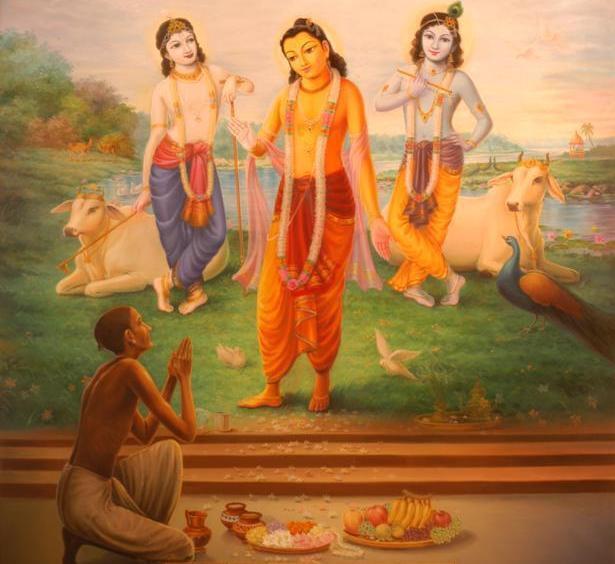
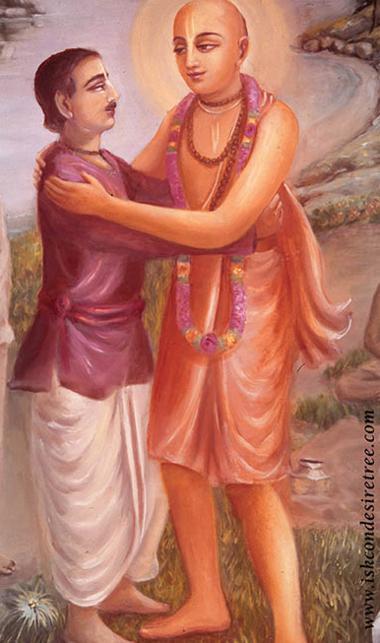
कमलाकर पिप्पलाई का जन्म दक्षिणी बंगाल के सुन्दरबन क्षेत्र के खलीजुली गाँव में एक भू-सम्पन्न राढ़ ब्राह्मण परिवार में हुआ। उनके एक छोटे भाई थे, श्रीनिधिपति पिप्पलाई। युवावस्था में किसी समय उन्होंने घर-परिवार छोड़ दिया और भ्रमण करते हुए भक्तिमय जीवन अपनाया। स्रोत इस निर्णय को किसी एक अचानक, नाटकीय घटना के रूप में नहीं, बल्कि एक वैष्णव के सामान्य वैराग्य-मार्ग के रूप में बताते हैं। उनके जीवन का निर्णायक मोड़ गंगा तट पर बसे महेश गाँव में आया। वर्षों पहले वहाँ ध्रुवानन्द नामक एक वृद्ध वैरागी को नदी में बहते हुए तीन विग्रह मिले थे: जगन्नाथ, बलराम और सुभद्रा। तब से वे अकेले ही उनकी सेवा कर रहे थे। जब ध्रुवानन्द का अन्त समय निकट आया, तो उनके पास ऐसा कोई नहीं था, जिसे वे यह सेवा सौंप सकें। कहा जाता है कि तब उन्हें स्वप्न में बताया गया कि कमलाकर पिप्पलाई नामक एक महान वैष्णव अगली सुबह आकर विग्रहों की सेवा सम्भालेंगे। कमलाकर को भी ऐसा ही स्वप्न आया था, और वे ठीक समय पर वहाँ पहुँच गए। ध्रुवानन्द ने उसी समय उन्हें जगन्नाथ की सेवा सौंप दी। उस दिन से कमलाकर पिप्पलाई के परिवार ने अधिकारी की उपाधि धारण की, जिसका अर्थ है "भगवान की सेवा के लिए अधिकार-प्राप्त व्यक्ति"। उनके वंशज आज भी यही नाम धारण करते हैं। इस कथा का पूरा विवरण महेश की सेवा हेतु बुलावा पृष्ठ पर दिया गया है। वहीं यह भी बताया गया है कि मन्दिर के आसपास जहाँ पहले जंगल था, वहाँ कमलाकर ने एक आदर्श गाँव कैसे बसाया।
वैष्णवों के मध्य #
कमलाकर पिप्पलाई का जीवन केवल महेश तक सीमित नहीं रहा। वैष्णव इतिहास-ग्रन्थ बताते हैं कि वे श्री चैतन्य महाप्रभु के अनुयायियों के कई बड़े सम्मेलनों में उपस्थित थे। इनमें एक था पानिहाटी का दण्ड-महोत्सव। इसी उत्सव में नित्यानन्द प्रभु के आदेश पर रघुनाथ दास गोस्वामी ने वहाँ आए भक्तों में चिड़वा और दही बाँटा था। महाप्रभु के तिरोभाव के बाद की पीढ़ी में भी वे नरोत्तम दास ठाकुर द्वारा खेतुरी में आयोजित महान उत्सव में उपस्थित बताए जाते हैं। वे कटवा में किसी तिरोभाव-दिवस के उपलक्ष्य में हुए एक सम्मेलन में भी थे। भक्ति-रत्नाकर में उनका नाम नित्यानन्द प्रभु की पत्नी जाह्नवा माता से जुड़े भक्तों में भी आता है। उस समय तक जाह्नवा माता पूरे बंगाल के वैष्णवों को एक साथ जोड़ने लगी थीं। कमलाकर पिप्पलाई का अपना परिवार भी नित्यानन्द प्रभु के परिवार से सीधे जुड़ गया। उनकी पुत्री विद्युन्माला का विवाह एक ब्राह्मण परिवार में हुआ। इस वंशावली के ठीक क्रम पर स्रोतों में मतभेद है, लेकिन सभी मानते हैं कि इसी वंश की एक पौत्री का विवाह नित्यानन्द प्रभु के पुत्र वीरचन्द्र प्रभु से हुआ। इन उत्सवों, नित्यानन्द प्रभु के वंश से हुए इस विवाह-सम्बन्ध और बाद की पीढ़ियों के अधिकारियों का पूरा विवरण उत्सव, परिवार और अधिकारी परम्परा पृष्ठ पर दिया गया है।
वंशज, और वृन्दावन को वापसी #
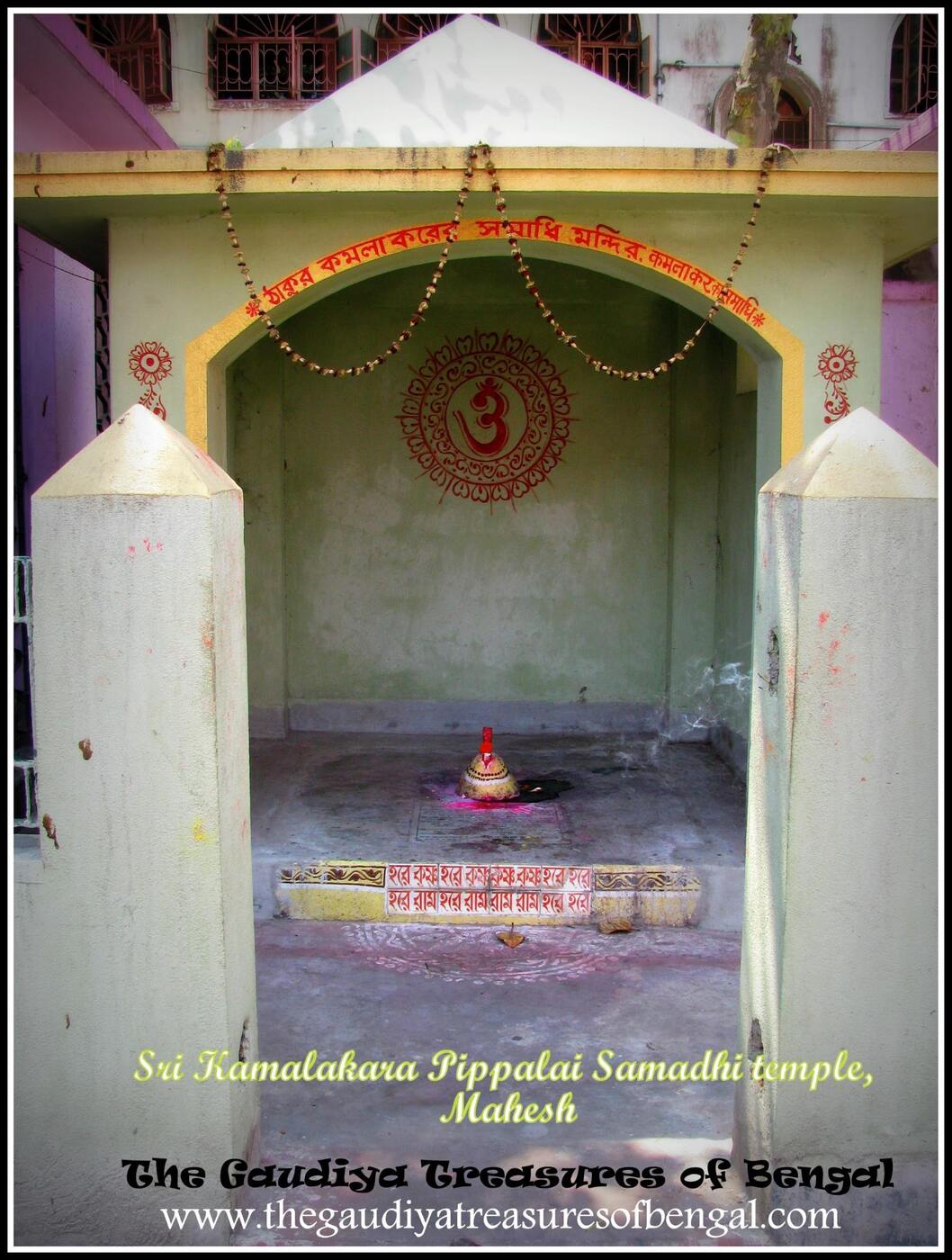
महेश में कमलाकर पिप्पलाई के वंशजों का विवरण कई पीढ़ियों तक मिलता है: पुत्र चतुर्भुज; पौत्र नारायण और जगन्नाथ; और कई पीढ़ियों बाद प्रपौत्र के पुत्र राजीवलोचन। राजीवलोचन के समय में ढाका के नवाब ने मन्दिर की सेवा के लिए एक हज़ार बीघा से अधिक भूमि दान दी थी। यह भूमि आज भी जगन्नाथपुर के नाम से जानी जाती है। परिवार की अपनी परम्परा के अनुसार, कमलाकर पिप्पलाई अपनी पुत्री का विवाह कराने के बाद महेश छोड़कर वृन्दावन चले गए। उन्होंने अपने अन्तिम वर्ष वहीं बिताए, और वर्ष 1563 की चैत्र शुक्ल त्रयोदशी को वहीं उनका तिरोभाव हुआ। किसी स्वतंत्र स्रोत से इस तिथि की पुष्टि नहीं होती। इसलिए इसे स्थापित तथ्य नहीं, बल्कि पारिवारिक परम्परा ही मानना उचित है। लेकिन एक बात में कोई सन्देह नहीं है। उन्होंने एक स्वप्न पर भरोसा करके, मृत्यु के निकट पहुँचे एक वैरागी से जो सेवा ग्रहण की थी, वह उनके वंशजों के द्वारा चार सौ वर्षों से भी अधिक समय से लगातार चल रही है। अधिकारी परिवार आज भी महेश में सेवा करता है, और मन्दिर की रथ यात्रा आज भी बंगाल के सबसे अधिक भीड़ वाले उत्सवों में से एक है।
एक दृष्टि में
- नित्यानन्द प्रभु के बारह गोपालों में तीसरे गिने जाते हैं, और कृष्ण की व्रज-लीलाओं के गोपबालक महाबल के रूप में पहचाने जाते हैं।
- दोनों को एक जैसा स्वप्न आने के बाद, उन्होंने महेश में वृद्ध ध्रुवानन्द से जगन्नाथ, बलदेव और सुभद्रा की सेवा ग्रहण की।
- अधिकारी की उपाधि धारण की। उनके वंशज आज भी यह उपाधि धारण करते हैं और महेश के विग्रहों की सेवा करते आ रहे हैं।
- पानिहाटी के दण्ड-महोत्सव, खेतुरी के उत्सव और कटवा के एक सम्मेलन में उपस्थित रहे; बाद में उनका परिवार विवाह-सम्बन्ध द्वारा नित्यानन्द प्रभु के अपने परिवार से जुड़ गया।
- पारिवारिक परम्परा के अनुसार उन्होंने अपने अन्तिम वर्ष वृन्दावन में बिताए, और 1563 में वहीं उनका तिरोभाव हुआ।
शास्त्र प्रमाण
ऊपर पाठ में उद्धृत:
- Verse 128 Gaura-ganoddesha-dipika
अन्य शास्त्र प्रमाण:
কমলাকর পিপ্পলাই–অলৌকিক রীত ।
অলৌকিক প্রেম তাঁর ভুবনে বিদিত ২৪
kamalākara pippalāi — alaukika rīta, alaukika prema tāṅra bhuvane vidita
शब्दार्थ
kamalākara pippalāi: Kamalākara Pippalāi; alaukika: uncommon; rīta: behavior or pastime; alaukika: uncommon; prema: love of Godhead; tāṅra: his; bhuvane: in the world; vidita: celebrated.
कहा जाता है कि कमलाकर पिप्पलाई तीसरे गोपाल थे। उनका आचरण और भगवद्प्रेम असाधारण था, और इसी कारण वे सारे संसार में विख्यात हैं।
तात्पर्य से: टीका का अंश: "गौर-गणोद्देश-दीपिका (128) में कमलाकर पिप्पलाई को तीसरा गोपाल बताया गया है। उनका पूर्व नाम महाबल था।"
यह पद्य तथा इस पर श्रील प्रभुपाद की टीका, जो भक्तिसिद्धान्त सरस्वती ठाकुर की अनुभाष्य को उद्धृत करती है, कमलाकर पिप्पलाई के विषय में लगभग हर जीवनी-सम्बन्धी विवरण का मुख्य प्रामाणिक स्रोत है।
- Sri Chaitanya-charitamrita, Adi-lila 11.24, purport
- Sri Chaitanya-charitamrita, Antya-lila 6.61
- Kamalakara Pippalai - Biography | Gaudiya History
- Dwadash Gopal - Twelve Cowherd Boys, Associates of Lord Nityananda | The Gaudiya Treasures of Bengal
- Sri Jagannatha Temple, Mahesh, Serampore | The Gaudiya Treasures of Bengal
अक्सर पूछे जाने वाले प्रश्न
श्रील कमलाकर पिप्पलाई का जन्म कब हुआ था?
श्रील कमलाकर पिप्पलाई का प्राकट्य लगभग 1492 (गौड़ीय वैष्णव अभिधान के अनुसार; श्री चैतन्य-चरितामृत में स्वयं इसकी तिथि नहीं दी गई है) में, खलीजुली ग्राम, सुन्दरबन क्षेत्र, बंगाल में हुआ।
श्रील कमलाकर पिप्पलाई के गुरु कौन थे?
श्रील कमलाकर पिप्पलाई के गुरु श्री नित्यानन्द प्रभु थे।
श्रील कमलाकर पिप्पलाई का तिरोभाव कब और कहाँ हुआ?
श्रील कमलाकर पिप्पलाई का तिरोभाव चैत्र शुक्ल त्रयोदशी, 1563 (पारिवारिक परम्परा के अनुसार; स्वतंत्र रूप से पुष्ट नहीं), वृन्दावन (पारिवारिक परम्परा के अनुसार) में हुआ।
श्रील कमलाकर पिप्पलाई की प्रमुख लीलाएँ कौन-सी हैं?
यहाँ इन लीलाओं पर पृष्ठ उपलब्ध हैं: महाबल और तीसरा गोपाल, महेश की सेवा हेतु बुलावा, उत्सव, परिवार और अधिकारी परम्परा।