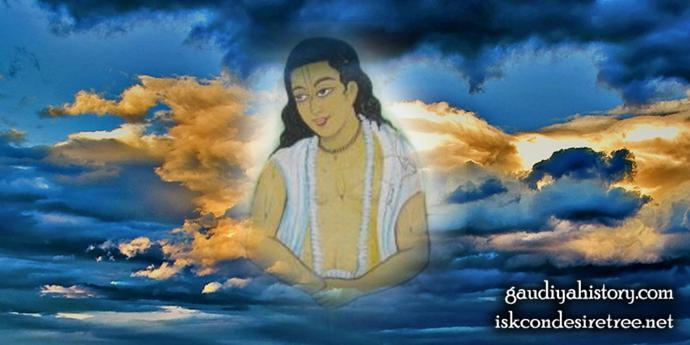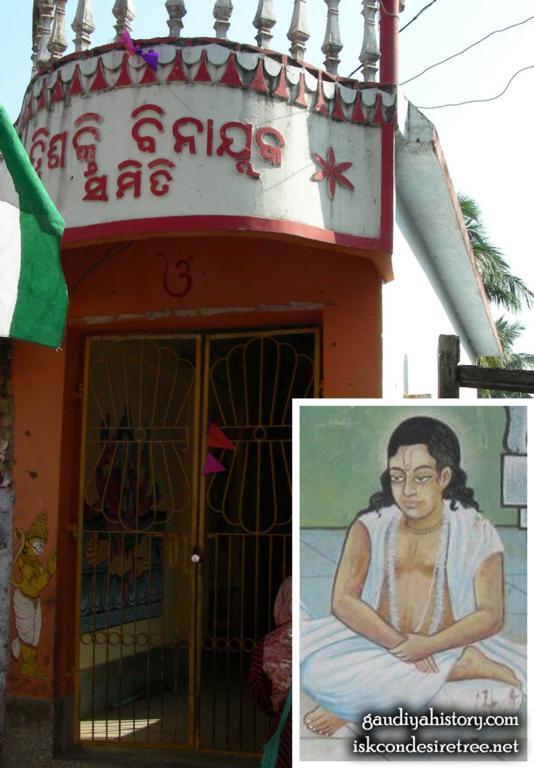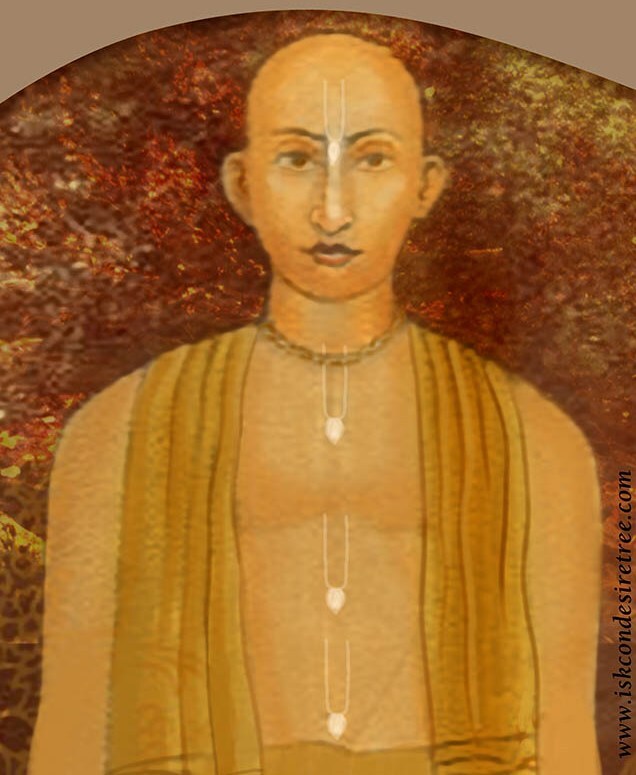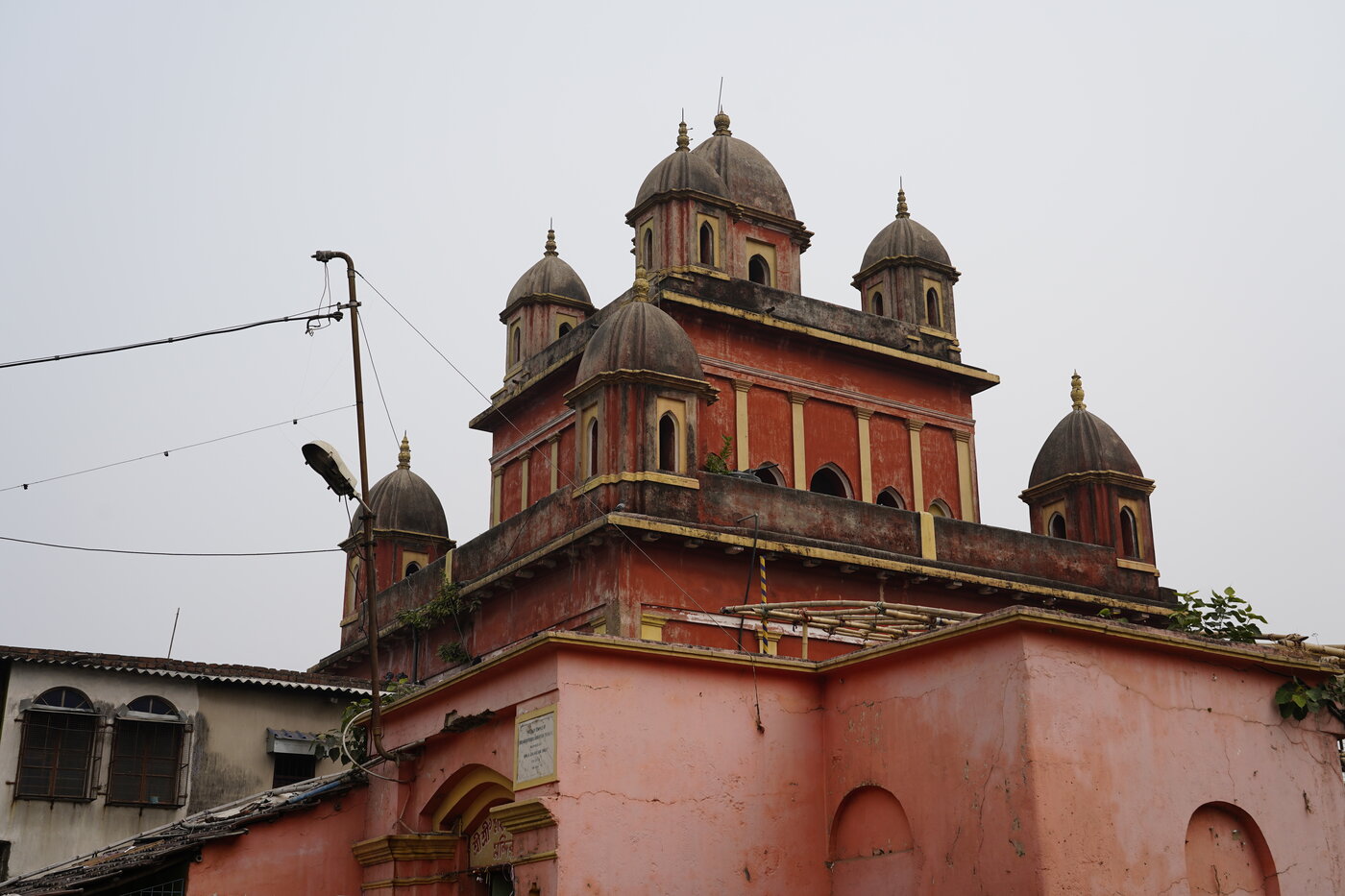
Srila Viracandra Prabhu
Son of Nityananda Prabhu and Founding Figure of the Nityananda-vamsa
Also known as Virabhadra, Virabhadra Gosani, Virachandra, Birbhadra, Birchandra Prabhu, Viracandra Gosvami
“It is by the glorious mercy of Sri Virabhadra Gosani that people all over the world now have the chance to chant the names of Chaitanya and Nityananda.”
Krishnadasa Kaviraja Goswami, Sri Chaitanya-charitamrita, Adi-lila 11.11
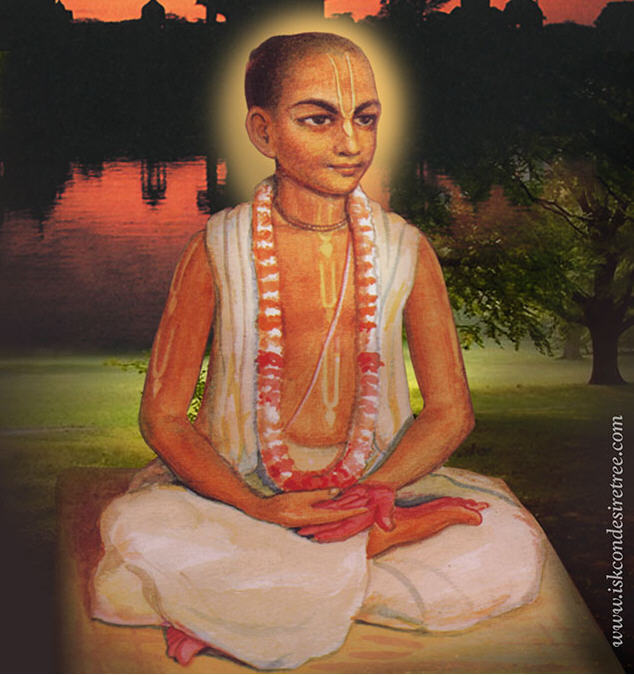
Srila Viracandra Prabhu, also spelled Virabhadra, was the son of Nityananda Prabhu and the disciple of Nityananda's second wife, Jahnava Devi. In the 1530s, Chaitanya Mahaprabhu, Nityananda Prabhu, Advaita Acharya and Srivasa Thakura all disappeared within a few years of one another. The Gaudiya Vaishnava movement in Bengal had been built around these leaders, and now it lost every one of them. Viracandra, still a young man, became one of the figures who kept it standing. Krishnadasa Kaviraja Goswami wrote Sri Chaitanya-charitamrita decades later. In it he calls Viracandra "the greatest branch" of Nityananda Prabhu's tree of devotional service. He takes shelter of Viracandra's feet even before he begins the book. This is about as strong a mark of honor as this tradition gives anyone. Today Viracandra is remembered mainly for three things. The first is a mass return of outsiders into Vaishnava life, on a larger scale than anything else in this generation. The second is his standing among the senior Vaishnavas who were active after Chaitanya Mahaprabhu's own associates had passed away. The third is that an entire hereditary family line of Gosvamis, the Nityananda-vamsa, traces its descent from him. But when the record is read carefully, this descent is not quite what is usually assumed.
| Detail | Description |
|---|---|
| Father | Nityananda Prabhu |
| Birth mother | Vasudha, Nityananda Prabhu's first wife |
| Guru | Jahnava Devi, Nityananda Prabhu's second wife, who raised him after Vasudha's early death and later gave him initiation |
| Birthplace | Khardaha, on the Ganges north of present-day Kolkata |
| Sister | Ganga Devi |
| Identity | Kshirodakashayi Vishnu, an expansion of Sankarshana, non-different from Sri Chaitanya (Gaura-ganoddesha-dipika 67; Chaitanya-charitamrita Adi 11.8 purport) |
| Chief legacy | The mass conversion of the neda-nedi ascetics; founder-figure of the Nityananda-vamsa |
At a Glance
- Born at Khardaha to Vasudha, Nityananda Prabhu's first wife, but raised and formally initiated by Jahnava Devi, his father's second wife.
- Held by Gaudiya Vaishnava tradition to be an expansion of Kshirodakashayi Vishnu (Gaura-ganoddesha-dipika 67), yet lived as an ordinary devotee and strictly followed Vedic household life.
- Remembered for leading a mass return of over a thousand neda and nedi ascetics, former tantric Buddhist practitioners, into Vaishnava devotional life.
- Traveled through Bengal and on to Vrindavana, meeting the Goswamis there and the Vaishnavas of Narottama Dasa Thakura's own generation.
- Is the figure from whom the hereditary Nityananda-vamsa families trace their descent, though the earliest record says he had no surviving son of his own.
Born of Vasudha, Raised by Jahnava #
Nityananda Prabhu married twice, and married late. Both marriages came only after Chaitanya Mahaprabhu personally asked him to give up his life as a wandering avadhuta and settle down as a householder preacher. This was so that ordinary people would have a family life they could actually follow. His two wives were sisters, Vasudha and Jahnava, daughters of Suryadasa Sarakhela of Saligrama. The fuller story of that marriage, told from Nityananda's own side, is on Nityananda Prabhu's own page. Vasudha, the elder sister, bore Nityananda eight sons and one daughter. Of the sons, seven died in infancy, and Vasudha herself died not long after the youngest was born. That youngest son was Viracandra, and the surviving daughter was his sister, Ganga Devi.
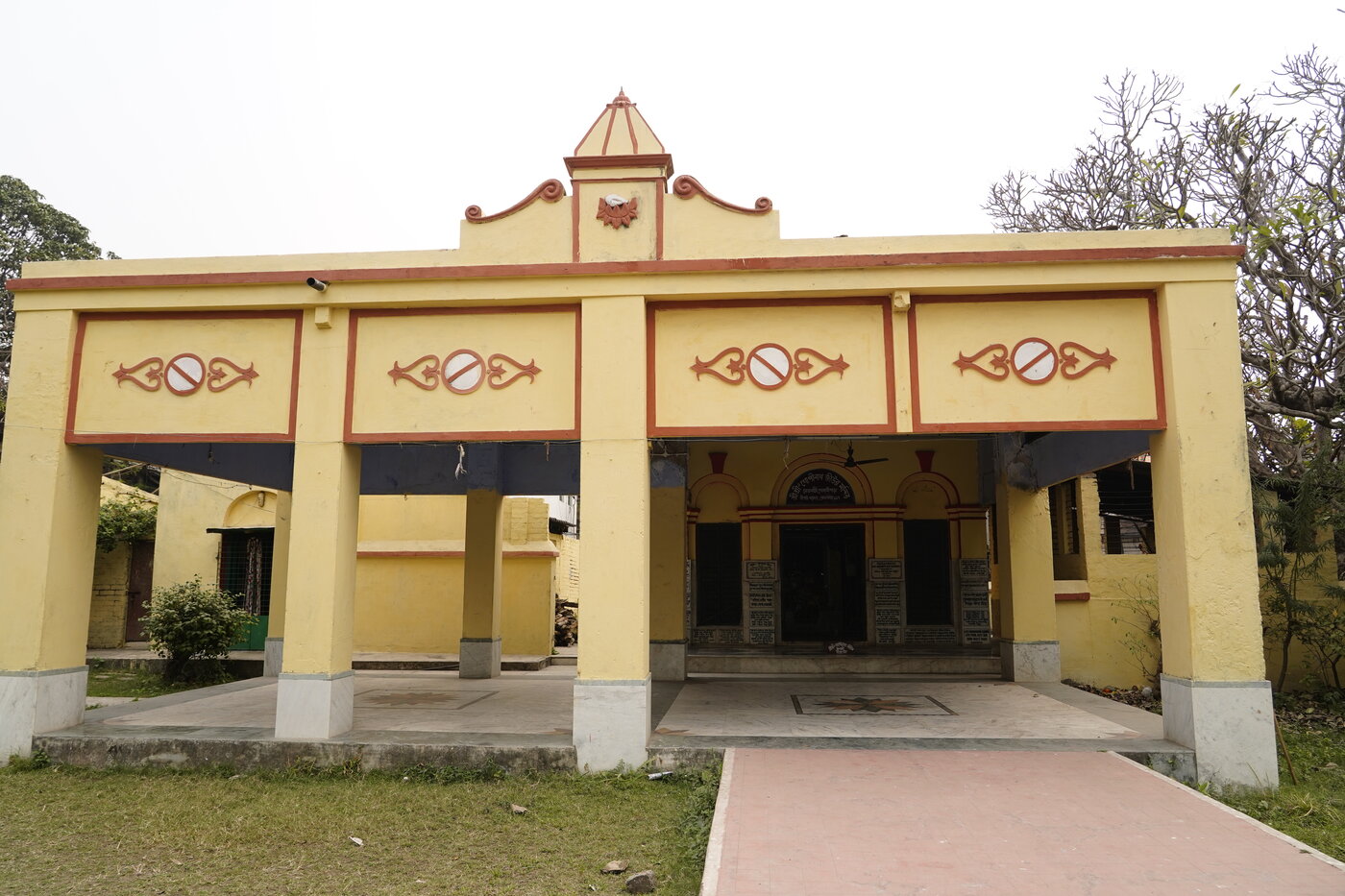
Jahnava, who had no children of her own, raised both of them. Srila Bhaktisiddhanta Sarasvati Thakura's own Anubhasya commentary to Chaitanya-charitamrita, Adi-lila 11.8, states the relationship as plainly as any source does: "Virabhadra Gosani was the direct son of Srila Nityananda Prabhu and a disciple of Jahnava-devi. His real mother was Vasudha." Some less careful retellings simply call him "the son of Nityananda and Jahnava," and this hides an important difference. Vasudha gave birth to him. Jahnava brought him up and, later, gave him diksha. The full story of that childhood, and of the tradition about his identity, is told on Birth and Early Life.
That tradition about his identity rests on Srila Kavi Karnapura's Gaura-ganoddesha-dipika (verse 67):
saṅkarṣaṇasya yo vyūhaḥ payobdhi-śāyi-nāmakaḥ
sa eva vīracandro’bhūc caitanyābhinna-vigrahaḥ
"The expansion of Lord Sankarsana known as Lord Ksirodakasayi Visnu appeared in Lord Caitanya's pastimes as Viracandra Prabhu. Lord Viracandra was non-different from Lord Caitanya Himself." (Gaura-ganoddesha-dipika 67)
The same Anubhashya passage, given in Srila Prabhupada's purport to Chaitanya-charitamrita Adi 11.8, cites this verse: "In the Gaura-gaṇoddeśa-dīpikā (67) He is mentioned as an incarnation of Kṣīrodakaśāyī Viṣṇu. Therefore Vīrabhadra Gosāñi is nondifferent from Śrī Kṛṣṇa Caitanya Mahāprabhu."
A Mass Return to the Vaishnava Fold #
The episode Viracandra is most remembered for is a mass return of outsiders into Vaishnava life. Gaudiya Vaishnava tradition credits him with turning more than a thousand nedas and an equal number of nedis into chanters of the Hare Krishna maha-mantra. The nedas and nedis were shaven-headed ascetics and their female companions. They had been practicing a form of tantric Buddhism around Navadvipa, outside ordinary Vaishnava society. Most of them were then properly married, which ended years of relationships the tradition calls "illicit." Related traditions describe him gathering Vaishnavas from across Bengal for a journey to the Muslim ruler of Gauda, to obtain a sacred stone for new Deities at Khardaha. They even describe him preaching the holy name among Muslims in East Bengal. These are large claims, and they are not all equally well recorded. The full account, with its complications, is on The Grand Reconciliation.
Pilgrimage, Kheturi and the Bengal Vaishnavas #
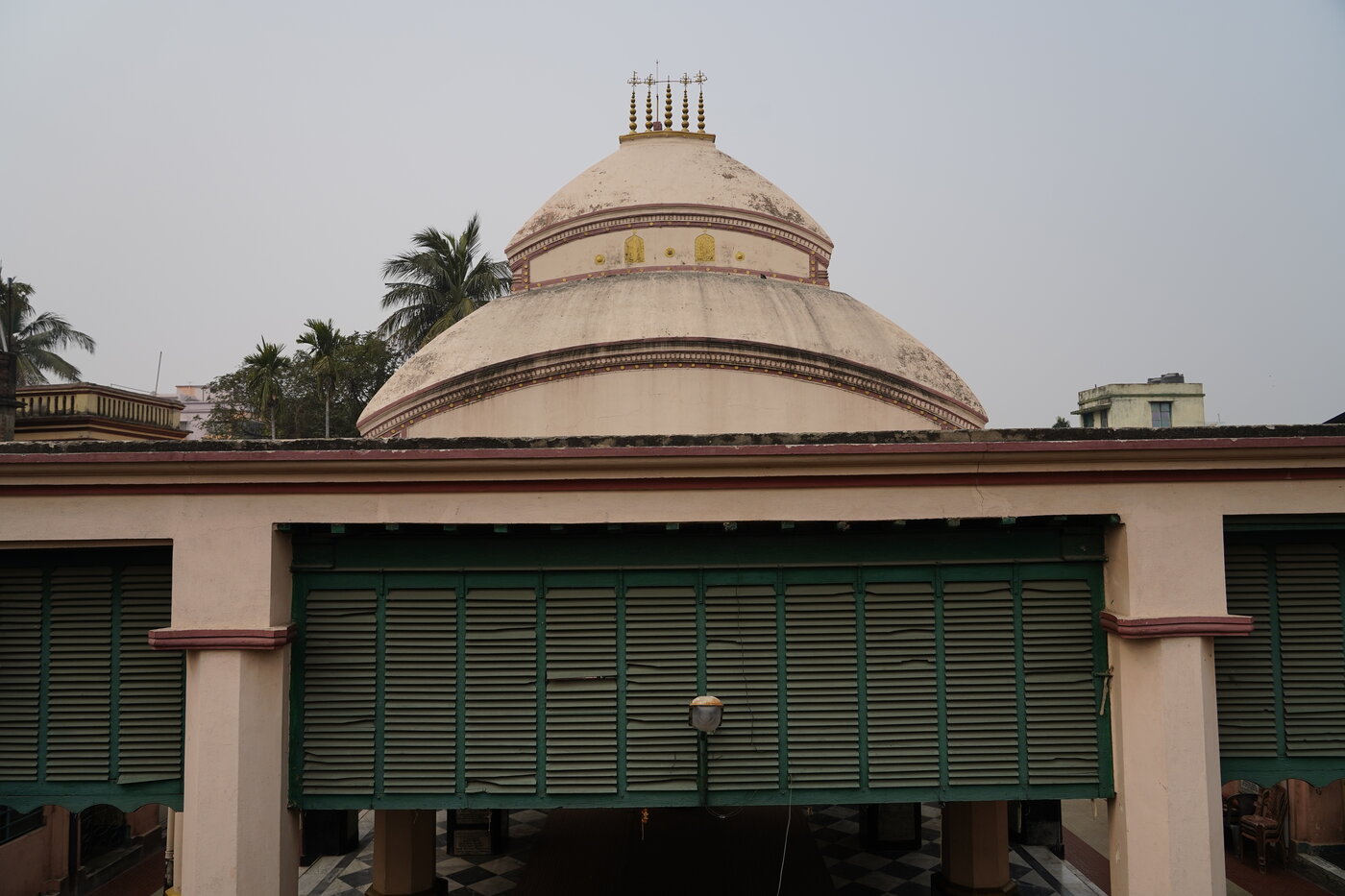
As a young man Viracandra traveled the length of Bengal and on to Vrindavana. He met most of the senior Vaishnavas still living from Chaitanya Mahaprabhu's own generation and the one after it. Among them were Uddharana Datta Thakura, Gauridasa Pandita, and Shrinivasa Acharya. Multiple traditional accounts describe Narottama Dasa Thakura coming out in great joy to receive him at Kheturi and dancing with him in kirtana. You can read more about that place and event, from two other angles, on Narottama Dasa Thakura's own Kheturi Festival page and on Shrinivasa Acharya's page. In Vrindavana, Jiva Goswami and Krishnadasa Kaviraja Goswami received him with equal warmth. He wandered the twelve forests of Vrajamandala and was overwhelmed by the sight of Radha-kunda, Shyama-kunda and Govardhana. Most of what the tradition says about Viracandra's standing in his generation comes from this period, and from Krishnadasa Kaviraja Goswami's own verses of praise. The fuller account is on Leadership at Kheturi and Among the Vaishnavas. It also looks at the uncertainties about how his own visit to Kheturi relates to the great Kheturi festival itself.
The Nityananda-vamsa and What It Means #
By tradition, Viracandra is the founding figure of the Nityananda-vamsa. This is the network of hereditary Gosvami families in Bengal that trace their descent from Nityananda Prabhu's own household. It is different from the line of renounced Vaishnavas descended from the Six Goswamis of Vrindavana. But here the record holds a real surprise. Bhaktisiddhanta Sarasvati Thakura's own commentary names three men, Gopijanavallabha, Ramakrishna and Ramachandra, as Viracandra's "sons," but then it immediately adds a note. They belonged to different gotras, different surnames and different villages. So, it concludes, it is not actually possible to accept them as his real, begotten sons. They were disciples, later called sons out of honor. The actual hereditary Khardaha Gosvamis came from Ramachandra's own family, not from Viracandra's blood. Their descendants can be traced across nine further generations. Founding the Nityananda-vamsa explains what this means for how the Nityananda-vamsa should be understood. It also explains what it means for a later controversy over hereditary "caste goswamis" that Bhaktisiddhanta Sarasvati Thakura and Srila Prabhupada both spoke about directly.
Final Years and a Debated Legacy #
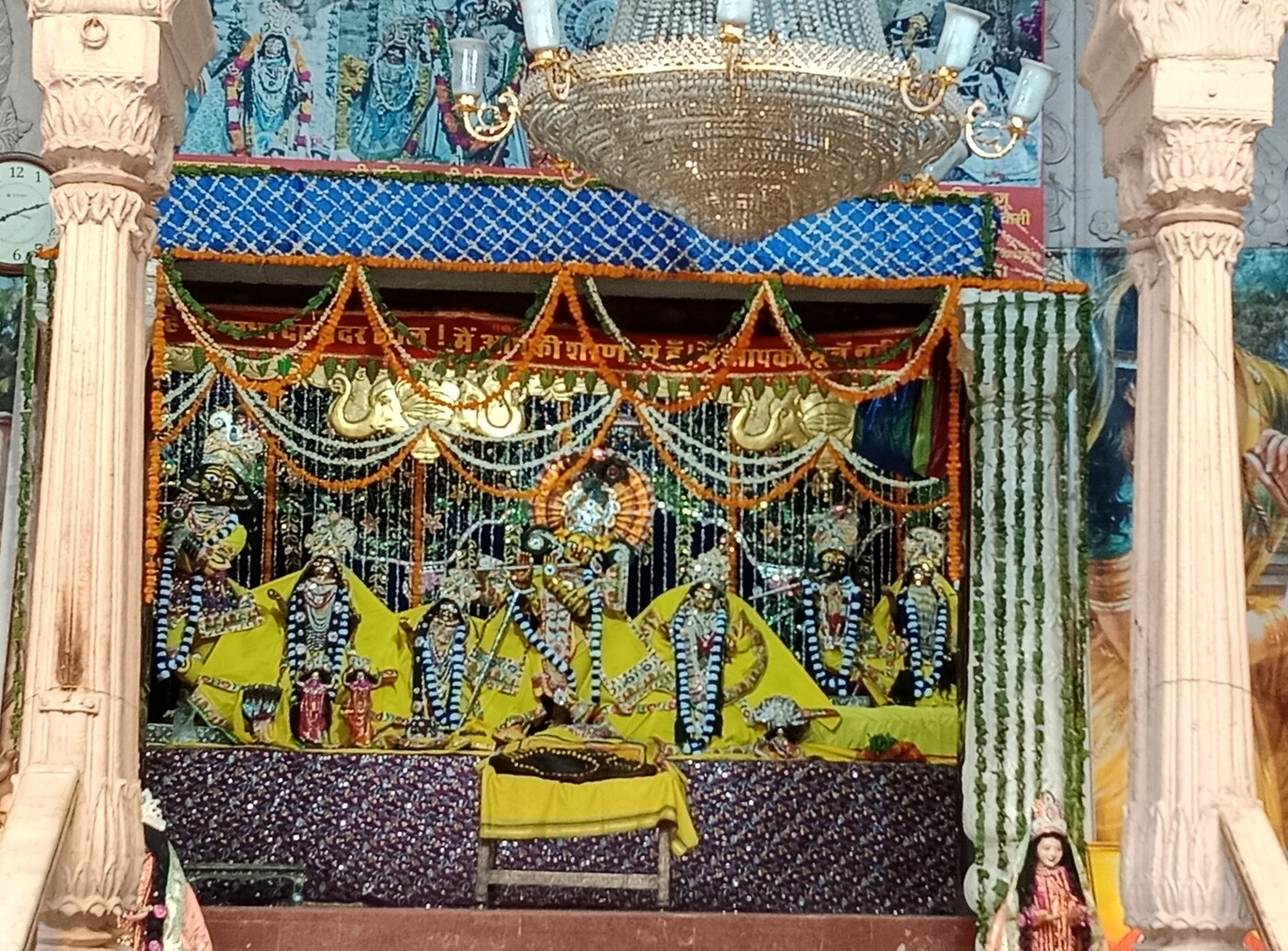
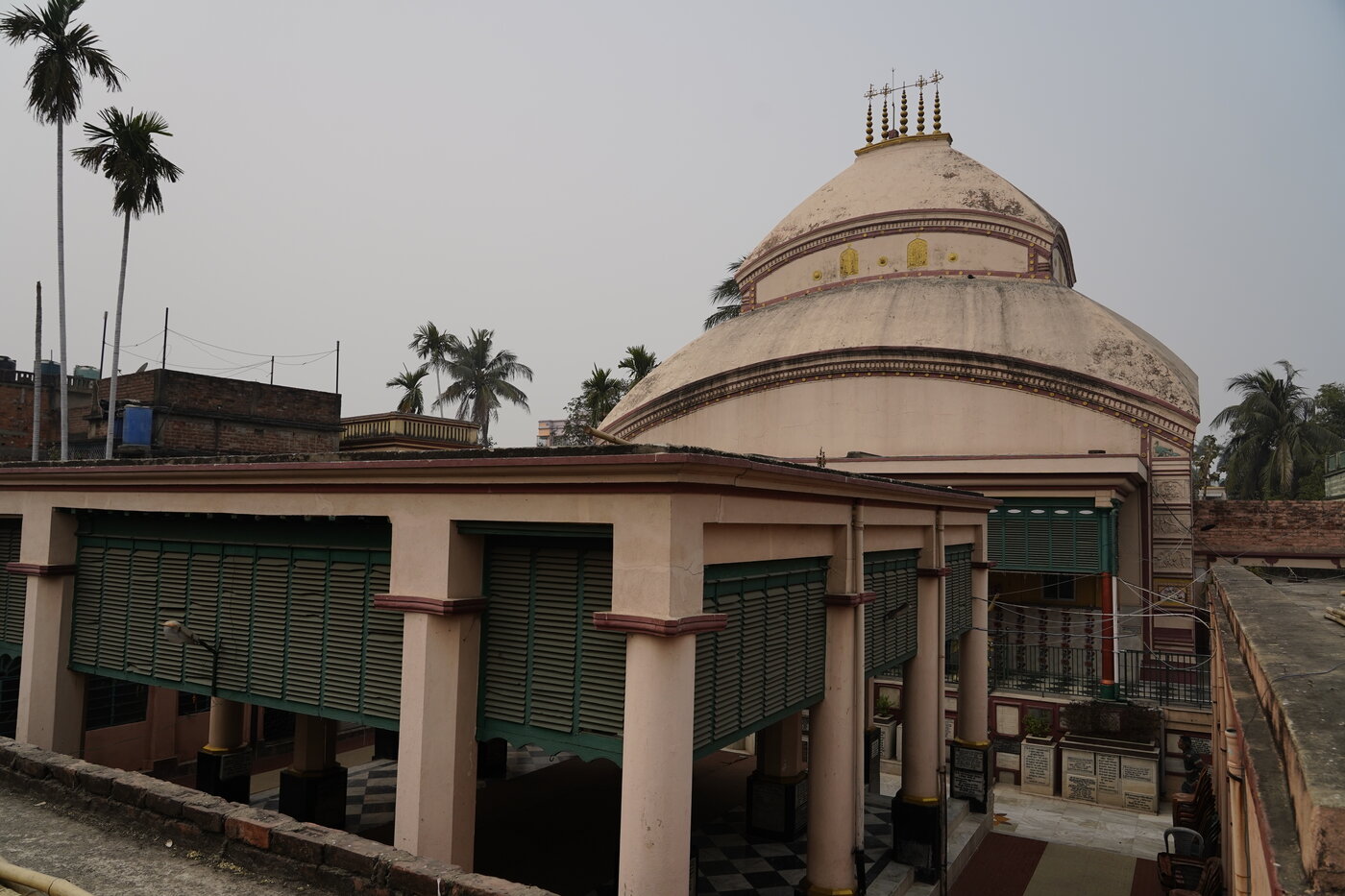
Viracandra married two daughters of Yadunandana Acharya of Jhamatpura. The marriage was arranged at Jahnava Devi's own instruction. He is also credited with bringing a sacred stone down the Ganges to Khardaha and having it carved into the Deities still worshiped there as Shyamsundar. This story is kept as the temple's own legend, not as verified history. No source available records a date for his disappearance, so we do not guess one. What is not in doubt is the institution he left behind. Khardaha remained, and in some ways still remains, the center of a family tradition of Vaishnava worship in Bengal. Like any human institution, it has been complicated by a gap between two things. One is the qualification Chaitanya Mahaprabhu actually taught, which is knowledge of Krishna, available to anyone. The other is the pull, felt in every generation since, toward treating a family name as though it were the same thing. The full story is on Final Days and Legacy.
Scriptural evidence
Quoted in the text above:
- Verse 67 Gaura-ganoddesha-dipika
Further verses:
অদ্যাপি যাঁহার কৃপা–মহিমা হইতে ।
চৈতন্য–নিত্যানন্দ গায় সকল জগতে ॥
adyapi yanhara krpa-mahima ha-ite
caitanya-nityananda gaya sakala jagate
Word for word
adyapi -- until today; yanhara -- whose; krpa -- mercy; mahima -- glorious; ha-ite -- from; caitanya-nityananda -- Sri Caitanya-Nityananda; gaya -- sing; sakala -- all; jagate -- in the world.
It is by the glorious mercy of Sri Virabhadra Gosani that people all over the world now have the chance to chant the names of Caitanya and Nityananda.
Used as the opening quote here; Krishnadasa Kaviraja Goswami credits Viracandra directly with the worldwide spread of the Chaitanya-Nityananda sankirtana movement.
śrī-vīrabhadra gosāñi — skandha-mahāśākhā
tāṅra upaśākhā yata, asaṅkhya tāra lekhā
After Nityānanda Prabhu, the greatest branch is Vīrabhadra Gosāñi, who also has innumerable branches and subbranches. It is not possible to describe them all.
From the purport: Vīrabhadra Gosāñi was the direct son of Śrīla Nityānanda Prabhu and a disciple of Jāhnavā-devī. His real mother was Vasudhā. In the Gaura-gaṇoddeśa-dīpikā (67) He is mentioned as an incarnation of Kṣīrodakaśāyī Viṣṇu. Therefore Vīrabhadra Gosāñi is nondifferent from Śrī Kṛṣṇa Caitanya Mahāprabhu.
The verse that calls Virabhadra (Viracandra) Gosani the greatest branch after Nityananda Prabhu; the purport gives Srila Bhaktisiddhanta Sarasvati Thakura's Anubhashya on his parentage and his identity in Gaura-ganoddesha-dipika 67.
What Srila Prabhupada said
So this is Nityananda. Nityananda-vamsa means one who takes the risk of preaching work, he can claim Nityananda-vamsa. Not that easy-going. The preaching work is not easy-going.
Srimad-Bhagavatam 1.2.5 Lecture: Lecture, October 16, 1972, Vrindavana
Just like Jahnava-devi, Lord Nityananda's wife, she was acharya. She was acharya. She was controlling the whole Vaishnava community... She was controlling the whole Gaudiya Vaishnava community.
- Sri Chaitanya-charitamrita, Adi-lila 11.8-13, with Prabhupada's purport quoting Bhaktisiddhanta Sarasvati Thakura's Anubhasya
- Sri Chaitanya-charitamrita, Adi-lila 11.56
- Room Conversation, San Diego, 29 June 1972 (Srila Prabhupada on Jahnava Devi as acharya)
- Srimad-Bhagavatam 1.2.5 Lecture, Vrindavana, 16 October 1972 (Srila Prabhupada on the meaning of Nityananda-vamsa)
- Apasampradaya: Deviation of the Disciplic Succession (Sri Narasingha Chaitanya Ashram / isvara.org)
- Viracandra Prabhu - Biography (Gaudiya History, ISKCON Desire Tree)
- Viracandra Prabhu (Gaudiya History, ISKCON Desire Tree)
- Bircandra Prabhu - Biography (Gaudiya History, ISKCON Desire Tree)
- Pastime of Birth of Lord Virachandra (Gaudiya History, ISKCON Desire Tree, quoting Sri Nityananda Charitamrita, Antya-khanda 11)
- Sri Viracandra Prabhu (Virabhadra) - Shyam Das Baba
- Sri Virabhadra Goswami - Official Blog of ISKCON Bangalore
- Saints and Incarnations, Topic Index (Krishna.com / Back to Godhead)
- File: Radha Shyamsundar Jiu temple at Khardaha (Wikimedia Commons, with temple history)
Frequently asked
When was Srila Viracandra Prabhu born?
Srila Viracandra Prabhu appeared Ninth day of the dark fortnight of Kartika, according to one tradition; Agrahayana shukla chaturdashi (the fourteenth day of the bright fortnight of Agrahayana), according to the Gaudiya Vaishnava Abhidhana. Sources disagree, and no year is known for certain in Khardaha, on the Ganges north of present-day Kolkata.
Who was the guru of Srila Viracandra Prabhu?
The spiritual master of Srila Viracandra Prabhu was Srila Jahnava Mata.
When and where did Srila Viracandra Prabhu disappear?
Srila Viracandra Prabhu disappeared Not recorded in any source checked at Not recorded; Khardaha remained the center of his work to the end.
What are the main pastimes of Srila Viracandra Prabhu?
The pastimes covered here include: Birth and Early Life, The Grand Reconciliation, Leadership at Kheturi and Among the Vaishnavas, Founding the Nityananda-vamsa, Final Days and Legacy.