एक यज्ञ में उठा प्रश्न #
यह कथा हम तक सीधे नहीं पहुँचती, बल्कि किसी और के सुनाने से पहुँचती है। बहुत समय बाद महाराज युधिष्ठिर ने राजसूय यज्ञ किया। उस यज्ञ में उन्होंने देखा कि भगवान् का आजीवन शत्रु शिशुपाल कृष्ण के हाथों मारा गया और सीधे भगवान् के शरीर में समा गया। युधिष्ठिर को लगा कि इतने द्वेषी शत्रु के लिए यह अन्त बहुत अधिक कृपापूर्ण था। उन्होंने पास बैठे ऋषि से इसका कारण पूछा। उत्तर में नारद मुनि ने प्रह्लाद महाराज का पूरा इतिहास सुनाया। नारद ने समझाया कि ऐसी कृपा शिशुपाल जैसे शत्रु तक भी कैसे पहुँच सकती है। उन्होंने कहा कि इसे समझने के लिए युधिष्ठिर को पहले यह समझना होगा कि भगवान् अपने भक्तों की कितनी पूरी तरह रक्षा करते हैं और उन्हें ऊपर उठाते हैं। बाद में प्रह्लाद महाराज ने स्वयं इसी इतिहास का एक भाग अपने दैत्य सहपाठियों को सुनाया। उसी वर्णन से हमें पता चलता है कि नारद ने उनके जन्म से पहले ही उनके लिए क्या किया था।
कयाधु का उद्धार #
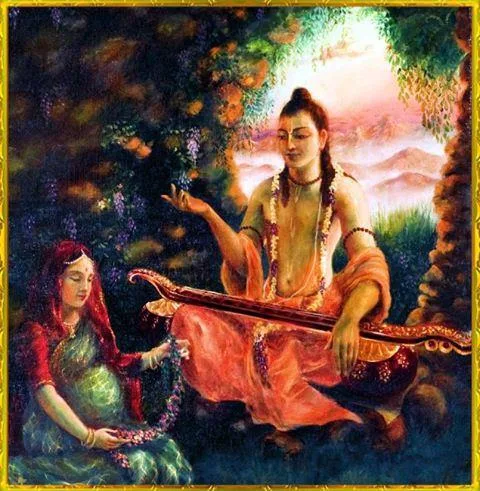
दैत्यराज हिरण्यकशिपु अपना राज्य छोड़कर मन्दराचल पर्वत पर कठोर तपस्या करने गए। तब इन्द्र के नेतृत्व में देवताओं ने अवसर देखा और बिना रक्षा वाली राजधानी पर आक्रमण कर दिया। हिरण्यकशिपु की गर्भवती रानी कयाधु को बन्दी बना लिया गया। इन्द्र ने मान लिया था कि उसकी सन्तान बड़ी होकर एक और दैत्य बनेगी। इसलिए इन्द्र उसे सन्तान के जन्म तक बन्दी रखना चाहते थे, ताकि जन्म लेते ही शिशु को मार दिया जाए। इन्द्र के सैनिक उसे घसीटकर ले जा रहे थे और वह बाज़ के पंजे में फँसे पक्षी की तरह चीख रही थी। उसी समय संयोग से नारद मुनि वहाँ से गुज़रे। उन्होंने तुरन्त बीच में पड़कर इन्द्र से कहा कि यह स्त्री निष्पाप है और इसे छोड़ देना चाहिए। इन्द्र ने आपत्ति की कि उसके गर्भ में एक महान् दैत्य का बीज है। तब नारद ने ऐसा उत्तर दिया, जिसकी इन्द्र को आशा नहीं थी। उन्होंने कहा कि उसके गर्भ का शिशु निर्दोष है, भगवान् का महान् भक्त है, और उसे कोई नहीं मार सकेगा। नारद के वचन का सम्मान करते हुए इन्द्र ने उसे तुरन्त छोड़ दिया।
गर्भ में दिया और ग्रहण किया गया उपदेश #
इसके बाद नारद कयाधु को अपने आश्रम में ले गए। हिरण्यकशिपु के लौटने तक, उन सब महीनों में, उन्होंने उसे अपनी सुरक्षा में रखा। वहाँ कयाधु ने भक्ति-भाव से उनकी सेवा की। प्रह्लाद बताते हैं कि पतित जीवों के प्रति अपनी स्वाभाविक करुणा के कारण नारद ने उसे विस्तार से भागवत-धर्म का उपदेश दिया। भागवत-धर्म वह दिव्य ज्ञान है, जिसे भौतिक दोष छू भी नहीं पाते। प्रह्लाद कोमलता से यह भी मानते हैं कि आगे के वर्षों में कयाधु स्वयं उस उपदेश का लगभग सब कुछ भूल गई। लेकिन उसके गर्भ में स्थित शिशु नहीं भूला। प्रह्लाद महाराज साफ़ कहते हैं कि नारद की कृपा ने सीधे उन्हें आशीर्वाद दिया था, इसलिए उन्हें हर शब्द याद रहा। जन्म से पहले मिले इसी उपदेश ने उन्हें बचपन से ही वह अटल भक्त बनाया, जिसे इतिहास याद करता है। यह कोई ऐसी बात नहीं थी, जो उन्होंने बाद में अपने पिता के दैत्यों से भरे घर में सीखी हो।
नारद ने वास्तव में क्या सिखाया #
वर्षों बाद प्रह्लाद महाराज ने यह उपदेश अपने दैत्य सहपाठियों को फिर से सुनाया। उन्होंने हर शब्द नहीं, बल्कि उसकी मुख्य बातें बताईं। संक्षेप में, उन्होंने कहा कि आत्मा कभी भी वह भौतिक शरीर नहीं है, जिसमें वह इस समय रह रही है। शरीर जन्म लेता है, बढ़ता है, परिपक्व होता है, उससे दूसरी वस्तुएँ उत्पन्न होती हैं, फिर वह क्षीण होता है और मर जाता है। हर भौतिक वस्तु इन छह परिवर्तनों से गुज़रती है। लेकिन शरीर के भीतर की आत्मा इनमें से किसी परिवर्तन से नहीं गुज़रती, क्योंकि वह आध्यात्मिक और स्वयं-प्रकाशित है। वह शरीर को जानने वाली है, स्वयं शरीर नहीं है। प्रह्लाद ने शरीर के भीतर इस आत्मा को खोजने की तुलना एक कुशल भूवैज्ञानिक के काम से की। जहाँ अनजान आँख को केवल पत्थर दिखता है, वहाँ ऐसा व्यक्ति पत्थर में छिपा सोना देख लेता है। उन्होंने कहा कि इसकी विधि सावधानी और धैर्य से भरी एक प्रक्रिया है। इसमें जो कुछ आत्मा नहीं है, उसे एक-एक करके अलग किया जाता है और कहा जाता है, "यह वह नहीं है, यह वह नहीं है"। यह तब तक चलता है, जब तक केवल आध्यात्मिक कण शेष न रह जाए। श्रीमद्भागवतम् यही विधि स्पष्ट रूप से सिखाता है: "विश्लेषण द्वारा ही इस आत्मा को खोजना पड़ता है, यह कहते हुए, 'यह वह नहीं है, यह वह नहीं है', जब तक पदार्थ से आत्मा पृथक् न हो जाए" (श्रीमद्भागवतम् 7.7.23)। प्रह्लाद महाराज आगे चलकर वैदिक साहित्य में आत्मा के सबसे प्रसिद्ध दार्शनिकों में से एक बने। फिर भी उन्हें इस प्रकार सोचना तब सिखाया गया था, जब उन्होंने सचमुच अपनी माता के शरीर से बाहर एक भी साँस नहीं ली थी।
इस प्रकार, जिस ऋषि ने ध्रुव महाराज का उद्धार किया, उन्हीं ने एक वास्तविक अर्थ में प्रह्लाद महाराज का भी उद्धार किया। और यह उद्धार प्रह्लाद के पहली साँस लेने से भी पहले हो गया था।
