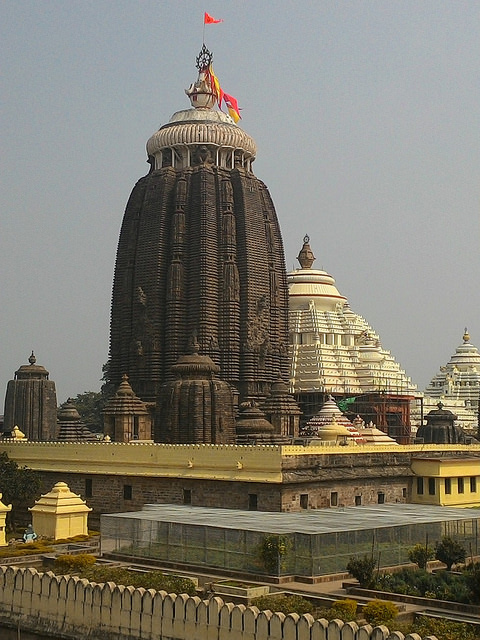
सार्वभौम भट्टाचार्य श्री चैतन्य महाप्रभु को ढूँढने नहीं निकले थे। उनकी पहली भेंट इसलिए हुई क्योंकि सार्वभौम, हमेशा की तरह, जगन्नाथ मन्दिर के निकट थे, और एक अजनबी उनके सामने अचेत होकर गिर पड़ा।
एक अज्ञात सन्न्यासी की मूर्च्छा #
सन् 1510 के आरम्भ में एक युवा सन्न्यासी जगन्नाथ मन्दिर में आए। उन्होंने भगवान के विग्रह के दर्शन किए, उन्हें गले लगाने के लिए वेदी की ओर दौड़े, और भूमि पर गिर पड़े। मन्दिर के पहरेदारों को वे एक भटकते भिखारी जैसे लगे, और वे उन्हें पीटकर बाहर निकालने ही वाले थे। संयोग से सार्वभौम वहीं उपस्थित थे। उनके गिरने में कुछ ऐसा था, जिसने सार्वभौम को रोक दिया। वे पहले ही उस युवा के सौन्दर्य को देख चुके थे। उन्होंने उनके शरीर में वे परिवर्तन भी देखे थे, जो भगवत्-प्रेम के भाव में दिखाई देते हैं। पहरेदार कुछ करते, उससे पहले ही सार्वभौम बीच में आ गए। फिर अपने छात्रों और मन्दिर के पहरेदारों की सहायता से वे अचेत सन्न्यासी को उठवाकर अपने घर ले गए।
एक चिकित्सक की परीक्षा #
घर पहुँचकर सार्वभौम ने वही किया, जो शास्त्रों का कोई भी सावधान विद्वान किसी निष्कर्ष पर पहुँचने से पहले करता। उन्होंने जाँच की। उन्होंने पेट में हलचल देखने की कोशिश की, पर कुछ नहीं मिला। उन्होंने श्वास देखी, वह भी नहीं मिली। जब उन्होंने नाक के आगे रुई का एक फाहा रखा और उसे हल्के से हिलते देखा, तभी उन्हें राहत मिली। निश्चल शरीर के पास बैठकर उन्होंने उन लक्षणों को पहचाना। चैतन्य-चरितामृत में बाद में इन्हें सुदीप्त-सात्त्विक कहा गया है। यह भाव में होने वाले शारीरिक परिवर्तनों के लिए एक शास्त्रीय शब्द है। शास्त्रों के अनुसार ऐसे लक्षण केवल नित्यमुक्त आत्माओं में ही प्रकट होते हैं। इसलिए सार्वभौम समझ नहीं पाए कि ऐसा कुछ एक साधारण मानव शरीर में कैसे प्रकट हो सकता है (चैतन्य-चरितामृत, मध्य-लीला 6.9-12)।
पुराने परिवार का सम्बन्ध #
सार्वभौम अचेत सन्न्यासी की देखभाल कर रहे थे, तभी नित्यानन्द प्रभु और भगवान के साथ यात्रा कर रहे भक्तों तक यह समाचार पहुँचा कि भगवान को मन्दिर के पास एक घर में ले जाया गया है। जिन्होंने मन्दिर के द्वार पर इन भक्तों को पाया और उन्हें वहाँ ले गए, वे सार्वभौम के अपने बहनोई गोपीनाथ आचार्य थे। उनका विवाह सार्वभौम की बहन से हुआ था। वे भी नदिया के थे, और पहले से ठीक-ठीक जानते थे कि यह सन्न्यासी कौन हैं। जैसे ही भक्तों ने पवित्र नामों का कीर्तन शुरू किया, भगवान बाह्य चेतना में लौट आए। अपने ही क्षेत्र से आए अतिथियों की मेज़बानी करके सार्वभौम बहुत प्रसन्न हुए। उन्होंने सबको भरपेट भोजन कराया और समुद्र में स्नान के लिए भेजा। फिर उन्हें उस युवा सन्न्यासी के परिवार का पता चला। वे नीलाम्बर चक्रवर्ती के नाती थे। नीलाम्बर चक्रवर्ती ऐसे विद्वान थे, जिनका सम्मान सार्वभौम के अपने पिता महेश्वर विशारद भी करते थे। ये युवा सन्न्यासी जगन्नाथ मिश्र के पुत्र थे, और सन्न्यास से पहले उनका नाम विश्वम्भर मिश्र था। अब सार्वभौम की रुचि व्यक्तिगत हो गई। वे आयु में उस युवा सन्न्यासी के पिता जितने थे, और उनके मन में ठीक वैसी ही रक्षा करने वाली ममता जागने लगी।
एक सद्भावनापूर्ण, भूलभरी योजना #
उस ममता से एक ऐसी योजना बनी, जिसे सार्वभौम पूरी तरह उचित मानते थे। उनके सामने लगभग चौबीस वर्ष का एक बहुत सुन्दर युवक था, जो भगवान के विग्रह को देखते ही रो पड़ता, मूर्च्छित हो जाता और नाचने लगता। उन्होंने हाल ही में केशव भारती से सन्न्यास लिया था। सन्न्यास-परम्पराओं को सार्वभौम जिस क्रम में रखते थे, उसमें यह केवल एक साधारण परम्परा थी। जीवन भर तर्कशास्त्र में लगे विद्वान को यह सब पवित्रता जैसा नहीं लगा। उन्हें यह ऐसा लगा, जैसे एक श्रेष्ठ बुद्धि बेकाबू भावुकता के कारण नष्ट होने वाली हो। सार्वभौम ने पूरी सच्चाई से यह भी कहा कि वे उनके लिए किसी ऊँचे सन्न्यास सम्प्रदाय में फिर से दीक्षा की व्यवस्था कर देंगे। उन्होंने जो उपाय चुना, वह यह था कि वे भगवान को लगातार वेदान्त दर्शन सुनाते रहें, जब तक इतनी भावुकता की जगह शान्त वैराग्य न आ जाए।
गोपीनाथ आचार्य का विरोध #
गोपीनाथ आचार्य भली-भाँति जानते थे कि उनके बहनोई के घर में कौन ठहरे हैं। उन्होंने शिष्टता की सीमा में रहते हुए इस योजना का जितना हो सका, उतना कड़ा विरोध किया। उन्होंने कहा कि परमेश्वर को केवल उनकी अपनी कृपा से ही जाना जा सकता है, तर्क या विद्वत्ता से कभी नहीं। और सार्वभौम अपनी सारी विद्वत्ता के बाद भी उस सत्य को नहीं देख पा रहे थे, जो ठीक उनके सामने था। सार्वभौम पर इसका कोई असर नहीं हुआ। उन्होंने उत्तर दिया कि शास्त्र स्वयं कहते हैं कि इस कलियुग में विष्णु का कोई अवतार नहीं होता। जब यह बातचीत श्री चैतन्य महाप्रभु को बताई गई, तो उन्होंने सार्वभौम के विरुद्ध एक शब्द भी सुनने से मना कर दिया। उन्होंने अपने भक्तों से कहा कि भट्टाचार्य केवल पिता जैसे स्नेह के कारण ऐसा कर रहे हैं। महाप्रभु ने उन्हें पूरी तरह अपना गुरु स्वीकार किया। इसी से उन सात दिनों की एकतरफा वेदान्त शिक्षा का मार्ग बना, जिसका वर्णन सात दिनों का मौन में है।
