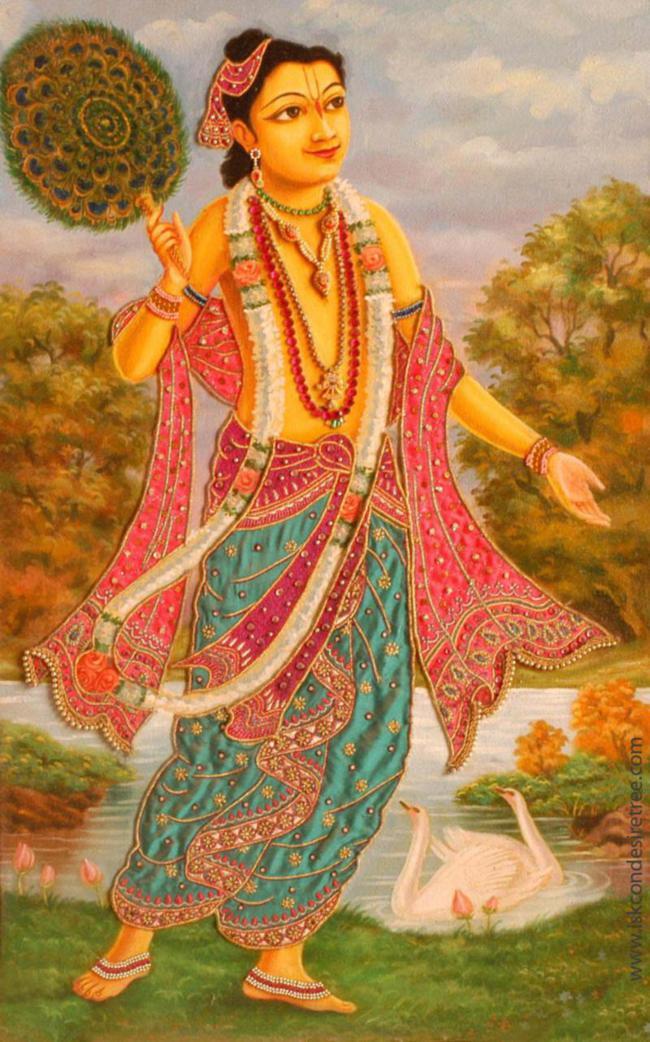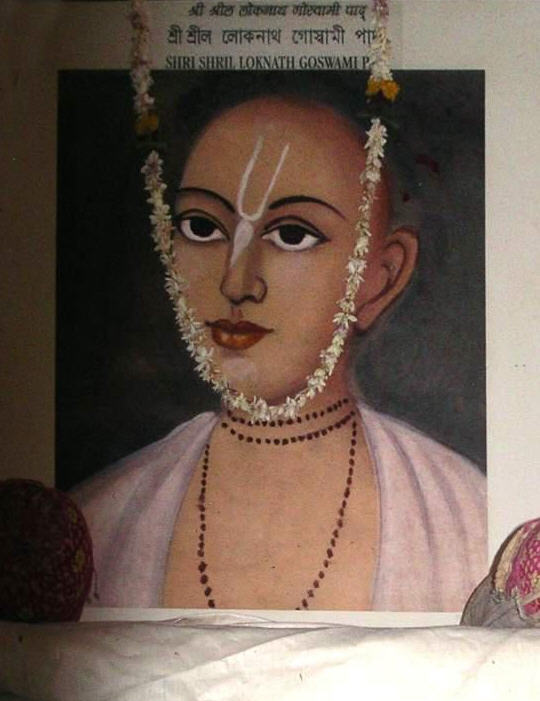
गोपीनाथ पट्टनायक
जल्लाद की तलवारों से बचाया गया राजस्व अधिकारी
अन्य नाम गोपीनाथ पट्टनायक, पट्टनायक गोपीनाथ, गोपीनाथ पटनायक
“आपकी वास्तविक कृपा रामानन्द राय और वाणीनाथ राय पर हुई है, क्योंकि आपने उन्हें समस्त भौतिक ऐश्वर्य से विरक्त कर दिया है। मुझे लगता है कि मुझ पर वह कृपा नहीं हुई। कृपया मुझ पर भी अपनी शुद्ध कृपा कीजिए, जिससे मैं भी विरक्त हो सकूँ।”
चांगे से मुक्त होने के बाद गोपीनाथ पट्टनायक के श्री चैतन्य महाप्रभु से कहे गए ये शब्द (श्री चैतन्य-चरितामृत, अन्त्य-लीला 9.137-139)।
गोपीनाथ पट्टनायक अपने जीवन के एक असाधारण प्रसंग के लिए स्मरण किए जाते हैं। चैतन्य-चरितामृत ने इस प्रसंग को इतना महत्त्व दिया कि उस अध्याय का नाम ही उनके नाम पर रखा गया। वे भवानन्द राय के पाँच पुत्रों में दूसरे थे। भवानन्द राय ओडिशा के गजपति राज्य के एक वरिष्ठ अधिकारी थे। गोपीनाथ श्री रामानन्द राय के सगे छोटे भाई थे। रामानन्द राय पहले एक राज्यपाल थे, और बाद में जगन्नाथ पुरी में श्री चैतन्य महाप्रभु के सबसे निकट सहयोगियों और विश्वासपात्रों में से एक बने। गोपीनाथ स्वयं एक सरकारी पद पर थे और गजपति राजकोष के लिए राजस्व इकट्ठा करते थे। उन पर बहुत बड़ी राशि बकाया रह गई, और इसके दण्ड में उन्हें मार डालने के लिए तलवारों वाले एक मंच पर चढ़ाया गया। तभी महाप्रभु की कृपा ने ऐसे ढंग से काम किया, जिसकी किसी को आशा नहीं थी। उस कृपा ने उनके प्राण बचाए और उनका पद भी लौटा दिया। इसके बाद गोपीनाथ ने इन दोनों से भी अधिक मूल्यवान वस्तु माँगी।
| विषय | विवरण |
|---|---|
| पूरा नाम | गोपीनाथ पट्टनायक (गोपीनाथ पटनायक भी लिखा जाता है; पट्टनायक कोई व्यक्तिगत नाम नहीं, बल्कि ओडिया प्रशासनिक परिवार में पीढ़ी-दर-पीढ़ी चली आई एक उपाधि है) |
| परिवार | भवानन्द राय के पाँच पुत्रों में दूसरे; रामानन्द राय के छोटे भाई और नायक वाणीनाथ के बड़े भाई |
| पहचान | उन पाँच पुत्रों में से एक, जिन्हें महाप्रभु ने पाँच पाण्डव कहा; उनके लिए किसी एक पाण्डव का नाम नहीं मिलता (चैतन्य-चरितामृत आदि 10.132-133) |
| सरकारी पद | गजपति महाराज प्रतापरुद्र के राज्य में मलाजथ्य दण्डपाट स्थान पर तहसीलदार (राजस्व अधिकारी) |
| प्रसिद्धि का कारण | राजकोष में हुई कमी के कारण मृत्युदंड की आज्ञा, फिर श्री चैतन्य महाप्रभु की कृपा से मुक्ति |
| काल | सोलहवीं शताब्दी का आरंभिक भाग, जब श्री चैतन्य महाप्रभु जगन्नाथ पुरी में निवास कर रहे थे |
| मूल स्रोत | श्री चैतन्य-चरितामृत, अन्त्य-लीला, अध्याय नौ, जिसका शीर्षक ही है "गोपीनाथ पट्टनायक की मुक्ति" |
कृष्ण के एक नाम पर रखा गया दूसरा पुत्र #
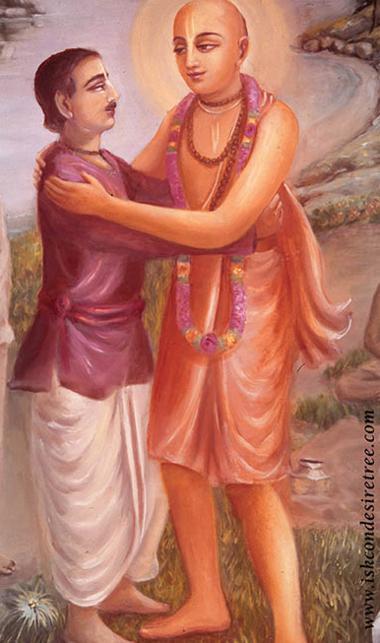
गोपीनाथ नाम का अर्थ है "गोपों के स्वामी", जो कृष्ण का ही एक नाम है। पट्टनायक कोई व्यक्तिगत नाम नहीं है। यह एक पद है, जो गजपति राज्य की सेवा में उनके परिवार को पीढ़ी-दर-पीढ़ी मिलता आया था। श्री चैतन्य-चरितामृत बताता है कि एक बार श्री चैतन्य महाप्रभु ने भवानन्द राय को गले लगाकर स्पष्ट कहा कि वे पहले महाभारत के महाराज पाण्डु थे। उन्होंने यह भी कहा कि उनके पाँचों पुत्र वही पाँच पाण्डव भाई हैं, जिन्होंने फिर जन्म लिया है। ग्रन्थ उनके नाम इस क्रम में देता है: रामानन्द राय, पट्टनायक गोपीनाथ, कलानिधि, सुधानिधि और नायक वाणीनाथ। गोपीनाथ इन पाँचों में दूसरे थे, रामानन्द राय के बाद और कलानिधि, सुधानिधि तथा वाणीनाथ से पहले। इस काल पर लिखा गया एक बाद का भक्ति-ग्रन्थ है, श्रील भक्ति बल्लभ तीर्थ महाराज कृत श्री चैतन्य: उनका जीवन और परिकर। यह ग्रन्थ बताता है कि परिवार का घर ब्रह्मगिरि (जिसे अलालनाथ भी कहते हैं) के पास बेंतापुरा गाँव में था। यह भी कहता है कि वहाँ के वंशज आज भी परिवार की उसी उपाधि से बना एक उपनाम रखते हैं। इस विवरण को बाद की परम्परा के रूप में देखना चाहिए, न कि ऐसी बात के रूप में जो श्री चैतन्य-चरितामृत स्वयं बताता हो।
श्री चैतन्य-चरितामृत के ये दो श्लोक हैं। पहले में महाप्रभु के अपने वचन हैं, और दूसरे में कृष्णदास कविराज गोस्वामी पुत्रों के नाम गिनाते हैं:
आलिङ्गन करि' ताँरे बलिल वचन ।
तुमि पाण्डु, पञ्च-पाण्डव, तोमार नन्दन ॥
"राय भवानन्द का आलिंगन करके प्रभु ने उनसे कहा, 'तुम पहले पाण्डु के रूप में प्रकट हुए थे, और तुम्हारे पाँच पुत्र पाँच पाण्डवों के रूप में प्रकट हुए थे।'" (चैतन्य-चरितामृत आदि 10.132)
रामानन्द राय, पट्टनायक गोपीनाथ ।
कलानिधि, सुधानिधि, नायक वाणीनाथ ॥
"भवानन्द राय के पाँच पुत्र थे: रामानन्द राय, पट्टनायक गोपीनाथ, कलानिधि, सुधानिधि और नायक वाणीनाथ।" (चैतन्य-चरितामृत आदि 10.133)
गजपति राज्य के तहसीलदार #
उनका घर-परिवार कितना भी भक्तिमय रहा हो, गोपीनाथ का कामकाजी जीवन पूरी तरह सांसारिक था। वे तहसीलदार, यानी राजस्व अधिकारी, थे और मलाजथ्य दण्डपाट नाम के स्थान पर तैनात थे। वे गजपति राजकोष को देय धन इकट्ठा करते और उसे राजकोष में जमा करते थे। राजकोष के इस हिसाब में धन की गिनती कौड़ियों में होती थी। श्री चैतन्य-चरितामृत के अनुसार जिस कमी ने उन्हें संकट में डाला, वह दो लाख कहन कौड़ियों की थी। उस समय की कौड़ी-अर्थव्यवस्था में यह सचमुच बहुत बड़ी राशि थी। यह वही गजपति शासन था, जिस पर महाराज प्रतापरुद्र राज्य करते थे। रामानन्द राय कुछ समय पहले तक इसी राज्य के एक प्रान्त के शासक रह चुके थे। गोपीनाथ का परिवार अधिकारियों का था, संन्यासियों का नहीं। फिर भी महाप्रभु ने उनकी भक्ति को पूरी गम्भीरता से लिया।
मृत्युदंड की आज्ञा, फिर मुक्ति #
जब गोपीनाथ यह कमी पूरी न कर सके, तो उन्होंने इसके बदले राजकोष को कई उत्तम घोड़े देने का प्रस्ताव रखा। घोड़ों का मूल्य आँकने के लिए एक राजकुमार भेजा गया, और उसने उनका मूल्य बहुत कम आँका। गोपीनाथ ने इस पर उसका उपहास किया। अपमानित राजकुमार ने राजा के पास लौटकर उन्हें दण्ड देने की अनुमति ले ली। उसने गोपीनाथ को चांगा नाम के एक मंच पर चढ़वा दिया, जिसके नीचे तलवारें गड़ी थीं। यह मृत्युदण्ड का एक साधन था, जिसमें दोषी व्यक्ति को ऊपर से नीचे तलवारों पर फेंककर मारा जाता था। उसी समय उनके छोटे भाई नायक वाणीनाथ और परिवार के बाकी लोग भी बन्दी बना लिए गए। जब भक्त दौड़कर महाप्रभु को यह समाचार देने पहुँचे, तो उन्होंने तुरन्त सीधे हस्तक्षेप नहीं किया। पहले उन्होंने ऐसा उत्तर दिया, जिसे ग्रन्थ स्नेह-भरा क्रोध कहता है। उन्होंने कहा कि गोपीनाथ ने सचमुच सरकारी धन का दुरुपयोग किया है, और पूछा कि ऐसे में दण्ड देने के लिए राजा को दोषी कैसे कहा जा सकता है। यह उत्तर सुनकर वे भक्त चौंक गए, जो आसानी से छुटकारे की आशा लेकर आए थे। महाप्रभु वास्तव में क्या सुनना चाहते थे, इसका पूरा विवरण गोपीनाथ पट्टनायक की मुक्ति पर मिलता है। उसी पृष्ठ पर यह भी बताया गया है कि पुजारी काशी मिश्र के शान्त प्रयासों और राजा प्रतापरुद्र के अपने हृदय-परिवर्तन से यह संकट कैसे सुलझा। परिवार की विस्तृत पृष्ठभूमि पाँच पाण्डवों में दूसरे पर बताई गई है।
गोपीनाथ ने स्वयं क्या माँगा #
गोपीनाथ के सुरक्षित होने के बाद जो हुआ, वह शायद उनकी मुक्ति से भी अधिक बताता है। उन्होंने केवल अपनी स्वतन्त्रता, अपने लौटे हुए पद, या राजा द्वारा दिए गए दुगुने वेतन और रेशमी वस्त्र की खुशी नहीं मनाई। महाप्रभु के चरणों में गिरकर उन्होंने साफ़ कहा कि यह तो केवल एक क्षणभंगुर भौतिक फल है। उन्होंने कहा कि असली कृपा तो उनके भाइयों रामानन्द राय और वाणीनाथ को मिली है, जिन्हें महाप्रभु ने सांसारिक जीवन के मोह से पूरी तरह मुक्त कर दिया था। उन्होंने अपने लिए भी वही वैराग्य माँगा। महाप्रभु ने गोपीनाथ का माँगा हुआ वैराग्य नहीं दिया। इसके बजाय उन्होंने पाँचों भाइयों से कहा कि वे चाहे गृहस्थ रहें या संन्यासी बनें, वे सदा उनके नित्य सेवक ही रहेंगे। उन्होंने उन्हें एक व्यावहारिक निर्देश भी दिया: पहले जो देय है, उसे ईमानदारी से चुका दो। फिर जो बचे, उसे केवल धार्मिक कार्यों में लगाओ, किसी पाप-कर्म में कभी नहीं।
कृष्ण-लीला में पहचान, और एक ईमानदार अंतराल #
श्री चैतन्य-चरितामृत स्पष्ट कहता है कि ये पाँचों भाई, एक परिवार के रूप में, महाभारत के पाँच पाण्डव ही थे, जिन्होंने फिर जन्म लिया था (आदि-लीला 10.132)। लेकिन बाद के गौड़ीय साहित्य में, मुख्य रूप से कवि कर्णपुर की गौर-गणोद्देश-दीपिका में, केवल सबसे बड़े भाई की अलग पहचान बताई गई है। वहाँ रामानन्द राय को वृन्दावन के गोप अर्जुन के रूप में पहचाना गया है, और उनके साथ महाभारत के अर्जुन की पहचान भी जुड़ी है। किसी भी उपलब्ध स्रोत में गोपीनाथ की कोई अलग पहचान नहीं दी गई है। न उन्हें किसी विशेष पाण्डव के रूप में बताया गया है, न कृष्ण की वृन्दावन-लीला के किसी पात्र के रूप में, जैसे रामानन्द की पहचान विस्तार से बताई गई है। इस विषय में स्रोत मौन हैं, और हम इस कमी को अपनी ओर से भरने के बजाय यह बात ईमानदारी से कह रहे हैं। जो बात अच्छी तरह दर्ज है, वह यह है कि इसी प्रसंग में गोपीनाथ के भाई नायक वाणीनाथ भी उनके साथ बन्दी बनाए गए थे। उस पूरे समय वाणीनाथ निर्भय होकर अपनी अंगुलियों पर हरे कृष्ण महामंत्र का जप करते रहे। श्री चैतन्य-चरितामृत बताता है कि इस बात से महाप्रभु को उनकी मुक्ति से भी अधिक प्रसन्नता हुई। इससे यह भी पक्का होता है कि गोपीनाथ पट्टनायक और वाणीनाथ पट्टनायक सचमुच सगे भाई थे, एक ही पिता के पुत्र। मिलती-जुलती उपाधियों वाले ओडिया अधिकारियों के बीच जो भी भ्रम हो, यह बात उससे नहीं बदलती। श्रील प्रभुपाद ने स्वयं 1977 में मुंबई में एक कक्ष-वार्ता में गोपीनाथ की इस कथा का सीधे उल्लेख किया। उन्होंने इसे ऐसे भक्त के उदाहरण के रूप में बताया, जिसकी रक्षा कृष्ण की कृपा से हुई, इसलिए नहीं कि श्री चैतन्य महाप्रभु ने स्वयं राजा के सामने उसकी पैरवी की। सदियों बाद श्रील प्रभुपाद ने अपने शिष्यों के लिए इसी शिक्षा का सहारा लिया, जब उन्हें राजनीति और शक्तिशाली संरक्षकों से व्यवहार करना पड़ता था।
शास्त्र प्रमाण
ऊपर पाठ में उद्धृत:
- Adi 10.132 Sri Chaitanya-charitamrita ऊपर देखें ↑
- Adi 10.133 Sri Chaitanya-charitamrita ऊपर देखें ↑
अन्य शास्त्र प्रमाण:
এই পঞ্চ পুত্র তোমার মোর প্রিয়পাত্র ।
রামানন্দ সহ মোর দেহ-ভেদ মাত্র ॥
ei pañca putra tomāra mora priya-pātra
rāmānanda saha mora deha-bheda mātra
शब्दार्थ
ei: these; pañca: five; putra: sons; tomāra: your; mora: Mine; priya-pātra: very dear; rāmānanda saha: with Śrī Rāmānanda Rāya; mora: Mine; deha-bheda: bodily difference; mātra: only.
श्री चैतन्य महाप्रभु ने भवानन्द राय से कहा, "तुम्हारे पाँचों पुत्र मेरे प्रिय भक्त हैं। रामानन्द राय और मैं एक ही हैं, यद्यपि हमारे शरीर भिन्न हैं।"
तात्पर्य से: गौर-गणोद्देश-दीपिका (120-24) कहती है कि रामानन्द राय पहले अर्जुन थे।
इस श्लोक में महाप्रभु स्वयं घोषणा करते हैं कि गोपीनाथ सहित पाँचों भाई उनके प्रिय भक्त थे। यही परिवार की प्रतिष्ठा का आधार है। इसका तात्पर्य यह सीमा भी ईमानदारी से बताता है कि आगे केवल रामानन्द की व्यक्तिगत पहचान विस्तार से बताई गई है।
- Sri Chaitanya-charitamrita, Adi-lila 10.132-134 and purport, via vedabase.io
- Sri Chaitanya-charitamrita, Antya-lila, Chapter Nine ("The Deliverance of Gopinatha Pattanayaka"), via vedabase.io
- Sri Chaitanya-charitamrita, Madhya-lila 1.265 (chapter summary reference)
- Room Conversation, April 28 1977, Bombay ("Vairagya, Salaries, and Political Etiquette"), via vedabase.io
- Gaudiya History (ISKCON Desire Tree): Gopinath Pattanayaka
- Gaudiya History (ISKCON Desire Tree): Vaninatha Pattanayaka
- Gaudiya History (ISKCON Desire Tree): Ramananda Raya - Biography 2 (Gaura-ganoddesha-dipika verses)
- Parishads: Sri Gopinath Pattanayaka, by Srila Bhakti Ballabh Tirtha Maharaja
अक्सर पूछे जाने वाले प्रश्न
गोपीनाथ पट्टनायक का जन्म कब हुआ था?
गोपीनाथ पट्टनायक का प्राकट्य दर्ज नहीं में, एक परवर्ती भक्ति-ग्रंथ के अनुसार, ओडिशा में ब्रह्मगिरि (अलालनाथ) के निकट बेंतापुरा गाँव में हुआ।
गोपीनाथ पट्टनायक का तिरोभाव कब और कहाँ हुआ?
गोपीनाथ पट्टनायक का तिरोभाव दर्ज नहीं, अभिलिखित नहीं में हुआ।
गोपीनाथ पट्टनायक की प्रमुख लीलाएँ कौन-सी हैं?
यहाँ इन लीलाओं पर पृष्ठ उपलब्ध हैं: पाँच पाण्डवों में दूसरे, गोपीनाथ पट्टनायक की मुक्ति।