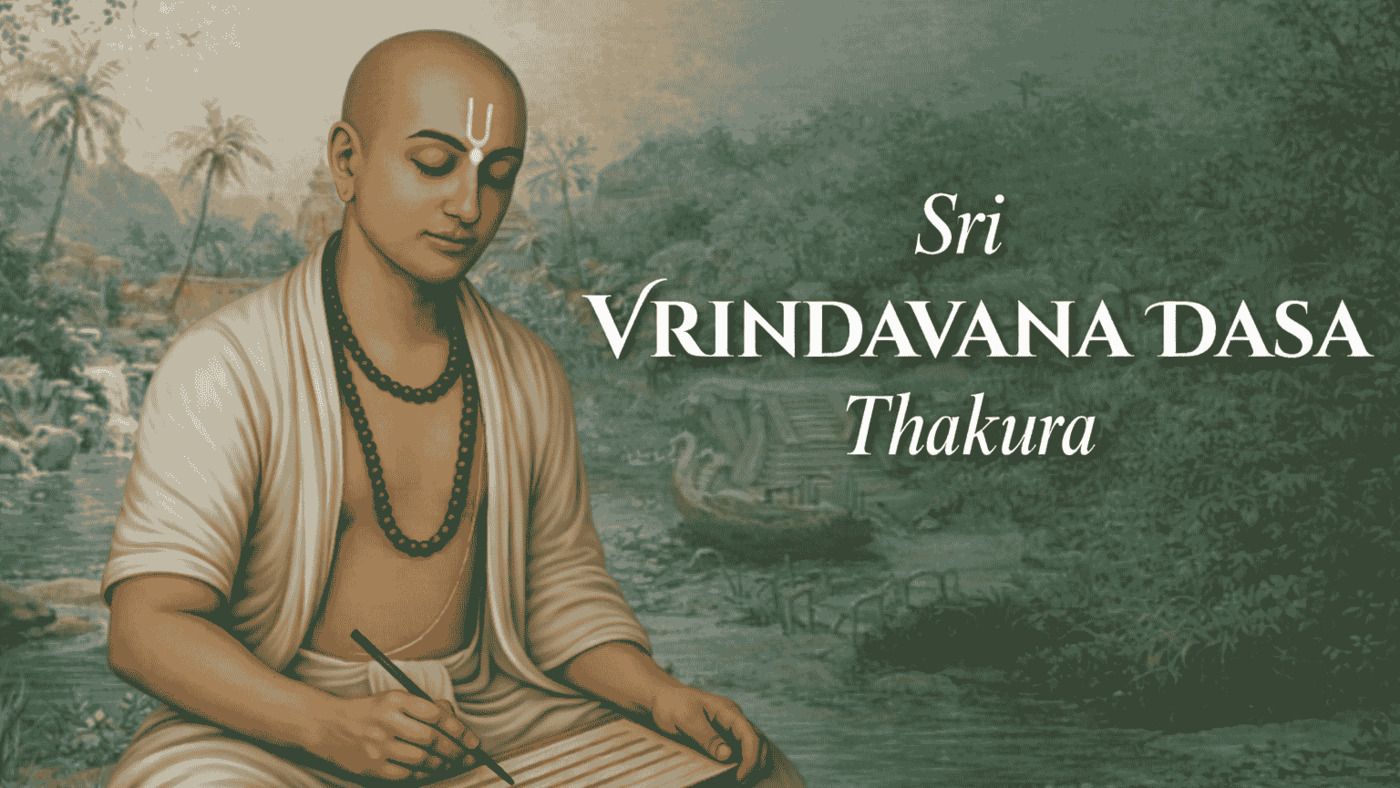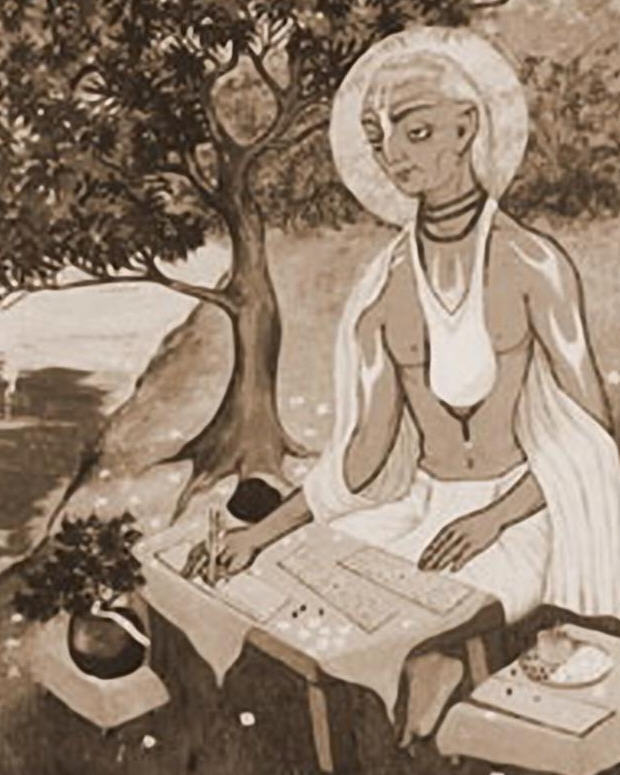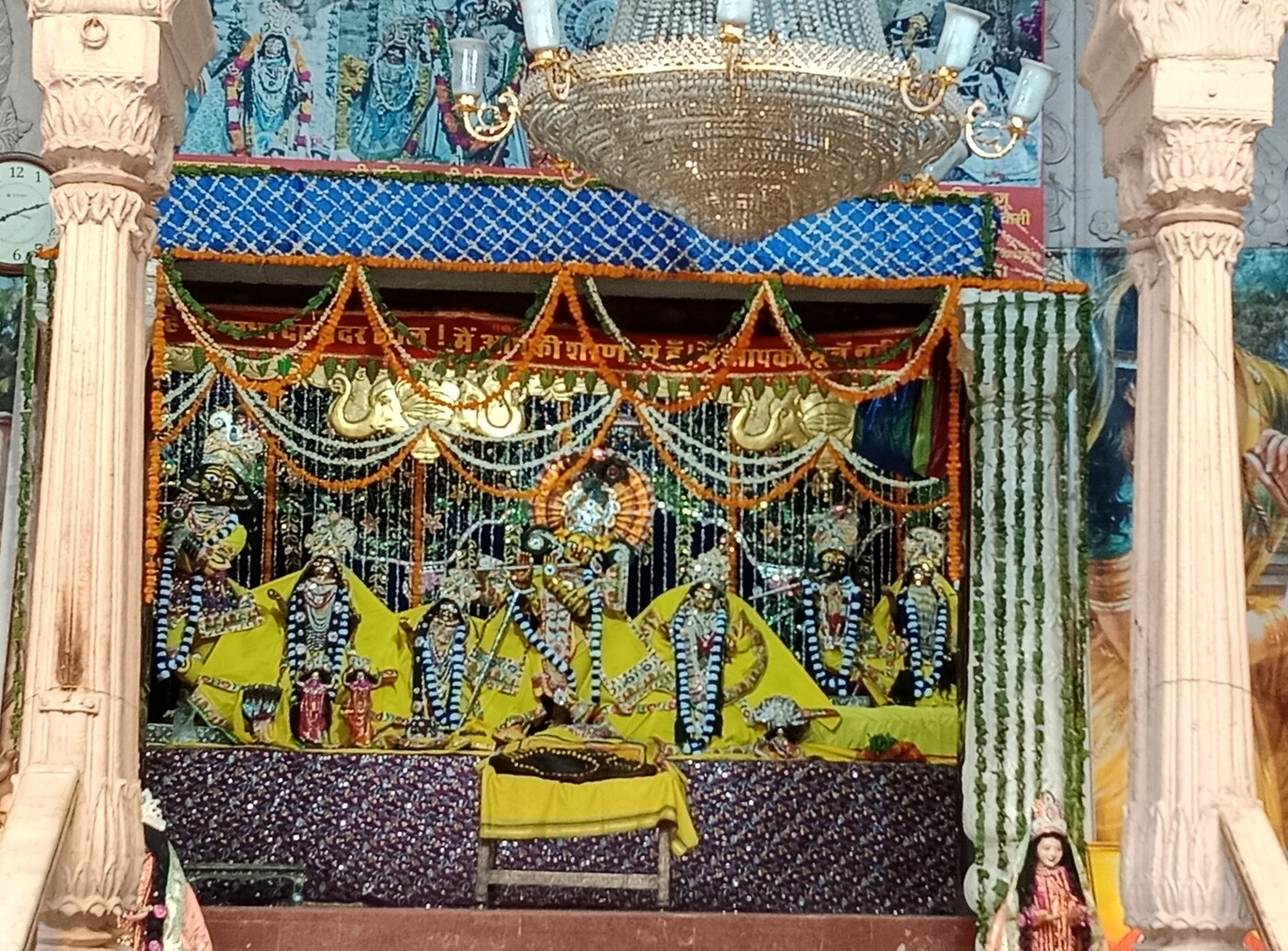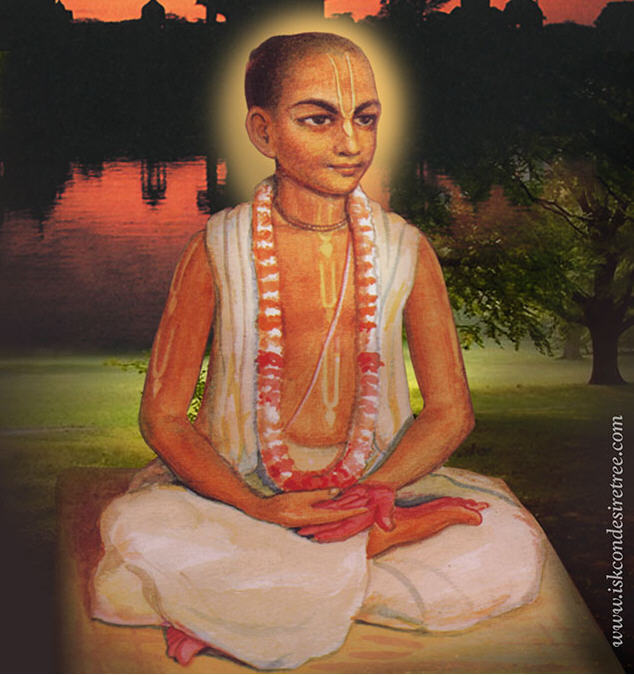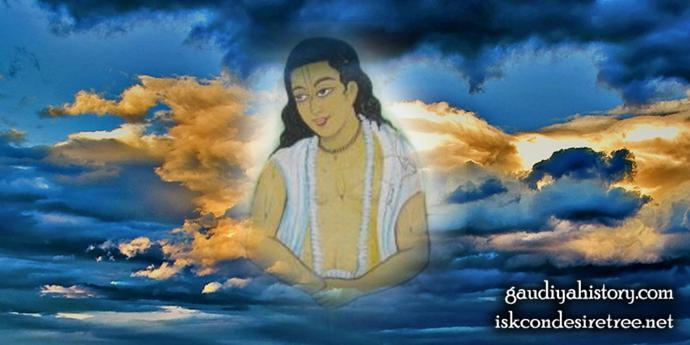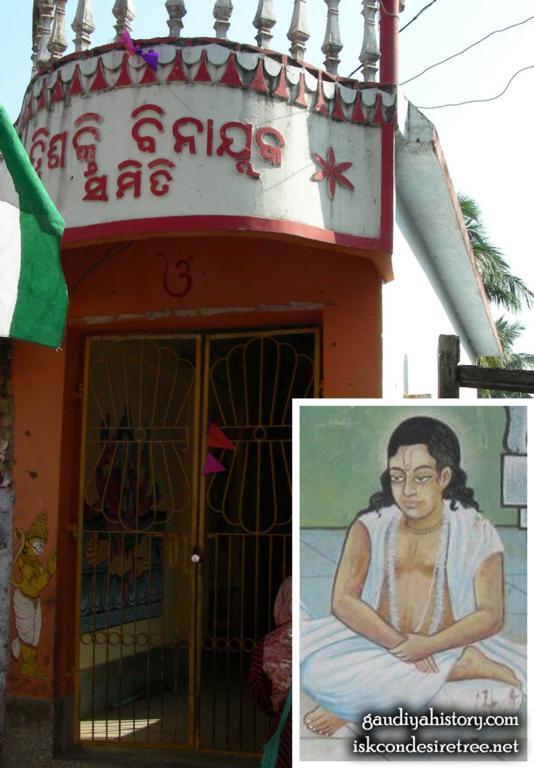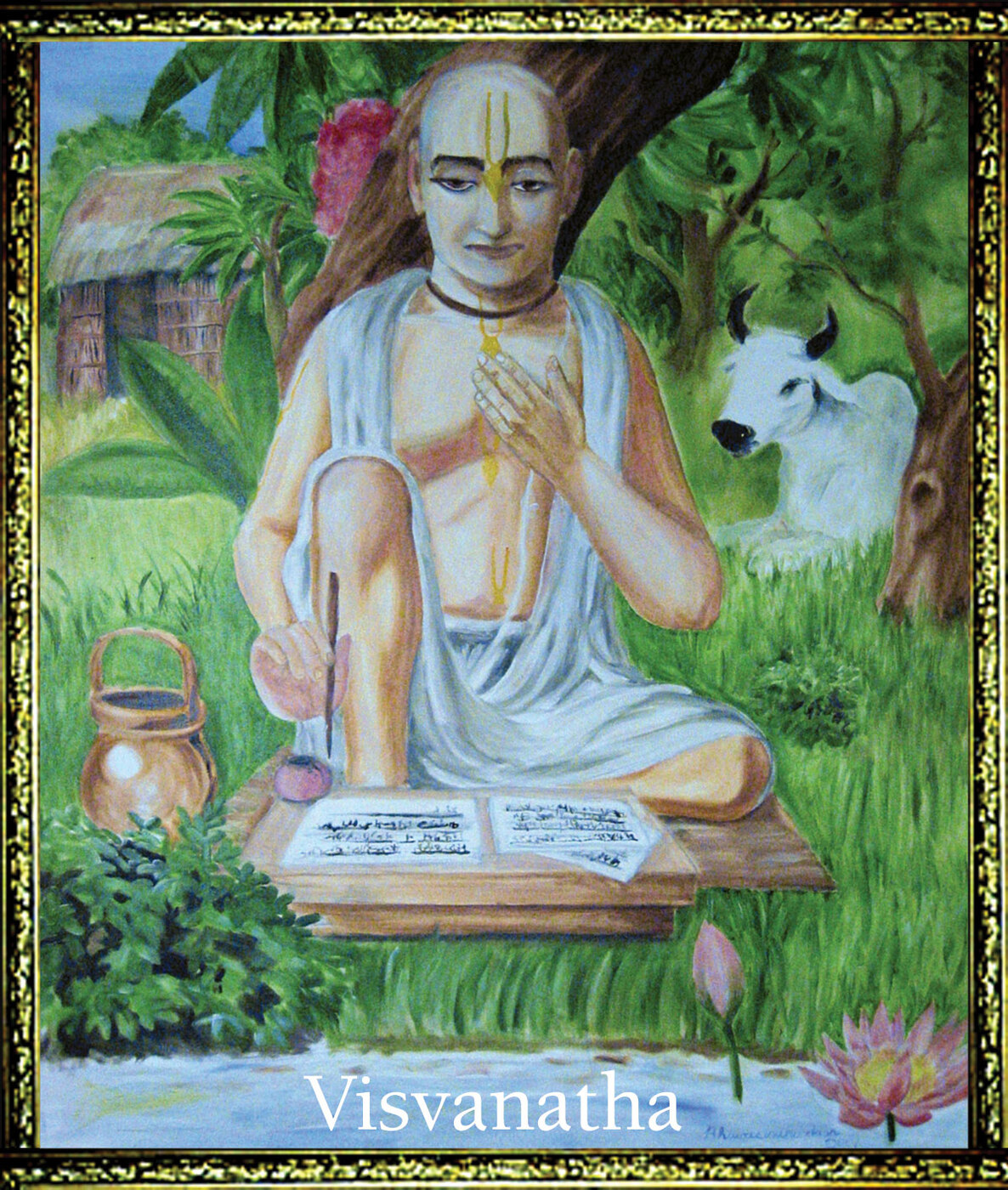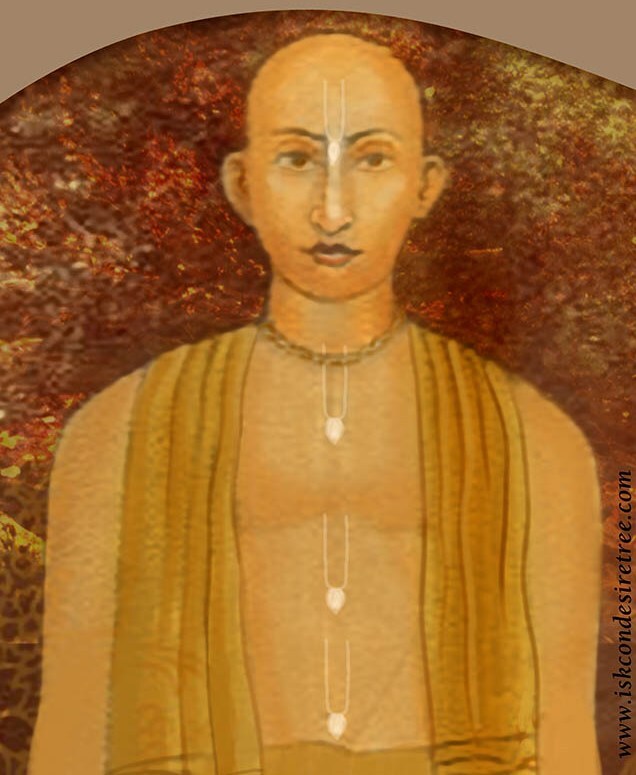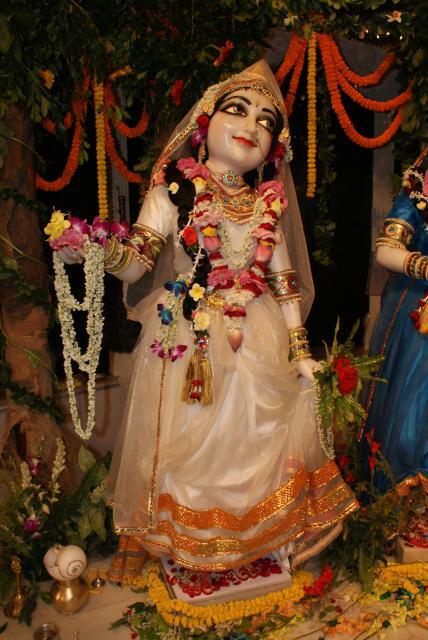
Srila Prabodhananda Saraswati
Author of Sri Radha-rasa-sudha-nidhi, Uncle and Guru of Gopala Bhatta Goswami
Also known as Prabodhananda Sarasvati, Prabodhananda Saraswati Thakura, Sri Prabodhananda Sarasvatipada
“For one who becomes a pure devotee through the mercy of Sri Chaitanya Mahaprabhu, kaivalya - merging into the impersonal Brahman - appears no better than hell; the heavenly planets appear like a flower imagined in the sky; the venomous fangs of the senses are pulled out; the whole universe seems full of bliss; and even Brahma and Indra seem no more than insects.”
Sri Chaitanya-chandramrita, verse 5 - quoted by Srila Prabhupada in Bhagavatam and Chaitanya-charitamrita purports
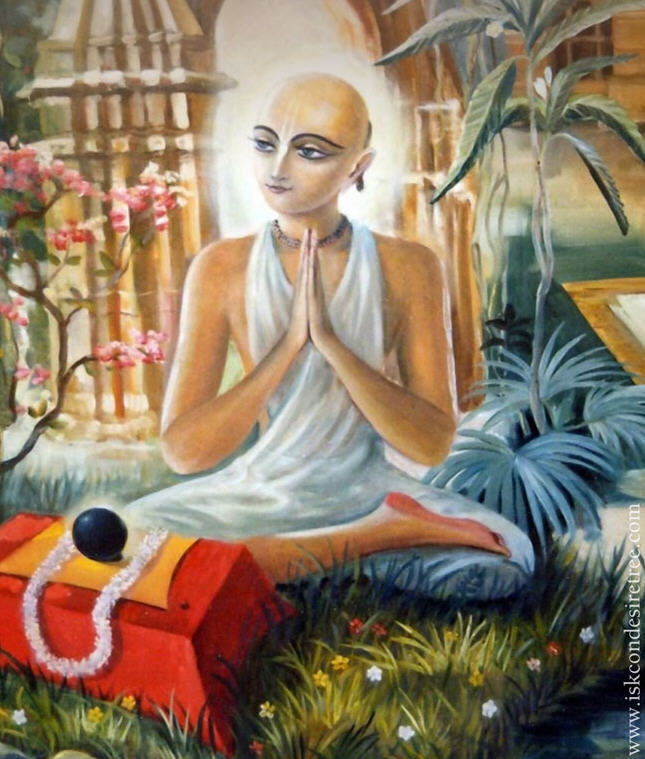
Srila Prabodhananda Saraswati was a Sri Vaishnava scholar of Srirangam in South India. Sri Chaitanya Mahaprabhu personally converted him to Gaudiya Vaishnavism, and he went on to become one of the most celebrated Sanskrit poets of the entire Gaudiya tradition. He is remembered above all for two things. First, he was the uncle and initiating guru of Sri Gopala Bhatta Goswami, one of the Six Goswamis of Vrindavana. Second, he wrote Sri Radha-rasa-sudha-nidhi, a poem on the glories of Srimati Radharani. Later Vaishnavas have treasured this poem so much that its verses are still used for songs and study today.
| Detail | Description |
|---|---|
| Family | Younger brother of Tirumalaya Bhatta and elder brother of Venkata Bhatta; uncle and guru of Gopala Bhatta Goswami |
| Identity | Tungavidya, one of Sri Radha's eight chief sakhis in Vraja (Gaura-ganoddesha-dipika 163) |
| Original home | Srirangam, South India, a Sri Vaishnava priestly family of the Ramanuja sampradaya |
| Converted by | Sri Chaitanya Mahaprabhu, during the Lord's four-month stay at Srirangam, 1433 Sakabda / A.D. 1511 |
| Later home | Kamyavana, in the Vraja-mandala near Mathura, then Vrindavana |
| Chief works | Sri Radha-rasa-sudha-nidhi, Sri Chaitanya-chandramrita, Sri Vrindavana-mahimamrita, Navadvipa-shataka |
| Disciple | Gopala Bhatta Goswami, one of the Six Goswamis of Vrindavana |
| Samadhi | Vrindavana, behind Kaliya Ghat |
A Sri Vaishnava Family at Srirangam #
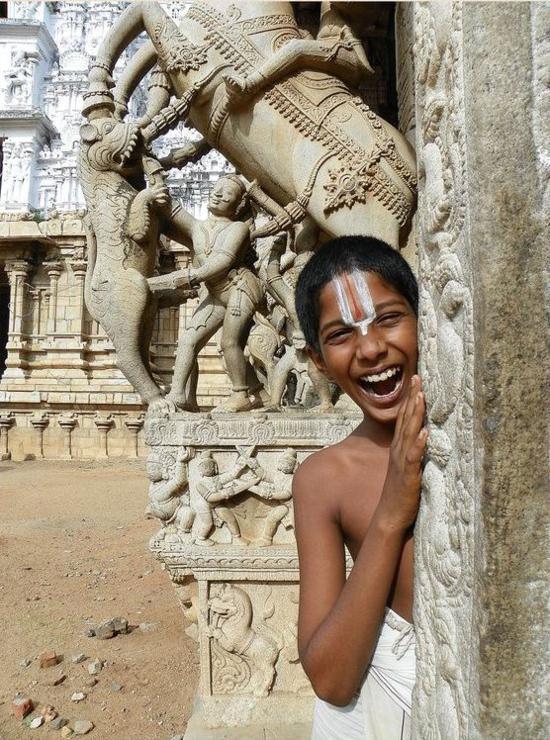
Prabodhananda Saraswati was born into a brahmana family of the Ramanuja sampradaya at Srirangam, the great temple town of Sri Ranganatha on the Kaveri River in South India. He was the middle of three brothers. Tirumalaya Bhatta was the eldest and the head of the family, and Venkata Bhatta was the youngest. All three served as acharyas of their Sri Vaishnava community and worshipped Lakshmi and Narayana with real, deep devotion. Venkata Bhatta's young son was Gopala Bhatta, who grew up to become his uncle's most important disciple. This South Indian family's full story is told in Birth and Life in South India, and from the nephew's own side in Sri Gopala Bhatta Goswami's biography.
Converted During Mahaprabhu's Four Months at Srirangam #
When Sri Chaitanya Mahaprabhu reached Srirangam on his long pilgrimage through South India, he spent the entire four months of Chaturmasya as a guest in Venkata Bhatta's house. Sri Chaitanya-charitamrita records the long, warm exchange in which Mahaprabhu drew Venkata Bhatta from Sri Vaishnava devotion to Lakshmi-Narayana toward the Gaudiya vision of Radha and Krishna in Vraja. By the time the four months ended, all three brothers, Prabodhananda included, had made that same turn. Srila Prabhupada's own purport to Chaitanya-charitamrita states plainly that Prabodhananda Sarasvati "belonged to the Ramanuja-sampradaya" before this meeting, and that he was among those the Lord met and transformed during that stay. The conversation, the conversion, and an old case of mistaken identity that has confused some later readers are told in full in Conversion to Gaudiya Vaishnavism.
Guru of Gopala Bhatta Goswami #
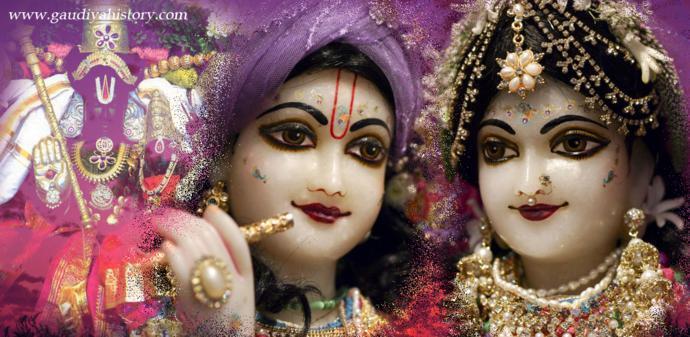
A few years after Mahaprabhu returned to Puri, Prabodhananda left Srirangam and settled in Kamyavana, one of the twelve forests of Vraja. There he absorbed himself in the intimate teachings the Lord had given him. In Kamyavana, and later in Vrindavana itself, he became guru to his own nephew. The opening verse of the Hari-bhakti-vilasa itself names Gopala Bhatta as "the disciple of Prabodhananda who is dear to the Lord." Among Rupa Gosvami, Sanatana Gosvami and the other Goswamis of Vrindavana, Prabodhananda was recognized as a rasika acharya of the first rank. Yet he asked that his own life not be described in Krishnadasa Kaviraja Goswami's Sri Chaitanya-charitamrita, out of the same deep humility his nephew was known for. This whole period, and the few small but meaningful episodes that survive from it, are told in Life Among the Goswamis of Vrindavana.
A Master Poet of Rasa #
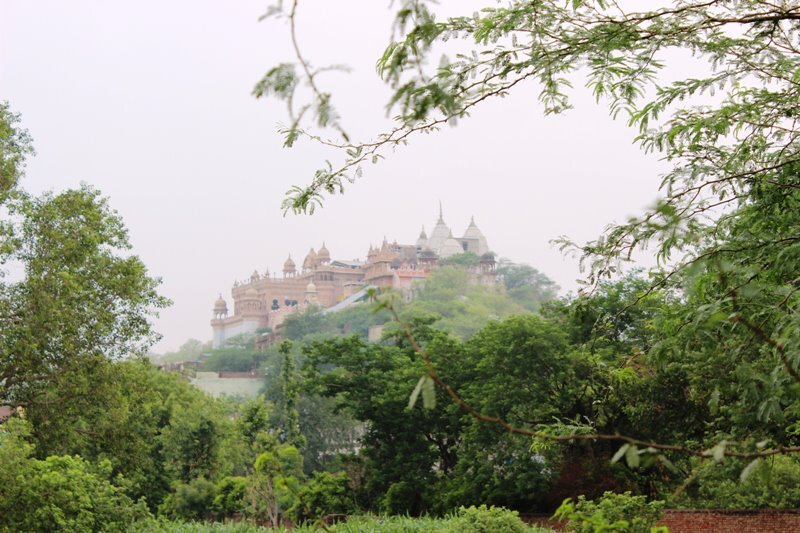
Prabodhananda's writings place him among the finest Sanskrit poets the Gaudiya sampradaya produced. Sri Radha-rasa-sudha-nidhi glorifies Srimati Radharani's own transcendental qualities and moods, in language later Vaishnavas have called unequalled for its sweetness. Sri Chaitanya-chandramrita is a long poem in praise of Sri Chaitanya Mahaprabhu. Srila Prabhupada quoted its verses again and again in his own lectures and purports. Among them is the celebrated kaivalyam narakayate verse. It says that to a devotee touched by Mahaprabhu's mercy, liberation itself looks like hell. Sri Vrindavana-mahimamrita glorifies the holy land of Vrindavana itself. A modern academic study has even raised questions about who really wrote Radha-rasa-sudha-nidhi. These questions are connected with the separate Radhavallabha sampradaya. But Gaudiya Vaishnava tradition, including Srila Prabhupada's own writings, has always credited the poem to Prabodhananda. A closer look at these works, at that scholarly question, and at how often Srila Prabhupada quoted them, is given in Literary Works and Radha-rasa-sudha-nidhi.
Disappearance and Legacy #
No known record gives the year of Prabodhananda Saraswati's disappearance. What has been preserved instead is the place. His samadhi stands in Vrindavana behind Kaliya Ghat. Tradition also remembers, as recorded in Kavi Karnapura's Gaura-ganoddesha-dipika, that he serves Sri Radha eternally in Goloka Vrindavana as Tungavidya, one of Her eight principal sakhis. His verses are still sung and studied. One of his hymns, the Sri Nityanandastakam, is preserved in the songs section. Srila Prabhupada also quoted his verse on humility from Chaitanya-chandramrita as a model for how devotees should approach others in preaching. Through Gopala Bhatta Goswami, his influence also reaches into the Hari-bhakti-vilasa and the worship of Sri Radha Raman in Vrindavana. The full picture is drawn together in Disappearance and Legacy.
Kavi Karnapura's words in the Gaura-ganoddesha-dipika (verse 163) are:
tuṅgavidyā vraje yāsīt sarva-śāstra-viśāradā
sā prabodhānanda-yatir gaurodgāna-sarasvatī
"Tungavidya-gopi, who lived in Vrajabhumi and was learned in all the scriptures, appeared later as Prabodhananda Sarasvati, the poet who eloquently glorified the transcendental qualities of Lord Caitanya." (Gaura-ganoddesha-dipika 163)
Scriptural evidence
Quoted in the text above:
- Verse 163 Gaura-ganoddesha-dipika
Further verses:
acaitanyam idaṁ viśvaṁ yadi caitanyam īśvaram
na viduḥ sarva-śāstra-jñā hy api bhrāmyanti te janāḥ
Word for word
acaitanyam - devoid of Krishna consciousness; idam viśvam - this material world; caitanyam īśvaram - the Lord Krishna consciousness personified; na viduḥ - do not understand; sarva-śāstra-jñāḥ - those learned in all scripture; api bhrāmyanti - still wander uselessly
This material world is without Krishna consciousness. Lord Chaitanya Mahaprabhu is Krishna consciousness personified. Therefore if a very learned scholar or scientist does not understand Sri Chaitanya Mahaprabhu, certainly he is wandering uselessly in this world.
One of three consecutive Chaitanya-chandramrita verses Srila Prabhupada quotes together in this purport, illustrating how highly Srila Prabhupada valued Prabodhananda's poetry as a teaching tool.
- Sri Chaitanya-charitamrita, Adi-lila 7.149 and purport (Bhaktivedanta VedaBase)
- Sri Chaitanya-charitamrita, Madhya-lila 17.104 and purport (Bhaktivedanta VedaBase)
- Sri Chaitanya-charitamrita, Adi-lila 13.123 and purport (Bhaktivedanta VedaBase)
- Srimad-Bhagavatam 9.5.25, purport (Bhaktivedanta VedaBase)
- Prabodhananda Saraswati - Biography, Gaudiya History
- Prabodhananda Saraswati, Gaudiya History
- Sri Gopala Bhatta Goswami's biography, this site
- Brzezinski, J.K. (1992), "Prabodhananda, Hita Harivamsa and the Radharasasudhanidhi", Bulletin of the School of Oriental and African Studies 55(3), pp. 472-497
Disciples
Frequently asked
When was Srila Prabodhananda Saraswati born?
Srila Prabodhananda Saraswati appeared Not recorded; a generation senior to his nephew Gopala Bhatta Goswami (born c. 1503) in Srirangam, South India.
Who was the guru of Srila Prabodhananda Saraswati?
The spiritual master of Srila Prabodhananda Saraswati was Sri Chaitanya Mahaprabhu.
When and where did Srila Prabodhananda Saraswati disappear?
Srila Prabodhananda Saraswati disappeared Not recorded in available sources at Vrindavana (samadhi behind Kaliya Ghat).
What are the main pastimes of Srila Prabodhananda Saraswati?
The pastimes covered here include: Birth and Life in South India, Conversion to Gaudiya Vaishnavism, Life Among the Goswamis of Vrindavana, Literary Works and Radha-rasa-sudha-nidhi, Disappearance and Legacy.