Prabodhānanda Sarasvatī's samādhi
प्रबोधानन्द सरस्वती की समाधि Hindi name proposed
Also called Prabhodananda Sarasvati Samadhi
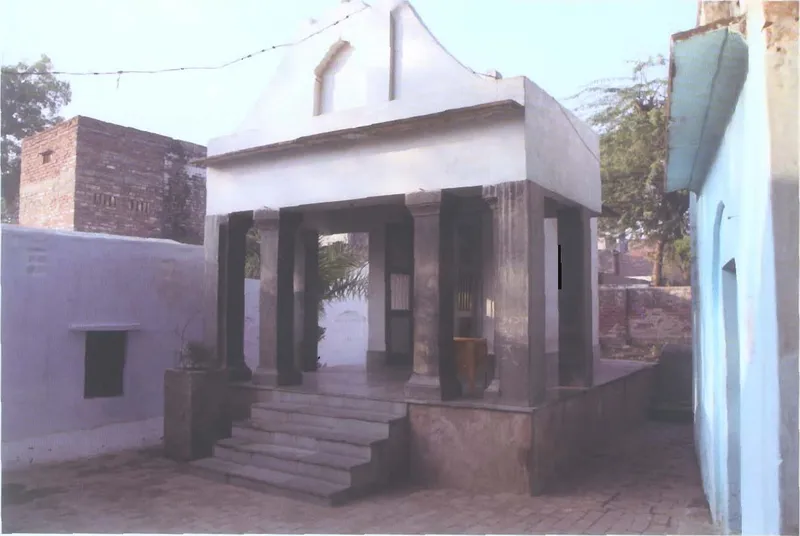
- What it is
- The samādhi (tomb) of Śrīla Prabodhānanda Sarasvatī stands a few metres from Kāliya-ghāṭa in Vṛndāvana, behind the great kadamba tree.
- Visiting
- The guidebooks agree on the place: a few metres from Kāliya-ghāṭa, directly behind the great kadamba tree (Vṛndāvana, the Playground of God, 2010), twenty metres from the ghāṭa (The Color Guide to …
In short
The samādhi (tomb) of Śrīla Prabodhānanda Sarasvatī stands a few metres from Kāliya-ghāṭa in Vṛndāvana, behind the great kadamba tree.[1 +5] He was the uncle and teacher of Śrī Gopāla Bhaṭṭa Gosvāmī and the author of the Caitanya-candrāmṛta.[7 +7] The guidebooks say that he spent his last days here in bhajana, chanting and prayer, and the Bengali Bhaktamāla of Kṛṣṇadāsa Bābājī (1905) also places his samādhi at Kāliya-hrada.[1 +7] That book gives no date, and no source found says who built the samādhi.[16]
Key facts
| Kind | samādhi |
|---|---|
| Region · area | Vṛndāvana |
| Also part of | Kāliya-damanavana |
| Ācāryas | Śrīla Prabodhānanda Sarasvatī |
Traditional accounts
His last days at Kāliya-hrada
Śrī Vraja-maṇḍala Parikramā (2007) says that Śrīla Prabodhānanda Sarasvatī came to Kāliya-hrada in his last days and entered his eternal pastimes here while performing bhajana, and that his place of bhajana and his samādhi can be seen here. The Color Guide to Vṛndāvana (2000) says that he used this area as his bhajana-kuṭīra and had vowed never to leave Vṛndāvana for the rest of his life.[1 +4]
The only older Vaiṣṇava work found that names the samādhi is the Bengali Bhaktamāla (1905). After Kāliya-hrada with its kadamba tree it names the author of the Caitanya-candrāmṛta and the Vṛndāvana-śataka, whose samādhi is there, and says that there he relishes Kṛṣṇa's pastime of subduing Kāliya (summarised here, not translated).[16]
প্রবোধানন্দ-স্বরস্বতী শ্রীগৌরাঙ্গ গুণ। শ্রীচৈতন্যচন্দ্রামৃত গ্রন্থের বর্ণন॥ আর শ্রীল-বৃন্দাবন-শতেক যে নামে! করিলে যেঁহ যাতে সাধু মন রমে॥ সেই সরস্বতী গোস্বামীর যে সমাধ। তথা কালি’দমন-লীলা করেন আস্বাদ॥
prabodhānanda-sbarasbatī śrīgaurāṅga guṇa| śrīcaitanyacandrāmṛta granthera barṇana|| āra śrīla-bṛndābana-śateka ye nāme! karile yem̐ha yāte sādhu mana rame|| sei sarasbatī gosbāmīra ye samādha| tathā kāli’damana-līlā karena āsbāda||
According to Śrī Priyādāsa's verse on him in the Hindi Bhaktamāla (1904), he made known the joy of living in Vṛndāvana and lived there, offering it body and mind.[18] In the Vṛndāvana-mahimāmṛta, a work ascribed to him, the poet prays that Vṛndāvana may let him live there until the end of his body, and says that even pierced by thousands of thunderbolts he would not stir from it (summarised here, not translated). No source says that this is the vow the guidebook means.[19]
Before Kāliya-hrada
According to the local tradition recorded in two guidebooks, before settling here he lived for some time at Kāmyavana, which is not certain: Śrī Vraja-maṇḍala Parikramā places his place of bhajana in Kāmyavana there near Luk-lukī-kuṇḍa, and Vṛndāvana-Dhāma Ki Jaya! (c. 1986) says that his nephew Śrī Gopāla Bhaṭṭa Gosvāmī met him in Kāmyavana.[6 +3] The Prema-vilāsa tells it differently: Śrīla Prabodhānanda sent Śrī Gopāla Bhaṭṭa Gosvāmī to Śrīla Rūpa Gosvāmī and Śrīla Sanātana Gosvāmī with a letter in his own hand (see below).[6 +3] According to the Bengali Vṛndāvana-kathā (1920), which cites no source, he lived in the old town near the Madana-mohana temple, in one quarter with Śrīla Sanātana Gosvāmī, Śrīla Raghunātha Bhaṭṭa Gosvāmī and others; the same book makes him one person with Prakāśānanda Sarasvatī, which Śrīla Prabhupāda says is not a fact (his words are given below).[11 +3]
The Gosvāmīs and ācāryas
Śrīla Prabodhānanda Sarasvatī was one of three brothers of Śrī Raṅgam, with Trimalla and Veṅkaṭa.
Who he was
Śrīla Prabodhānanda Sarasvatī was one of three brothers of Śrī Raṅgam, with Trimalla and Veṅkaṭa. They were Śrī Vaiṣṇavas, worshippers of Lakṣmī-Nārāyaṇa, who became devoted to Śrī Caitanya Mahāprabhu when He stayed in Veṅkaṭa Bhaṭṭa's house for the four months of the rainy season in 1511.[1 +5] Veṅkaṭa's son was Śrī Gopāla Bhaṭṭa Gosvāmī. The Bhakti-ratnākara says that Śrīla Prabodhānanda, his uncle, taught him all the śāstras from a young age, and Śrīla Prabhupāda writes that Śrī Gopāla Bhaṭṭa Gosvāmī was later initiated by his uncle and took tridaṇḍa-sannyāsa from him.[7 +5] The second verse of the Hari-bhakti-vilāsa names Śrī Gopāla Bhaṭṭa Gosvāmī as the disciple of Śrīla Prabodhānanda (summarised here, not translated); who compiled the book is shown below:[7 +5]
bhakter vilāsāṃś cinute prabodhā- nandasya śiṣyo bhagavat-priyasya
gopāla-bhaṭṭo raghunātha-dāsaṃ santoṣayan rūpa-sanātanau ca //
According to the Bhakti-ratnākara, his fame as "Sarasvatī" spread everywhere. Śrī Kṛṣṇa Caitanya was his beloved, and even in dreams he knew no other; he was a great poet, matchless in song, music and dance.[1 +1] Śrīla Prabhupāda lists among his works the Caitanya-candrāmṛta, Rādhā-rasa-sudhā-nidhi, Saṅgīta-mādhava, Vṛndāvana-śataka and Navadvīpa-śataka.[9 +2]
Śrīla Kavi-karṇapūra's Gaura-gaṇoddeśa-dīpikā says that Tuṅgavidyā, who in Vraja was expert in all the śāstras, is now the sannyāsī Śrīla Prabodhānanda, and the guidebooks add that she is one of Rādhā's eight principal sakhīs (companions).[1 +4]
Śrīla Prabhupāda
No statement of Śrīla Prabhupāda about the samādhi has been found in the works searched.
No statement of Śrīla Prabhupāda about the samādhi has been found in the works searched. He writes that Śrīla Prabodhānanda Sarasvatī was not the same person as Prakāśānanda Sarasvatī, the Māyāvādī sannyāsī of Benares whom Śrī Caitanya Mahāprabhu met:[11 +2]
General teaching (does not name the place)“Some people falsely claim that Prakāśānanda Sarasvatī later became known as Prabodhānanda Sarasvatī, but this is not a fact. Prabodhānanda Sarasvatī was the uncle and spiritual master of Gopāla Bhaṭṭa Gosvāmī. In his gṛhastha life, Prabodhānanda Sarasvatī was a resident of Śrī Raṅga-kṣetra, and he belonged to the Vaiṣṇava Rāmānuja-sampradāya.”
Śrīla Prabhupāda, Śrī Caitanya-caritāmṛta, Madhya-līlā 17.104, purport · vedabase.io
Visiting today
The guidebooks agree on the place: a few metres from Kāliya-ghāṭa, directly behind the great kadamba tree (Vṛndāvana, the Playground of God, 2010), twenty metres from the ghāṭa (The Color Guide to Vṛndāvana, 2000), on what was once the bank of the Yamunā (Vṛndāvana-Dhāma Ki Jaya!, c. 1986). In 2000 The Color Guide said that it was open daily.[1 +5] Nearby, in the guidebooks' order, are the Kāliya-mardana temple and Dvādaśāditya-ṭīlā with the old Madana-mohana temple.[1 +4]
Location
| Where it is | map key 1 (with Kālīya-hrada); no location in text[31] Śrī Prabodhānanda Sarasvatī’s samādhi lies near Kālīya-daha[32] |
|---|
Nearby places
Kāliya-ghāṭa · Kadamba tree at Kāliya-ghāṭa · Yamunā · Kadamba tree (Cīra-ghāṭa near Śergarh)
Pictures
2 pictures
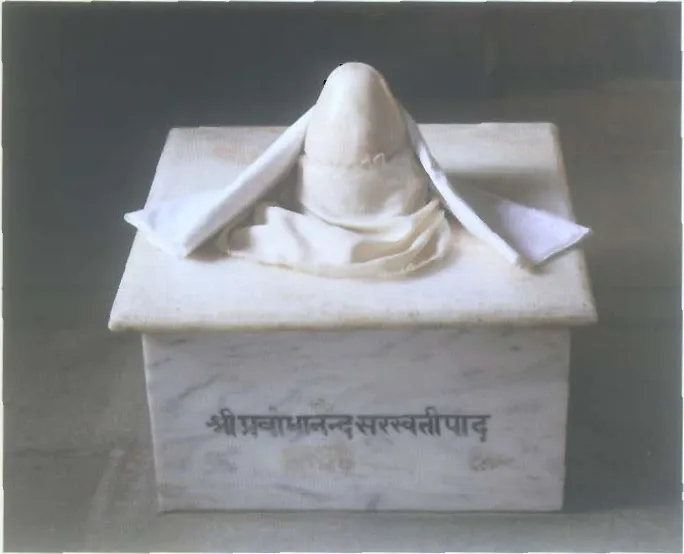
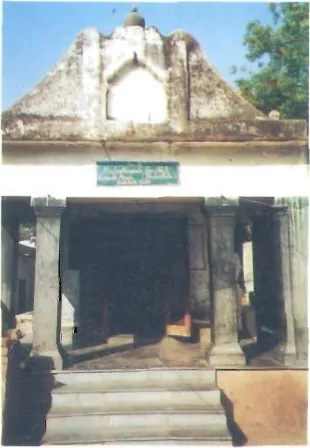
History
Two chronology tables in modern guidebooks, one probably copied from the other, date his coming to Vṛndāvana to 1516, though this is not certain, while Śrī Vraja-maṇḍala Parikramā says only that he came shortly after Śrī Caitanya Mahāprabhu left Śrī Raṅgam. No source gives the year of his departure or of the samādhi.[14 +2]
Where the sources differ
Prabodhānanda's relation to Veṅkaṭa Bhaṭṭa, Śrī Caitanya Mahāprabhu's host at Śrī Raṅgam.
Accounts differ Prabodhānanda's relation to Veṅkaṭa Bhaṭṭa, Śrī Caitanya Mahāprabhu's host at Śrī Raṅgam.
- Bhakti-ratnākara, First Wave p. 6; Śrīla Prabhupāda, CC Ādi 7.149 and Madhya 9.82 purports; Vṛndāvana, the Playground of God (2010), Vṛndāvana-Dhāma Ki Jaya! (c. 1986)Prabodhānanda was Veṅkaṭa Bhaṭṭa's brother (three brothers: Trimalla/Tirumalaya, Veṅkaṭa, Prabodhānanda); Śrī Gopāla Bhaṭṭa was Veṅkaṭa's son and Prabodhānanda's nephew.
- Śrīla Prabhupāda, lecture transcript, New Vrindaban, 24 May 1969'So Lord Caitanya stayed with this Veṅkaṭa, Veṅkaṭanātha. His name was Veṅkaṭa. …
Accounts differ Whether Prabodhānanda went to Vraja before his nephew Śrī Gopāla Bhaṭṭa, or sent Gopāla ahead to Rūpa and Sanātana with a letter.
- Vṛndāvana-Dhāma Ki Jaya! (c. 1986)After Śrī Caitanya returned to Purī, Prabodhānanda left Raṅga-kṣetra for Vṛndāvana, stayed in Kāmyavana and was soon met there by his nephew Śrī Gopāla Bhaṭṭa Gosvāmī.
- Śrī Vraja-maṇḍala Parikramā (2007); the chronology tables of Govardhana Hill: India's Most Sacred Mountain (2001) and The Colour Guide to Rādhā-kuṇḍa (1999)He went to Vṛndāvana 'shortly after' Mahāprabhu left Śrī Raṅgam (Śrī Vraja-maṇḍala Parikramā (2007)); the tables date his coming to Vṛndāvana to 1516.
- Prema-vilāsa (Nityānanda dāsa), 18th vilāsa, printed pp. 152–153At last Prabodhānanda reminded Śrī Gopāla Bhaṭṭa of the Lord's order and told him to go and take shelter of Rūpa and Sanātana; he wrote with his own hand a letter to the two Gosvāmīs saying that he had sent Śrī Gopāla Bhaṭṭa to them, and Gopāla took it by the Jhārikhaṇḍa road to Mathurā and Vṛndāvana. Where Prabodhānanda himself went afterwards is not said.
Accounts differ Who compiled the Hari-bhakti-vilāsa, whose verse 1.2 names Śrī Gopāla Bhaṭṭa as Prabodhānanda's disciple.
- Hari-bhakti-vilāsa 1.2Śrī Gopāla Bhaṭṭa, the disciple of Prabodhānanda, gathers (cinute) these pastimes of devotion to please Śrīla Raghunātha dāsa, Rūpa and Sanātana (editorial summary).
- Śrīla Prabhupāda, CC Ādi 10.105 purport (https://vedabase.io/en/library/cc/adi/10/105/)'Śrī Sanātana Gosvāmī, out of his great affection for Gopāla Bhaṭṭa Gosvāmī, compiled the Vaiṣṇava smṛti named Hari-bhakti-vilāsa and published it under his name.' Later in the same purport: Śrī Gopāla Bhaṭṭa 'edited the Hari-bhakti-vilāsa'.
- Vṛndāvana-Dhāma Ki Jaya! (c. 1986)Śrī Gopāla Bhaṭṭa Gosvāmī 'edited Hari-bhakti-vilāsa'.
The wording of these accounts is our summary of the sources, not a published translation.
References
32 references
- Vṛndāvana, the Playground of God (2010), Bhakti Caitanya Svāmī, PDF p. 126
- The Color Guide to Vṛndāvana (2000), Written and Photographed by Rājaśekhara dāsa Brahmacārī, PDF p. 55
- the undated parikramā notes Vṛndāvana, ¶43
- Śrī Vraja-maṇḍala Parikramā (2007), PDF p. 341
- Śrī Vraja-maṇḍala Parikramā (2007), PDF p. 345
- Vṛndāvana-Dhāma Ki Jaya! (c. 1986), by Dhruva Mahārāja dāsa, PDF p. 63
- Śrīla Gopāla Bhaṭṭa Gosvāmī, Hari-bhakti-vilāsa 1.2, GRETIL
- Śrīla Narahari Cakravartī, Bhakti-ratnākara, First Wave, 1912 ed. p. 10, 2nd ed., 1912
- Śrīla Narahari Cakravartī, Bhakti-ratnākara, First Wave, 1912 ed. p. 11, 2nd ed., 1912
- Śrīla Narahari Cakravartī, Bhakti-ratnākara, First Wave, 1912 ed. p. 11, a few lines after, 2nd ed., 1912
- Śrīla Prabhupāda, Śrī Caitanya-caritāmṛta, Madhya-līlā 17.104, purport · vedabase.io
- Śrīla Prabhupāda, Śrī Caitanya-caritāmṛta, Ādi-līlā 10.105, purport · vedabase.io
- Śrīla Prabhupāda, Śrī Caitanya-caritāmṛta, Ādi-līlā 7.149, purport · vedabase.io
- Śrī Vraja-maṇḍala Parikramā (2007), PDF p. 301
- Śrī Vraja-maṇḍala Parikramā (2007), PDF p. 157
- Śrī Śrī Bhaktamāla grantha, 26th mālā, printed p. 348, left column
- Śrī Śrī Bhaktamāla grantha, 26th mālā, printed p. 348, left column
- Bhaktamāla, entry (252) 'Śrī Prabodhānanda Sarasvatī jī', Priyādāsa's kavitta 613 (ṭīkā no. 793 of the edition), printed p. 1275
- Vṛndāvana-mahimāmṛta, śataka 1, v.17 (index label '(1) prathamaṁ śatakam v.1.17'), after Shyamlal Hakim's edition, Vrindavan, 1978
- Śrī Vraja-maṇḍala Parikramā (2007), PDF p. 156
Show all 32 references
- the undated parikramā notes Kāmyavana, ¶69
- Vṛndāvana-kathā, printed p. 76, in the author's account of where the Vaiṣṇavas of Rūpa and Sanātana's time lived in Vṛndāvana
- Śrī Vraja-maṇḍala Parikramā (2007), PDF p. 302
- Govardhana Hill: India's Most Sacred Mountain (2001), Rajasekhara dasa Brahmacari, PDF p. 160
- The Colour Guide to Rādhā-kuṇḍa (1999), Rājaśekhara dāsa Brahmacārī, PDF p. 173
- Śrīla Narahari Cakravartī, Bhakti-ratnākara, First Wave (prathama taraṅga), 1912 ed. p. 6, 2nd ed., 1912
- Śrīla Prabhupāda, Śrī Caitanya-caritāmṛta, Madhya-līlā 9.82, purport · vedabase.io
- Gaura-gaṇoddeśa-dīpikā, v.163
- Śrī Vraja-maṇḍala Parikramā (2007), PDF p. 299
- The Color Guide to Vṛndāvana (2000), Written and Photographed by Rājaśekhara dāsa Brahmacārī, PDF p. 56
- Śrī Vraja-maṇḍala Parikramā (2007), p. 576-577
- Śrī Vraja-maṇḍala Parikramā (2007), p. 664-665